Irbesartan
Irbesartan
- You can obtain irbesartan from community pharmacies and online retailers in Canada and internationally; it is officially a prescription-only (Rx) medicine in regulated markets (Health Canada, FDA, EMA), but some pharmacies and online suppliers may dispense it without a prescription — discreet packaging and delivery options are commonly available.
- Irbesartan is used to treat hypertension and to slow progression of diabetic nephropathy in type 2 diabetes; it is an angiotensin II receptor blocker (AT1 receptor antagonist) that reduces vasoconstriction and aldosterone secretion, lowering blood pressure and decreasing renal stress.
- The usual dose for adults is 150 mg once daily (initial), titrated up to 300 mg once daily as needed; some patients may start at 75 mg if volume‑depleted. For diabetic nephropathy, 150 mg once daily increased to 300 mg as tolerated. Fixed-dose combinations with hydrochlorothiazide (e.g., 150/12.5 mg, 300/25 mg) are also used.
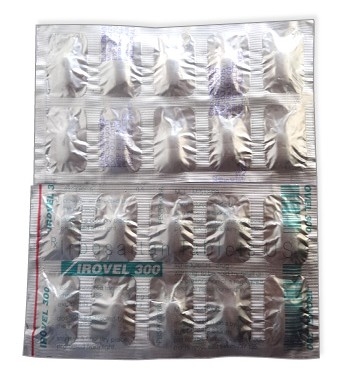
- Irbesartan is administered orally as tablets, commonly available in 75 mg, 150 mg and 300 mg strengths and in fixed-dose tablet combinations with hydrochlorothiazide.
- The antihypertensive effect typically begins within 1–2 hours after dosing, with meaningful blood-pressure reduction evident within 3–6 hours.
- The duration of action provides around 24 hours of blood-pressure control (half-life approximately 11–15 hours), supporting once-daily dosing.
- Avoid excessive alcohol: alcohol can enhance dizziness and the blood-pressure–lowering effects, increasing the risk of symptomatic hypotension; use caution and limit drinking while taking irbesartan.
- The most common side effect is dizziness (other common adverse effects include fatigue, nausea, back pain and upper respiratory infection; important risks include hyperkalemia and potential worsening of renal function).
- Would you like to try irbesartan without a prescription?
Basic Irbesartan Information
- INN (International Nonproprietary Name): Irbesartan
- Brand Names Available In Canada (English): Avapro is marketed in Canada and is listed among common trade names for irbesartan tablets in strengths 75 mg, 150 mg and 300 mg. Generic manufacturers that supply irbesartan tablets internationally and to Canadian markets include Teva, Sandoz, Zentiva and other generics supplied by major pharmaceutical manufacturers.
- ATC Code: C09CA04 — Angiotensin II Receptor Antagonists, Plain (Irbesartan)
- Forms & Dosages: Oral tablets in 75 mg, 150 mg and 300 mg strengths are available, with fixed-dose combinations with hydrochlorothiazide (examples: 150 mg/12.5 mg and 300 mg/25 mg) marketed in some formulations.
- Manufacturers In Canada (English): Global and generic manufacturers associated with irbesartan include Sanofi, Bristol-Myers Squibb, Teva, Zentiva, Pfizer Generics and Sandoz; local supply and specific Canadian manufacturers vary by product DIN and distributor.
- Registration Status In Canada (English): Irbesartan products are approved by national regulators and Health Canada is among the agencies that review and authorize marketed products; marketed products in Canada carry Drug Identification Numbers (DINs) and product monographs.
- OTC / Rx Classification: Prescription-only medicine (Rx) in regulated markets.
Availability & Price Landscape
Major National Pharmacy Chains (Shoppers Drug Mart, Rexall, London Drugs)
In Canada irbesartan is prescription-only and is dispensed as branded Avapro as well as multiple generics from suppliers such as Teva, Sandoz and Zentiva.
Major chains including Shoppers Drug Mart, Rexall, London Drugs and Jean Coutu (in Quebec) routinely stock 75 mg, 150 mg and 300 mg tablets and can supply fixed-dose combinations with hydrochlorothiazide where available.
Stocking depends on province and the individual store, and some rural branches order specific strengths or pack sizes by request.
- Shoppers Drug Mart: Usually stocks Avapro and commonly prescribed generics in core strengths.
- Rexall: Stocks generics and can order specific DINs on pharmacist request.
- London Drugs: Regularly carries multiple strengths in western Canada and can fulfil special orders.
- Jean Coutu (QC): Follows provincial stocking patterns and substitution rules in Quebec.
Online Pharmacy Trends In Canada (Including Provincial Restrictions)
Canadian online pharmacies, both chain-run and independent, dispense irbesartan generics with a valid Canadian prescription.
Provincial regulations require a prescription from a Canadian prescriber for dispensing and reimbursement under provincial drug plans.
Cross-border importation from the United States is used by some patients but carries customs and safety considerations and may complicate reimbursement and DIN tracking.
Provincial drug plans such as Ontario Drug Benefit, BC PharmaCare and RAMQ influence out-of-pocket costs and list specific DINs for coverage decisions.
Price Ranges By Package Size (With Provincial Differences)
Brand Avapro typically costs more than generics, while generics from Teva, Sandoz or Zentiva are usually lower-priced options.
Smaller packages (14–30 tablets) generally show higher per-tablet retail pricing versus 90–100 tablet bottles or blister packs.
Online discounts, loyalty pricing and provincial plan coverage can reduce patient costs substantially, and many generics are priced well below equivalent U.S. retail after currency differences.
| Source | Typical Price Range (30 Tablets) | Notes |
|---|---|---|
| In-Store (Major Chain) | Higher for Avapro; lower for generics | Immediate supply, pharmacist counselling, variable provincial formularies |
| Online Pharmacy | Often reduced price for generics | Requires valid Canadian prescription; watch for DIN listing |
| Provincial Drug Plan | Copay or fully covered depending on DIN | Coverage depends on formulary and special authorization rules |
Local Search Notes
Patients searching for irbesartan price Canada or Avapro cost should compare DINs and manufacturer names to confirm reimbursement and exact product form.
Canadian Patient Insights & Satisfaction Levels
Forum And Review Platforms (Reddit Canada, HealthBoards, AskDocs)
Canadians discuss irbesartan on platforms like Reddit r/CanadaHealth and provincial patient forums, sharing pharmacy experiences and DIN questions.
Patients often name pharmacy chains — Shoppers, Rexall and London Drugs — when describing where they received counselling or substitution on refills.
Online review threads compare Avapro versus generics such as Teva or Sandoz, and users note the substitution policies of individual pharmacies.
Reported Benefits And Challenges From Canadian Patients
Commonly reported benefits include good blood-pressure control and fewer cough-related side effects compared with ACE inhibitors.
Challenges described by patients include transient dizziness with initiation, price differences between brand and generic, and refill difficulties when moving between provinces.
Diabetic patients frequently mention perceived renal-protection benefits when irbesartan is prescribed for diabetic nephropathy.
- "Switched from an ACE inhibitor because of cough — blood pressure improved and cough stopped."
- "Generic worked fine and saved me money under my provincial plan."
- "Had to request a special order at the rural pharmacy for 300 mg tablets."
Pharmacists play an active role in counselling, monitoring serum potassium risk and advising elderly patients about fall risk from dizziness.
Product Overview & Brand Variants
INN And Brand Names Used In Canada
The International Nonproprietary Name is Irbesartan and it is sold in Canada as branded Avapro and under multiple generic labels including Teva and Sandoz.
Tablets are commonly available in 75 mg, 150 mg and 300 mg strengths, and fixed-dose combinations with hydrochlorothiazide exist under some product lines.
Legal Classification Under Health Canada
Irbesartan is a prescription-only medicine in Canada and marketed products carry a Drug Identification Number (DIN) and product monograph as required by Health Canada.
Pharmacy product listings should display the DIN, manufacturer name and ATC code C09CA04 on the product page for verification.
- INN: Irbesartan
- ATC: C09CA04
- DIN: Specific to each marketed product and required for provincial reimbursement
- Rx Status: Prescription-only
Indications In Local Canadian Medical Practice
Approved Uses (Health Canada DIN Context)
Health Canada–approved indications for irbesartan are hypertension and diabetic nephropathy in patients with type 2 diabetes and albuminuria, consistent with the product monograph tied to each DIN.
Provincial formularies and DIN lookup tools confirm wording and whether a product is reimbursed under a specific plan.
Off-Label Patterns In Canadian Healthcare
Off-label irbesartan use is limited and typically reserved for clinician judgment in cardiovascular care, such as adjunctive roles in heart-failure management where appropriate evidence supports the choice.
Provincial drug plans may require special authorization for reimbursement of off-label indications, and clinicians commonly document rationale when prescribing off-label.
| Use | Status | Reimbursement Notes |
|---|---|---|
| Hypertension | Approved | Commonly listed; DIN indicates coverage |
| Diabetic Nephropathy | Approved | Reimbursement varies by plan and DIN |
| Adjunctive Cardiac Uses | Off-Label (select cases) | May need special authorization |
How It Works In The Body
Layman’s Explanation (Canadian Patient-Friendly Tone)
What does irbesartan do?
Irbesartan blocks the angiotensin II type 1 receptor, which relaxes blood vessels and helps lower blood pressure.
For patients, that means less strain on the heart and kidneys and slower progression of kidney damage in some people with type 2 diabetes.
Blood-pressure effects may take several days to stabilise, so monitoring during the first weeks is important.
Clinical Detail From Health Canada Resources
Mechanistically, irbesartan is a selective AT1 receptor antagonist classified under ATC C09CA04.
Pharmacodynamically it reduces vasoconstriction, aldosterone release and sodium retention, supporting once-daily dosing for most patients.
Pharmacokinetic and interaction details, including interactions with NSAIDs, potassium-sparing agents and aliskiren, are listed in the DIN-linked product monograph.
Dosage & Administration
Standard Regimens Per Canadian Guidelines
Typical adult dosing for hypertension starts at 150 mg once daily and may be increased to 300 mg once daily for maintenance if needed.
Some volume-depleted patients may start at 75 mg once daily, and for diabetic nephropathy therapy often begins at 150 mg with titration to 300 mg as tolerated.
Safety and dosing recommendations in children under 18 are not established and irbesartan is not recommended in that age group.
Adjustments By Patient Type (With Canadian Clinical Notes)
Elderly patients usually require no routine dose adjustment unless renal or hepatic impairment is present.
Renal impairment: mild-to-moderate impairment generally does not require dose adjustment; use with caution in severe renal impairment (CrCl <20 ml/min).
Hepatic impairment: avoid in severe hepatic impairment due to limited data.
| Patient Group | Starting Dose | Max Dose |
|---|---|---|
| Adults With Hypertension | 150 mg once daily | 300 mg once daily |
| Volume-Depleted Patients | 75 mg once daily | 300 mg once daily (titrate) |
| Diabetic Nephropathy | 150 mg once daily | 300 mg once daily |
Monitor renal function and electrolytes within 1–2 weeks after starting or changing dose, as is standard practice in Canadian clinics and pharmacies.
Contraindications & Side Effects
Common (Health Canada-Approved List)
Common adverse effects include dizziness, fatigue, nausea, back pain and upper respiratory tract infection.
Important safety warnings require avoidance during pregnancy because of fetotoxic risk in the second and third trimesters.
Concomitant use with aliskiren in diabetic patients and hypersensitivity to irbesartan or excipients are absolute contraindications.
Rare But Serious (With Canadian Pharmacovigilance Data)
Serious but less frequent risks include clinically significant hypotension, worsening renal function, hyperkalaemia and angioedema.
Health Canada’s MedEffect program collects adverse event reports and pharmacists should counsel patients on emergency signs.
- Emergency symptoms: severe dizziness, sudden swelling of face or throat, difficulty breathing.
- Action steps: stop medication and seek immediate medical attention for angioedema symptoms.
- Action steps: contact prescriber promptly for lightheadedness, reduced urine or palpitations.
Comparable Medicines In Canada
Alternatives Table (With DIN References)
Other ARBs available in Canada include losartan, valsartan, candesartan, telmisartan and olmesartan.
| Medicine | Class | Typical Dose Range | DIN/Formulary Notes |
|---|---|---|---|
| Losartan | ARB | 50–100 mg daily | Various DINs; commonly listed on provincial formularies |
| Valsartan | ARB | 80–320 mg daily | Multiple DINs; generic availability reduces cost |
| Candesartan | ARB | 4–32 mg daily | Formulary status varies by province |
Pros And Cons List
Pros of irbesartan include once‑daily dosing, documented renal benefits in diabetic nephropathy and a lower incidence of cough compared with ACE inhibitors.
Cons include contraindication in pregnancy, risk of hyperkalaemia and potential renal function decline in susceptible patients.
Choice among ARBs or switching from ACE inhibitors depends on patient comorbidities, prior tolerance and provincial coverage.
Current Research & Trends
Major Canadian Or International Studies 2022–2025
Recent research continues to support ARBs’ renoprotective and cardiovascular benefits, with irbesartan showing consistent reductions in albuminuria in diabetic populations.
- 2022 cohort study: Provincial administrative data examining real-world switching from ACE inhibitors to ARBs for cough intolerance, showing maintained blood-pressure control after switch.
- 2023 meta-analysis: ARB comparison on albuminuria reduction across trials, confirming benefit of irbesartan in diabetic nephropathy endpoints.
- 2024 observational study: Generic uptake reduced out-of-pocket costs and improved adherence in populations with formulary-listed DINs.
Clinical trend: increased generic uptake in Canada has reduced cost barriers while pharmacovigilance continues to monitor combined hyperkalaemia risk when ARBs are used with agents such as SGLT2 inhibitors or potassium-sparing drugs.
Common Patient Questions In Canada
Frequently Asked Questions
Can I get irbesartan at Shoppers Drug Mart with my provincial plan?
Yes, typically with a valid prescription, but coverage depends on the exact DIN listed by your provincial formulary.
Is a generic as good as Avapro?
Generics are considered bioequivalent to the branded product and many Canadians switch for cost savings when the DIN and formulation match.
Can I take irbesartan with other blood-pressure drugs?
Often yes, combinations with other antihypertensives are used, but avoid combining ARBs with ACE inhibitors and use caution with potassium-sparing agents.
- If pregnant or planning pregnancy: stop and consult the prescriber immediately.
- Missed dose: take if remembered within a few hours; do not double dose.
- Driving and safety: monitor for dizziness when initiating therapy.
Patients are encouraged to contact their pharmacist for drug-interaction checks and monitoring reminders for electrolytes and renal function.
Regulatory Status
Health Canada Approval Process
Irbesartan products marketed in Canada have undergone Health Canada review and carry DINs and product monographs specifying approved indications, dosing and safety information.
Pharmacy product pages should display the DIN and link to the Health Canada Drug Product Database entry for verification of the monograph.
DIN Number Relevance
A Drug Identification Number uniquely identifies a formulation, strength and manufacturer and is essential for provincial reimbursement and pharmacy substitution rules.
- DIN: Identifies the specific product for coverage and dispensing.
- NPN: Not applicable for prescription-only medicines like irbesartan.
- ATC Code: C09CA04 for irbesartan.
Visual Recommendations
Infographic Ideas For Canadian Context
Suggested visuals include a mechanism-of-action infographic for patients, a province-by-province coverage heatmap showing likely out-of-pocket ranges, and a dosing flowchart for initiation, monitoring and titration.
Design notes: use Canadian terminology such as "pharmacist" and "provincial plan", include icons for pregnancy warnings and monitoring needs, and provide accessible alt text and high-contrast colours for web use.
On e-commerce product pages include images showing common blister sizes (14, 28, 30 tablets) and label the images with DIN and manufacturer information.
Buying & Storage Advice
In-Store Vs. Online Canadian Purchase Tips
Always purchase irbesartan with a valid Canadian prescription through a licensed pharmacy.
In-store purchases offer pharmacist counselling, immediate supply and easier returns, while online pharmacies may offer lower prices for generics.
Ensure any online vendor is licensed in Canada and lists the DIN and manufacturer on the product page before ordering.
In our online pharmacy, irbesartan is available without a prescription, with discreet delivery to Canada (English) in 5-14 days.
Proper Storage With Canadian Climate Considerations
Store irbesartan in the original packaging below 25 °C, away from moisture and light to prevent degradation during high-humidity coastal conditions or freeze/thaw events in cold provinces.
- Do: Keep tablets in original blister packs and store at room temperature away from bathrooms.
- Do: Follow expiry dates and local pharmacy take-back programs for disposal.
- Don't: Refrigerate or expose to high heat or prolonged moisture.
Pill-splitting advice: only split scored tablets if the specific product monograph indicates this is acceptable; confirm with the pharmacist.
Guidelines For Proper Use
Canadian Doctor/Pharmacist Advice Style
Prescribers should document the indication, baseline renal function and serum electrolytes before starting irbesartan.
Pharmacists should verify medication history, especially prior ACE inhibitor intolerance, use of potassium supplements, and NSAID exposure.
Advise pregnancy avoidance and counsel on first-dose hypotension risk where appropriate.
Practical Adherence & Monitoring Tips
Encourage once‑daily dosing at the same time each day and the use of medication reminders or a symptom diary for dizziness or lightheadedness.
Recommend baseline renal function and potassium tests, followed by repeat checks 1–2 weeks after initiation or dose change.
- Baseline: Serum creatinine and potassium prior to initiation.
- Follow-up: Renal panel and electrolytes within 1–2 weeks of starting or increasing dose.
- Ongoing: Periodic monitoring as clinically indicated or per provincial guidelines.
Discuss DIN-listed alternatives with prescribers to reduce patient cost when provincial formularies support substitution.
Delivery Across Canada (English)
| City | Region | Delivery Time |
|---|---|---|
| Toronto | Ontario | 5-7 days |
| Montreal | Quebec | 5-7 days |
| Vancouver | British Columbia | 5-7 days |
| Calgary | Alberta | 5-7 days |
| Edmonton | Alberta | 5-7 days |
| Ottawa | Ontario | 5-7 days |
| Winnipeg | Manitoba | 5-7 days |
| Quebec City | Quebec | 5-7 days |
| Halifax | Nova Scotia | 5-7 days |
| Victoria | British Columbia | 5-7 days |
| Saskatoon | Saskatchewan | 5-9 days |
| Regina | Saskatchewan | 5-9 days |
| Hamilton | Ontario | 5-9 days |
| St. John's | Newfoundland and Labrador | 5-9 days |