Asthma is a chronic respiratory condition that affects the airways in your lungs, causing inflammation and narrowing that makes breathing difficult. This long-term condition can develop at any age, though it often begins in childhood. The airways become swollen and produce extra mucus, which leads to coughing, wheezing, and shortness of breath.
Several factors can trigger asthma attacks, including allergens like pollen and dust mites, air pollution, exercise, cold air, and respiratory infections. Genetic factors also play a role, as asthma tends to run in families. Common symptoms include persistent coughing, especially at night or during physical activity, whistling sounds when breathing, chest tightness, and fatigue. Some people experience mild symptoms that come and go, while others have more severe and frequent episodes that significantly impact daily life.
Early recognition of asthma symptoms is important for effective management. If you experience regular breathing difficulties or suspect you might have asthma, consulting with a healthcare provider is essential for proper diagnosis through lung function tests and medical evaluation.
Canada offers a wide range of asthma medications designed to either prevent symptoms or provide quick relief during attacks. These medications fall into two main categories: controllers and relievers, each serving different purposes in asthma management.
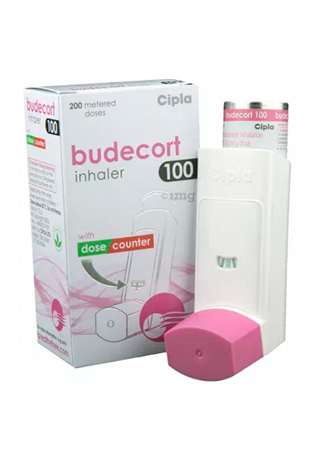
Controller medications are taken daily to prevent asthma symptoms and reduce inflammation in the airways. Inhaled corticosteroids like fluticasone, budesonide, and beclomethasone are among the most commonly prescribed controllers in Canada. These medications work by reducing swelling and mucus production in the airways. Long-acting beta-agonists such as salmeterol and formoterol are often combined with corticosteroids for better control. Combination inhalers like Seretide and Symbicort are widely available and help patients maintain steady asthma control.
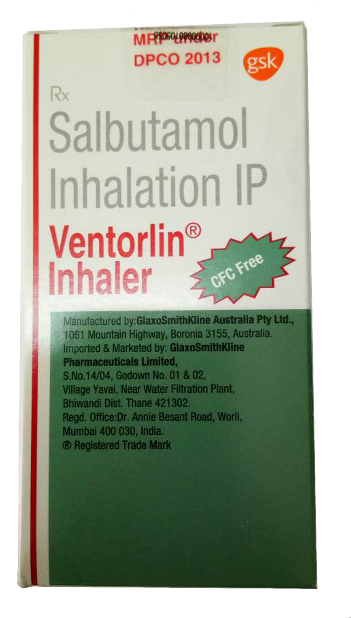
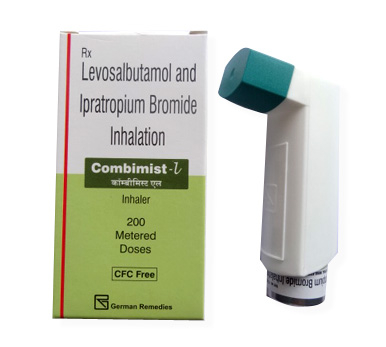
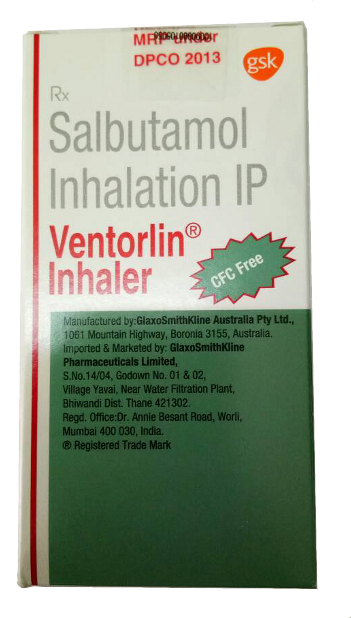
Reliever medications, also called rescue or quick-relief inhalers, provide immediate symptom relief during asthma attacks. Salbutamol, commonly known as Ventolin or Asmol in Canada, is the most popular quick-relief medication. These short-acting bronchodilators work quickly to open airways and allow easier breathing. Other options include terbutaline and ipratropium, which are also effective during acute episodes.
Additional medication options include leukotriene modifiers like montelukast, which help control asthma symptoms and reduce inflammation. Long-acting muscarinic antagonists and combination therapy approaches are available for patients with more severe asthma that doesn't respond well to standard treatments. Your healthcare provider will determine which medications are most appropriate based on your specific asthma severity and triggers.
Effective asthma management extends beyond medications to include identifying and avoiding triggers that cause your symptoms. Common environmental triggers include dust mites, pet dander, mold, pollen, and strong odours. Keeping your home clean, using air purifiers, and maintaining proper humidity levels can significantly reduce exposure to allergens. Regular washing of bedding in hot water and using allergen-proof pillow covers help minimize dust mite exposure.
Physical activity is important for respiratory health, and with proper management, most people with asthma can participate in sports and exercise. Warming up before exercise, using your reliever inhaler before activity if recommended, and avoiding exercise during high pollen counts or when air quality is poor can help prevent exercise-induced symptoms.
Maintaining good indoor air quality is crucial for asthma control. Avoiding smoking and secondhand smoke exposure, using exhaust fans in bathrooms and kitchens, and ensuring proper ventilation reduces irritant exposure. During high pollution days or when air quality alerts are issued, consider staying indoors or wearing appropriate masks when necessary.
Creating an asthma action plan with your doctor helps you understand how to manage daily symptoms and respond to attacks. This plan outlines which medications to use daily, recognizes warning signs, and provides clear steps for handling emergencies. Regular check-ups with your healthcare provider ensure your treatment plan remains effective and adjusted as needed.
Inhalers are the primary delivery method for asthma medications in Canada, offering fast and direct treatment to the airways. Metered-dose inhalers (MDIs) are the most common type, delivering a specific medication dose with each activation. These portable devices are convenient and can be used anywhere, making them ideal for both daily control and emergency relief.
Proper inhaler technique is essential for effective medication delivery to your lungs. Many patients don't use their inhalers correctly, which reduces treatment effectiveness. The basic technique involves breathing out completely, placing the inhaler in your mouth or using a spacer, pressing down while breathing in slowly, and holding your breath for ten seconds. Using a spacer device is particularly recommended for children and those with coordination difficulties, as it improves medication delivery and reduces side effects.
Different inhaler types require specific usage methods:
Regular practice of your inhaler technique with a pharmacist or healthcare provider ensures you're using your medication effectively. Checking your technique at least annually helps maintain proper usage as time passes. Keeping your inhaler with you at all times, checking expiration dates regularly, and refilling before running out prevents gaps in treatment and emergency situations.
Recognizing the difference between manageable asthma symptoms and medical emergencies is critical for your safety. Mild symptoms that respond quickly to your reliever inhaler generally don't require emergency care, but you should monitor the situation closely. However, certain warning signs indicate you need immediate medical attention and should seek emergency services or go to the nearest hospital.
Severe asthma attacks that don't improve with reliever medication within fifteen minutes require emergency care. Warning signs include inability to speak in full sentences due to shortness of breath, severe chest pain or tightness, lips or fingernails turning blue, confusion or drowsiness, and extreme anxiety or panic. Wheezing that worsens rather than improves with medication, or no wheezing despite severe breathing difficulty, also indicates a serious situation requiring professional help.
If you experience frequent asthma attacks despite using daily controller medications, schedule an appointment with your doctor to review and adjust your treatment plan. Waking up multiple nights per week with asthma symptoms, needing your reliever inhaler more than twice weekly, or missing work or school due to asthma suggests inadequate control. These situations warrant professional medical evaluation to optimize your management strategy.
Building a relationship with your healthcare provider and communicating openly about your asthma symptoms helps ensure you receive appropriate care. Keep a symptom diary noting when attacks occur and what triggered them, which provides valuable information for your doctor. Emergency contact information, a copy of your asthma action plan, and knowing your nearest hospital location ensure you're prepared for urgent situations.
Your healthcare team, including doctors, pharmacists, and respiratory therapists, plays a vital role in managing your asthma effectively. Regular appointments allow monitoring of your symptoms, medication effectiveness, and overall respiratory health. During visits, discuss any challenges you face with medications, side effects you're experiencing, or triggers you've identified to help your provider adjust your treatment accordingly.
Pharmacists in Canada are valuable resources for asthma management support. They can review your medications, check your inhaler technique, answer questions about your prescriptions, and provide education about triggers and prevention strategies. Many pharmacies offer asthma management services and can help you understand how to use your devices correctly. Don't hesitate to ask your pharmacist any questions about your medications or concerns you have about your asthma.
Keeping comprehensive records of your asthma history, current medications, dosages, and any allergic reactions helps healthcare providers make informed decisions. Bringing this information to appointments ensures continuity of care and helps avoid medication interactions. If you see multiple healthcare providers, sharing your asthma action plan and current treatment details ensures coordinated care.
Regular testing of lung function through spirometry measures how well your lungs are working and helps determine if your current treatment is adequate. These tests are often performed annually or when symptoms change. Working together with your healthcare team, following your asthma action plan, taking medications as prescribed, and avoiding identified triggers creates the best foundation for living well with asthma and maintaining good respiratory health.