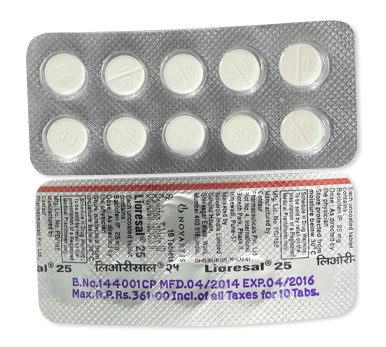
Analgesics are medications specifically designed to reduce or eliminate pain without causing loss of consciousness. These drugs work by interfering with pain signals that travel through the nervous system to the brain, providing relief from various types of discomfort. Pain can stem from injuries, surgeries, chronic conditions, or everyday ailments, and analgesics offer an effective solution for managing these situations. The primary goal of analgesic medications is to improve quality of life by allowing individuals to continue their daily activities with minimal discomfort.
Understanding how these medications work helps patients make informed decisions about their pain management options. Different analgesics target pain through different mechanisms, which is why various types are available on the Canadian market. Some analgesics work locally at the site of injury, while others work systemically throughout the body. The choice of analgesic depends on pain severity, duration, and individual health factors.
Over-the-counter analgesics are readily available at Canadian pharmacies without a prescription. Acetaminophen, commonly known by brand names like Tylenol, is one of the most popular choices for mild to moderate pain relief. This medication is effective for headaches, muscle aches, and fever reduction. Ibuprofen, available under brand names such as Advil and Motrin, belongs to the nonsteroidal anti-inflammatory drug category and provides pain relief while also reducing inflammation. Naproxen, sold as Aleve, offers longer-lasting pain relief compared to other OTC options, making it suitable for sustained discomfort management.
Many Canadian pharmacies stock combination analgesic products that pair pain relievers with other active ingredients. These may include caffeine to enhance pain relief effectiveness, or antihistamines for allergy-related discomfort. Combination products are designed for specific conditions like tension headaches or cold-related aches and pains. Always read labels carefully to understand what ingredients are present in combination products. Some people prefer single-ingredient analgesics to avoid unnecessary additives or potential interactions with other medications they may be taking.
Prescription analgesics are reserved for moderate to severe pain that cannot be adequately managed with over-the-counter medications. These medications require healthcare provider oversight due to their potency and potential for side effects. Codeine is a prescription opioid analgesic available in Canada, often combined with acetaminophen for enhanced pain relief. Tramadol is another prescription option used for moderate pain management and offers a different mechanism of action compared to traditional opioids. These stronger medications are typically prescribed following surgery, for cancer-related pain, or for severe chronic pain conditions.
Prescription analgesics require careful monitoring by healthcare professionals to ensure safe and effective use. Patients receiving these medications should maintain regular contact with their prescribing doctor to discuss pain levels and any side effects experienced. Medical professionals in Canada follow strict guidelines for prescribing stronger analgesics to prevent dependency and misuse. The healthcare provider will determine the appropriate dosage and duration of treatment based on individual patient needs. Regular follow-up appointments help ensure that pain management remains effective while minimizing risks associated with stronger medications.
Acute pain is sudden onset discomfort resulting from injuries, dental procedures, or surgical interventions. Over-the-counter analgesics usually provide adequate relief for mild to moderate acute pain. For severe acute pain, prescription-strength medications may be necessary under healthcare provider guidance. Acute pain typically resolves as the underlying injury heals, making short-term analgesic use appropriate. Choosing the right analgesic for acute pain depends on pain intensity and any underlying health conditions that might affect medication safety.
Chronic pain persists for extended periods and requires a different treatment approach than acute pain. Long-term analgesic use must be carefully managed to avoid dependency and tolerance development. Healthcare providers in Canada may recommend a combination approach, including physical therapy alongside medications. Chronic pain conditions like arthritis, fibromyalgia, or back pain often require specialized pain management strategies. Regular assessment ensures that the chosen analgesic continues to provide effective relief without causing adverse effects over time.
Different types of pain respond best to specific analgesics:
Following recommended dosage instructions is essential for safe analgesic use and preventing adverse effects. Never exceed the maximum daily dose listed on product packaging or prescribed by your healthcare provider. Spacing doses appropriately prevents accidental overdose and allows the medication to work effectively. Inform your pharmacist about all medications and supplements you take to avoid dangerous interactions. Certain health conditions, including liver disease or kidney problems, may require dose adjustments or alternative medications.
Acetaminophen overuse can cause liver damage, particularly when combined with alcohol consumption. Ibuprofen and naproxen may cause stomach upset or increase bleeding risk in susceptible individuals. Some people experience allergic reactions to analgesics, ranging from mild rashes to severe anaphylaxis. Pregnant women should consult their healthcare provider before using analgesics, as some medications may affect fetal development. Individuals taking blood thinners require special consideration when using anti-inflammatory analgesics.
Contact a healthcare professional if pain persists beyond two weeks despite analgesic use. Severe allergic reactions require immediate emergency attention. If you experience unusual symptoms after taking analgesics, consult your pharmacist or doctor promptly. Never use analgesics to mask symptoms of serious underlying conditions without medical evaluation. Report any concerning side effects to your healthcare provider immediately.
Taking analgesics with food can reduce stomach upset while maintaining effectiveness. Setting a regular medication schedule helps maintain consistent pain relief throughout the day. Combining analgesics with non-medication approaches like heat therapy or rest enhances overall pain management. Staying hydrated supports medication effectiveness and overall health during pain treatment. Maintaining open communication with your healthcare provider helps optimize pain relief strategies.
Your pharmacist can provide valuable guidance about choosing appropriate analgesics for your specific situation. Healthcare providers can assess your complete medical history to recommend the safest option. Many Canadian pharmacies offer free consultations to discuss pain management concerns. Building a relationship with your healthcare team ensures personalized, effective pain management. Regular follow-ups allow for medication adjustments as needed to maintain optimal pain control and minimize side effects.