Antibiotics are powerful medications designed to fight bacterial infections by either killing bacteria or stopping their growth. These medicines have revolutionized modern medicine since their discovery and remain essential in treating various infections that could otherwise become serious or life-threatening.
Antibiotics work through different mechanisms depending on their type. Some antibiotics destroy the bacterial cell wall, causing the bacteria to die. Others interfere with the bacteria's ability to reproduce or prevent them from producing essential proteins needed for survival. When you take antibiotics as prescribed, they help your immune system eliminate the infection more effectively.
It's important to understand that antibiotics only work against bacterial infections, not viral infections like the common cold or flu. Taking antibiotics for viral infections is ineffective and contributes to antibiotic resistance, a growing health concern in Canada and worldwide.
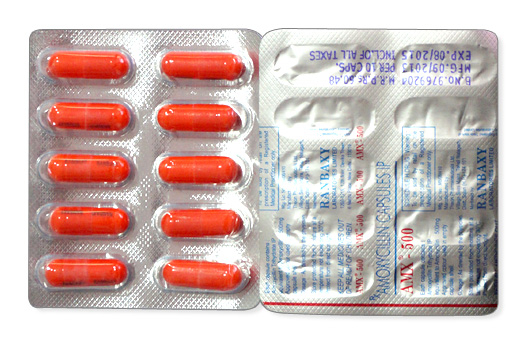
Penicillins are among the most commonly prescribed antibiotics in Canada. Amoxicillin is widely available and used for various infections including ear infections, strep throat, and urinary tract infections. Ampicillin is another penicillin-based option used for similar purposes. These medications are generally well-tolerated and have been safely used for decades.
Cephalosporins are related to penicillins and are effective against a broader range of bacteria. Cephalexin is commonly available in Canada and is used for skin infections, respiratory infections, and urinary tract infections. These antibiotics are often prescribed when penicillins are not suitable.
Macrolide antibiotics like Azithromycin and Erythromycin are frequently prescribed in Canada for respiratory infections, including bronchitis and pneumonia. They're also used for certain sexually transmitted infections and can be gentler on the stomach for some patients compared to other antibiotic classes.
Fluoroquinolones such as Ciprofloxacin and Levofloxacin are powerful broad-spectrum antibiotics available in Canada. These are typically reserved for more serious infections or when other antibiotics have proven ineffective. They're commonly used for urinary tract infections and respiratory infections.
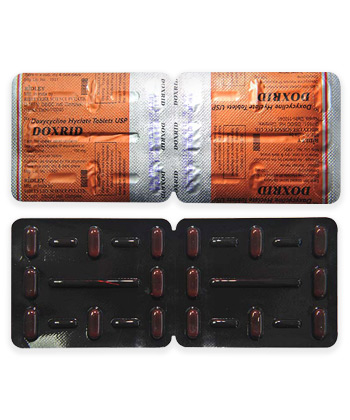
Doxycycline is a tetracycline antibiotic widely available in Canada and used for acne, respiratory infections, and certain tick-borne illnesses. This class of antibiotics is often preferred for specific conditions where other options may be less effective.
Antibiotics are prescribed for numerous bacterial infections affecting different parts of the body. Common conditions treated with antibiotics in Canada include:
Urinary tract infections, or UTIs, are among the most common reasons antibiotics are prescribed in Canada. Respiratory infections such as bacterial pneumonia, bronchitis, and sinusitis often require antibiotic treatment. Strep throat, a common bacterial infection, is typically treated with antibiotics to prevent serious complications.
Skin and soft tissue infections, including impetigo, cellulitis, and infected wounds, are frequently treated with antibiotics. Ear infections, particularly middle ear infections in children, often require antibiotic therapy. Your healthcare provider will determine which antibiotic is most appropriate based on the type of infection and other health factors.
Taking antibiotics exactly as prescribed is crucial for treating your infection effectively and preventing antibiotic resistance. Always complete the full course of antibiotics even if you start feeling better before finishing all doses. Stopping antibiotics early allows bacteria to survive and can lead to recurring infections that may be harder to treat.
Take your antibiotic at the same time each day to maintain consistent levels in your bloodstream. Some antibiotics should be taken with food, while others work best on an empty stomach. Read the label carefully or ask your pharmacist about the best way to take your specific medication.
Never share antibiotics with others, even if they have similar symptoms. Each prescription is tailored to an individual's specific infection and health status. Sharing medications can lead to improper treatment and increased resistance development.
Store antibiotics as directed, usually at room temperature away from moisture and heat. Keep them out of reach of children and pets. If you experience side effects or allergic reactions, contact your healthcare provider immediately rather than stopping the medication on your own.
While antibiotics are generally safe when used properly, they can cause side effects in some people. Common mild side effects include nausea, diarrhea, and stomach upset. These often improve as your body adjusts to the medication.
Allergic reactions are more serious and can range from mild rashes to severe anaphylaxis, particularly with penicillin-based antibiotics. If you have a known penicillin allergy, inform your healthcare provider so alternative antibiotics can be prescribed. Always mention any previous adverse reactions to medications.
Certain antibiotics can interact with other medications, including birth control pills, blood thinners, and other drugs. Your pharmacist in Canada can review all your medications to check for potential interactions. Some antibiotics may affect how your body processes other medications.
Photosensitivity is a concern with certain antibiotics like tetracyclines, meaning your skin may be more sensitive to sun exposure. Use sunscreen and protective clothing when taking these medications. Pregnant women should only use antibiotics specifically deemed safe during pregnancy, so always inform your healthcare provider if you're pregnant or planning to become pregnant.
Antibiotic resistance occurs when bacteria evolve to survive antibiotic treatment, making infections harder or impossible to treat. This growing problem in Canada and globally is largely driven by inappropriate antibiotic use and overuse.
You can help combat antibiotic resistance by using antibiotics only when prescribed by your healthcare provider. Never request antibiotics for viral infections, as they won't help and contribute to resistance. Completing your full course of antibiotics, even when feeling better, helps prevent resistance development.
Support infection prevention practices like proper handwashing, food safety, and vaccination to reduce the need for antibiotics overall. If you have unused antibiotics, ask your pharmacist about proper disposal methods rather than storing them indefinitely.
Canada's healthcare system is actively addressing antibiotic stewardship through education and guidelines for healthcare providers. By using antibiotics responsibly and only when truly needed, you're contributing to preserving their effectiveness for future generations.