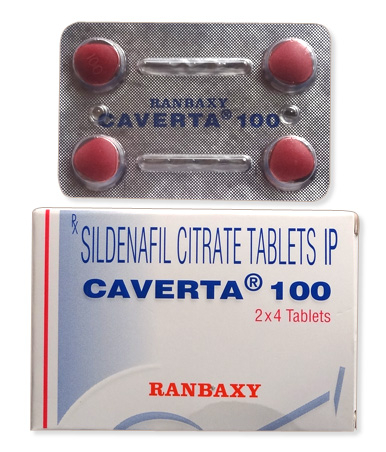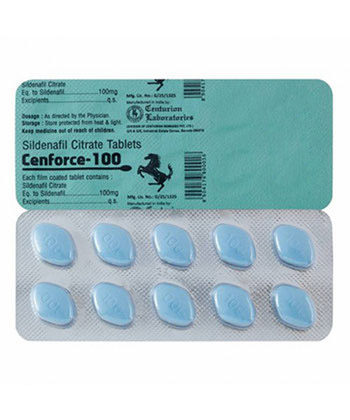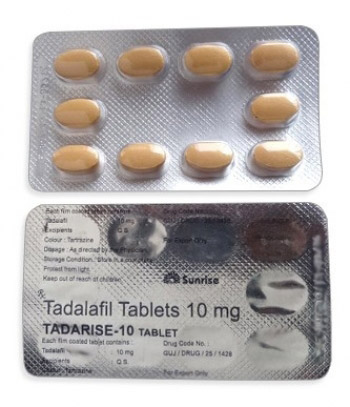
Erectile dysfunction (ED) affects millions of men across Canada and can significantly impact quality of life and relationships. It occurs when a man has difficulty achieving or maintaining an erection sufficient for sexual activity. While this condition becomes more common with age, it can affect men at any stage of life, and the good news is that many cases are treatable.
ED can result from various physical factors including cardiovascular disease, diabetes, hormonal imbalances, and lifestyle choices such as smoking and excessive alcohol consumption. Psychological factors play equally important roles, with stress, anxiety, and depression frequently contributing to the condition.
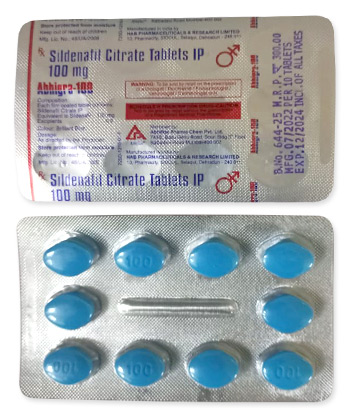
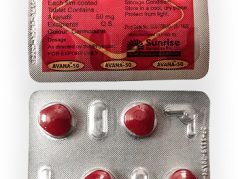
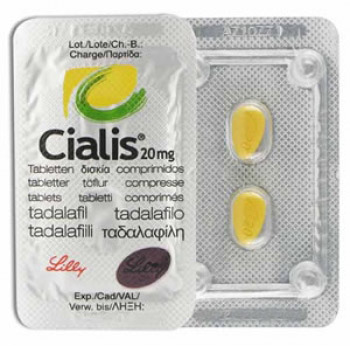
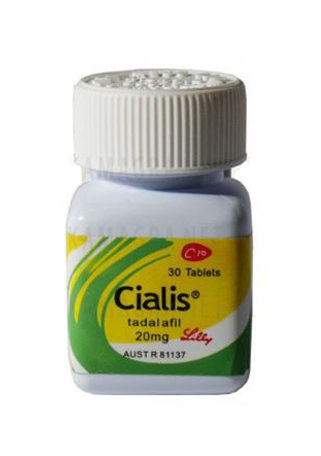
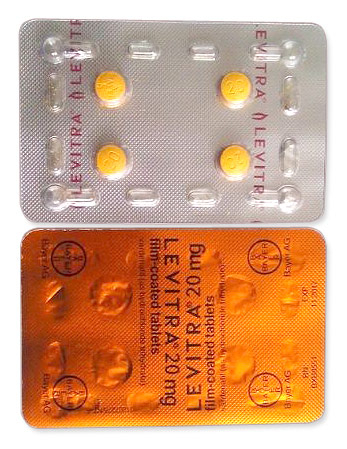
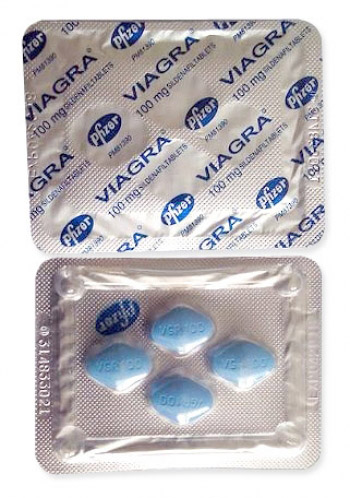
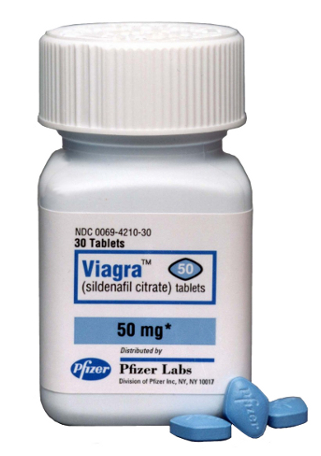
Popular prescription options include Viagra (sildenafil), Cialis (tadalafil), and Levitra (vardenafil). These phosphodiesterase-5 inhibitors work by improving blood flow to the penis. Cialis stands out for its longer duration of action, lasting up to 36 hours, providing greater flexibility. Over-the-counter options like topical creams and natural supplements are also available, though their effectiveness varies.
If ED persists for more than a few weeks or significantly affects your confidence and relationships, consult a healthcare provider. Many cases are treatable, and your doctor can identify any underlying health conditions that may require attention.
The prostate is a small gland that plays a crucial role in male reproductive health and urinary function. As men age, prostate issues become increasingly common. Regular monitoring and preventive care can help maintain long-term wellness and catch problems early before they significantly impact daily life.
Benign Prostatic Hyperplasia (BPH) causes enlargement of the prostate, leading to urinary symptoms including frequent urination, weak stream, and nighttime bathroom visits. Prostatitis involves inflammation or infection of the prostate gland and can cause discomfort and urinary difficulties.
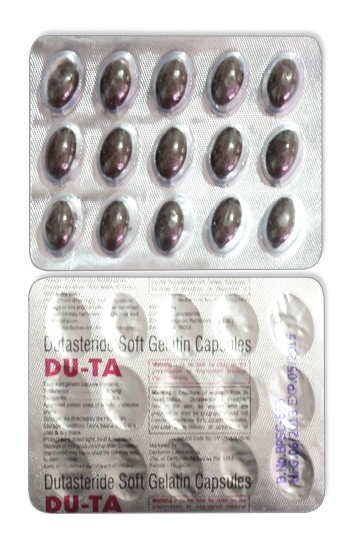
Medications like finasteride (Propecia) and dutasteride (Avodart) help reduce prostate size by blocking hormone conversion. Alpha-blockers such as tamsulosin (Flomax) relax prostate muscles to improve urinary flow. Natural supplements containing saw palmetto are popular alternatives, though evidence of effectiveness varies.
Maintaining a healthy diet rich in vegetables, engaging in regular exercise, and limiting alcohol and caffeine consumption can support prostate health. Regular check-ups with your doctor, including PSA testing when appropriate, help detect issues early and ensure long-term wellness.
Male pattern baldness affects a significant portion of the Canadian male population and is primarily driven by genetics and the hormone DHT (dihydrotestosterone). Hair loss can begin at any age and may impact self-esteem and confidence. Understanding the causes helps men make informed decisions about treatment options.
Male pattern baldness is the most common form, typically starting with a receding hairline or thinning crown. Other causes include nutritional deficiencies, stress, medical conditions, and certain medications. Identifying the specific type of hair loss helps determine the most effective treatment approach.
Minoxidil (Rogaine) is an over-the-counter topical treatment that stimulates hair growth and slows hair loss when applied regularly to the scalp. Finasteride (Propecia) is a prescription medication that reduces DHT levels and prevents further hair loss. Both require consistent use and show best results when started early in the hair loss process.
Nutritional supplements containing biotin, zinc, and vitamin D support hair health from within. Low-level laser therapy and hair transplantation are options for more advanced cases. Many men find success combining pharmaceutical treatments with lifestyle improvements and stress reduction techniques.
Men face higher cardiovascular risk compared to women, particularly after age 55. Heart disease remains a leading cause of death among Canadian men, making prevention and early intervention critical for long-term health and wellbeing.
Several factors significantly increase cardiovascular risk, including:
Men often delay seeking medical attention, which can worsen outcomes. Regular health screenings help identify problems before they become serious.
Statins like atorvastatin (Lipitor) help manage cholesterol levels effectively. ACE inhibitors and beta-blockers control blood pressure and reduce heart workload. Aspirin therapy may be recommended for certain high-risk individuals. Your doctor determines what's appropriate based on personal risk factors and medical history.
Regular physical activity, a heart-healthy diet low in saturated fats, effective stress management, and smoking cessation provide significant benefits for cardiovascular health. Maintaining a healthy weight and limiting alcohol consumption protect cardiovascular function and reduce disease risk.
Testosterone is essential for male health, affecting muscle mass, bone density, energy levels, mood, and sexual function. Levels naturally decline with age, but some men experience abnormally low testosterone, a condition called hypogonadism that warrants medical evaluation and treatment.
Men with low testosterone may experience fatigue, reduced libido, difficulty building muscle, mood changes, and decreased concentration. These symptoms significantly impact quality of life and deserve professional medical attention and evaluation.
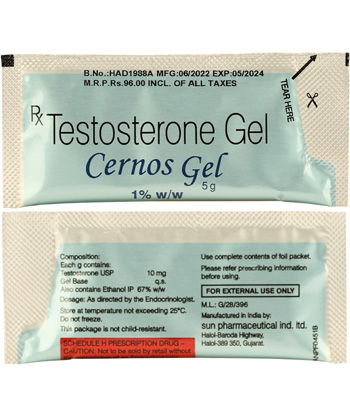
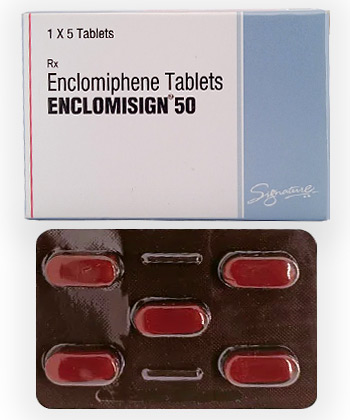
Testosterone replacement therapy comes in various forms including injections, gels, patches, and pellets, allowing men to choose what works best for their lifestyle. Clomiphene citrate stimulates natural testosterone production without replacing it. Treatment requires careful monitoring through blood tests to ensure optimal levels and minimize potential side effects.
Weight management, regular exercise, adequate sleep, and stress reduction naturally support healthy testosterone levels. Certain vitamins and minerals, particularly zinc and vitamin D, play important roles in hormonal balance and overall health.
Mental health significantly impacts overall wellness, yet many men hesitate to seek support due to societal stigma. Depression, anxiety, and stress-related conditions are prevalent but often underreported in the male population. Addressing mental health is as important as physical health and deserves equal attention.
Work stress, relationship difficulties, financial pressure, and life transitions can trigger anxiety and depression in men. Men often express these conditions differently than women, sometimes appearing as irritability or behavioural changes rather than sadness, making recognition and diagnosis more challenging.
Prescription medications including SSRIs (selective serotonin reuptake inhibitors) effectively treat depression and anxiety. Options like sertraline (Zoloft) and escitalopram (Lexapro) are widely available in Canada and prescribed by healthcare providers. Counselling and therapy provide valuable tools for managing stress and emotional challenges alongside medication when needed.
Regular physical activity, adequate sleep, maintaining social connections, and engaging in enjoyable activities support mental wellness significantly. Many men benefit from combining medication with therapy, meditation, or support groups. Seeking help early prevents conditions from worsening and improves outcomes substantially.