Blood pressure refers to the force exerted by blood against artery walls as the heart pumps. It's measured in two numbers: systolic (pressure when the heart beats) and diastolic (pressure when the heart rests). Normal blood pressure is typically below 120/80 mmHg. High blood pressure, or hypertension, occurs when these readings consistently exceed 130/80 mmHg. Many Canadians live with hypertension without knowing it, as the condition often presents no symptoms. Regular monitoring is essential for early detection and management. Blood pressure naturally fluctuates throughout the day based on activity level, stress, and time of day. Understanding these measurements helps you work with healthcare providers to maintain optimal cardiovascular health and reduce the risk of serious complications.
Multiple factors contribute to elevated blood pressure. Age plays a significant role, as blood vessels naturally become less elastic over time. Family history is another important factor—if your parents or close relatives have hypertension, your risk increases substantially. Lifestyle choices greatly impact blood pressure levels, including diet high in sodium, excessive alcohol consumption, and sedentary habits. Stress and poor sleep quality can elevate readings temporarily or chronically. Certain medical conditions like kidney disease, thyroid problems, and sleep apnea increase hypertension risk. Obesity is strongly associated with higher blood pressure, as excess weight requires the heart to work harder. Smoking damages blood vessel walls, making them more prone to high pressure. Hormonal changes during menopause can also affect blood pressure. Understanding these risk factors allows you to make informed decisions about lifestyle modifications and medical interventions.
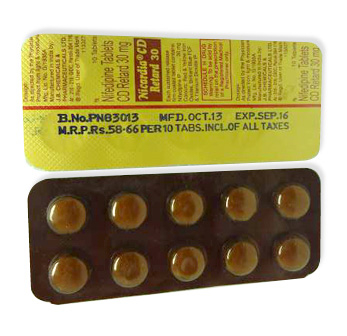
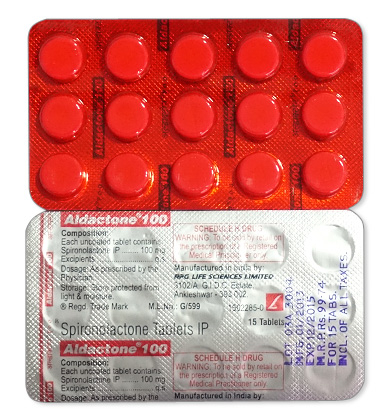
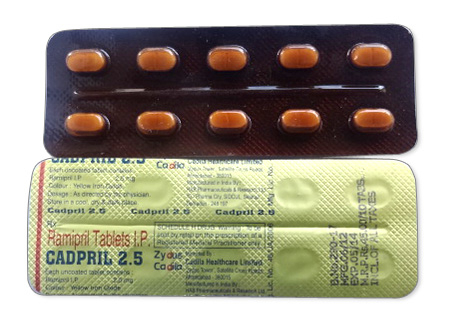
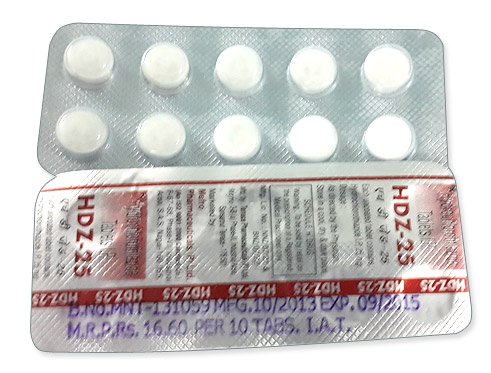
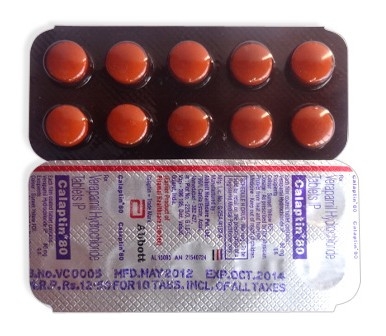
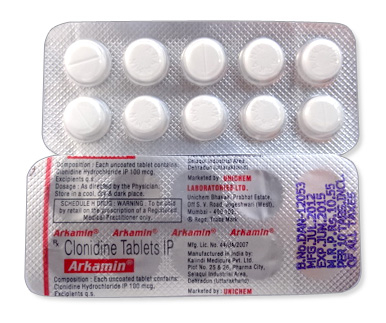
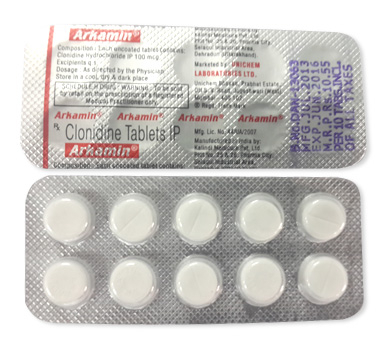
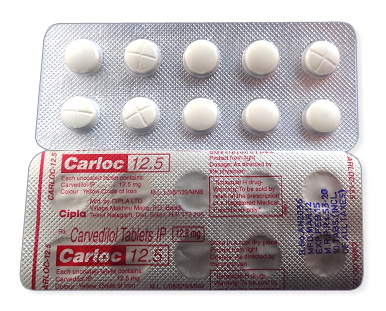
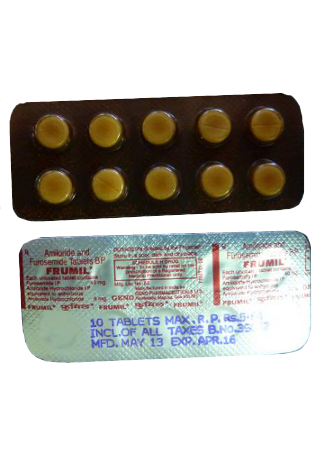
Several medication classes effectively treat hypertension in Canada. ACE inhibitors like enalapril and ramipril relax blood vessels and reduce strain on the heart. Angiotensin II receptor blockers (ARBs) such as losartan and valsartan work similarly but through a different mechanism. Beta-blockers including metoprolol and atenolol slow heart rate and reduce heart workload. Calcium channel blockers like amlodipine and diltiazem prevent calcium from entering muscle cells, relaxing vessels. Diuretics such as hydrochlorothiazide increase urine production, reducing blood volume and pressure. Alpha-blockers like doxazosin relax blood vessel muscles. Combination medications containing two active ingredients are popular for improved adherence and convenience. Your healthcare provider determines the best medication based on your specific health profile, other conditions, and previous medication responses. Many Canadians require multiple medications for optimal control.
Dietary modifications significantly impact blood pressure. The DASH diet emphasizes fruits, vegetables, whole grains, and lean proteins while limiting sodium intake. Reducing sodium to less than 2,300 milligrams daily helps many people achieve lower readings. Increasing potassium-rich foods like bananas, spinach, and sweet potatoes helps counteract sodium's effects. Regular physical activity—at least 150 minutes of moderate exercise weekly—strengthens the cardiovascular system. Walking, swimming, and cycling are excellent low-impact options. Weight management is crucial; even losing five to ten percent of body weight can lower blood pressure meaningfully. Limiting alcohol consumption to moderate levels protects cardiovascular health. Managing stress through meditation, yoga, or deep breathing exercises helps prevent tension-related pressure spikes. Quality sleep of seven to nine hours nightly supports healthy blood pressure regulation. Quitting smoking improves vessel function almost immediately. These lifestyle changes often work best in combination and complement medication therapy.
Regular blood pressure monitoring helps track your treatment effectiveness and identify concerning trends. Home monitoring devices allow convenient tracking between doctor visits. Proper technique ensures accurate readings: sit quietly for five minutes before measuring, keep feet flat, and position the cuff at heart level. Record readings at consistent times daily, typically morning and evening. Many Canadian pharmacies offer free blood pressure checks using professional equipment. Annual checkups with your healthcare provider ensure appropriate medication adjustments and overall cardiovascular assessment. During visits, discuss any unusual readings or symptoms. Home monitors provide valuable data for healthcare providers to make informed treatment decisions. Some people benefit from purchasing a validated monitor for consistent accuracy. Keeping a log of readings helps identify patterns related to activity, diet, or stress. Digital apps simplify record-keeping and sharing results with healthcare providers. Regular monitoring demonstrates commitment to health management.
Certain symptoms warrant immediate medical evaluation. Severe headaches combined with chest pain or shortness of breath may indicate a hypertensive crisis requiring emergency care. Call 911 if you experience sudden severe symptoms. Consistently elevated readings despite medication need prompt discussion with your healthcare provider for medication adjustments. Unusual fatigue, dizziness, or vision changes may relate to blood pressure complications. Side effects from medications should be reported to your doctor—alternatives often exist. New symptoms emerging after starting blood pressure medication may indicate adverse reactions. Regular follow-up appointments ensure your treatment plan remains effective as your health changes. Don't hesitate to contact your healthcare provider with questions or concerns about your blood pressure management. Early intervention prevents serious complications like stroke or heart attack. Establishing open communication with your healthcare team optimizes your cardiovascular health outcomes and ensures safe, effective treatment throughout your life.