Amlodipine
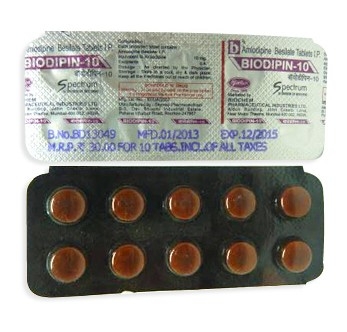
Amlodipine
- Amlodipine is widely available in community pharmacies and online; it is legally classed as prescription‑only in major markets (Canada, US, EU), but in some pharmacies or jurisdictions it may be possible to purchase amlodipine without a prescription.
- Amlodipine is used to treat hypertension and chronic stable or vasospastic angina; it is a dihydropyridine calcium‑channel blocker that inhibits L‑type calcium channels in vascular smooth muscle, causing arterial vasodilation and reduced blood pressure.
- Usual dosage: adults—initial 5 mg once daily, maintenance 5–10 mg once daily; elderly or those with hepatic impairment—start at 2.5–5 mg and titrate carefully; children (6–17 years)—2.5–5 mg once daily; available strengths commonly 2.5 mg, 5 mg and 10 mg.
- Form of administration: oral tablets (2.5 mg, 5 mg, 10 mg); oral solution (1 mg/mL) available in some markets; also supplied in fixed‑dose combination tablets with agents such as valsartan, perindopril or atorvastatin.
- Onset time: blood‑pressure lowering effects usually begin within 24–48 hours, with peak plasma concentrations in about 6–12 hours and full clinical effect over 1–2 weeks.
- Duration of action: long elimination half‑life (approximately 30–50 hours) allows once‑daily dosing and sustained effect for at least 24 hours; steady state is reached in about 7 days.
- Alcohol warning: avoid excessive alcohol—alcohol can potentiate hypotension and increase dizziness, flushing and other side effects when combined with amlodipine.
- The most common side effect is peripheral oedema (swelling of the ankles/feet); other frequent effects include headache, flushing, dizziness, palpitations, fatigue and nausea.
- Would you like to try “amlodipine” without a prescription?
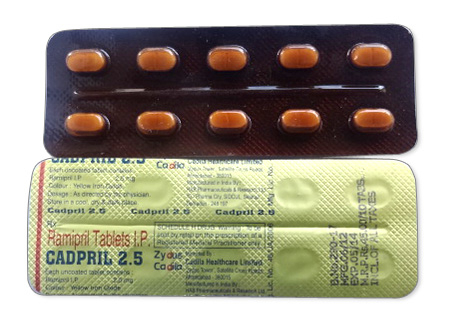
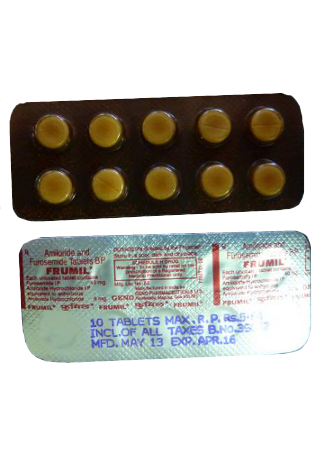
Basic Amlodipine Information
- INN (International Nonproprietary Name): Amlodipine.
- Brand Names Available In Canada (English): Norvasc is the dominant brand available in Canada, and generics are marketed by manufacturers including Sivem, Jamp, Sandoz and Apotex; Canadian packaging commonly includes tablets in 2.5 mg, 5 mg and 10 mg strengths.
- ATC Code: C08CA01 (Calcium Channel Blockers, Dihydropyridine Derivatives).
- Forms & Dosages: Tablets are the most common form in Canada with strengths of 2.5 mg, 5 mg and 10 mg in blister packs of 10, 28, 30, 56 or 100; oral solution (1 mg/mL) is limited and fixed combinations with valsartan, perindopril or atorvastatin are available.
- Manufacturers In Canada (English): Pfizer (Norvasc) and multiple generic suppliers such as Sivem, Jamp, Sandoz and Apotex supply amlodipine to Canadian pharmacies.
- Registration Status In Canada (English): Amlodipine products are approved by Health Canada and listed with Drug Identification Numbers (DINs) in the Drug Product Database.
- OTC / Rx Classification: Prescription Only (Rx) in Canada.
Major National Pharmacy Chains
Worried about finding amlodipine locally or how much it will cost?
In Canada amlodipine is widely stocked at major retail chains including Shoppers Drug Mart, Rexall and London Drugs, with Jean Coutu active in Quebec and London Drugs prominent in Western provinces.
Retail shelves commonly carry the brand Norvasc and generics from Sandoz, Apotex, Sivem and others, and packages are typically blister packs of 10, 28, 30, 56 or 100 tablets.
Canadian strengths most commonly found are 2.5 mg, 5 mg and 10 mg.
Availability can vary by province and by store; some community pharmacies keep 30–90 day supplies in stock while others order by next-day delivery from their wholesaler.
Note that amlodipine is Rx-only, so a pharmacist will request a valid prescription or use a pharmacist-initiated renewal where provincial rules permit.
Patients often compare in-store pricing against pharmacy loyalty offers and manufacturer coupons, particularly for Norvasc Canada or specific generics like Sandoz amlodipine.
Online Pharmacy Trends In Canada
Are online pharmacies cheaper or easier for refills?
Licensed online pharmacies, both chain e-shops and independent sites, offer price comparison, subscription refills and home delivery across provinces with varying service options.
Provincial regulations — for example around electronic prescriptions and provincial drug plan formularies — affect who qualifies for coverage and how quickly an online pharmacy can dispense a DIN-listed product.
Cross-border ordering to the United States remains common for cost savings but carries risks such as DIN mismatch, differing packaging and import limits.
Some Canadians search specifically for amlodipine 5 mg Canada pricing or Norvasc Canada discounts, then verify the DIN before purchase.
In-store pickup and same-day collection remain advantages of national chains, while online shops often win on subscription convenience and discreet home delivery.
| Option | Typical Price Range | Delivery / Access | Notes |
|---|---|---|---|
| Major Retail Chain (Shoppers, Rexall, London Drugs) | Moderate | In-Store Same Day or Next Day | Stock varies by location; Norvasc and generics commonly stocked. |
| Licensed Online Pharmacy Canada | Lower–Moderate | 2–7 Days (province dependent) | Price comparison and subscriptions available; verify DIN and licence. |
| US Cross-Border Suppliers | Often Lower | 5–14 Days (import delays possible) | Possible DIN mismatch and import limits; check label and expiry. |
Canadian Patient Insights & Satisfaction Levels
What do real patients say about amlodipine on Canadian forums?
Patient experiences are visible on Reddit (r/CanadaHealth and condition-specific subreddits), HealthBoards and provincial clinic boards where users discuss blood-pressure control, peripheral oedema and interactions with other antihypertensives.
Local Facebook support groups and provincial patient forums often focus on generics versus brand choices and how DIN verification affects reimbursement.
Pharmacist Q&A threads commonly clarify dosing, refill rules and the difference between Norvasc and generic labels.
- "Amlodipine dropped my BP but my ankles swelled in two weeks." — typical peripheral oedema report.
- "Switched from Norvasc to a Sandoz amlodipine generic and noticed no difference after a month." — common generic-confirmation comment.
- "Had to ask the pharmacy to order my 90-day supply; they usually stock 30." — practical availability tip.
Patients report benefits such as once-daily dosing and stable BP control, and challenges like dizziness on initiation and occasional delays when pharmacies switch suppliers.
Common patient tips are to request the DIN, check the tablet strength (2.5/5/10 mg) and speak to a pharmacist about adverse effects and substitution options.
Product Overview & Brand Variants
Which brands and generics of amlodipine will a Canadian patient likely encounter?
The International Nonproprietary Name (INN) is amlodipine and the dominant brand in Canada is Norvasc from Pfizer, with generics available from Sivem, Jamp, Sandoz and Apotex.
Tablets in Canada are commonly available as 2.5 mg, 5 mg and 10 mg strengths and are supplied in blister packs of 10–100 tablets or in bottles depending on manufacturer.
Amlodipine products carry DINs that allow pharmacists and provincial plans to confirm equivalence and coverage.
- INN
- Amlodipine.
- DIN
- Drug Identification Numbers are used in Canada for product identification and formulary checks.
- ATC
- C08CA01.
Patients often search for Norvasc DIN or Sandoz amlodipine product images to confirm the exact product before purchasing online or in-store.
Indications In Local Canadian Medical Practice
What do Canadian clinicians prescribe amlodipine for?
Health Canada-approved indications linked to product DINs include hypertension and chronic stable or vasospastic angina.
Typical adult starting doses are commonly 5 mg once daily, with maintenance doses of 5–10 mg as appropriate per response and tolerability.
Provincial formularies such as ODB, PharmaCare and RAMQ list DINs and preferred generics that affect coverage decisions.
| Indication | Typical Starting Dose | DIN Example / Notes |
|---|---|---|
| Hypertension | 5 mg QD | DIN-listed Norvasc and generic DINs; check provincial formulary. |
| Chronic Stable Angina | 5 mg QD | Often used alone or in combination; DIN-specific monographs apply. |
Off-label patterns in Canada include use in fixed-dose combinations with valsartan or perindopril and careful specialist-led dosing in older adults and children six years and older where indicated.
How It Works In The Body
How does amlodipine lower blood pressure and help angina?
Amlodipine is a dihydropyridine calcium channel blocker that relaxes vascular smooth muscle, widening arteries to reduce peripheral vascular resistance and lower blood pressure.
For angina, the improved arterial dilation helps increase blood flow to the heart and reduces the frequency of chest pain episodes.
Pharmacokinetic details from Health Canada show that peak plasma concentrations occur within about 6–12 hours and the long half-life (approximately 30–50 hours) supports once-daily dosing.
Liver metabolism is substantial, so dose caution is advised in hepatic impairment and clinicians monitor for interactions with CYP3A4 inhibitors.
- Mechanism: L-type calcium channel inhibition in vascular smooth muscle.
- Onset/Duration: Peak 6–12 hours; long half-life supports 24-hour control.
- Metabolism: Hepatic; dose adjust in severe liver disease.
Dosage & Administration
What is the usual dosing plan and how should patients take it?
Typical adult initiation is 5 mg once daily for hypertension or angina, with titration to 10 mg daily as needed and tolerated.
Elderly or frail patients often begin at 2.5–5 mg once daily and titrate slowly.
Children aged 6–17 may use 2.5–5 mg once daily where indicated, while children under six are generally not recommended to receive amlodipine.
No routine initial adjustment is required for renal impairment, but monitoring is advised; in hepatic impairment start at the lowest dose and titrate cautiously due to hepatic metabolism.
- Start: 5 mg once daily for most adults.
- Titrate: Increase to 10 mg QD if BP remains uncontrolled and side effects are tolerable.
- Missed Dose: Take when remembered; skip if close to the next dose—do not double up.
Pharmacists can provide 30–90 day dispensing, blister packs or adherence aids to help patients keep to once-daily schedules.
Contraindications & Side Effects
What side effects should Canadian patients watch for and when should they seek help?
Common adverse effects per Health Canada include peripheral oedema, headache, flushing, dizziness, palpitations, fatigue and nausea; these are often dose-related and may improve with dose reduction.
Absolute contraindications are known hypersensitivity to amlodipine or dihydropyridines, severe hypotension, shock, obstruction of left ventricular outflow (such as severe aortic stenosis) and unstable heart failure post-acute myocardial infarction.
Rare but serious events reported through Canada Vigilance include severe hypotension, hepatic abnormalities and angioedema; such events require urgent medical assessment and reporting.
| Common | Rare / Serious |
|---|---|
| Peripheral Oedema; Headache; Flushing; Dizziness; Palpitations | Severe Hypotension; Pronounced Tachycardia; Hepatic Injury; Angioedema |
Patients are encouraged to report adverse reactions to the Canada Vigilance Program and to keep the product leaflet and DIN available when speaking with clinicians.
Comparable Medicines In Canada
What are viable alternatives if amlodipine is not suitable?
Comparable dihydropyridine alternatives available in Canada include nifedipine, felodipine, lercanidipine and nicardipine.
Non-CCB alternatives and partners for combination therapy include ACE inhibitors such as perindopril and enalapril, and beta-blockers like atenolol.
| Drug | Class | Typical Use | DIN / Note |
|---|---|---|---|
| Nifedipine | Dihydropyridine CCB | Hypertension, Angina | Check current DIN listings |
| Perindopril | ACE Inhibitor | Hypertension, Combination Therapy | Commonly paired in fixed-dose pills |
Pros of amlodipine include once-daily dosing and long half-life; cons include peripheral oedema and CYP3A4 interactions that may affect choice compared to alternatives.
Current Research & Trends
Are there recent studies affecting how amlodipine is used?
Recent trials and meta-analyses from 2022–2025 continue to evaluate dihydropyridine combinations and comparative oedema risk across CCBs.
Canadian observational studies have examined real-world persistence with amlodipine against other antihypertensives, and fixed-dose combinations remain a focus to improve adherence.
Pharmacogenomic and real-world evidence exploring patient variability in response are emerging but have not yet changed routine prescribing.
Clinicians and pharmacists are watching for updated guideline statements and formulary changes driven by post-market evidence and cost-effectiveness analyses.
Common Patient Questions In Canada
What do Canadians ask most often when they need amlodipine?
- Q: Can I get amlodipine without a prescription?
- A: No — it is Rx-only in Canada although some provinces permit pharmacist renewals under specific rules.
- Q: Is generic as good as Norvasc?
- A: Generics with a valid DIN are considered bioequivalent to Norvasc, though some patients report subjective differences.
- Q: Will it cause swelling?
- A: Peripheral oedema is a common side effect; discuss dose adjustment or an alternative with your prescriber.
- Q: How about cost and coverage?
- A: Coverage depends on provincial plans (ODB, PharmaCare, RAMQ) and private insurance; bring your DIN to check formulary status.
- Q: Is cross-border purchasing safe?
- A: It is common for cost reasons but carries import limits and DIN mismatches; always verify product labelling and expiry.
Quick DIN Lookup Instruction: Ask your pharmacist for the product DIN, then search the Health Canada Drug Product Database or your provincial formulary to confirm coverage and exact product details.
Regulatory Status
How is amlodipine regulated in Canada?
Amlodipine products are approved through Health Canada’s New Drug Submission (NDS) or Abbreviated NDS (ANDS) pathways for generics, with reviews of quality, safety and efficacy prior to marketing.
Product monographs and approval notices are available in the Health Canada Drug Product Database for each DIN-listed product.
Each marketed product in Canada has a DIN that pharmacies and provincial drug plans use for reimbursement, therapeutic substitution and adverse-event reporting.
- NDS / ANDS
- Regulatory submissions for new drugs and generics reviewed by Health Canada.
- DIN
- Unique identifier required for formulary checks and claims in Canada.
Patients should verify the DIN printed on the package to ensure they receive the intended brand or generic when purchasing in-store or online.
Visual Recommendations
Which visuals help Canadian patients understand amlodipine quickly?
Recommended infographic ideas include a "How Amlodipine Works" vascular dilation diagram, a provincial coverage map showing ODB/PharmaCare/RAMQ notes, a dosing timeline and a quick adverse-effect recognition card.
Use bilingual labels for Quebec prominence (EN/FR) and include DIN and ATC (C08CA01) markers on visuals for clarity.
Product page assets should include high-resolution front/back packaging photos, tablet close-ups with imprint, and an image caption or alt-text such as "Norvasc 5 mg tablet, DIN ######".
Ensure mobile optimisation and accessibility for all infographic assets on pharmacy e-shops.
Buying & Storage Advice
How should Canadians buy and store amlodipine safely?
In-store buying requires a prescription; bring your prescription and check the DIN on the packaging to confirm product identity and meet provincial formulary rules.
Online buyers should confirm the pharmacy licence, verify the DIN and expiry, and watch for shipping restrictions in certain provinces.
Cross-border purchases from the US are sometimes cheaper but may have import limits and lack Canadian DIN labelling.
In our online pharmacy, amlodipine is available without a prescription, with discreet delivery to Canada (English) in 5-14 days.
Storage guidelines: store below 25°C, protect from moisture and light and keep tablets in original packaging until use.
Avoid storing medication in cars or bathrooms where temperature and humidity fluctuate, and ensure insulated packaging if living in very cold regions to avoid freeze-thaw during transit.
Guidelines For Proper Use
What practical safety advice will Canadian clinicians give to patients starting amlodipine?
Clinicians advise taking amlodipine once daily at the same time each day, monitoring blood pressure at home and reporting side effects such as swelling or dizziness promptly.
Pharmacists should counsel on adherence aids like pill boxes or blister packs, review potential interactions (notably CYP3A4 inhibitors) and recommend liver monitoring for patients with hepatic impairment.
For elderly patients the approach is to "start low, go slow" — begin at a low dose and titrate carefully while monitoring blood pressure and adverse effects.
- Confirm the DIN and strength before accepting substitution.
- Do not double-dose after a missed tablet; take the next scheduled dose.
- Keep an up-to-date medicine list and log home BP readings for clinic review.
Encourage patients to report adverse events to Canada Vigilance and to keep the product leaflet available when seeking care.
Delivery Across Canada (English)
| City | Region | Delivery Time |
|---|---|---|
| Toronto | Ontario | 5-7 days |
| Montreal | Quebec | 5-7 days |
| Vancouver | British Columbia | 5-7 days |
| Calgary | Alberta | 5-7 days |
| Edmonton | Alberta | 5-7 days |
| Ottawa | Ontario | 5-7 days |
| Winnipeg | Manitoba | 5-7 days |
| Quebec City | Quebec | 5-7 days |
| Halifax | Nova Scotia | 5-9 days |
| Victoria | British Columbia | 5-9 days |
| London | Ontario | 5-9 days |
| Saskatoon | Saskatchewan | 5-9 days |
| Regina | Saskatchewan | 5-9 days |
| St. John’s | Newfoundland and Labrador | 5-9 days |