
Hydrochlorothiazide
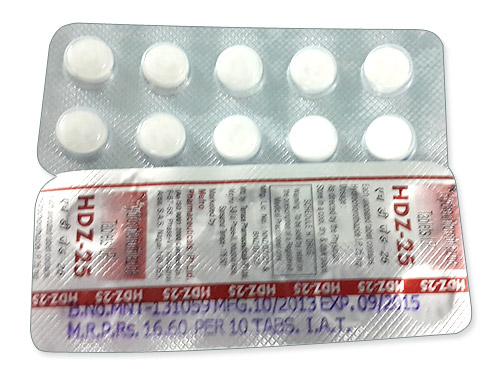
Hydrochlorothiazide
- Hydrochlorothiazide may be purchased from pharmacies in Canada, and in some settings it may be available without a prescription; however, it is a prescription-only medicine in most jurisdictions, including Canada, the USA, the EU, and India. Availability can vary by province, pharmacy policy, and whether it is supplied as a single-ingredient product or in combination products.
- Hydrochlorothiazide is used to treat high blood pressure, fluid retention (edema) due to heart, liver, or kidney conditions, and sometimes to help prevent calcium kidney stones. It is a thiazide diuretic that works by reducing sodium and water reabsorption in the kidneys, which lowers fluid volume and helps decrease blood pressure.
- The usual adult dose is 12.5–25 mg once daily for hypertension; 25–100 mg daily for edema, given once daily or in divided doses; and 25–50 mg daily for calcium stone prevention. Doses may be adjusted by a clinician based on response and tolerability.
- Hydrochlorothiazide is most commonly taken by mouth as a tablet, usually in 12.5 mg, 25 mg, or 50 mg strengths. It is also available less commonly as capsules, and rarely as compounded liquid or powder formulations.
- Hydrochlorothiazide usually starts working within about 2 hours after a dose, with the peak diuretic effect often seen around 4 hours. Blood pressure lowering may become more noticeable after several days to 2 weeks of regular use.
- The duration of action is typically about 6–12 hours, although the blood pressure-lowering effect may persist with continued daily use.
- Alcohol can increase dizziness, light-headedness, and the risk of low blood pressure or dehydration while taking hydrochlorothiazide, so it should be limited or avoided.
- The most common side effects include increased urination, dizziness, headache, fatigue, nausea, and electrolyte changes such as low potassium or low sodium. Some people may also develop photosensitivity or increased uric acid levels.
- Would you like to try hydrochlorothiazide without a prescription?
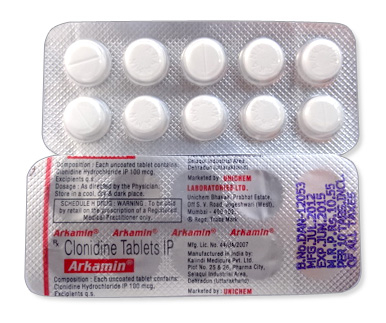
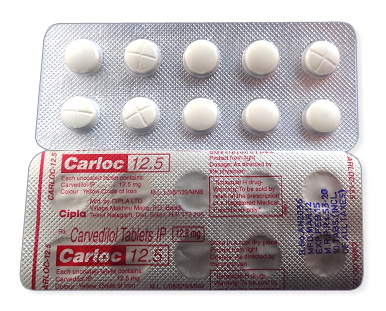
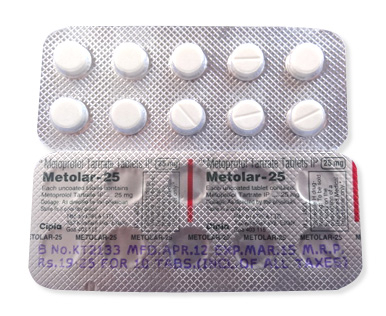
Basic Hydrochlorothiazide Information
- INN (International Nonproprietary Name): Hydrochlorothiazide
- Brand names available in Canada (English): Hydro-Diuril, Diuril, Accuretic
- ATC Code: C03AA03
- Forms & dosages: Tablet is most common, usually 12.5 mg, 25 mg, or 50 mg; capsule is less common; sachet or powder is rarely used
- Manufacturers in Canada (English): Teva, Apotex, Hikma, Aurobindo, Pfizer, Novartis, Sanofi, Jubilant Cadista
- Registration status in Canada (English): Prescription only medicine (Rx)
- OTC / Rx classification: Rx
Availability And Price Landscape In Canada
Canadians usually meet hydrochlorothiazide as a generic blood pressure medicine or as part of a combination tablet, not as a shelf item.
A prescription is normally required at a Canadian pharmacy, although dispensing rules and substitution practices can vary by province and by online pharmacy model.
Chains such as Shoppers Drug Mart, Rexall, Jean Coutu, and London Drugs are often compared with licensed online Canadian pharmacies because stock levels and generic suppliers are not the same everywhere.
Hydrochlorothiazide 25 mg is common, but specific strengths can move in and out of supply depending on the chain, province, and wholesaler.
Packaging commonly comes in blister packs of 10 to 30 tablets, while larger pharmacy or hospital stock bottles may hold much more.
When people cross-check Canadian pharmacy price against US pharmacy listings, the US number can look lower at first glance, but Canadian dispensing fees, provincial coverage, and generic manufacturer choice still affect the final amount.
| Buying Channel | Typical Price Factor | What To Watch For |
|---|---|---|
| In-store pharmacy | Dispensing fee plus local stock price | May vary by chain and province |
| Online Canadian pharmacy | Medication cost may look lower | Shipping, verification, and provincial rules still apply |
| US listing comparison | Often appears cheaper on screen | Not directly comparable to Canadian dispensing and coverage |
- Province and drug plan coverage.
- Generic manufacturer and wholesaler supply.
- Quantity dispensed.
- Insurance coverage and deductible.
- Combination products such as valsartan hydrochlorothiazide or quinapril hydrochlorothiazide.
Canadian Patient Insights And Satisfaction Levels
What do people actually say about hydrochlorothiazide in Canadian forums and community conversations?
Across Reddit Canada, HealthBoards, AskDocs, and local community health centre discussions, the same themes show up again and again.
Many users describe more frequent urination, a morning dosing routine, reduced swelling, and questions about electrolyte monitoring.
It is often described as a quiet water pill Canada relies on: effective, affordable, and not always noticeable unless side effects appear.
Patients also mention that generic availability keeps the blood pressure medicine reviews fairly positive, especially for long-term use.
Problems tend to come up when a person switches between manufacturers or moves from a single tablet to a combination product and the appearance changes.
- Once-daily use that fits a morning routine.
- Low cost compared with many branded options.
- Reduced ankle swelling and less fluid retention.
- Dizziness, bathroom frequency, or feeling “dry” if fluid intake is off.
- Confusion after a pharmacy substitution or manufacturer change.
What Canadians ask their pharmacist most often: “Why am I peeing so much?”, “Should I take it with breakfast?”, “Do I need lab work for potassium and sodium?”, and “Why did my tablet look different this month?”
These are anecdotal patient reviews Canada offers in real life, not clinical trial data, so they are useful for context but not for judging effectiveness on their own.
Product Overview And Brand Variants
Hydrochlorothiazide is the INN for a thiazide diuretic used widely in Canada and abroad.
Its ATC code is C03AA03, which places it in the plain thiazide diuretics group.
In Canadian practice, Hydro-Diuril, Diuril, and ACCURETIC are names patients may recognise, while generic tablets often come from suppliers such as Teva, Apotex, Aurobindo, Hikma, Pfizer, Novartis, or Sanofi depending on formulary and wholesaler contracts.
Most products are oral tablets, usually 12.5 mg, 25 mg, or 50 mg, and that strength range matters when patients compare a HCTZ tablet from one manufacturer with another.
- INN
- Hydrochlorothiazide.
- ATC code
- C03AA03.
- Common dosage forms
- Oral tablet, less commonly capsule, and rarely compounded powder for paediatric use.
| Variant | Canadian Relevance | Typical Form |
|---|---|---|
| Hydro-Diuril | Recognised brand name in Canada | Tablet |
| Diuril | Recognised brand name in Canada | Tablet |
| ACCURETIC | Combination product used in Canada | Tablet with quinapril |
Indications In Local Canadian Medical Practice
Why do Canadian clinicians prescribe hydrochlorothiazide so often?
The main reasons are hypertension, oedema related to heart, liver, or kidney conditions, and calcium stone prevention.
It is also frequently used in combination antihypertensives, which is where many Canadian pharmacy sales come from.
Coverage can depend on Ontario Drug Benefit, BC PharmaCare, and RAMQ, and the exact indication may influence how easily a patient gets it filled.
Standard adult dosing is usually straightforward, but the indication still matters because the dose is different for blood pressure, oedema, and nephrolithiasis.
| Indication | Typical Adult Dose | Canadian Prescribing Note |
|---|---|---|
| Hypertension | 12.5 to 25 mg daily | Common first-line or add-on use |
| Oedema | 25 to 100 mg daily or divided | Often used with a loop diuretic |
| Calcium stone prevention | 25 to 50 mg daily | May need lower maintenance dosing |
Specialist-driven use may happen in renal or cardiac care, but lab monitoring stays important.
How It Works In The Body
Patients usually want the simple version first: hydrochlorothiazide helps the kidneys get rid of extra salt and water.
That extra fluid loss can lower blood pressure and reduce swelling in the ankles, legs, or elsewhere.
At a clinical level, it acts in the distal convoluted tubule and increases sodium and water excretion, while affecting potassium and other electrolytes.
This is why people often notice more urination after a dose and may feel light-headed if they get dehydrated.
Morning dosing is often preferred because the diuretic effect is less likely to interrupt sleep.
Salt out → water follows → fluid decreases
That simple chain is the reason HCTZ can help with both blood pressure and fluid overload.
Dosage And Administration
The tablet strengths most commonly seen in Canada are 12.5 mg, 25 mg, and 50 mg, and the exact strength may vary by manufacturer or combination product.
For adults, hydrochlorothiazide dosing often starts at 12.5 to 25 mg daily for hypertension, 25 to 100 mg daily or divided for oedema, and 25 to 50 mg daily for calcium stones.
Children are usually dosed at 1 to 2 mg/kg/day in one or two divided doses, with a maximum of 37.5 mg per day.
Older adults are generally started low, often at 12.5 mg, because electrolyte imbalances happen more easily.
When eGFR is below 30 mL/min, effectiveness is questionable and it may not be the right choice.
Hepatic impairment needs caution because fluid and electrolyte changes can create more risk.
| Patient Group | Typical Dose | Key Point |
|---|---|---|
| Adults with hypertension | 12.5 to 25 mg daily | Often used long term |
| Adults with oedema | 25 to 100 mg daily or divided | May be an add-on to another diuretic |
| Children | 1 to 2 mg/kg/day | Maximum 37.5 mg/day |
| Older adults | Start at 12.5 mg | Increase slowly if needed |
- Missed dose: Take it when remembered unless the next dose is close; do not double up.
- Overdose: Seek urgent medical evaluation because dehydration, hypotension, and severe electrolyte imbalance can happen.
Province-specific formularies and combination tablets can change what gets dispensed, so the prescription label should always match the exact strength and product.
Contraindications And Side Effects
Safety questions matter most when a patient is already taking other medicines or has kidney, liver, or electrolyte problems.
Hydrochlorothiazide should not be used in people with hypersensitivity to hydrochlorothiazide or sulfonamide-derived drugs, anuria, severe renal or hepatic impairment, or refractory hyponatraemia or hypokalaemia.
Patients with diabetes, gout, moderate renal insufficiency, liver dysfunction, electrolyte disturbances, or concomitant digitalis or lithium also need careful monitoring.
| Common Effects | Serious Effects |
|---|---|
| Dizziness, headache, fatigue, increased urination, nausea, abdominal pain, photosensitivity rash, mild low potassium or sodium | Severe dehydration, marked hypotension, dangerous electrolyte imbalance, allergic reaction |
Get urgent help if confusion, fainting, severe weakness, trouble breathing, or a fast irregular heartbeat develops.
For many patients, the mild side effects settle with dose timing, hydration advice, and lab follow-up, but persistent symptoms should always be reviewed by a pharmacist or prescriber.
Comparable Medicines In Canada
When hydrochlorothiazide is not the best fit, Canadian prescribers may look at other diuretics or combination blood pressure tablets.
Chlorthalidone and indapamide are thiazide-type options, furosemide is used more for severe oedema, and amiloride or spironolactone may be chosen when potassium-sparing therapy is needed.
Combination products are very common, including valsartan hydrochlorothiazide, irbesartan hydrochlorothiazide, lisinopril hydrochlorothiazide, candesartan hydrochlorothiazide, telmisartan hydrochlorothiazide, and quinapril hydrochlorothiazide, with ACCURETIC being a familiar example.
| Medicine | When Used | Main Advantage | Monitoring Needs |
|---|---|---|---|
| Hydrochlorothiazide | Blood pressure, oedema, stones | Familiar and usually affordable | Electrolytes, kidney function |
| Chlorthalidone | Blood pressure control | Longer-acting | Electrolytes, blood pressure |
| Furosemide | More severe fluid overload | Stronger diuresis | Fluids, electrolytes, kidney function |
| Spironolactone | Combination therapy | Potassium-sparing effect | Potassium, kidney function |
- Pros: Low cost, familiar dosing, broad generic access.
- Cons: Electrolyte risk, more urination, and possible confusion during manufacturer switches.
Current Research And Trends
Recent hydrochlorothiazide research from 2022 to 2025 has focused less on new approval and more on how the medicine is used in day-to-day care.
Long-term blood pressure control, electrolyte monitoring, and comparative effectiveness versus chlorthalidone remain the main themes.
Generic combination products still shape a lot of Canadian demand, especially when prescribers want simpler regimens for hypertension.
Modern practice continues to stress lab follow-up in older adults and people with kidney issues, because the benefit is well established but the electrolyte risk never disappears.
2022 to 2025 trend line: steady use, formulary and supply shifts, more combination tablet prescribing, and continued focus on sodium and potassium monitoring.
Common Patient Questions In Canada
Can I take it in the evening? Morning is usually better because it can make you urinate more often.
Why am I peeing more? That is the expected diuretic effect, especially after the dose.
Is it covered by my drug plan? Coverage may differ under Ontario Drug Benefit, BC PharmaCare, and RAMQ.
Can I use it with my blood pressure combination tablet? Sometimes yes, but the exact combination and dose need to be checked first.
What if I travel or forget a dose? Take the missed dose when remembered unless the next dose is close, and do not double up.
Can I drink alcohol with it? Alcohol can worsen dizziness and dehydration, so caution is sensible.
Pharmacy substitution may occur depending on stock and generic availability, so the tablet shape or manufacturer name can change without the drug changing.
Regulatory Status In Canada
In Canada, hydrochlorothiazide is a prescription-only medicine and should have a valid DIN when it is sold as an authorised product.
That matters because Health Canada approval and the DIN system help identify legitimate generics and combination tablets.
Packaging, brand names, and availability can differ across provinces, but regulated Canadian products should carry the proper identification.
The medicine is widely approved internationally and is commonly sold as a generic as well as in combination forms.
- Health Canada
- The federal regulator that authorises medicines for sale in Canada.
- DIN
- Drug Identification Number used to identify approved products.
- Rx
- Prescription only.
- Generic drug
- A non-branded product with the same active ingredient.
- Combination product
- A tablet that includes hydrochlorothiazide with another medicine.
Visual Recommendations
Hydrochlorothiazide pages work better when shoppers can scan fast on mobile.
A simple dose-strength chart helps patients match the tablet on hand with the prescription label.
A brand-by-country mini map can help explain why Hydro-Diuril, Diuril, and ACCURETIC may appear in Canadian searches.
A monotherapy versus combination table makes it easier to compare hydrochlorothiazide tablets with fixed-dose blood pressure products.
A side-effect infographic also helps people understand when common urination is expected and when a warning sign matters.
Including a product box image is useful when permitted, especially for people checking the DIN and the exact strength.
- Dose-strength chart.
- Brand-by-country mini map.
- Monotherapy versus combination comparison table.
- Side-effect infographic.
- Storage reminder for Canadian weather and moisture.
Buying And Storage Advice
Before buying hydrochlorothiazide in Canada, check the DIN, match the exact strength, and confirm whether the product is monotherapy or a combination tablet.
That step matters because in-store and online prices can differ once insurance, provincial coverage, and dispensing fees are added.
Many shoppers compare Shoppers Drug Mart, Rexall, Jean Coutu, and London Drugs with licensed online Canadian pharmacies, and cross-border US pricing can look tempting but may create issues with dispensing, substitution, or import rules.
In our online pharmacy, hydrochlorothiazide is available without a prescription, with discreet delivery to Canada in 5-14 days.
For storage, keep it at 15 to 30°C, in the original container, protected from moisture and excessive heat.
Canadian weather matters too, because winter freezing in a car and summer heat in a glove box can both be a problem, and bathrooms are often too humid for long-term storage.
| Do | Don't |
|---|---|
| Check the DIN and tablet strength. | Do not assume every 25 mg tablet is interchangeable without checking the label. |
| Store in the original package. | Do not leave it in a hot car or damp bathroom. |
| Compare shipping, fees, and coverage. | Do not rely on a US listing as a direct Canadian price quote. |
Guidelines For Proper Use
How should hydrochlorothiazide be taken day to day?
Most people do best with a morning dose taken consistently at the same time.
Hydration still matters, but overdoing fluids is not the goal; the aim is to avoid dehydration while the medicine does its job.
Blood pressure should be monitored, and electrolytes such as sodium and potassium should be checked when the prescriber recommends it.
Patients with diabetes, gout, kidney disease, or those taking lithium or digitalis need extra caution because the risk profile changes.
Hydrochlorothiazide is often a long-term medicine, so it should be reassessed periodically rather than stopped casually when symptoms improve.
- Do: Take it in the morning, follow lab work, watch for cramps or weakness, and lower sodium intake if advised.
- Do: Report severe dizziness, confusion, or unusual fatigue promptly.
- Don't: Double up after a missed dose.
- Don't: Stop it on your own if your blood pressure looks better for a few days.
| What To Watch For | When To Contact A Clinician |
|---|---|
| Muscle cramps, weakness, thirst, dizziness | Same day if persistent or worsening |
| Confusion, fainting, severe vomiting | Urgent assessment |
| Routine blood pressure and electrolytes | At scheduled follow-up |
Delivery Across Canada (English)
| City | Region | Delivery time |
|---|---|---|
| Toronto | Ontario | 5-7 days |
| Ottawa | Ontario | 5-7 days |
| Hamilton | Ontario | 5-7 days |
| Montreal | Quebec | 5-7 days |
| Quebec City | Quebec | 5-7 days |
| Vancouver | British Columbia | 5-7 days |
| Victoria | British Columbia | 5-7 days |
| Calgary | Alberta | 5-7 days |
| Edmonton | Alberta | 5-7 days |
| Winnipeg | Manitoba | 5-7 days |
| Saskatoon | Saskatchewan | 5-9 days |
| Regina | Saskatchewan | 5-9 days |
| Halifax | Nova Scotia | 5-7 days |
| St. John's | Newfoundland and Labrador | 5-9 days |