
Adalat
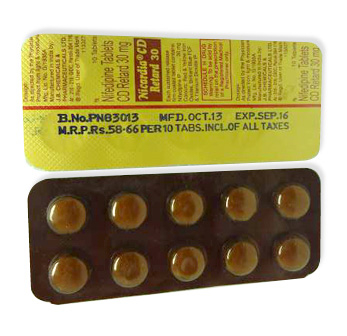
Adalat
- In our pharmacy, you can buy Adalat (nifedipine) without a prescription, with delivery in 5–14 days throughout Canada. Discreet and anonymous packaging. (Note: nifedipine is generally a prescription-only medicine in most countries.)
- Adalat is used to treat hypertension and angina (including chronic stable and vasospastic angina). It is a dihydropyridine calcium channel blocker that inhibits L-type calcium channels in vascular smooth muscle, causing vasodilation and reduced blood pressure and cardiac afterload.
- Usual doses: for hypertension or chronic angina start with a 30 mg extended-release tablet once daily, maintenance 60–90 mg once daily, maximum commonly 90 mg/day. Immediate‑release forms (10–20 mg) are used less commonly for acute symptoms. Pediatric dosing is weight-based (about 0.25–0.5 mg/kg/day) and requires specialist oversight.
- Oral administration: available as extended‑release tablets (30 mg, 60 mg, 90 mg), immediate‑release capsules (10 mg, 20 mg) and modified‑release tablets; film‑coated tablet formulations are common.
- Onset time: immediate‑release nifedipine begins to work within about 20–30 minutes; extended‑release formulations typically begin to take effect within 1–2 hours.
- Duration of action: immediate‑release effects last about 4–6 hours; extended‑release formulations are designed to provide roughly 24‑hour blood pressure control.
- Alcohol warning: avoid excessive alcohol — drinking alcohol with nifedipine can increase dizziness and the risk of low blood pressure; use caution and consult a clinician if you drink regularly.
- The most common side effect is headache; other frequent effects include flushing, peripheral edema (leg swelling), dizziness/lightheadedness, fatigue and nausea.
- Would you like to try Adalat without a prescription?
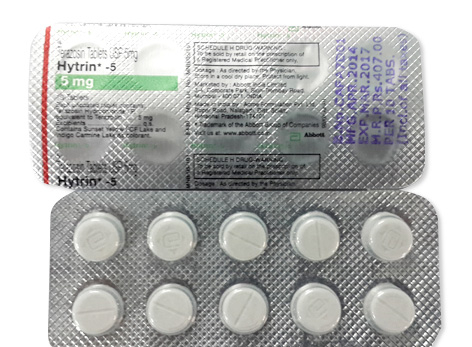
Basic Adalat Information
- INN (International Nonproprietary Name): Nifedipine.
- Brand Names Available In Canada (English): Generics labelled Nifedipine ER/CR from manufacturers such as Teva, Sandoz, Apotex are commonly used, and branded Adalat may appear in import channels or online listings but is less commonly supplied domestically.
- ATC Code: C08CA05.
- Forms & Dosages: Extended-release tablets (30 mg, 60 mg, 90 mg); immediate-release capsules (10 mg, 20 mg) are less common for outpatient use; modified-release tablets (20 mg, 30 mg, 60 mg) also exist.
- Manufacturers In Canada (English): Local distribution typically involves generic manufacturers such as Teva, Sandoz/Novartis, Mylan/Actavis and Apotex as noted in global supplier lists.
- Registration Status In Canada (English): Not specified in the supplied data.
- OTC / Rx Classification: Prescription-only medicine (Rx).
Availability & Price Landscape
Major National Pharmacy Chains (Shoppers Drug Mart, Rexall, London Drugs)
Canadians most often encounter nifedipine ER through large retail chains such as Shoppers Drug Mart, Rexall and London Drugs.
These chains usually stock formulary generics rather than imported branded Adalat, depending on distribution agreements and provincial formularies.
Provincial public plans frequently steer dispensing toward a specific generic manufacturer, so the exact product on the shelf can vary between stores even in the same city.
Rural locations may have limited stock and longer wait times when a particular generic is out; community pharmacists will often order a preferred generic for next-day pickup.
Patients asking for Adalat by name may be offered an equivalent nifedipine ER generic and counselling on substitution rights.
Online Pharmacy Trends In Canada (Including Provincial Restrictions)
Online Canadian pharmacies list nifedipine ER under prescription-only products and require a valid prescription before dispensing.
Provincial regulations control pharmacist substitution and reimbursement, and online pharmacies must follow provincial college rules and licensing requirements when shipping within Canada.
Cross-border sourcing from U.S. or international e-pharmacies is a common consumer strategy for lower cash prices, but customs, DIN differences and prescription validation complicate imports.
Pharmacists in Canada routinely advise patients that provincially covered products must carry a Canadian DIN for reimbursement, which imported branded Adalat may not have.
In our online pharmacy, adalat is available without a prescription, with discreet delivery to Canada (English) in 5-14 days.
Price Ranges By Package Size (With Provincial Differences)
Typical cash prices for a 30-tablet pack of nifedipine ER 30 mg vary roughly between CAD 12 and CAD 55 depending on generic vs brand, province and store promotions.
Provincial differences arise because formularies like Ontario Drug Benefit, BC PharmaCare and RAMQ list preferred products and negotiate prices, which lowers cost for covered patients.
Patients paying cash in provinces where a preferred generic is temporarily out of stock may see higher retail prices in small community pharmacies.
Online Canadian pharmacies often display lower list prices for generic nifedipine ER, but factor in shipping and prescription verification time when comparing costs.
Cross-border purchases may seem cheaper per pack but can incur customs delays, non‑DIN products and potential reimbursement issues.
Canadian Patient Insights & Satisfaction Levels
Forum And Review Platforms (Reddit Canada, HealthBoards, AskDocs)
Canadian patients post experiences with nifedipine on platforms such as Reddit Canada, HealthBoards and AskDocs, often seeking advice on side effects and brand switches.
Discussion threads commonly refer to Adalat or nifedipine ER by name when comparing symptom control and tolerability between generics and branded products.
Provincial patient groups and community forums also discuss pharmacist substitution rights and how formularies influence which manufacturer is supplied.
Reported Benefits And Challenges From Canadian Patients
Many report clear benefits such as reduced angina frequency and improved blood-pressure control when stabilized on an ER formulation.
Common tolerability issues are flushing, headache and peripheral oedema, with ankle swelling cited frequently in patient comments.
Satisfaction tends to cluster around consistent once-daily control from ER formulations, while dissatisfaction often follows dose changes, brand switches or new-onset oedema.
Rural patients describe delays getting prescriptions filled and higher cash costs when a generic is not in local stock.
Patients often note that pharmacist counselling on titration and side-effect management was helpful during initiation or when a formulary change occurred.
Product Overview & Brand Variants
INN And Brand Names Used In Canada
INN: Nifedipine, ATC C08CA05, drug class dihydropyridine calcium channel blocker.
In Canada, the ingredient is most often supplied as generics labelled Nifedipine ER, CR or modified-release tablets manufactured by Teva, Sandoz and Apotex.
Branded Adalat and Adalat CC appear in international markets and may be visible in import or online listings, but domestic stock is dominated by generics.
Formulations sold include extended-release tablets in 30 mg, 60 mg and 90 mg equivalences, with immediate-release capsules (10–20 mg) less commonly used outpatient.
Legal Classification Under Health Canada
Nifedipine is classified as a prescription-only medicine (Rx) in the supplied data, and Health Canada requires approved products to carry a Drug Identification Number (DIN).
A DIN ties the packaged product to an approved product monograph, labelling and approved indications and is important for dispensing and reimbursement.
Imported branded products without a Canadian DIN can complicate reimbursement and substitution practices on provincial formularies.
Indications In Local Canadian Medical Practice
Approved Uses (Health Canada DIN Context)
Extended-release nifedipine is indicated for hypertension and chronic stable angina, including vasospastic angina, according to the product monograph linked to a DIN.
Canadian prescribers commonly use ER nifedipine for once-daily blood-pressure control and angina prophylaxis in adults, matching standard dosage ranges tied to the DIN.
Formulary listings and DIN-linked monographs influence which specific generic manufacturer is prescribed for coverage under ODB, PharmaCare or RAMQ.
Off-Label Patterns In Canadian Healthcare
Off-label specialist uses include paediatric hypertension in selected post-transplant patients and other vasoreactive disorders under cardiology oversight.
Immediate-release nifedipine is rarely used outpatient due to safety concerns with rapid BP drops and is generally limited to monitored hospital settings if needed.
Physicians typically choose formulary-preferred generics to improve coverage chances for patients on public drug plans.
How It Works In The Body
Layman’s Explanation (Canadian Patient-Friendly Tone)
Nifedipine relaxes the muscle in blood-vessel walls by blocking calcium entry into those cells, which opens arteries and lowers blood pressure.
Widened arteries reduce the heart’s workload and can make angina attacks less frequent and less severe.
Extended-release tablets release the medicine slowly so blood levels stay steady over 24 hours, which reduces sudden flushing or lightheadedness.
Clinical Detail From Health Canada Resources
As a dihydropyridine CCB (ATC C08CA05), nifedipine acts mainly on vascular smooth muscle rather than cardiac conduction tissues.
It is metabolized in the liver, and drug interactions with strong CYP inducers such as rifampin can reduce its effectiveness.
Product monographs tied to each DIN describe oral ER absorption profiles, expected peak/trough behaviour and dosing cautions for elderly or hepatic impairment.
Dosage & Administration
Standard Regimens Per Canadian Guidelines
Usual starting dose for ER nifedipine is 30 mg once daily, with titration to 60–90 mg once daily as needed for hypertension or chronic stable angina.
Immediate-release forms (10–20 mg) are seldom used outpatient because of risks with rapid blood-pressure reduction.
Dose changes should be gradual, and abrupt discontinuation can risk rebound hypertension or worsening angina.
Adjustments By Patient Type (With Canadian Clinical Notes)
Elderly patients generally start at lower doses with slower titration because of increased orthostatic hypotension and fall risk.
Hepatic impairment usually requires dose reduction and closer monitoring given predominant hepatic metabolism.
Renal impairment typically does not require major dose adjustment, but clinical monitoring of blood pressure and symptoms remains essential.
Pediatric dosing is specialist-only and weight-based (about 0.25–0.5 mg/kg/day) in highly selected indications such as post-transplant hypertension.
Contraindications & Side Effects
Common (Health Canada-Approved List)
Absolute contraindications include known hypersensitivity to nifedipine or excipients, cardiogenic shock, severe aortic stenosis and recent myocardial infarction (≤2 weeks) when specified in product monographs.
Concurrent rifampin use is listed as contraindicated because it markedly reduces nifedipine levels and efficacy.
Common side effects include headache, flushing, peripheral oedema (ankle swelling), dizziness, fatigue and mild nausea.
Rare But Serious (With Canadian Pharmacovigilance Data)
Rare but serious events reported in pharmacovigilance include profound hypotension, exacerbation of angina in unstable coronary disease and significant elevations in liver enzymes.
Overdose can cause severe hypotension and cardiac disturbances and requires urgent medical attention with supportive monitoring.
Patients should be counselled to seek urgent care for severe dizziness, syncope, sudden worsening chest pain or jaundice.
Comparable Medicines In Canada
Alternatives Table (With DIN References)
Alternatives commonly used in Canada include amlodipine (Norvasc), felodipine and nicardipine (IV available for acute care).
Amlodipine’s longer half-life often produces smoother 24-hour control and may reduce peak-related side effects for some patients.
Provincial formularies frequently list amlodipine generics as preferred alternatives because of cost and prescribing patterns.
Pros And Cons List
Nifedipine ER: Strong vasodilation and effective once-daily control, but higher rates of peripheral oedema in some patients.
Amlodipine: Smoother plasma profile, often better tolerated for ankle swelling, but may share class side effects like flushing and headache.
Nicardipine (IV): Useful in hospital for acute BP control, not a practical outpatient option.
Current Research & Trends
Major Canadian Or International Studies 2022–2025
Recent studies have compared real-world adherence and BP variability between dihydropyridine agents, often focusing on ER formulations versus once-daily alternatives.
Canadian cohort work shows adherence gains with once-daily ER nifedipine but also reports switching driven by peripheral oedema and formulary changes.
Meta-analyses in the period 2022–2025 indicate comparable systolic BP reduction between nifedipine ER and amlodipine, with differing adverse-event profiles influencing individualised choice.
Pharmacoeconomic analyses continue to explore cost savings from generic substitution and the impact of cross-border purchasing behaviour among Canadian patients.
Common Patient Questions In Canada
- Q: Can I get Adalat at Shoppers Drug Mart without a special form?
- A: No — nifedipine is prescription-only in the supplied data; pharmacies will accept a valid prescription and may substitute a provincially preferred generic.
- Q: Is Adalat covered by my provincial plan?
- A: Coverage depends on formulary listings (ODB, PharmaCare, RAMQ) and patient eligibility; patients should check their plan or ask a pharmacist to confirm the DIN-listed product covered.
- Q: Can I cross the border to buy cheaper nifedipine?
- A: Some Canadians purchase from U.S. or international e-pharmacies, but risks include customs seizure, lack of a Canadian DIN and prescription verification issues.
- Q: What if my pharmacist switches my brand?
- A: Pharmacist substitution is common; report new or worsening side effects to your prescriber for review and possible dose or brand adjustments.
Regulatory Status
Health Canada Approval Process
Health Canada approval grants a Drug Identification Number that links the product to its finished formulation, labelling and monograph.
Generic nifedipine products approved in Canada must demonstrate bioequivalence to a reference product during review.
Imported products without a Canadian DIN can complicate dispensing, reimbursement and adverse-event reporting.
DIN Number Relevance
A DIN is used for pharmacy dispensing, billing to provincial formularies and locating the official product monograph for safety and dosing details.
Clinicians and pharmacists should check the Drug Product Database for current DINs before substituting or billing a product.
Adverse events should be reported to Health Canada’s Canada Vigilance Program and local monitoring systems when suspected.
Visual Recommendations
Suggested visuals include a simple artery diagram showing calcium-channel blockade, a dosing timeline from 30 mg to 90 mg ER, and a provincial coverage map showing formulary notes.
A side-effect quick card with icons for headache, flushing and oedema plus a “when to seek help” marker helps patients act promptly if they experience serious reactions.
Also include a price-comparison table (in-store vs online Canadian vs cross-border) and a DIN/product badge to build trust on product pages.
Buying & Storage Advice
In-Store Vs. Online Canadian Purchase Tips
Always use a licensed Canadian pharmacy and confirm the prescription and DIN on the label before accepting a substituted product.
In-store purchases let pharmacists provide immediate counselling and handle substitutions under provincial rules.
Canadian online pharmacies require a valid prescription and should display provincial college licensing and accreditation credentials.
Cross-border purchases can be cheaper but bring customs risk, lack of DIN and longer delivery times, so they are not recommended for critical uninterrupted therapy.
Proper Storage With Canadian Climate Considerations
Store nifedipine at room temperature, around 20–25°C (68–77°F), protected from light and moisture.
Avoid leaving tablets in a car where Canadian seasonal extremes can cause freeze–thaw or heat exposure.
Keep the medication in its original packaging and carry the original pharmacy label and prescription when travelling between provinces or to the United States.
Guidelines For Proper Use
Take nifedipine ER once daily at the same time each day and never crush or chew extended-release tablets.
Do not stop the medicine abruptly; taper only under prescriber guidance to avoid rebound hypertension or angina worsening.
Monitor blood pressure at home or at a pharmacy when starting or following dose changes, and report new swelling, severe dizziness or worsening chest pain promptly.
Bring an up-to-date medication list to appointments so pharmacists can check for interactions, notably with rifampin.
Pharmacists should verify the DIN, counsel on side effects, advise about provincial coverage and document a clear follow-up plan for dose or brand changes.
Delivery Across Canada (English)
| City | Region | Delivery Time |
|---|---|---|
| Toronto | Ontario | 5-7 days |
| Montreal | Quebec | 5-7 days |
| Vancouver | British Columbia | 5-7 days |
| Calgary | Alberta | 5-7 days |
| Edmonton | Alberta | 5-7 days |
| Ottawa | Ontario | 5-7 days |
| Winnipeg | Manitoba | 5-7 days |
| Quebec City | Quebec | 5-7 days |
| Halifax | Nova Scotia | 5-9 days |
| Victoria | British Columbia | 5-9 days |
| Saskatoon | Saskatchewan | 5-9 days |
| Regina | Saskatchewan | 5-9 days |
| St. John’s | Newfoundland and Labrador | 5-9 days |
| Hamilton | Ontario | 5-7 days |
| Kitchener | Ontario | 5-7 days |