
Altace
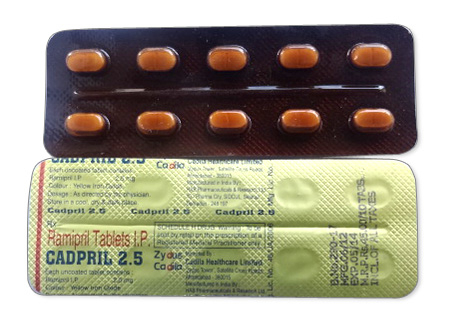
Altace
- In our pharmacy, you can buy altace without a prescription, with delivery available across Canada in 5–14 days and discreet packaging; note that ramipril (Altace) is officially prescription-only in most countries and should be used under medical advice.
- Altace (ramipril) is used for hypertension, heart failure (including after myocardial infarction), risk reduction in high‑risk cardiovascular patients (HOPE trial), and diabetic nephropathy; it is an ACE inhibitor prodrug converted to ramiprilat, which inhibits angiotensin‑converting enzyme, reducing angiotensin II formation, lowering vasoconstriction and aldosterone, and decreasing blood pressure and cardiac workload.
- Usual dosages: hypertension — start 2.5 mg once daily, maintenance 2.5–10 mg once daily (or divided); chronic heart failure/post‑MI — often 2.5 mg twice daily titrated to 5 mg twice daily as tolerated; HOPE/risk reduction — titrate up to 10 mg once daily; adjust lower in elderly or renal impairment.
- Oral administration as capsules or tablets (commonly 1.25 mg, 2.5 mg, 5 mg, 10 mg); oral solutions are rare and used mainly for paediatric/compounding in certain markets.
- Onset: blood‑pressure lowering begins within about 1 hour after an oral dose, with peak effect typically within 3–6 hours.
- Duration of action: antihypertensive effect lasts about 24 hours for once‑daily dosing (some regimens use twice‑daily dosing for heart‑failure management).
- Alcohol warning: avoid excessive alcohol — drinking can increase the risk of symptomatic hypotension, dizziness and fainting when taking altace; use alcohol with caution.
- The most common side effect is a persistent dry cough; other frequent effects include dizziness, fatigue, headache and gastrointestinal upset.
- Would you like to try altace without a prescription?
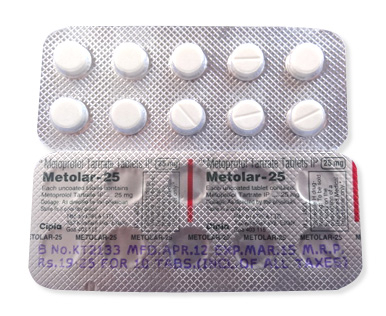
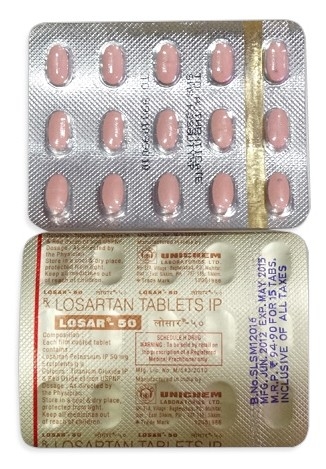
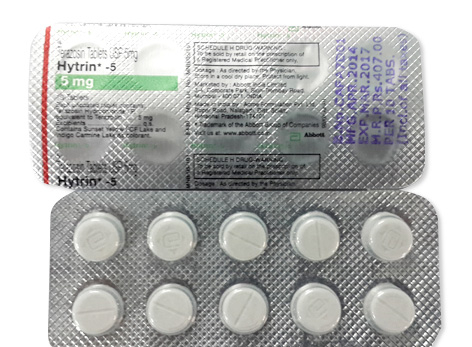
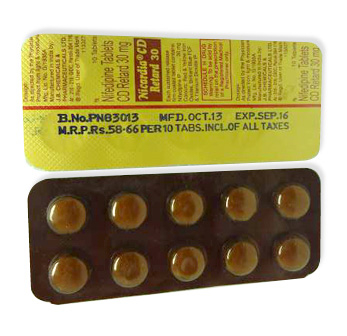
Basic Altace Information
- INN (International Nonproprietary Name): Ramipril (also ramiprilum in some European references)
- Brand Names Available In Canada (English): Altace (Pfizer) — capsules: 1.25 mg, 2.5 mg, 5 mg, 10 mg; multiple generics available from manufacturers such as Teva and Apotex
- ATC Code: C09AA05 (Group C: Cardiovascular system; Subgroup 09: Agents acting on the renin-angiotensin system; A: ACE inhibitors, plain; 05: Ramipril)
- Forms & Dosages: Capsules and tablets in 1.25 mg, 2.5 mg, 5 mg and 10 mg; solutions for compounding/pediatric use are rare
- Manufacturers In Canada (English): Pfizer (Altace) and multiple generics (examples: Teva, Apotex)
- Registration Status In Canada (English): Registered and marketed under Altace and generics; prescription product with Health Canada regulatory oversight
- OTC / Rx Classification: Prescription-only (Rx) in Canada and other major markets
Availability & Price Landscape
Where do Canadians find Altace and generic ramipril near home?
Major national pharmacy chains such as Shoppers Drug Mart, Rexall and London Drugs stock Altace and generic ramipril routinely.
Quebec shoppers often see Altace and generics at Jean Coutu locations in that province.
London Drugs carries stock regionally across Western Canada where it operates stores.
Online pharmacy trends in Canada include e-commerce ordering with options for in-store pickup or home delivery.
Provincial dispensing rules apply: pharmacies must follow provincial regulations when filling prescriptions and when shipping prescription medications across provincial lines.
Private drug plan requirements and provincial formularies such as Ontario Drug Benefit, BC PharmaCare and RAMQ influence whether brand or generic is dispensed and how much patients pay out of pocket.
Some provinces place limits on certain mail-outs or require additional checks for specific product types, so delivery options and timelines can vary.
Price ranges depend on manufacturer, pack size and provincial pricing differences.
Typical 30‑day supplies for generics commonly range from about CAD $8 to $40, depending on manufacturer and retail vs. online source.
Brand Altace retail pricing can be higher, commonly in the range of CAD $25 to $90 for a 30‑day supply depending on strength and province.
Longer supplies (60–90 days) generally increase total cost but lower per‑tablet price; provincial formularies and negotiated generic pricing also affect retail out‑of‑pocket amounts.
Some Canadians consider cross‑border ordering from US online pharmacies for lower list prices, but importation remains a legal grey area and may affect safety and reimbursement.
Checklist for shoppers comparing retail vs. online: confirm the DIN, check manufacturer, review provincial formulary rules, and verify shipping temperature controls where needed.
Major National Pharmacy Chains (Shoppers Drug Mart, Rexall, London Drugs)
Shoppers Drug Mart and Rexall are widely used for prescription fill, counselling and in‑store blood pressure checks.
London Drugs serves Western provinces and provides pharmacy services plus home delivery options where available.
Jean Coutu is a common chain in Quebec and often noted for brand availability and local dispensing practices.
Online Pharmacy Trends In Canada (Including Provincial Restrictions)
Licensed Canadian online pharmacies offer verified pharmacists and options for pickup or discreet home delivery across provinces.
Provincial regulators require licensed pharmacies to comply with local dispensing rules even when shipping to another province.
Some products or compounded preparations have additional shipping restrictions, and private plans may refuse reimbursement for imported products without a Canadian DIN.
Price Ranges By Package Size (With Provincial Differences)
Expect generics to be the lowest‑cost option for 30‑day supplies, frequently CAD $8–$40 depending on strength and vendor.
Brand Altace commonly lists higher, roughly CAD $25–$90 for a 30‑day supply depending on province and pharmacy pricing.
Provincial formularies and price regulations can make the same product cost quite different between provinces.
Canadian Patient Insights & Satisfaction Levels
What do real Canadian patients say about Altace and ramipril?
Online forums like Reddit Canada, HealthBoards and province‑specific patient groups host active discussions about ramipril experiences.
Many users report good blood‑pressure control with once‑daily dosing at doses between 2.5 mg and 10 mg.
Dry cough is the most commonly mentioned complaint across Canadian posts, consistent with ACE inhibitor class effects.
Several patients report switching between brand Altace and generics without noticeable therapeutic change, but some note concern when pill colour or shape changes after substitution.
Ontario and BC users commonly discuss formulary switches that require pharmacy or prescriber consultations.
Quebec discussion often highlights Jean Coutu availability and sometimes a preference for brand names there.
Common practical challenges reported include initial dizziness on starting therapy and cough development prompting a switch to an ARB.
Peer tips include carrying a dose card, measuring blood pressure at community pharmacies, and asking pharmacists about the DIN and manufacturer when substitution is a concern.
- Common Patient‑Reported Side Effects: dry cough, dizziness, fatigue, headache.
- Coping Strategies: start at a low dose, rise slowly from sitting, monitor BP regularly and report persistent cough.
- Questions To Ask Your Pharmacist: What is the DIN and manufacturer? Is this covered by my provincial plan? What monitoring is recommended?
Forum And Review Platforms (Reddit Canada, HealthBoards, AskDocs)
r/CanadaHealth and provincial subreddits include practical posts about blood‑pressure readings and medication switches.
HealthBoards and other medical forums contain longer narratives about side effects and long‑term tolerability.
Reported Benefits And Challenges From Canadian Patients
Benefits frequently reported: effective blood pressure lowering and ease of once‑daily dosing.
Challenges frequently reported: ACE‑inhibitor cough, early hypotension, and rarely angioedema anecdotes requiring urgent care.
Product Overview & Brand Variants
How to recognise Altace and its generics when shopping in Canada.
INN is ramipril, sometimes referenced as ramiprilum in European materials.
Primary Canadian brand is Altace (Pfizer) and common generics are supplied by Teva and Apotex among others.
Available strengths are 1.25 mg, 2.5 mg, 5 mg and 10 mg in capsule or tablet form.
ATC code C09AA05 places ramipril among ACE inhibitors acting on the renin‑angiotensin system.
Products sold in Canada must carry a Drug Identification Number (DIN) for legal dispensing and insurer claims.
Packaging commonly comes as bottles or blister packs; imported brands such as Tritace or Delix may appear for travellers but require a Canadian DIN to be used in Canadian dispensing systems.
- Visual Aids For Shoppers: product shots comparing Altace packaging and common generic bottles help identify authentic stock.
- DIN/Brand Comparison: compare the DIN printed on packaging to pharmacy records to confirm proper product and reimbursement eligibility.
INN And Brand Names Used In Canada
Ramipril is marketed as Altace in Canada with generics from several manufacturers like Teva and Apotex.
Legal Classification Under Health Canada
Ramipril products are prescription‑only (Rx) and must be approved by Health Canada with a DIN for market entry.
Indications In Local Canadian Medical Practice
When do Canadian clinicians prescribe ramipril and how is it used locally?
Health Canada‑approved uses include treatment of hypertension, management of heart failure, reduction of cardiovascular risk in high‑risk adults and post‑myocardial infarction therapy where appropriate.
Typical starting doses follow standard regimens such as initiating hypertension therapy at 2.5 mg once daily with titration up to 2.5–10 mg daily.
For heart failure after MI, dosing often starts at 2.5 mg twice daily with cautious titration to 5 mg twice daily as tolerated.
Off‑label but guideline‑aligned uses in Canadian practice include treatment to reduce proteinuria in diabetic nephropathy when appropriate under specialist oversight.
Pharmacies should flag pregnancy contraindication and common drug interactions associated with the ACE inhibitor class.
- Approved Indication: Hypertension, heart failure, post‑MI care and cardiovascular risk reduction per product monograph.
- DIN Relevance: DIN ties indication listing to provincial formulary entries and reimbursement rules.
- Off‑Label Scenarios: diabetic nephropathy and select specialist‑directed regimens.
Approved Uses (Health Canada DIN Context)
Product monographs list approved uses and these are the basis for formulary listings and DIN‑based reimbursement.
Off‑Label Patterns In Canadian Healthcare
Off‑label use is usually specialist‑driven and may include nephroprotection in diabetic patients where evidence supports benefit.
How It Works In The Body
Want a simple explanation of what ramipril does?
Ramipril is a prodrug that the body converts to ramiprilat, its active form.
It blocks the angiotensin‑converting enzyme (ACE), which lowers angiotensin II levels and causes blood vessels to relax.
Relaxed vessels reduce blood pressure and ease the heart's workload, which over time lowers the risk of heart attack or stroke in high‑risk adults.
Health Canada monographs describe the pharmacology, activation to ramiprilat, onset and half‑life as well as class warnings such as cough and angioedema.
- Definitions: prodrug — inactive form converted in the body to an active metabolite.
- Definitions: ACE — enzyme that makes angiotensin II; angiotensin II — a molecule that narrows blood vessels.
Layman’s Explanation (Canadian Patient‑Friendly Tone)
Think of ramipril as a medication that keeps the body from tightening blood vessels so blood flows easier and the heart does less work.
Clinical Detail From Health Canada Resources
Product labeling confirms prodrug activation, expected physiological effect and monitoring recommendations aligned with ACE inhibitor class warnings.
Dosage & Administration
How should patients take ramipril and what monitoring matters?
For adult hypertension, a common starting dose is 2.5 mg once daily with titration up to 2.5–10 mg once daily or in two divided doses as required.
Heart failure post‑MI regimens frequently start at 2.5 mg twice daily and increase cautiously to 5 mg twice daily when tolerated.
HOPE‑style risk‑reduction regimens typically escalate from 2.5 mg to 10 mg once daily as tolerated.
Elderly patients generally start at the lower end of dosing due to increased hypotension risk.
Renal impairment requires careful adjustment: moderate impairment often warrants a 1.25 mg starting dose and slow titration; severe impairment (CrCl <30 mL/min) calls for caution and close monitoring.
Hepatic impairment may also require a reduced initial dose.
- Starting‑Dose Checklist: confirm indication, baseline BP, baseline creatinine and potassium, and avoid concurrent contraindicated drugs.
- Titration Schedule: increase dose only after assessing BP and tolerance, usually at intervals of 1–2 weeks.
- Monitoring Cadence: check BP and basic metabolic panel (creatinine, potassium) within 1–2 weeks of starting or after major dose changes.
Standard Regimens Per Canadian Guidelines
For hypertension, start low and titrate to the effective maintenance dose while monitoring blood pressure and kidney function.
Adjustments By Patient Type (With Canadian Clinical Notes)
Elderly and renally impaired patients need lower starting doses and closer follow‑up to reduce hypotension and renal complications.
Contraindications & Side Effects
Which patients should not take ramipril and what symptoms require urgent care?
Absolute contraindications include a history of angioedema related to ACE inhibitors, concurrent use with sacubitril/valsartan within 36 hours, known allergy to ramipril and pregnancy; discontinue immediately if pregnancy is detected.
Relative cautions include severe renal or hepatic impairment, hyperkalemia risk, bilateral renal artery stenosis and concurrent use of aliskiren in diabetics.
Common side effects include dry cough (approximately 5–15%), dizziness especially at initiation, fatigue, headache and occasional gastrointestinal upset.
Rare but serious adverse events reported in pharmacovigilance include angioedema and severe hypotension; both require immediate emergency attention.
- Red‑Flag Symptoms: swelling of face, lips or throat, sudden difficulty breathing, fainting or severe lightheadedness.
- Pharmacist Counselling Points: advise patients about cough risk, orthostatic precautions on first doses and when to seek urgent care.
Common (Health Canada‑Approved List)
Dry cough and dizziness are the most frequently reported and are well documented in product monographs.
Rare But Serious (With Canadian Pharmacovigilance Data)
Angioedema and severe hypotension are uncommon but serious and require immediate emergency intervention.
Comparable Medicines In Canada
Looking for alternatives to ramipril? Here is how other ACE inhibitors stack up.
| Alternative | Common Brand | Typical Dose | Notes |
|---|---|---|---|
| Enalapril | Vasotec | 5–20 mg daily (divided) | Well‑established ACE inhibitor alternative. |
| Lisinopril | Prinivil / Zestril | 5–40 mg once daily | Once‑daily dosing preferred by some patients. |
| Perindopril | Coversyl | 2–8 mg once daily | Another ACE inhibitor with similar indications. |
| Captopril | Capoten | 25–150 mg daily (divided) | Shorter acting; requires multiple daily dosing in many cases. |
| Trandolapril | Mavik | 1–4 mg once daily | Longer acting ACE inhibitor option. |
- Pros Of Ramipril: strong HOPE study evidence for cardiovascular risk reduction and flexible dosing options.
- Cons Of Ramipril: ACE inhibitor cough may prompt switch to an ARB; contraindicated in pregnancy.
- When To Consider Alternatives: persistent cough or angioedema history — consider ARBs such as losartan under prescriber advice.
Alternatives Table (With DIN References)
Pharmacy product pages should include DINs for specific brands and generics to aid claims and verify therapeutically equivalent products.
Pros And Cons List
Each comparator offers a slightly different dosing pattern, tolerability profile and formulary position in various provinces.
Current Research & Trends
What has the literature shown recently about ACE inhibitors and ramipril specifically?
Recent work from 2022–2025 continues to emphasise ACE inhibitors' role in cardio‑renal protection and examines tolerability compared with ARBs in real‑world cohorts.
HOPE remains ramipril's landmark trial supporting cardiovascular risk reduction in high‑risk adults and continues to influence guideline recommendations.
Newer analyses focus on outcomes in older adults, patients with chronic kidney disease and people with diabetes, and on adherence patterns in routine care.
Pharmacists should watch guideline updates that balance ACE inhibitor benefits with tolerability considerations and advise monitoring intervals accordingly.
For product pages, summarise key findings and practical implications for Canadian prescribing including renal dosing reminders and when to consider switching therapy.
Major Canadian Or International Studies 2022–2025
Recent comparative and pharmacovigilance studies refine understanding of rare adverse events and subgroup outcomes in diverse clinical populations.
Common Patient Questions In Canada
Quick answers to the most common questions patients ask at the pharmacy counter.
- Can I switch between Altace and a generic? Yes, substitution is common when the generic carries a Canadian DIN, but ask your pharmacist about appearance changes and monitoring.
- Will ramipril make me cough? A dry cough occurs in roughly 5–15% of patients on ACE inhibitors; persistent cough may prompt a switch to an ARB.
- Is ramipril covered by my provincial plan? Coverage depends on your provincial formulary (Ontario Drug Benefit, BC PharmaCare, RAMQ); check eligibility and submit the DIN when filing claims.
- Can pregnant people take ramipril? No; ramipril is contraindicated in pregnancy and should be stopped immediately if pregnancy is detected.
- What if I miss a dose? Take it as soon as remembered unless it is near the next dose; do not double up.
- What should I watch for after starting? Dizziness on standing, persistent cough, reduced urine output or swelling of the face and throat require medical attention.
- Can I take potassium supplements? Be cautious and check with your clinician or pharmacist because ramipril can raise potassium levels.
- How soon will my blood pressure improve? Some effect may be seen within days, but full benefit and dose titration often take weeks under supervision.
If angioedema or severe hypotension occurs, seek emergency care immediately and bring your medication packaging and DIN if available.
Regulatory Status
What does Health Canada require for ramipril products sold in Canada?
Ramipril products require marketing authorisation through New Drug Submissions or abbreviated submissions and must meet standards for safety, efficacy and quality to be approved.
DINs are essential legal identifiers used on packaging, for dispensing and for electronic insurance claims across provincial programs.
Pharmacy product pages should display the DIN and manufacturer to help patients verify authenticity and to support reimbursement submissions.
Imported brands without a Canadian DIN may not be reimbursable and could be inappropriate for standard dispensing in Canada.
- Health Canada Approval: confirms the product meets national safety and efficacy criteria.
- DIN: used by patients to check coverage and by pharmacists to verify product identity.
- Manufacturer: brand trust and consistency matter; list Pfizer for Altace and known generics like Teva and Apotex.
Health Canada Approval Process
Market authorisation requires submission of evidence on safety, efficacy and manufacturing quality; approved products receive DINs for market entry and claims processing.
DIN Number Relevance
Showing the DIN helps patients confirm the product in hand matches their prescription and facilitates provincial or private insurance reimbursement.
Visual Recommendations
Which images and infographics help shoppers decide and convert?
Include high‑resolution packaging images showing Altace vs common generics and a labelled tablet gallery for 1.25 mg, 2.5 mg, 5 mg and 10 mg.
Suggested infographics: a dosing and titration ladder, a simplified RAAS mechanism showing where ACE inhibitors act, and a side‑effect severity matrix with emergency actions.
A provincial coverage map indicating common formulary placements and typical patient co‑pay ranges can speed purchasing decisions.
Other useful visuals include a DIN callout, a quick‑action missed‑dose and emergency flowchart, and icons that show pregnancy warning and storage conditions.
Infographic Ideas For Canadian Context
Visuals that simplify dosing, safety red flags and provincial coverage comparisons increase trust and conversion on product pages.
Buying & Storage Advice
How to buy safely and store ramipril in Canadian weather.
When buying in‑store, ask for the DIN and manufacturer and talk to the pharmacist about substitution policies at Shoppers Drug Mart, Rexall, Jean Coutu or London Drugs.
Online purchases should come from licensed Canadian pharmacies with a verified pharmacist available for consultation.
Verify shipping practices for temperature control, especially in summer heat or deep winter, and ensure packaging protects tablets from moisture.
Cross‑border purchases from the US are sometimes used for lower list prices but can affect reimbursement and carry importation and authenticity risks.
Store ramipril at room temperature between 20°C and 25°C (68°F to 77°F), protect from moisture and light and keep the product in its original packaging.
Do not leave medication in vehicles during very cold or very hot weather as extremes of temperature and moisture can degrade tablets.
Practical travel tip: carry medication in original packaging with DIN and prescriber information to avoid delays or questions at customs or during care visits.
Note: In our online pharmacy, altace is available without a prescription, with discreet delivery to Canada (English) in 5-14 days.
In‑Store Vs. Online Canadian Purchase Tips
Confirm DIN and manufacturer in either channel and verify the pharmacist on duty is licensed in the province handling the prescription.
Proper Storage With Canadian Climate Considerations
Avoid extreme temperatures and moisture; do not store in bathrooms or vehicles during seasonal extremes.
Guidelines For Proper Use
What a pharmacist should check and say at counselling.
Verify indication, current renal function, potassium levels, pregnancy status and concurrent use of potassium‑sparing diuretics or sacubitril/valsartan.
Explain starting dose, likely timeline for blood‑pressure effect and the most common side effects such as dry cough and dizziness on standing.
Advise baseline creatinine and potassium testing and recheck within 1–2 weeks after starting or after a dose increase.
Tailor monitoring frequency for elderly patients and those with renal impairment and advise immediate discontinuation and clinical review if pregnancy is detected.
Use a short printable checklist for patients: bring a BP log, schedule a follow‑up lab test, and return for a medication review if side effects occur.
- Red Flags Box: angioedema signs, severe dizziness, marked reduction in urine — seek urgent care.
- Phrasing For Patients: “Start low, rise slowly, watch for cough or lightheadedness and book a lab check in about 1–2 weeks.”
Canadian Doctor/Pharmacist Advice Style
Keep counselling direct, check labs early, and make a plan to switch to an ARB if cough or angioedema occurs.
Delivery Across Canada (English)
| City | Region | Delivery time |
|---|---|---|
| Toronto | Ontario | 5-7 days |
| Vancouver | British Columbia | 5-7 days |
| Montreal | Quebec | 5-7 days |
| Calgary | Alberta | 5-7 days |
| Edmonton | Alberta | 5-7 days |
| Ottawa | Ontario | 5-7 days |
| Winnipeg | Manitoba | 5-7 days |
| Quebec City | Quebec | 5-7 days |
| Hamilton | Ontario | 5-7 days |
| Kitchener | Ontario | 5-9 days |
| Halifax | Nova Scotia | 5-9 days |
| Victoria | British Columbia | 5-9 days |
| Saskatoon | Saskatchewan | 5-9 days |
| St. John's | Newfoundland and Labrador | 5-9 days |
| London | Ontario | 5-9 days |
Final Practical Notes
Altace (ramipril) has a clear place in Canadian prescribing for hypertension, heart failure and cardiovascular risk reduction when used appropriately.
Pharmacists should prioritise confirming the DIN, counselling on starting dose and monitoring, and advising immediate action for angioedema or severe hypotension.
When patients report cough or intolerance, recommend discussion with the prescriber about switching to an ARB.
Always document manufacturer and DIN when patients express concerns about substitution between brand and generic products.
For shopping convenience, verify provincial coverage, confirm authentic DINs and choose licensed Canadian pharmacies for online orders to ensure pharmacist oversight and proper shipping controls.