
Cefuroxime
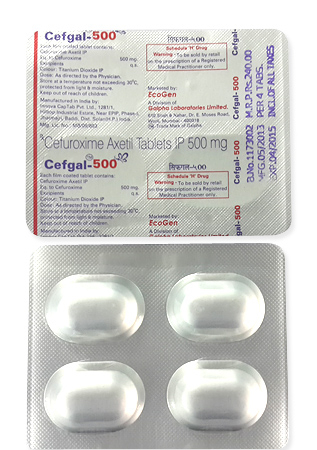
Cefuroxime
- In pharmacies cefuroxime is generally a prescription-only antibiotic in Canada and most countries, but it is sold at pharmacies in tablet, suspension and injectable forms and in some regions or individual pharmacies it may be possible to purchase without a prescription or receipt; local regulations and availability vary.
- Cefuroxime is used to treat respiratory tract infections (tonsillitis, sinusitis, pneumonia), otitis media, skin and soft tissue infections, urinary tract infections, early Lyme disease, gonorrhea and severe infections (IV). It is a second‑generation cephalosporin that is bactericidal by inhibiting bacterial cell‑wall synthesis via binding penicillin‑binding proteins.
- Usual adult doses: oral 250–500 mg twice daily for most infections (5–10 days); Lyme disease 500 mg PO twice daily for 14–21 days; gonorrhea single 1.5 g IM dose; severe infections IV 750 mg–1.5 g every 8 hours. Pediatric dosing is typically 10–15 mg/kg twice daily (adjust by age and renal function).
- Forms: oral film‑coated tablets (125, 250, 500 mg), oral suspension (125 mg/5 mL, 250 mg/5 mL reconstituted), powder for injection for IV/IM use (750 mg, 1.5 g) and intracameral ophthalmic injection (1 mg in 0.1 mL).
- Onset: therapeutic levels are reached within hours (oral peak plasma concentrations ~2–3 hours after dosing), and some symptom improvement is often seen within 24–48 hours of starting therapy.
- Duration of action: plasma half‑life is about 1–2 hours in healthy adults; clinical dosing is usually twice daily for oral formulations, with IV regimens given more frequently (e.g., every 8 hours) as needed for severe infections.
- Avoid alcohol while taking cefuroxime; significant interactions are rare but alcohol may worsen side effects such as gastrointestinal upset and is best avoided during therapy.
- The most common side effect is diarrhea.
- Would you like to try cefuroxime without a prescription?
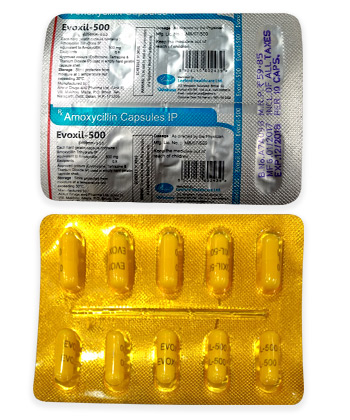
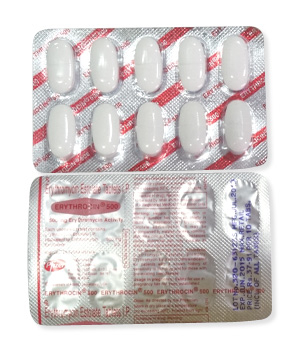
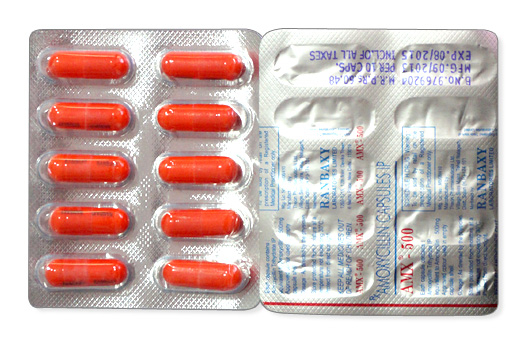
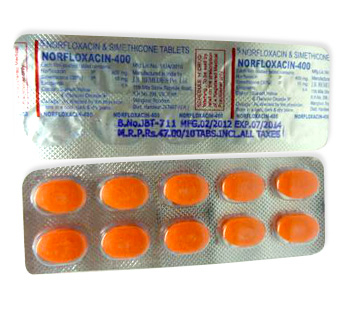
Basic Cefuroxime Information
- INN (International Nonproprietary Name): Cefuroxime; Latin: Cefuroximum; Spanish: Cefuroximo.
- Brand Names Available In Canada (English): not specified.
- ATC Code: J01DC02 (second‑generation cephalosporin); S01AA27 for ophthalmic intracameral use.
- Forms & Dosages: Tablets 125 mg, 250 mg, 500 mg; oral suspension 125 mg/5 mL, 250 mg/5 mL; powder for injection vials 750 mg and 1.5 g; intracameral eye injection 1 mg/0.1 mL.
- Manufacturers In Canada (English): not specified.
- Registration Status In Canada (English): not specified.
- OTC / Rx Classification: Prescription‑only (Rx) in nearly all markets; not available OTC.
Availability & Price Landscape
Worried about where to find cefuroxime and what it will cost in Canada?
Major national pharmacy chains commonly stock generic oral cefuroxime products and may supply branded imports when available.
Hospital injectable forms such as Zinacef (cefuroxime sodium) are supplied to acute‑care pharmacies and not generally sold over the counter.
Regional differences matter: Jean Coutu is common in Quebec while London Drugs has broader presence in BC and Alberta.
Most chain pharmacies will dispense cefuroxime only with a prescription and provide pharmacist counselling at pick‑up.
Some provincial programs require ID for reimbursement or special billing—bring your health card where applicable.
Typical Chain Stocking Patterns
| Chain | Likely Forms |
|---|---|
| Shoppers Drug Mart | Generic tablets/suspension; branded imports when available |
| Rexall | Generic tablets/suspension; pharmacist substitution supported |
| London Drugs | Generics in BC/Alberta; limited injectable access via hospital partners |
| Jean Coutu (Quebec) | Regional stocking of generics; provincial program billing common |
Online Pharmacy Trends In Canada (Including Provincial Restrictions)
Can you order cefuroxime online and get teleprescribing support?
Reputable Canadian online pharmacies and telehealth services increasingly handle uncomplicated infections with oral prescriptions for cefuroxime axetil when clinically appropriate.
Provincial rules vary for e‑prescribing, so some provinces require a licensed prescriber within that jurisdiction for dispensing.
Injectable cefuroxime requires hospital or clinic administration and is not suitable for home injection orders.
Cross‑border online ordering remains common but carries regulatory and safety risks when products lack a Canadian DIN or Health Canada approval.
Price and shipping vary between in‑store and online options, and cold‑chain concerns apply for reconstituted or sensitive formulations during transit.
Price Ranges By Package Size (With Provincial Differences)
How much should you expect to pay for cefuroxime in Canada?
Prices depend on brand, generic status and provincial coverage rules tied to DINs.
Typical Canadian pack strengths are 125 mg, 250 mg and 500 mg tablets; suspensions at 125 mg/5 mL and 250 mg/5 mL; vials 750 mg and 1.5 g.
| Form / Strength | Generic Range (Estimated) | Branded Range (Estimated) |
|---|---|---|
| Tablets 250 mg (30 tablets) | $8–$25 | $25–$60 |
| Tablets 500 mg (20 tablets) | $12–$35 | $35–$80 |
| Suspension 125 mg/5 mL (60 mL) | $10–$30 | $30–$70 |
| Vial 1.5 g (powder for injection) | $20–$70 | $60–$150 |
Provincial drug plans such as Ontario Drug Benefit, BC PharmaCare and RAMQ affect out‑of‑pocket cost for eligible patients.
Always check the DIN on the package to confirm provincial listing and coverage.
Canadian Patient Insights & Satisfaction Levels
What are real Canadian patients saying about cefuroxime online?
Threads on Reddit Canada and medical forums commonly discuss symptom relief, gastrointestinal side effects and brand switching experiences.
Parents often post dosing questions for children and share timelines for otitis media resolution after a course of cefuroxime axetil suspension.
HealthBoards entries include patient‑reported tolerability of suspensions in toddlers and comparisons between generics and branded products.
Anecdotal reports vary by brand, formulation and pharmacy substitution policy.
Reported Benefits And Challenges From Canadian Patients
Which benefits do patients report in Canada?
Many patients note good clinical effect for sinusitis, otitis media and as oral step‑down after IV cefuroxime (Zinacef) administered in hospital.
Common challenges in Canadian posts are gastrointestinal upset and concern about allergy cross‑reactivity with penicillins.
Cost differences across provinces and occasional delays in obtaining injectable forms from hospitals are frequent complaints.
Patients also report being switched between brands at Shoppers or Rexall and say pharmacist counselling helped explain substitutions.
Adverse events should be reported to Health Canada’s vigilance program if suspected.
Patient Snip
- "My toddler tolerated the suspension but had mild diarrhoea for two days." — anonymized forum post.
- "Switched to APO‑Cefuroxime by the pharmacist and symptoms cleared in 48 hours." — anonymized review.
Product Overview & Brand Variants
Are there many brand names and forms of cefuroxime in use?
The International Nonproprietary Name is cefuroxime, referenced globally as cefuroxime axetil (oral) and cefuroxime sodium (IV/IM).
Oral forms are most often supplied as axetil prodrug tablets and suspensions in 125 mg, 250 mg and 500 mg strengths.
Parenteral forms are powder vials at 750 mg and 1.5 g, and intracameral ophthalmic preparations at 1 mg/0.1 mL for surgical use.
Global brand names include Zinnat, Zinacef and Ceftin, while generics such as APO‑Cefuroxime are commonly manufactured by companies like Apotex.
Legal Classification Under Health Canada
Is cefuroxime available without a prescription in Canada?
Cefuroxime is classified as prescription‑only in nearly all markets and requires a licensed prescriber for dispensing.
Market authorizations, product monographs and DIN assignments are managed by Health Canada and are used to check provincial formularies.
Hospital IV/IM batches are handled under institutional formularies and not intended for outpatient reconstitution.
| INN | Common Brand Names | Forms | Typical Availability In Canada |
|---|---|---|---|
| Cefuroxime | Zinnat, Zinacef, Ceftin, APO‑Cefuroxime (global list) | Tablets, suspension, vials, intracameral eye | Generics widely available; branded imports where available; injectables via hospitals |
Indications In Local Canadian Medical Practice
What do Canadian prescribers use cefuroxime for?
Health Canada product monographs and provincial formularies typically list indications similar to global practice.
Common approved uses include acute otitis media, sinusitis, pharyngitis/tonsillitis, lower respiratory infections and skin and soft tissue infections.
Early Lyme disease and oral step‑down after IV cefuroxime for more serious infections are standard current uses.
Off‑Label Patterns In Canadian Healthcare
Which off‑label but evidence‑based uses appear in Canada?
A common off‑label pattern is oral step‑down after IV cefuroxime (Zinacef) when cultures support susceptibility and clinical improvement is evident.
Some specialists use cefuroxime in selected urinary infections guided by susceptibility data, and ophthalmologists use intracameral cefuroxime for endophthalmitis prophylaxis.
Prescribers are expected to document off‑label choices and follow antimicrobial stewardship principles.
Indication → Typical Dose/Duration
- Pharyngitis/Tonsillitis → 250 mg PO twice daily for 5–10 days.
- Otitis Media/Lower RTI → 250–500 mg PO twice daily for 7–10 days.
- Lyme Disease (early) → 500 mg PO twice daily for 14–21 days.
- Severe Infections (IV) → 750 mg–1.5 g IV q8h, individualized duration.
How It Works In The Body
How does cefuroxime actually fight infection?
Cefuroxime is a second‑generation cephalosporin that weakens bacterial cell walls so bacteria cannot maintain structural integrity and die.
It is active against many common respiratory and skin pathogens and resists some beta‑lactamase enzymes that inactivate older penicillins.
The oral form is given as cefuroxime axetil, a prodrug that is hydrolysed to the active compound after absorption.
Clinical Detail From Health Canada Resources
The ATC classification for cefuroxime is J01DC02 and S01AA27 for ophthalmic injection use.
Pharmacokinetics note that antacids may reduce absorption of oral axetil while probenecid increases serum levels.
Renal excretion is the primary elimination route, so dose adjustments are required in significant renal impairment.
Seizures have been reported in overdose or in severe renal dysfunction and are a known risk for beta‑lactams at very high concentrations.
Dosage & Administration
What dosing is commonly used in Canadian practice?
Standard adult oral regimens include 250 mg PO twice daily for uncomplicated pharyngitis and 250–500 mg PO twice daily for otitis and lower respiratory infections for 7–10 days.
Lyme disease is often treated with 500 mg PO twice daily for 14–21 days.
Gonorrhea has historically been treated with a single 1.5 g IM dose administered in clinic or hospital.
Parenteral dosing for severe infections is typically 750 mg–1.5 g IV every 8 hours in hospital settings.
Adjustments By Patient Type (With Canadian Clinical Notes)
Children generally receive 10–15 mg/kg twice daily depending on indication, up to standard adult doses.
Renal impairment requires dose reduction; a common approach is to halve the dose or extend dosing interval for CrCl <30 mL/min.
Elderly patients are dosed according to renal function rather than age alone.
Pregnancy and lactation: cefuroxime is used when the clinical benefit outweighs risk, and documentation is recommended.
Follow the product monograph and local institutional protocols for exact dosing and reconstitution instructions.
Contraindications & Side Effects
Who should not take cefuroxime and what side effects should users watch for?
Absolute contraindication is a known allergy to cefuroxime or other cephalosporins and a history of immediate‑type hypersensitivity to beta‑lactams such as anaphylaxis.
Common adverse effects include gastrointestinal upset—diarrhoea, nausea, abdominal pain and vomiting—and skin rash or urticaria.
Headache and dizziness are also reported as mild side effects.
Rare But Serious (With Canadian Pharmacovigilance Data)
Health Canada and hospital surveillance systems monitor rare but serious reactions such as anaphylaxis, C. difficile–associated colitis and hepatic dysfunction.
A positive direct Coombs test and asymptomatic hemolysis have been reported rarely.
Seizures are possible in overdose or in patients with severe renal impairment when doses are not adjusted.
Report suspected adverse drug reactions to Health Canada’s Canada Vigilance Program and follow local reporting processes in hospitals or clinics.
Red Flags
- Difficulty breathing, swelling of face or throat — seek emergency care immediately.
- Severe watery diarrhoea or blood in stool — contact your prescriber urgently.
- Marked jaundice or unexplained bleeding — seek immediate medical assessment.
Comparable Medicines In Canada
What are clinically comparable alternatives to cefuroxime in Canada?
Alternatives include amoxicillin‑clavulanate, cefixime and cefaclor for outpatient oral therapy, and ceftriaxone or cefotaxime as parenteral alternatives in hospital.
Choice depends on suspected pathogen, local resistance patterns and patient allergy history.
Alternatives Table (With DIN References)
| Drug Name | Class | Typical Indication | Pros / Cons | Example DINs |
|---|---|---|---|---|
| Amoxicillin‑Clavulanate | Beta‑lactam + inhibitor | Sinusitis, complicated RTI | Broader beta‑lactamase coverage; more GI effects | Check provincial formulary for DIN |
| Cefixime | 3rd‑generation cephalosporin | Gonorrhea, some RTIs | Good for Enterobacterales; less streptococcal activity | Check provincial formulary for DIN |
| Cefaclor | 2nd‑generation cephalosporin | RTI, otitis | Similar spectrum but used less often now | Check provincial formulary for DIN |
Pros And Cons List
Cefuroxime pros include broad activity against community respiratory and skin pathogens and availability in oral and IV forms for step‑down therapy.
Cons include gastrointestinal side effects, possible cross‑reactivity in people with penicillin allergy and reduced activity against some resistant gram‑negative organisms.
Stewardship principle: choose the narrowest effective agent supported by culture and provincial antibiograms.
Current Research & Trends
What recent research is changing how cefuroxime is used in Canada?
Recent studies (2022–2025) focus on antimicrobial stewardship and safely stepping patients from IV cefuroxime to oral cefuroxime axetil when susceptible isolates and clinical improvement allow.
Surveillance from Canadian programs such as CNISP and CIPARS tracks resistance trends that influence cephalosporin use in community and hospital settings.
There is growing scrutiny of cephalosporin prescribing due to links with C. difficile risk and emerging community resistance in Enterobacterales and Streptococcus pneumoniae.
Practical implications are to confirm culture/susceptibility where possible and to follow local antibiograms and stewardship guidance rather than changing dosing based on a single global study.
Common Patient Questions In Canada
Is a prescription required?
Yes — cefuroxime is prescription‑only in most jurisdictions; injectable forms are typically hospital‑only.
What will it cost me?
Costs vary by brand, generic status and province; generics are generally the least expensive and provincial plans like Ontario Drug Benefit, BC PharmaCare or RAMQ may cover eligible patients based on DIN listings.
Can I take it with antacids or alcohol?
Avoid taking antacids at the same time since they can reduce absorption of oral cefuroxime axetil; alcohol is not strongly implicated but caution is reasonable.
Is it safe in pregnancy or breastfeeding?
Cefuroxime is used when the benefit outweighs the risk; discuss with your prescriber and document the rationale.
I’m allergic to penicillin — can I take cefuroxime?
Discuss allergy history with your prescriber; cross‑reactivity is possible, especially after a severe anaphylactic penicillin reaction.
Regulatory Status
How does Health Canada regulate cefuroxime?
Market authorisation requires submission of safety, efficacy and quality data to Health Canada and assignment of a Drug Identification Number (DIN) for approved products.
Manufacturers—branded or generic—must meet Good Manufacturing Practice and regulatory standards for Canadian distribution when applicable.
DIN Number Relevance
The DIN is an eight‑digit identifier on Canadian packaging used to verify Health Canada approval and to match provincial formulary listings and reimbursement rules.
Consumers and pharmacists can use the DIN to check product authenticity and coverage status on provincial formularies.
Checklist to verify a product’s DIN: confirm an eight‑digit number on the package, check the manufacturer name, and match against provincial formulary entries when seeking coverage.
Visual Recommendations
Which visuals help a Canadian pharmacy page explain cefuroxime clearly?
Create a product card showing tablet, suspension and vial images with a visible DIN badge and strengths listed (125/250/500 mg tablets; 125/5 mL and 250/5 mL suspensions; 750 mg/1.5 g vials).
Design a dosage flowchart that separates adult, paediatric and renal adjustment paths for quick reference in clinics and at pickup.
Include a provincial coverage map summarizing likely out‑of‑pocket versus plan coverage for Ontario, BC, Quebec, Alberta and the territories.
Develop a safety icon set for allergy, pregnancy and antacid interaction and place them near the FAQ accordion.
Ensure accessibility by using alt text, high‑contrast palettes and printable dosage tables for prescribers.
Buying & Storage Advice
Where is the safest place to buy cefuroxime in Canada?
Purchase from licensed Canadian pharmacies such as Shoppers, Rexall, London Drugs and Jean Coutu for Quebec to ensure DINed products and pharmacist support.
Check for a valid DIN, pharmacist contact details and a clear privacy and returns policy before ordering online.
For injectables or ophthalmic cefuroxime, obtain products through hospital pharmacies or specialized institutional suppliers.
Beware of unregulated cross‑border purchases that may lack Health Canada approval or DINs, even though such imports are a common practice for some consumers.
In our online pharmacy, cefuroxime is available without a prescription, with discreet delivery to Canada (English) in 5‑14 days.
Proper Storage With Canadian Climate Considerations
Store tablets at room temperature between 15–25°C in a dry place away from light.
Reconstituted oral suspension should be refrigerated and discarded after 10 days.
Injection vials should be stored below 25°C and protected from light, with reconstituted solutions used promptly per product monograph.
In cold climates avoid leaving medications in vehicles in winter and in summer avoid prolonged heat during delivery.
Request temperature‑controlled shipping for sensitive formulations when ordering online.
Guidelines For Proper Use
What should a pharmacist tell patients picking up cefuroxime?
Confirm the indication and, where available, culture and susceptibility results to support the choice of cefuroxime.
Advise patients to complete the full course even if symptoms improve, and to separate doses from antacids to maintain absorption.
Discuss common side effects and red‑flag symptoms such as severe rash, bloody diarrhoea or breathing difficulty that require urgent care.
For renal dosing checks, verify recent eGFR/CrCl values and adjust dose according to product monograph guidance.
Provide a printable patient handout summarizing dose, storage, missed‑dose instructions and when to seek emergency care.
Pharmacist checklist: verify allergies (including penicillin anaphylaxis history), pregnancy status, renal function and potential interactions such as probenecid.
Delivery Across Canada (English)
| City | Region | Delivery time |
|---|---|---|
| Toronto | Ontario | 5-7 days |
| Montreal | Quebec | 5-7 days |
| Vancouver | British Columbia | 5-7 days |
| Calgary | Alberta | 5-7 days |
| Edmonton | Alberta | 5-7 days |
| Ottawa | Ontario | 5-7 days |
| Winnipeg | Manitoba | 5-7 days |
| Halifax | Nova Scotia | 5-9 days |
| Victoria | British Columbia | 5-9 days |
| Saskatoon | Saskatchewan | 5-9 days |
| St. John's | Newfoundland and Labrador | 5-9 days |
| Charlottetown | Prince Edward Island | 5-9 days |
| Yellowknife | Northwest Territories | 5-9 days |
| Whitehorse | Yukon | 5-9 days |