Terbinafine
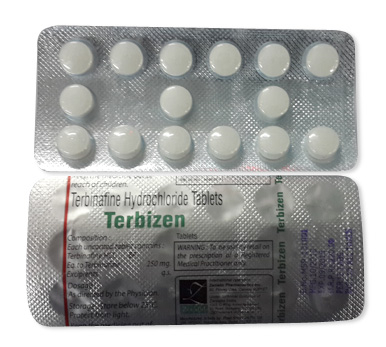
Terbinafine
- In Canadian pharmacies, topical terbinafine (cream, spray 1%) is commonly available over-the-counter and can be purchased without a prescription; oral terbinafine (250 mg tablets) is prescription-only, though some online sellers or pharmacies in other regions may offer products without requiring a prescription—check local regulations and pharmacy policies.
- Terbinafine is used to treat fungal infections such as onychomycosis (nail fungus), tinea pedis (athlete’s foot), tinea cruris (jock itch), tinea corporis (ringworm) and tinea capitis; it works by inhibiting fungal squalene epoxidase, disrupting ergosterol synthesis and causing fungal cell death.
- Usual adult doses: oral tablets 250 mg once daily; topical cream or spray 1% applied to the affected area once or twice daily; pediatric granules/doses are weight-based (e.g., ~125 mg, 187.5 mg depending on weight).
- Forms of administration include oral tablets, oral granules (pediatric sachets), and topical formulations (cream, gel, spray).
- Onset: topical relief of symptoms (reduced itching/irritation) may begin within a few days; systemic antifungal activity begins within days, but clinical improvement for skin infections often takes 1–4 weeks and nail infections may take several weeks to months to show visible improvement.
- Duration of action: systemic terbinafine is taken daily for the prescribed treatment course (commonly 2–12 weeks depending on indication), and drug levels persist in skin and nails so therapeutic effects can continue for weeks to months after completing therapy.
- Alcohol warning: avoid heavy alcohol use while taking oral terbinafine and discuss alcohol consumption with your prescriber—concurrent alcohol may increase the risk of liver injury; liver function monitoring is recommended for systemic therapy.
- The most common side effec are gastrointestinal upset (nausea, diarrhea), headache and taste disturbance for oral therapy; topical use commonly causes mild local irritation, itching or redness.
- Would you like to try “terbinafine” without a prescription?
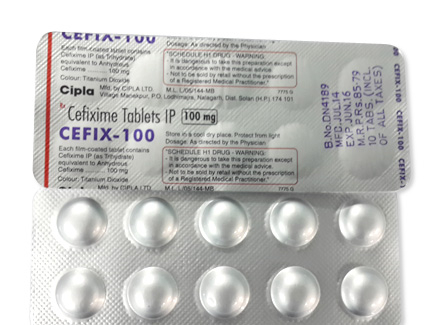
Basic Terbinafine Information
- INN (International Nonproprietary Name): Terbinafine
- Brand Names Available In Canada (English): not specified
- ATC Code: D01BA02 — Classification: Antifungals for topical use — Allylamines; also used systemically for certain conditions.
- Forms & Dosages: Oral tablets 250 mg (blisters 7, 14, 28); topical cream 1% (tubes 7 g, 15 g, 30 g); topical spray 1% (15 ml, 30 ml); oral granules 125 mg and 187.5 mg for paediatric use.
- Manufacturers In Canada (English): not specified
- Registration Status In Canada (English): not specified
- OTC / Rx Classification: Oral tablets are prescription-only (Rx); topical 1% products are frequently sold OTC in small packs while larger or higher-dose topical presentations may be Rx.
Availability & Price Landscape
Major National Pharmacy Chains
Where will patients usually find terbinafine in Canada and what should they expect?
Shoppers Drug Mart, Rexall and London Drugs are commonly listed in patient discussions as the major national chains that dispense terbinafine products.
Topical terbinafine 1% cream and spray are commonly stocked in many branches and can be found as small OTC packs or pharmacist‑supplied items depending on store policy.
Oral terbinafine 250 mg tablets are prescription-only and dispensed at pharmacy counters after presentation of a valid prescription and acceptable ID where required.
Stocking of branded Lamisil versus generics varies by store and region; some locations keep Novartis Lamisil while others mainly carry generics or local manufacturer lines.
Some pharmacies hold limited backstock of paediatric granules, but availability of sachet/granule forms is variable between outlets.
Online Pharmacy Trends In Canada
How online pharmacies handle terbinafine depends on the formulation and provincial rules.
Canadian e-shops and licensed online pharmacy sites widely sell topical terbinafine 1% formulations for OTC purchase in small packs.
Oral 250 mg tablets are only supplied following a valid e-prescription or after a telehealth consultation where provincial rules allow remote prescribing.
Provincial differences in pharmacist scope and remote prescribing (for example, Alberta versus Ontario) affect how quickly an online order can be completed and delivered.
Patients ordering online should check that the site displays a Canadian pharmacy licence and product DINs when applicable.
Price Ranges by Package Size
What are realistic Canadian price ranges for topical and oral terbinafine?
Topical cream 7–30 g typically ranges between CAD 8 and CAD 30 depending on pack size and brand.
Topical spray 15–30 ml commonly ranges between CAD 12 and CAD 35 depending on retailer and promotional pricing.
Oral terbinafine 250 mg tablets in packs of 7–28 tablets usually cost between CAD 25 and CAD 150 depending on brand (Lamisil) versus generic, and the pharmacy chosen.
Provincial drug plans such as Ontario Drug Benefit, BC PharmaCare and RAMQ may cover oral terbinafine for eligible patients, with coverage rules and copays that differ by province and by patient eligibility.
Cross‑border purchasing remains used by price‑sensitive patients, but customers should verify DINs and authenticity and be aware of import rules before ordering from outside Canada.
| Purchase Channel | Typical Price Range (Example Packs) | Notes |
|---|---|---|
| In‑Store Chain Pharmacy | Topical cream 7–30 g: CAD 8–30 Oral 7–28 tablets: CAD 40–150 |
May carry brands or generics; ID required for Rx fills. |
| Licensed Online Pharmacy | Topical cream 7–30 g: CAD 8–28 Oral 7–28 tablets: CAD 25–130 |
Requires e‑prescription or telehealth consult for oral tablets; compare shipping. |
| Cross‑Border / Import | Variable — often lower price but variable quality | Check DIN/DTP authenticity and Canadian import rules before ordering. |
Canadian Patient Insights & Satisfaction Levels
Forum And Review Platforms
Where are Canadians sharing their terbinafine experiences?
Patients discuss terbinafine on Reddit Canada, HealthBoards and provincial patient forums when they seek practical advice on access and outcomes.
Common forum threads compare using telehealth to obtain a prescription, choosing Lamisil brand vs generics, and steps to navigate provincial formularies.
Community posts often flag slower access for nail‑fungus treatment due to the need for prescriptions and occasional prior authorizations.
Reported Benefits And Challenges From Canadian Patients
What do patients report about benefit and tolerability?
- Pros: Many report oral terbinafine is effective for onychomycosis and topical terbinafine brings fast relief for tinea pedis symptoms.
- Cons: Common concerns include taste disturbance, intermittent gastrointestinal upset and questions about liver monitoring.
- Access notes: Private telehealth and online pharmacies are cited for faster access, while cost and variable pharmacy pricing are recurring complaints.
Pull Quote: “Got a telehealth prescription and started terbinafine — nail looked better after months, but taste change was odd for a few weeks.”
Product Overview & Brand Variants
INN And Brand Names Used In Canada
What names will patients see on the shelf or online?
The International Nonproprietary Name is Terbinafine.
Global brand names include Lamisil and Terbinex and multiple generics from suppliers such as Novartis, Taro and Mylan according to manufacturer lists.
Formulations commonly encountered are oral tablets 250 mg (prescription) and topical 1% cream or spray (often OTC in small packs).
Legal Classification Under Health Canada
How does classification affect buying and use?
Oral terbinafine remains prescription-only in most jurisdictions according to classification data.
Topical 1% products are often available OTC in small package sizes, while larger topical packs or higher-dose presentations may be regulated as prescription products.
Products sold in Canada carry a Drug Identification Number (DIN) issued by Health Canada when registered; verify the DIN on packaging for authenticity.
Indications In Local Canadian Medical Practice
Approved Uses
What conditions are terbinafine products approved to treat?
Terbinafine is indicated for onychomycosis, tinea pedis, tinea cruris, tinea corporis and tinea capitis as listed in product materials.
For any specific product, check the product monograph tied to its DIN for the exact approved indications.
Off‑Label Patterns In Canadian Healthcare
Do Canadian clinicians sometimes prescribe terbinafine off-label?
Off‑label uses can include management of mixed or refractory cutaneous fungal infections and combination regimens when clinically justified.
Systemic terbinafine is commonly regarded as the gold standard for toenail onychomycosis because of higher cure rates compared with many azole alternatives.
Clinicians typically document off‑label rationale and monitor patients closely, including baseline liver enzyme checks when systemic therapy is used.
| Indication | Usual Formulation |
|---|---|
| Onychomycosis (toenail) | Oral 250 mg tablets — systemic therapy |
| Tinea Pedis | Topical 1% cream or spray; systemic treatment for severe cases |
| Tinea Corporis/Cruris | Topical 1% formulations; systemic for extensive disease |
| Tinea Capitis (children) | Systemic terbinafine in paediatric dosing where indicated |
How It Works In The Body
Layman’s Explanation
How does terbinafine stop a fungal infection?
Terbinafine works by blocking the fungus’s ability to make ergosterol, an essential ingredient of the fungal cell membrane.
Without ergosterol the fungus’s cell membrane weakens and the organism dies, which clears the infection.
Topical terbinafine treats the skin locally while oral tablets travel through the bloodstream to reach infected nails and hair follicles for systemic infections.
Clinical Detail From Health Canada Resources
What does the pharmacology tell us?
Terbinafine is an allylamine (ATC D01BA02) that inhibits squalene epoxidase, leading to accumulation of squalene and membrane disruption in fungal cells.
Systemic terbinafine shows tissue accumulation in skin and nails and is metabolized by the liver, which is why liver monitoring is recommended for patients with risk factors.
Refer to the product monograph associated with the product DIN for full pharmacokinetics and detailed safety information.
Dosage & Administration
Standard Regimens Per Canadian Guidelines
What are typical dosing schedules for adults?
Oral terbinafine 250 mg once daily is standard in adults and is used for 6 weeks for fingernail onychomycosis and 12 weeks for toenail infections.
Tinea pedis systemic courses range from 2 to 6 weeks and tinea corporis/cruris 2 to 4 weeks depending on severity and clinician judgement.
Topical 1% cream or spray is normally applied once or twice daily for 1 to 4 weeks depending on product directions and infection severity.
Adjustments By Patient Type
How are doses adapted for children, elderly and those with organ impairment?
Children use weight-based dosing for systemic therapy and paediatric granules are common where available (e.g., 125 mg for under 20 kg, 187.5 mg for 20–40 kg, 250 mg >40 kg).
Elderly patients do not routinely require dose reductions, but hepatic and renal function should be monitored as clinically indicated.
Terbinafine is contraindicated in active chronic liver disease and requires caution in significant renal impairment; dose reduction may be considered if creatinine clearance is below 50 ml/min.
| Indication | Usual Adult Dose | Typical Duration |
|---|---|---|
| Fingernail Onychomycosis | 250 mg orally once daily | 6 weeks |
| Toenail Onychomycosis | 250 mg orally once daily | 12 weeks |
| Tinea Pedis | Topical 1% applied 1–2x daily or 250 mg orally for systemic cases | 1–6 weeks depending on route |
Contraindications & Side Effects
Common (Health Canada‑Approved List)
What side effects should patients expect most often?
Oral terbinafine commonly causes gastrointestinal upset such as nausea and diarrhoea.
Other frequent reactions include headache, taste disturbance, rash and pruritus.
Topical formulations may cause mild local irritation, erythema, itching or stinging at the application site.
Absolute contraindications are known hypersensitivity to terbinafine or any excipients and chronic or active hepatic disease.
Rare But Serious (With Canadian Pharmacovigilance Data)
Which rare events require immediate attention?
Severe liver injury and immune‑mediated reactions have been reported rarely with systemic terbinafine.
Haematological abnormalities are uncommon but documented in post‑marketing safety data.
Patients should stop the drug and seek urgent medical care for jaundice, dark urine, severe fatigue or unexplained bleeding.
Suspected serious adverse drug reactions should be reported through Health Canada’s MedEffect system and communicated to the dispensing pharmacist or prescribing physician.
- Warning Checklist: Stop and call a doctor for jaundice, persistent abdominal pain, dark urine, severe skin reactions, fever with sore throat or unexplained bruising.
Comparable Medicines In Canada
Alternatives Table
What are common alternatives to terbinafine in Canadian pharmacies?
| Drug | Typical Indication | Route | Example Notes |
|---|---|---|---|
| Itraconazole | Onychomycosis | Oral | Often chosen for some species or when terbinafine contraindicated. |
| Fluconazole | Tinea corporis/pedis (selected cases) | Oral | Used in some contexts; interaction profile differs from terbinafine. |
| Naftifine | Tinea corporis/pedis | Topical | Allylamine topical alternative. |
| Ciclopirox | Onychomycosis (nail lacquer) | Topical | Option for patients who cannot take systemic therapy. |
Pros And Cons List
- Terbinafine Pros: High mycological cure rates for onychomycosis and relatively short systemic courses compared with some alternatives.
- Terbinafine Cons: Need for liver monitoring in at‑risk patients and potential for taste disturbance and GI upset.
- Azoles: Alternatives like itraconazole or fluconazole may be preferred in certain fungal species or when terbinafine is contraindicated, but they have different drug interaction profiles.
Current Research & Trends
Major Canadian Or International Studies 2022–2025
What has recent research focused on?
Recent trials continue to reaffirm oral terbinafine as first‑line systemic therapy for onychomycosis with better mycological cure rates than many azoles.
Observational Canadian data concentrate on real‑world safety monitoring and adherence in patients receiving systemic terbinafine.
International studies from 2022 to 2025 explore pulse regimens, topical penetration enhancers, and combined topical‑systemic strategies for resistant cases.
Clinicians and pharmacists should watch Health Canada notices and national journals for evolving safety communications and practice recommendations.
Common Patient Questions In Canada
FAQ Style Answers For A Product Page
Can I buy terbinafine OTC?
Topical 1% small packs are often available OTC, while oral 250 mg tablets require a prescription.
Will provincial drug plans cover it?
Coverage varies by province and patient eligibility; check Ontario Drug Benefit, BC PharmaCare and RAMQ for details.
How long until nails improve?
Clinical cure may occur after therapy, but visible cosmetic improvement of toenails can take several months as the nail grows out.
Is liver testing required?
Baseline liver enzymes and symptom‑triggered testing are common practice, particularly for patients with risk factors; prescriber practice may differ.
Regulatory Status
Health Canada Approval Process
How are terbinafine products evaluated for the Canadian market?
Terbinafine products intended for sale in Canada undergo regulatory review and, when approved, receive a Drug Identification Number (DIN).
Health Canada evaluates safety, efficacy and manufacturing quality, and the product monograph tied to the DIN lists approved uses, dosing and monitoring requirements.
DIN Number Relevance
Why check the DIN?
The DIN on packaging and online product pages confirms Canadian registration and helps locate the official product monograph for clinical details.
DINs also support provincial reimbursement claims and help pharmacists verify product authenticity.
Imported products without a valid Canadian DIN may not be eligible for coverage and could lack appropriate Canadian labelling.
Visual Recommendations
Infographic Ideas For Canadian Context
Which visuals help Canadian patients understand terbinafine?
Recommended visuals include a dosing timeline for onychomycosis showing 6–12 weeks of oral therapy and months to visible nail change.
A provincial coverage map highlighting Ontario Drug Benefit, BC PharmaCare and RAMQ notes helps patients check eligibility at a glance.
A simple mechanism‑of‑action diagram showing squalene epoxidase inhibition and nail tissue distribution is useful for education.
Product Page Imagery & Compliance
What packaging images should be included on a product page?
Include high‑resolution shots of packaging that clearly show the DIN, active ingredient (Terbinafine), strength (250 mg or 1%) and manufacturer name where present.
Display visual safety callouts for “Prescription‑only” on oral forms and a reminder to consult a pharmacist or doctor regarding liver monitoring to align with Canadian expectations.
Buying & Storage Advice
In‑Store Vs. Online Canadian Purchase Tips
How should patients choose where to buy terbinafine?
For oral terbinafine, obtain a valid prescription and use a licensed pharmacy; reputable Canadian online pharmacies will request a prescription and display licence information and DINs on product pages.
Compare prices across Shoppers Drug Mart, Rexall and independent e‑pharmacies and look for manufacturer coupons or provincial copay programs before purchasing.
Be cautious with cross‑border imports; confirm DIN status and authenticity when sourcing from outside Canada.
In our online pharmacy, terbinafine is available without a prescription, with discreet delivery to Canada (English) in 5-14 days.
Proper Storage With Canadian Climate Considerations
How should terbinafine be stored in Canadian homes?
Store terbinafine at 15–30°C (59–86°F) in a dry place away from moisture and light.
Avoid freezing topical forms and do not leave sprays or tubes in vehicles during extreme cold or heat common in Canadian seasons.
Dispose of expired products through pharmacy take‑back programs rather than household waste.
Guidelines For Proper Use
Canadian Doctor/Pharmacist Advice Style
What do Canadian clinicians typically tell patients starting terbinafine?
Physicians and pharmacists commonly advise baseline liver enzyme testing before systemic terbinafine for patients with risk factors and counsel patients about possible taste changes and gastrointestinal effects.
Adherence to the full course is emphasised, for example 12 weeks for toenail infections, even if symptoms begin to improve earlier.
Pharmacists often demonstrate topical application technique and offer advice on recurrence prevention such as foot hygiene and rotating socks and shoes.
Practical Tips And Monitoring Checklist
What practical checklist helps patients and clinicians alike?
- Confirm pregnancy and breastfeeding status before starting systemic therapy.
- Obtain baseline liver function tests if risk factors exist.
- Review current medications for CYP interactions and note any drugs of concern.
- Advise patients to monitor for jaundice, dark urine or severe fatigue and to stop the drug and seek care if these occur.
- Record DIN and batch number for pharmacovigilance and counsel on when to schedule follow‑up.
Delivery Across Canada (English)
| City | Region | Delivery time |
|---|---|---|
| Toronto | Ontario | 5-7 days |
| Montreal | Quebec | 5-7 days |
| Vancouver | British Columbia | 5-7 days |
| Calgary | Alberta | 5-7 days |
| Edmonton | Alberta | 5-7 days |
| Ottawa | Ontario | 5-7 days |
| Winnipeg | Manitoba | 5-7 days |
| Halifax | Nova Scotia | 5-9 days |
| Regina | Saskatchewan | 5-9 days |
| Saskatoon | Saskatchewan | 5-9 days |
| St. John’s | Newfoundland and Labrador | 5-9 days |
| Victoria | British Columbia | 5-7 days |
| London | Ontario | 5-7 days |
| Moncton | New Brunswick | 5-9 days |
Closing Notes For Clinicians And Patients
Key Takeaways
Terbinafine is available in topical 1% forms and oral 250 mg tablets; the oral form is prescription-only while topical small packs are often OTC.
Systemic terbinafine is a first‑line option for onychomycosis because of superior cure rates, but baseline and on‑treatment liver monitoring are standard practice for at‑risk patients.
Compare prices across pharmacies if cost is a concern and confirm DINs when evaluating product authenticity.
Pharmacists should counsel patients on adherence, adverse effects such as taste disturbance and GI upset, and when to stop therapy and seek urgent care for signs of liver injury.
Where To Get More Information
For full product details consult the product monograph linked to the product DIN or speak directly with a pharmacist or prescriber for personal medical advice and monitoring plans.
Report serious adverse reactions through Health Canada’s MedEffect system and inform the dispensing pharmacy so records can be updated for pharmacovigilance purposes.