Dalacin
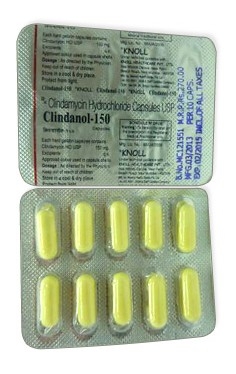
Dalacin
- Dalacin (clindamycin) is available from community pharmacies, hospital pharmacies and licensed online pharmacies; it is generally classified as prescription-only (Rx) in most jurisdictions, though enforcement and online sellers vary and some suppliers may offer it without a prescription—check your local regulations.
- Dalacin is used to treat serious bacterial infections including skin and soft tissue infections, bone/joint infections, respiratory infections, intra‑abdominal and pelvic/anaerobic infections, dental infections and as an alternative in penicillin‑allergic patients. It is a lincosamide antibiotic that inhibits bacterial protein synthesis by binding to the 50S ribosomal subunit.
- Usual adult oral dosing is 150–450 mg every 6 hours (3–4 times daily); severe infections may require 600–2,700 mg/day divided into multiple doses (IV dosing accordingly); pediatric oral dosing is about 8–20 mg/kg/day (divided), IV 20–40 mg/kg/day (divided). Duration depends on infection (typically 7–14 days for skin infections, longer for bone or deep infections).
- Forms of administration include oral capsules/tablets (75 mg, 150 mg, 300 mg), oral solution (75 mg/5 mL), IV/IM injection (150 mg/mL, 300 mg/2 mL, 600 mg/4 mL), topical gels/foams (1–2%) and vaginal creams/ovules (2%, 100 mg).
- After oral dosing clindamycin is absorbed and begins systemic activity within about 1–2 hours; clinical improvement is often seen within 24–72 hours depending on the infection.
- Clindamycin has a plasma half‑life of roughly 2–3 hours in adults, and is usually dosed every 6–8 hours; the clinical duration of effect requires regular dosing as prescribed and varies with the infection being treated.
- There is no specific disulfiram‑like interaction with alcohol, but alcohol may worsen gastrointestinal side effects and liver injury risk; avoid excessive alcohol and do not drink if you develop severe diarrhoea or symptoms of liver dysfunction.
- The most common side effect is gastrointestinal upset, especially diarrhoea; other common effects include nausea, vomiting, abdominal pain and skin rash—watch for severe or bloody diarrhoea which may indicate C. difficile infection.
- Would you like to try dalacin without a prescription?
Basic Dalacin Information
- INN (International Nonproprietary Name): Clindamycin.
- Brand Names Available In Canada (English): Cleocin HCl; Cleocin Pediatric; Cleocin Phosphate; Clindamycin-Mepha; Dalacin C; ClindaMax; Clindesse; numerous generics.
- ATC Code: J01FF01 (Lincosamides; clindamycin).
- Forms & Dosages: Capsules/tablets 75 mg, 150 mg, 300 mg; oral solution 75 mg/5 mL; injection 150 mg/mL, 300 mg/2 mL, 600 mg/4 mL; topical gel/foam 1%–2%; vaginal cream/ovule 2% or 100 mg.
- Manufacturers In Canada (English): Pfizer; Mepha; Sandoz; Abbott; Glenmark; Teva; Cipla; other international generic suppliers.
- Registration Status In Canada (English): Not specified in the raw dataset for Canada-specific registrations; clindamycin is authorized widely and is registered in numerous jurisdictions.
- OTC / Rx Classification: Prescription Only (Rx) for all forms and regions.
Major National Pharmacy Chains (Shoppers Drug Mart, Rexall, London Drugs)
Canadians commonly find clindamycin stocked in major chains such as Shoppers Drug Mart, Rexall, and London Drugs.
Availability often depends on the formulation requested: capsules, oral solution, injectable vials or topical gels and creams.
Jean Coutu carries products in Quebec and London Drugs is a larger supplier in British Columbia and Alberta.
Online Pharmacy Trends In Canada (Including Provincial Restrictions)
Online pharmacies list brand names such as Dalacin and Cleocin alongside generics for clindamycin.
Provincial regulations limit some mail-order practices for injectables and require prescriptions for all forms.
Provincial drug plans like Ontario Drug Benefit, BC PharmaCare and RAMQ generally cover antibiotics when prescribed, but beneficiary class and formulary listings differ by province.
Price Ranges By Package Size (With Provincial Differences)
| Package Size | Typical Price Pattern | Provincial Notes |
|---|---|---|
| Small Blister Packs (e.g., 10–20 capsules) | Higher per‑unit cost versus bulk generics. | More common in retail stores; out-of-pocket cost varies by province and plan. |
| Bulk Generics (e.g., 30–100 capsules) | Lower per‑unit cost when generic and bought in larger packs. | Often better value online or through provincial dispensing programs. |
| Oral Solution / Topicals | Price varies by formulation and brand; single bottles/tubes cost more than generics per treatment course. | Coverage depends on provincial formulary listings and indication. |
| Injectables (vials/ampoules) | Usually handled via hospital/clinic procurement; limited mail-order availability. | Cross-border sourcing may be attempted, but DIN and Health Canada approvals differ. |
- Tip: Call ahead to the chain pharmacy to confirm stock for specific strengths such as clindamycin 300 mg capsules.
- Tip: When ordering online, verify the pharmacy licence, DIN on the product listing and the manufacturer name.
- Tip: Cross-border purchases are common for lower prices, but confirm Health Canada DIN equivalence before accepting imports.
Canadian Patient Insights & Satisfaction Levels
Forum And Review Platforms (Reddit Canada, HealthBoards, AskDocs)
Canadians discuss clindamycin on Reddit Canada (r/askdocs, r/CanadaHealth), HealthBoards and AskDocs.
Provincial Facebook support groups and dental forums also host patient reports and product-name mentions like Dalacin or Cleocin.
Reported Benefits And Challenges From Canadian Patients
Patients frequently report clindamycin works well for dental infections and skin or soft-tissue infections.
Many comments note clindamycin is useful as an alternative for patients with penicillin allergy.
Common challenges described include gastrointestinal upset and concern about Clostridioides difficile-associated diarrhoea (CDAD).
- Pros: Rapid pain and swelling improvement in dental abscesses; effective for anaerobic pelvic infections; good tissue and bone penetration reported.
- Cons: Nausea, diarrhoea, and a measurable CDAD risk, especially in elderly or patients with prior antibiotic-associated colitis.
Quote excerpt: “Symptom relief in 24–72 hours for a dental abscess, but the pharmacist warned about risk of C. difficile.”
Practical patient guidance reported by Canadians: ask the pharmacist about generic options, request the DIN and manufacturer name, and raise prior CDAD history before starting therapy.
Product Overview & Brand Variants
INN And Brand Names Used In Canada
The International Nonproprietary Name is clindamycin.
Brands appearing in listings include Dalacin, Cleocin and multiple generics from suppliers such as Sandoz, Teva, Glenmark and Cipla.
| Brand | Formulations | Typical Strengths |
|---|---|---|
| Cleocin | Capsules; oral solution; injectables | 75 mg, 150 mg, 300 mg; 75 mg/5 mL solution; 150 mg/mL injection |
| Dalacin C | Capsules; injection | 150 mg, 300 mg capsules; 150 mg/mL injection |
| Clindamycin-Mepha / Generics | Capsules; IV ampoules; topical | 150 mg capsule; 600 mg/4 mL ampoules; topical gels 1%–2% |
- Key Terms: INN = International Nonproprietary Name.
- Key Terms: DIN = Drug Identification Number (Health Canada identifier; display this on product pages when available).
- Key Terms: ATC = Anatomical Therapeutic Chemical classification (J01FF01 for clindamycin).
Legal Classification Under Health Canada
All clindamycin formulations are Prescription Only (Rx) in the dataset.
Product pages should display the DIN, manufacturer or importer, generic equivalence, pack sizes and ATC classification.
Indications In Local Canadian Medical Practice
Approved Uses (Health Canada DIN Context)
Clindamycin is used for infections caused by susceptible anaerobic bacteria and some gram-positive organisms.
Common approved clinical targets include skin and soft tissue infections, bone and joint infections (including osteomyelitis), respiratory infections, pelvic and intra-abdominal infections, dental infections and septicemia.
Off-Label Patterns In Canadian Healthcare
Topical clindamycin is commonly used for acne, often combined with benzoyl peroxide.
Intravaginal clindamycin is used for bacterial vaginosis when available, and systemic clindamycin is frequently used as a penicillin alternative for penicillin‑allergic patients in dental and other settings.
| Indication | Common Formulation |
|---|---|
| Dental Abscess / Odontogenic Infection | Oral capsules or oral solution |
| Skin And Soft-Tissue Infections | Oral capsules; topical for localized acne |
| Osteomyelitis | Oral or IV formulations (good bone penetration) |
| Pelvic / Intra-Abdominal Anaerobic Infections | IV or oral depending on severity |
How It Works In The Body
Layman’s Explanation (Canadian Patient-Friendly Tone)
Clindamycin stops certain bacteria from making proteins they need to grow and spread.
This action helps the immune system clear the infection more quickly.
It works especially well against anaerobic bacteria and many gram‑positive organisms found in deep tissue and dental infections.
Clinical Detail From Health Canada Resources
Clindamycin is a lincosamide antibiotic that binds to the 50S ribosomal subunit and inhibits protein synthesis.
The ATC classification is J01FF01, under antibacterials for systemic use.
Pharmacokinetically, oral clindamycin has good bioavailability and penetrates bone and abscess fluid, making it suitable for osteomyelitis and intra‑abdominal collections.
| Route | Absorption / Penetration |
|---|---|
| Oral | High bioavailability; good tissue and bone penetration |
| IV | Rapid serum levels for severe infections |
| Topical | Local skin or vaginal site delivery; lower systemic exposure |
Metabolism is hepatic, and no routine renal dose adjustment is generally required, though severe hepatic impairment needs monitoring.
The primary safety concern is disruption of gut flora and the risk of CDAD.
Dosage & Administration
Standard Regimens Per Canadian Guidelines
Typical adult oral dosing for most infections is 150–450 mg every 6 hours (three to four times daily).
Severe infections may be treated IV at total daily doses of 600–2,700 mg divided two to four times daily, and life‑threatening cases up to 4,800 mg per day in specific protocols.
Pediatric oral dosing is generally 8–20 mg/kg/day and IV dosing 20–40 mg/kg/day divided into multiple doses.
Adjustments By Patient Type (With Canadian Clinical Notes)
No routine renal adjustment is usually needed, but reduce dose in severe renal failure per clinical judgement.
Liver impairment does not require routine adjustment, but monitor for accumulation and adverse effects in severe hepatic dysfunction.
| Indication | Typical Oral Dose | Typical Duration |
|---|---|---|
| Skin/Soft-Tissue Infection | 150–300 mg every 6–8 hrs | 7–10 days |
| Respiratory / Osteoarticular | 300–450 mg every 6–8 hrs | 10–21 days |
| Pelvic / Intra-Abdominal Anaerobes | 300–450 mg every 6–8 hrs or IV equivalent | 10–14 days or longer if needed |
Missed dose advice: take as soon as remembered unless it is almost time for the next dose; do not double up.
Contraindications & Side Effects
Common (Health Canada-Approved List)
Absolute contraindications include known hypersensitivity to clindamycin, lincomycin or excipients.
A prior episode of clindamycin‑associated Clostridioides difficile‑associated diarrhoea (CDAD) or major colitis is an absolute contraindication.
- Common Side Effects: Diarrhoea, nausea, vomiting, abdominal pain, rash, pruritus and metallic taste.
- Liver Changes: Transient liver enzyme elevations have been reported.
Rare But Serious (With Canadian Pharmacovigilance Data)
CDAD is the primary severe risk and requires urgent assessment if severe or bloody diarrhoea develops.
Anaphylaxis and severe hypersensitivity reactions are rare but possible.
- Serious Events: Severe hepatic injury, neutropenia or thrombocytopenia in predisposed patients.
- Drug Interaction Caution: Clindamycin may enhance neuromuscular blockade with neuromuscular blocking agents.
Pharmacovigilance from Canadian sources mirrors international patterns: gastrointestinal upset is the most frequent complaint and CDAD reports drive safety counselling.
Comparable Medicines In Canada
Alternatives Table (With DIN References)
| Comparator Drug | Indication Overlap | Benefits | Cautions | Example DIN(s) |
|---|---|---|---|---|
| Metronidazole | Anaerobic Infections | Excellent anaerobic coverage | Alcohol interaction warnings; limited gram-positive activity | Not specified |
| Azithromycin / Clarithromycin | Some gram-positive and atypical infections | Alternative for penicillin allergy in select cases | CYP interactions; variable anaerobe coverage | Not specified |
| Amoxicillin / Clavulanate | Broad-spectrum for many skin and respiratory infections | Good coverage for mixed infections | Contraindicated in severe penicillin allergy | Not specified |
| Linezolid | Resistant gram-positive infections | Effective against MRSA and VRE | Hematologic monitoring; cost; interaction with serotonergic agents | Not specified |
Pros And Cons List
- Clindamycin: Strong anaerobic activity and good tissue penetration; major con is CDAD risk.
- Metronidazole: Excellent anaerobe coverage; limited gram-positive action and alcohol reaction potential.
- Macrolides: Useful for some gram-positive infections; watch drug interactions via CYP systems.
- Beta-Lactams: Broad, generally well tolerated; not an option in severe penicillin allergy.
Current Research & Trends
Major Canadian Or International Studies 2022–2025
- 2022–2024: Hospital surveillance in Canada tracking clindamycin susceptibility patterns in anaerobes and community MRSA isolates.
- 2022–2025: Studies on dental antibiotic stewardship advocating reduced routine prophylactic use and targeted prescribing.
- 2023–2025: Trials assessing topical clindamycin combinations for acne demonstrating short-term benefit but raising resistance concerns when used alone.
- 2024–2025: Pharmacokinetic modelling work to optimise IV dosing in severe infections and stewardship programmes aiming to reduce unnecessary oral clindamycin use.
For product pages, include links to provincial antibiograms and stewardship recommendations for local prescribing guidance.
Common Patient Questions In Canada
Is Clindamycin Covered By Provincial Drug Plans?
Coverage varies by plan and indication; check Ontario Drug Benefit, BC PharmaCare and RAMQ formularies for specific DIN-based listings.
Can I Use Topical Clindamycin For Acne While Pregnant?
Discuss with your prescriber; topical exposure is lower than systemic exposure, but safety depends on formulation and trimester.
What If I Get Diarrhoea On Clindamycin?
Stop and seek medical advice if diarrhoea is severe, bloody or persistent to rule out CDAD and receive urgent assessment.
Can I Switch Brands Or Generics?
Yes, switching is acceptable if the product lists the same INN and a valid DIN confirms Health Canada registration; consult your pharmacist when changing brands.
How Long Before Dental Pain Improves?
Many patients report symptom relief within 24–72 hours, but definitive resolution requires dental drainage or definitive dental treatment.
Regulatory Status
Health Canada Approval Process
Manufacturers submit safety, efficacy and quality data to Health Canada for market authorisation.
After review, authorised products are assigned a Drug Identification Number (DIN) when approved for sale.
DIN Number Relevance
The DIN confirms Health Canada registration and should be displayed on product pages to help customers verify authenticity.
For imported generics or Special Access Program products, pharmacies should present the DIN or appropriate Special Access documentation.
Report adverse events to Health Canada’s Canada Vigilance Program and local provincial reporting systems as part of pharmacovigilance.
Visual Recommendations
Design localised infographics mapping indication to formulation, such as capsule for dental infections and IV for severe hospital cases.
Create a storage and handling visual showing temperature ranges and transport cautions relevant to Canadian winter and summer conditions.
Include a printable safety card highlighting red-flag symptoms for CDAD and allergic reactions with action steps and provincial emergency contacts.
Optimize image file names and alt text for SEO, for example dalacin-clindamycin-capsules-canada.png.
Buying & Storage Advice
In-Store Vs. Online Canadian Purchase Tips
Clindamycin requires a prescription per regulatory classification, so present prescriber details when ordering.
In-store purchase provides immediate pharmacist counselling and quicker access to topical or oral forms, while injectables are usually clinic- or hospital-administered.
Online pharmacies can offer savings and home delivery; verify licensing, DIN and manufacturer details on product pages before purchase.
In our online pharmacy, dalacin is available without a prescription, with discreet delivery to Canada (English) in 5-14 days.
Proper Storage With Canadian Climate Considerations
| Formulation | Storage Condition | Canadian Tip |
|---|---|---|
| Capsules / Tablets | 15–25°C away from moisture | Avoid storing in bathrooms during humid summers. |
| Oral Solution | Room temperature; protect from light | Do not let bottles freeze during winter transport. |
| Injectables | Room temperature; inspect for particles | Avoid leaving vials in vehicles during extreme heat or cold. |
| Topicals | Store below 25°C; avoid freezing | Keep tubes away from direct heat sources in summer. |
- Buying Checklist: Confirm pharmacy licence, confirm DIN on the product, check manufacturer name and batch/expiry dates.
- Transport Tip: Avoid leaving medicines in cars overnight in Canadian winter or summer extremes.
Guidelines For Proper Use
Canadian Doctor/Pharmacist Advice Style
Confirm the infection type and, when possible, culture results to guide targeted therapy and duration.
Screen for allergies, prior CDAD, hepatic disease and use of neuromuscular blockers before starting clindamycin.
Advise taking oral capsules with a full glass of water and applying topical products exactly as directed.
Review interactions, monitor for diarrhoea and hepatic symptoms, and instruct patients to seek urgent care for bloody diarrhoea or severe rash.
Encourage patients to complete the prescribed course unless otherwise instructed and to reassess if no improvement within 48–72 hours.
Provide printable patient leaflets showing the DIN, dosing schedule and clear red-flag instructions for CDAD.
Delivery Across Canada (English)
| City | Region | Delivery Time |
|---|---|---|
| Toronto | Ontario | 5-7 days |
| Montreal | Quebec | 5-7 days |
| Vancouver | British Columbia | 5-7 days |
| Calgary | Alberta | 5-7 days |
| Edmonton | Alberta | 5-7 days |
| Ottawa | Ontario | 5-7 days |
| Winnipeg | Manitoba | 5-7 days |
| Halifax | Nova Scotia | 5-9 days |
| Quebec City | Quebec | 5-9 days |
| Victoria | British Columbia | 5-9 days |
| Saskatoon | Saskatchewan | 5-9 days |
| St. John’s | Newfoundland and Labrador | 5-9 days |
| Regina | Saskatchewan | 5-9 days |