Norfloxacin
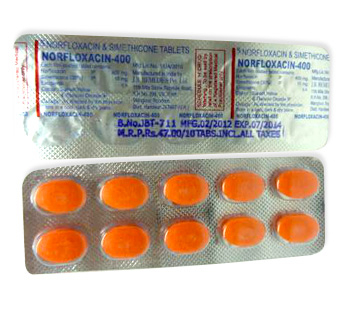
Norfloxacin
- Where it can be purchased and whether a prescription is required: Norfloxacin is normally a prescription-only antibiotic in most countries, and it has been withdrawn/discontinued in some markets (e.g., formerly Noroxin in the US/Canada); however, many international pharmacies, e-pharmacies and some local pharmacies in certain countries or jurisdictions may sell norfloxacin (typically 400 mg tablets) without requiring a prescription or receipt.
- What the drug is used for and its mechanism of action: Norfloxacin is a fluoroquinolone antibiotic used primarily for uncomplicated and complicated urinary tract infections, bacterial prostatitis, selected gastrointestinal infections (e.g., shigellosis), and as an alternative for some sexually transmitted infections; it works by inhibiting bacterial DNA gyrase and topoisomerase IV, interfering with DNA replication and producing bactericidal activity against susceptible bacteria, particularly gram‑negative organisms.
- Usual dosage: Typical adult dosing is 400 mg orally twice daily for most indications; alternative regimens include a single 800 mg dose (used historically as an alternative for gonorrhea in some settings), 400 mg once daily for certain prophylactic uses, and dosage reduction to 400 mg once daily if creatinine clearance is <30 mL/min; prostatitis treatment often requires 400 mg twice daily for 4–6 weeks.
- Form of administration: Oral film‑coated tablets (commonly 400 mg) are the usual form; oral suspension is rare and ocular (eye drop) formulations (0.3%) are available in select markets for local ophthalmic use.
- Onset time (how fast it starts working): Antibacterial (bactericidal) activity begins within hours of dosing; patients often notice symptomatic improvement within 24–72 hours for uncomplicated infections, though individual response varies and treatment should be completed as prescribed.
- Duration of action: Plasma half‑life is roughly 3–4 hours, which supports twice‑daily dosing; clinical treatment duration depends on the infection—uncomplicated UTI typically 3–7 days, complicated UTI 7–10 days, and bacterial prostatitis 4–6 weeks.
- Alcohol warning: Avoid alcohol if possible while taking norfloxacin—alcohol can worsen dizziness, CNS effects and dehydration, and may increase the risk of side effects such as gastrointestinal upset or impaired coordination.
- Most common side effec: The most common adverse effects are gastrointestinal complaints (nausea, abdominal pain, diarrhea), plus headache and dizziness; other notable reactions include rash, photosensitivity and tendon pain/tendinitis (rare but serious).
- Would you like to try norfloxacin without a prescription?
Basic Norfloxacin Information
- INN (International Nonproprietary Name): Norfloxacin
- Brand Names Available In Canada (English): Noroxin, Norflox, Nolicin (Note: these are international brand names and are generally found as imports rather than on Canadian retail shelves)
- ATC Code: J01MA06 (Fluoroquinolone antibacterial for systemic use)
- Forms & Dosages: Tablets 400 mg (most common, film-coated); oral suspension (rare); eye drops 0.3% in select markets.
- Manufacturers In Canada (English): No major domestic manufacturers listed; international manufacturers and suppliers include EG, Terapia, EMS, Cipla, Sun Pharmaceutical, Ranbaxy, Dr. Reddy’s, Zentiva, Antibiotice SA and Sandoz.
- Registration Status In Canada (English): Discontinued — Noroxin was formerly marketed but is withdrawn from US/Canada markets (approximately 2014).
- OTC / Rx Classification: Prescription-only medicine (Rx) in nearly all jurisdictions; sale without a valid prescription is prohibited.
Availability & Price Landscape
Major National Pharmacy Chains (Shoppers Drug Mart, Rexall, London Drugs)
Many customers ask whether Shoppers Drug Mart or Rexall carry norfloxacin on their shelves.
Major national chains generally do not list norfloxacin as an on-shelf product because Noroxin was withdrawn from the US/Canada market.
When norfloxacin is required, community pharmacists normally recommend alternative, approved fluoroquinolones such as ciprofloxacin or other agents with active Canadian approvals.
Online Pharmacy Trends In Canada (Including Provincial Restrictions)
Online Canadian pharmacies sometimes offer international generics but must comply with provincial pharmacy regulations and prescription requirements.
Patients commonly consider cross-border purchasing from other countries such as India, Romania, Italy or Brazil, though that approach brings regulatory, customs and safety risks.
Provincial drug plans are unlikely to reimburse imported norfloxacin without a domestic Drug Identification Number (DIN) or special access approval.
Price Ranges By Package Size (With Provincial Differences)
International generic 400 mg blister packs typically vary in price depending on origin, supplier and shipping method.
Example price guidance: roughly CAD 10–60 per box for a 400 mg blister pack, depending on pack size and shipping costs.
Provincial reimbursement through Ontario Drug Benefit, BC PharmaCare or RAMQ is unlikely for a product without an active domestic DIN.
- In-store: Not generally stocked; alternatives may be covered by provincial formularies.
- Online (Canadian): Licensed pharmacies may supply imported products after prescriber verification; prices include shipping and validation fees.
- International import: Lower sticker prices possible from some Indian or European suppliers but with customs hold risks and no Canadian DIN.
Canadian Patient Insights & Satisfaction Levels
Forum And Review Platforms (Reddit Canada, HealthBoards, AskDocs)
Patients often ask whether imported norfloxacin worked for urinary tract infections when local options were limited.
Conversations on Reddit r/CanadaHealth, HealthBoards and AskDocs show users sharing purchase routes, symptom timelines and side-effect experiences.
Many posts describe sourcing norfloxacin from international suppliers and coordinating with a prescriber or pharmacist to justify use.
Reported Benefits And Challenges From Canadian Patients
Several Canadian patients report quick symptom relief with imported norfloxacin for gram-negative UTIs.
Users frequently note a perceived cost advantage when ordering generics from India or Europe.
Common challenges include shipping delays, customs holds, lack of a local product leaflet or DIN, and worries about safety warnings for fluoroquinolones.
- Top Reported Pros: Rapid symptom relief for uncomplicated UTI; lower cost when sourced internationally; available options when local alternatives failed.
- Top Reported Cons: Customs delays, uncertain product labelling, difficulty obtaining local prescriptions, and concerns about tendon, CNS and psychiatric adverse effects.
Typical steps patients described to obtain treatment: physician consult → prescription or documented rationale → order from international pharmacy → shipping/customs clearance.
Product Overview & Brand Variants
INN And Brand Names Used In Canada
The International Nonproprietary Name is norfloxacin and the 400 mg tablet is the most common pharmaceutical form worldwide.
International brand names include Noroxin, Norflox and Nolicin as well as generics from Cipla, Sun, Dr. Reddy’s, Ranbaxy, EG, Terapia, EMS and Zentiva.
Boxes commonly contain 6–14 film-coated 400 mg tablets in blister packs depending on the manufacturer and market.
Legal Classification Under Health Canada
Norfloxacin is a prescription-only medicine (Rx) in nearly all jurisdictions, including Canada in practical terms: marketed Noroxin is discontinued domestically.
Products sold without a Canadian DIN are not routine retail items and may be accessed through importation or special access mechanisms under documented clinical justification.
How To Check A Product
- Look For A DIN Or Equivalent Registration Number On The Package.
- Confirm Manufacturer Name And Batch Number.
- Retain The Product Leaflet And Shipping Documentation For Pharmacovigilance.
Indications In Local Canadian Medical Practice
Approved Uses (Health Canada DIN Context)
Internationally, norfloxacin is approved for urinary tract infections, bacterial prostatitis, select gastrointestinal infections and prophylaxis in neutropenic patients.
Standard adult dosing used in product summaries is often 400 mg twice daily for many UTI indications.
Because Noroxin is withdrawn and most norfloxacin products lack an active Canadian DIN, mainstream Canadian prescribing typically relies on alternatives that have domestic approvals.
Off-Label Patterns In Canadian Healthcare
Specialist clinicians such as infectious disease physicians or urologists may consider imported norfloxacin when culture results show susceptibility and alternatives are unsuitable.
Off-label or imported use requires documented clinical rationale and informed consent, and is more common in hospital or specialist settings than in routine community practice.
| International Indication | Canadian Alternative |
|---|---|
| Uncomplicated UTI | Ciprofloxacin, Nitrofurantoin, Fosfomycin (depending on culture) |
| Complicated UTI | Ciprofloxacin, Levofloxacin (per susceptibility) |
| Bacterial Prostatitis | Ciprofloxacin (longer courses), alternative guided by microbiology |
How It Works In The Body
Layman’s Explanation (Canadian Patient-Friendly Tone)
Norfloxacin is an antibiotic that stops bacteria from copying their DNA so they cannot multiply.
With fewer bacteria, the immune system can clear the infection more easily.
The drug is particularly active against many gram-negative bacteria that commonly cause urinary tract infections.
Clinical Detail From Health Canada Resources
Norfloxacin belongs to the fluoroquinolone class with ATC code J01MA06 and acts on bacterial enzymes DNA gyrase and topoisomerase IV.
It is orally absorbed and largely excreted by the kidneys, which is why urinary concentrations support short-course therapy for uncomplicated UTI.
Clinicians must consider class-level safety warnings including tendon injury, central nervous system effects, QT prolongation and specific risks in pregnancy and pediatric patients.
Dosage & Administration
Standard Regimens Per Canadian Guidelines
Typical adult regimens in international product information include 400 mg twice daily for uncomplicated UTI for 3–7 days.
Complicated UTI regimens usually run 7–10 days at 400 mg twice daily.
Chronic bacterial prostatitis often requires 400 mg twice daily for 4–6 weeks; gastrointestinal infections may use 400 mg twice daily for 3–5 days.
Adjustments By Patient Type (With Canadian Clinical Notes)
Children under 18 are generally excluded due to risk to cartilage and joints and use is reserved for exceptional specialist situations.
For creatinine clearance below 30 mL/min, reduce dose to 400 mg once daily and monitor closely for toxicity.
Elderly patients require renal assessment and close monitoring for adverse effects; severe hepatic impairment should prompt specialist consultation.
| Indication | Typical Adult Dose | Duration |
|---|---|---|
| Uncomplicated UTI | 400 mg twice daily | 3–7 days |
| Complicated UTI | 400 mg twice daily | 7–10 days |
| Bacterial Prostatitis | 400 mg twice daily | 4–6 weeks |
Missed dose guidance: take as soon as remembered unless it is close to the next dose; do not double the dose.
Overdose requires symptomatic and supportive management and emergency care for severe symptoms such as seizures or QT prolongation.
Contraindications & Side Effects
Common (Health Canada-Approved List)
Absolute contraindications include known hypersensitivity to norfloxacin or other fluoroquinolones, pregnancy and lactation, and children or adolescents under 18 except in specialist cases.
Common adverse effects are nausea, abdominal pain, diarrhoea, headache, dizziness and skin rash.
Moderate reactions can include photosensitivity, insomnia, anxiety and tendon pain or tendinitis.
Rare But Serious (With Canadian Pharmacovigilance Data)
Rare but serious adverse events include tendon rupture, severe hepatotoxicity, life‑threatening arrhythmias from QT prolongation, seizures and disabling peripheral neuropathy or psychiatric effects.
If tendon pain, swelling or sudden weakness occurs, patients should stop the drug and seek urgent medical review because tendon rupture can follow.
- Stop And Seek Care: New tendon pain, sudden weakness, severe numbness or tingling, severe mood changes, or signs of allergic reaction.
Adverse events should be reported to Health Canada’s Canada Vigilance Program to support pharmacovigilance reporting and patient safety.
Comparable Medicines In Canada
Alternatives Table (With DIN References)
Canadian prescribers commonly use fluoroquinolone alternatives that have active Canadian approvals when therapy against gram‑negative pathogens is needed.
| Drug | Typical Adult UTI Dose | Common Indications | Principal Safety Notes |
|---|---|---|---|
| Ciprofloxacin | 500 mg twice daily (varies) | UTI, serious gram-negative infections | Fluoroquinolone class warnings; check QT and tendon risks; confirm DIN at local pharmacy |
| Levofloxacin | 500 mg once daily (varies) | Respiratory infections, UTI | Broader respiratory coverage; class safety flags apply |
| Nitrofurantoin | 100 mg twice daily | Uncomplicated lower UTI | Not suitable for pyelonephritis; renal function considerations |
| Fosfomycin | Single 3 g sachet | Uncomplicated UTI (single-dose therapy) | Good option for some resistant pathogens; confirm availability |
Pros And Cons List
Ciprofloxacin offers strong gram-negative activity and is widely available in Canada, but it shares fluoroquinolone safety concerns similar to norfloxacin.
Levofloxacin provides broader respiratory coverage and can be useful when a respiratory pathogen is suspected, but it is unnecessary for most simple UTIs.
Nitrofurantoin and fosfomycin are narrower options with favourable safety profiles for many uncomplicated lower UTIs and are often preferred by stewardship programmes.
Current Research & Trends
Major Canadian Or International Studies 2022–2025
Recent stewardship guidance from global regulators emphasises restricting fluoroquinolone use due to accumulating safety signals and rising resistance among Enterobacterales.
Canadian antimicrobial stewardship programmes continue to encourage narrow-spectrum therapy, culture-guided selection and shorter treatment courses where evidence supports them.
Surveillance reports show decreasing norfloxacin use as clinicians prefer alternatives with active domestic approvals or safer profiles.
Common Patient Questions In Canada
Q: Can I get norfloxacin in Canada?
A: Norfloxacin is not generally available through retail chains; Noroxin was withdrawn and community pharmacies rarely stock a domestic norfloxacin product.
Q: Is it safe to import norfloxacin?
A: Importing carries risks including variable product quality, customs seizure and limited Canadian pharmacovigilance follow-up; discuss with your prescriber and pharmacist before ordering.
Q: What should I do if I get tendon pain?
A: Stop the medication immediately, avoid weight-bearing on the affected limb and seek urgent medical review because tendon rupture is a known risk.
Q: Will provincial drug plans cover it?
A: Coverage is unlikely without a domestic DIN and formulary approval; check Ontario Drug Benefit, BC PharmaCare or RAMQ for exceptional access pathways.
Q: Alternatives?
A: Ciprofloxacin, nitrofurantoin, fosfomycin or other agents may be used depending on culture results and local resistance patterns.
Regulatory Status
Health Canada Approval Process
Health Canada reviews drug submissions and issues a Notice of Compliance (NOC) and Drug Identification Number (DIN) for approved products.
A DIN is required for routine legal sale, formulary listing and standard pharmacovigilance tracking within Canada.
DIN Number Relevance
Norfloxacin historically had marketed formulations such as Noroxin, but domestic listings are effectively discontinued.
Products without a DIN may only be accessed through special access pathways or personal importation under strict rules and documented clinical rationale.
- NOC: Notice Of Compliance — formal approval from Health Canada.
- DIN: Drug Identification Number — required for routine retail sale and formulary inclusion.
- SAP: Special Access Programme — pathway for clinicians to request unauthorized drugs in exceptional cases.
- Personal Importation: Individuals may import small quantities for personal use subject to customs and regulatory limits.
Visual Recommendations
Infographic Ideas For Canadian Context
A price and availability map of Canada that shows typical access routes helps customers decide between local alternatives and international import.
A dosage quick-reference card that summarises adult regimens and renal adjustments is practical for patient handouts.
A safety alert banner emphasising immediate actions for tendon pain, neuropathy or severe psychiatric symptoms supports risk communication.
A simple two-panel mechanism-of-action infographic clarifying how norfloxacin stops bacterial replication is useful for patients.
A purchasing checklist (prescription, batch/DIN check, pharmacist consultation, customs risk) should be clearly visible on any product page.
Buying & Storage Advice
In-Store Vs. Online Canadian Purchase Tips
Always consult a licensed Canadian prescriber before starting any prescription antibiotic.
In-store, pharmacists will screen for drug interactions, advise on local alternatives and verify renal dosing.
Online, prefer licensed Canadian pharmacies with transparent prescriber verification and clear source information.
In our online pharmacy, norfloxacin is available without a prescription, with discreet delivery to Canada (English) in 5-14 days.
When considering imported generics, check manufacturer, batch number and product leaflet and be cautious of unusually low prices.
Proper Storage With Canadian Climate Considerations
Store norfloxacin at room temperature (15–30°C) away from moisture and light.
Avoid leaving packages in vehicles during winter freeze or summer heat to prevent degradation.
Keep tablets in original blister packaging until use and retain shipping documentation when importing.
| Condition | Recommendation |
|---|---|
| Storage Temperature | 15–30°C, protect from moisture and light |
| Transport Tips | Use tracked shipping; avoid temperature extremes during transit |
Guidelines For Proper Use
Canadian Doctor/Pharmacist Advice Style
Before choosing a fluoroquinolone, confirm culture and susceptibility whenever possible.
Discuss alternative agents and review contraindications including pregnancy, age under 18 and prior quinolone‑related tendon disorders.
Instruct patients to take tablets exactly as directed and to complete the prescribed course unless significant adverse effects occur.
Counsel on sun exposure precautions and to stop the drug and seek urgent care for new tendon pain, neuropathy or concerning psychiatric symptoms.
Pharmacies should document indication, informed consent for imported products and report adverse events to Health Canada as required.
Delivery Across Canada (English)
| City | Region | Delivery Time |
|---|---|---|
| Toronto | Ontario | 5–7 days |
| Montreal | Quebec | 5–7 days |
| Vancouver | British Columbia | 5–7 days |
| Calgary | Alberta | 5–7 days |
| Edmonton | Alberta | 5–7 days |
| Ottawa | Ontario | 5–7 days |
| Winnipeg | Manitoba | 5–7 days |
| Quebec City | Quebec | 5–9 days |
| Halifax | Nova Scotia | 5–9 days |
| Victoria | British Columbia | 5–9 days |
| Saskatoon | Saskatchewan | 5–9 days |
| St. John's | Newfoundland and Labrador | 5–9 days |
Summary And Next Steps
If you are considering norfloxacin for a UTI or other infection, discuss culture testing and alternative agents with your prescriber first.
Pharmacists can help evaluate suitability, check interactions and advise on renal dosing and monitoring for adverse effects.
If an imported product is being considered, verify manufacturer details, batch numbers and retain documentation to support any necessary pharmacovigilance reporting.
For urgent symptoms such as tendon pain, acute numbness or severe mood changes, stop the medicine and seek immediate medical attention.