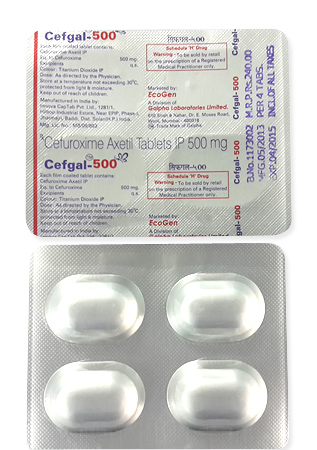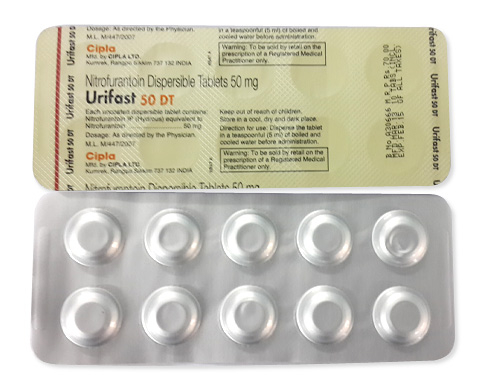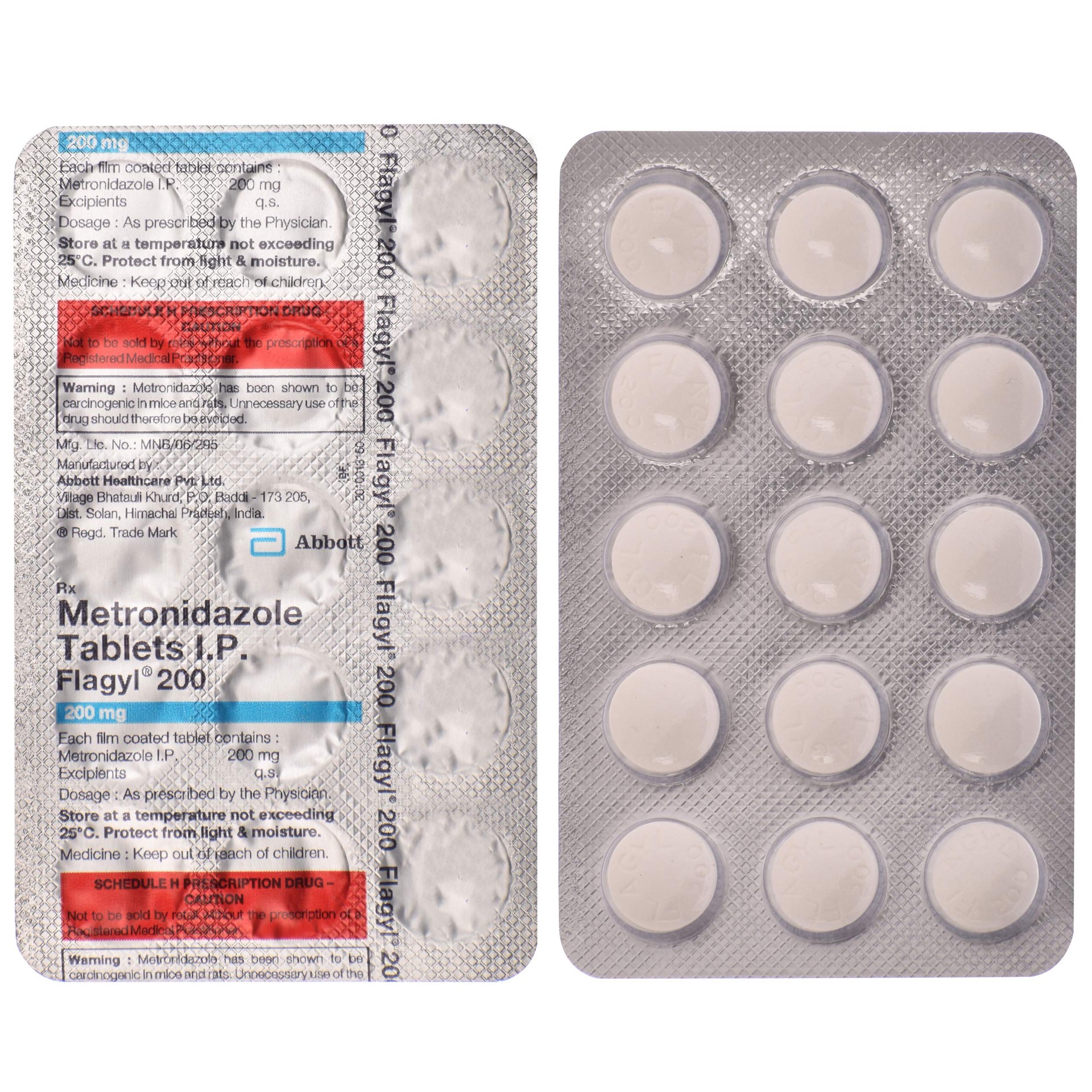
Antibacterial medications are pharmaceutical products designed to fight bacterial infections throughout the body. These medicines work by either killing bacteria or stopping their growth, helping your immune system overcome infections. Antibacterial drugs are essential in modern medicine and are used to treat a wide range of conditions from minor skin infections to serious systemic infections. Understanding how these medications work and when to use them is crucial for effective treatment.
Antibacterial medications come in various forms including tablets, capsules, liquids, creams, and injections, making them suitable for different types of infections and patient needs. It's important to note that antibacterial medications are different from antivirals, which treat viral infections, and antifungals, which treat fungal infections. Taking antibacterial medications as prescribed by your healthcare provider ensures the best outcomes and helps prevent antibiotic resistance.
Penicillin-based antibiotics are among the most widely prescribed antibacterial medications in Canada. Amoxicillin is one of the most common penicillin antibiotics available, used to treat ear infections, urinary tract infections, and respiratory infections. Augmentin, which combines amoxicillin with clavulanic acid, provides broader coverage against resistant bacteria. Cephalexin is another popular option that works similarly to penicillins and is often prescribed for skin infections and urinary tract infections. These medications are generally well-tolerated, though some people may experience allergic reactions.
Fluoroquinolone antibiotics are powerful broad-spectrum medications used for more serious infections. Ciprofloxacin is commonly prescribed for urinary tract infections, respiratory infections, and gastrointestinal infections. Levofloxacin is another fluoroquinolone option used for pneumonia and other respiratory infections. These medications are particularly useful for infections caused by resistant bacteria and are available in both oral and injectable forms in Canadian pharmacies.
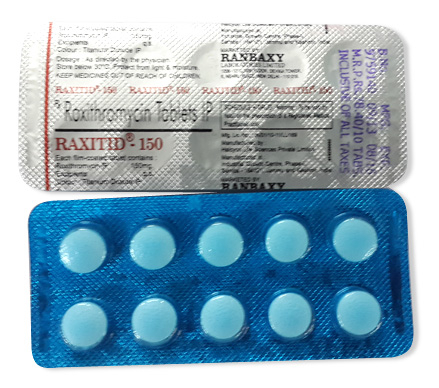
Macrolide antibiotics such as Azithromycin and Erythromycin are frequently used to treat respiratory infections, skin infections, and sexually transmitted infections. Azithromycin is particularly popular due to its convenient dosing schedule and effectiveness against a broad range of bacteria. These medications are often chosen for patients who have allergies to penicillin-based antibiotics.
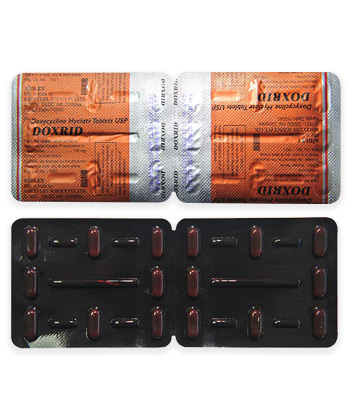
Doxycycline is a tetracycline antibiotic commonly available in Canadian pharmacies, used for respiratory infections, skin infections, and sexually transmitted infections. This medication is also frequently prescribed for acne due to its antibacterial and anti-inflammatory properties. Tetracyclines are versatile medications with multiple uses in treating various bacterial conditions.
Antibacterial medications are commonly prescribed for bronchitis, pneumonia, and other lower respiratory tract infections. Conditions like community-acquired pneumonia often require antibacterial treatment to prevent serious complications. Upper respiratory infections caused by bacteria also benefit from antibacterial therapy, though many upper respiratory infections are viral and don't require antibacterial treatment.
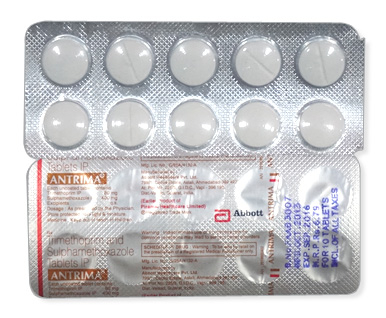
Urinary tract infections are among the most common bacterial infections treated with antibacterial medications. Nitrofurantoin and trimethoprim-sulfamethoxazole are popular choices for uncomplicated urinary tract infections. More complicated cases or infections resistant to first-line treatments may require fluoroquinolones or other antibacterials available through Canadian pharmacies.
Bacterial skin infections including cellulitis, impetigo, and abscesses require antibacterial treatment. Oral antibiotics like cephalexin and topical antibacterials are commonly used for skin conditions. More severe skin infections may require intravenous antibacterial therapy or specialist referral.
Bacterial ear infections and strep throat are frequently treated with antibacterial medications. Amoxicillin remains the first-line treatment for strep throat in Canada. Ear infections caused by bacteria also respond well to appropriate antibacterial therapy when prescribed by healthcare professionals.
Certain bacterial gastrointestinal infections require antibacterial treatment, though many resolve on their own with supportive care. Fluoroquinolones are sometimes used for traveller's diarrhea and other gastrointestinal bacterial infections. Your pharmacist or doctor can advise whether antibacterial treatment is appropriate for your specific gastrointestinal condition.
Antibacterial medications combat infections through several different mechanisms. Some antibacterials work by damaging the bacterial cell wall, causing the bacteria to die. Others inhibit protein synthesis within bacteria, preventing them from growing and reproducing. Additional antibacterials interfere with bacterial DNA replication, stopping the bacteria from multiplying.
Understanding these mechanisms helps explain why different antibacterials are used for different infections. Some bacteria are susceptible to certain antibacterials but resistant to others, which is why culture testing is sometimes performed before prescribing. The choice of antibacterial medication depends on the type of bacteria causing your infection, the location of the infection, and your individual factors such as allergies and kidney function. Your healthcare provider considers all these factors when selecting the most appropriate antibacterial medication for your specific situation.
Always take antibacterial medications exactly as prescribed by your healthcare provider or pharmacist. Complete the full course of treatment even if you feel better before finishing the medication. Stopping antibacterial treatment early can lead to treatment failure and increases the risk of antibiotic resistance. Never skip doses or adjust doses without consulting your healthcare provider. Taking the medication at consistent times each day helps maintain effective levels in your body.
Common side effects of antibacterial medications include nausea, diarrhea, and upset stomach. Some people experience allergic reactions ranging from mild rashes to severe anaphylaxis. Photosensitivity can occur with certain antibacterials, requiring sun protection. Report any unusual symptoms or reactions to your healthcare provider immediately. Most side effects are mild and manageable, but serious reactions require immediate medical attention.
Antibacterial medications can interact with other medications, supplements, and even certain foods. Always inform your pharmacist about all medications and supplements you're taking. Some antibacterials reduce the effectiveness of birth control pills, requiring backup contraception. Certain combinations can increase side effects or reduce effectiveness of either medication. Your pharmacist can identify potential interactions and provide guidance on safe combinations.
Pregnant and breastfeeding women should only use antibacterial medications approved for their situation. Children require dose adjustments based on weight and age. Elderly patients may need special considerations due to kidney function changes. People with liver or kidney disease may require adjusted doses. Always discuss your specific health situation with your healthcare provider before starting antibacterial treatment.
Consult your healthcare provider if symptoms don't improve after three to five days of treatment. Seek immediate medical attention if you experience severe allergic reactions, including difficulty breathing or severe swelling. Report any serious side effects such as severe diarrhea or abdominal pain to your healthcare provider. If you suspect you have a bacterial infection, visit your doctor for proper diagnosis before starting treatment.
Never use leftover antibacterial medications from previous prescriptions without medical consultation. Your pharmacist is an excellent resource for questions about your antibacterial medications and can provide additional guidance about proper use and potential concerns. Regular communication with your healthcare team ensures safe and effective antibacterial treatment.
Remember these important guidelines when using antibacterial medications: