Levofloxacin
Levofloxacin
- In many countries levofloxacin is a prescription-only antibiotic (Rx) and is sold in hospitals, retail pharmacies and by licensed online pharmacies; availability varies by jurisdiction and, while some pharmacies may dispense without a prescription, legal requirements differ so a prescription is normally required.
- Levofloxacin is used to treat bacterial infections such as community-acquired pneumonia, sinusitis, bronchitis, urinary tract infections, pyelonephritis, skin and soft-tissue infections and prostatitis; it is a fluoroquinolone antibiotic that works by inhibiting bacterial DNA gyrase and topoisomerase IV, preventing DNA replication and bacterial cell death.
- Usual adult doses range from 250–750 mg once daily depending on the infection: commonly 500 mg once daily for many infections, 750 mg once daily for severe infections such as pyelonephritis; treatment duration typically 5–28 days depending on indication and severity.
- Forms of administration include oral tablets (250, 500, 750 mg), occasional oral solution, intravenous infusions/vials (e.g., 500 mg/100 mL, 750 mg/150 mL) and ophthalmic eye drops (0.5%) in some formulations.
- Systemic antibiotic levels are reached within 1–2 hours after oral dosing and antibacterial activity begins once therapeutic blood concentrations are achieved; symptomatic improvement is commonly noticed within 24–72 hours for many infections.
- The drug’s elimination half-life is approximately 6–8 hours allowing once-daily dosing; the overall prescribed course duration varies by infection (typically 5–14 days for many infections, longer for prostatitis or chronic infections).
- Avoid excessive alcohol while taking levofloxacin as alcohol may worsen dizziness, drowsiness and other CNS side effects; moderate alcohol intake can increase risk of adverse effects and impede recovery.
- The most common side effect is nausea; other frequent adverse effects include headache, diarrhea, insomnia and dizziness, while rarer but serious effects include tendonitis/tendon rupture, QT prolongation and CNS effects.
- Would you like to try levofloxacin without a prescription?
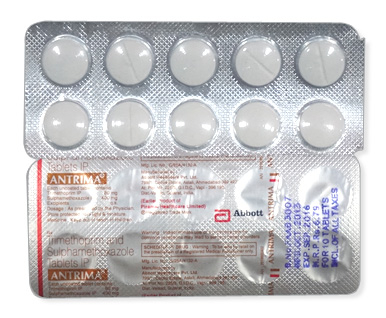
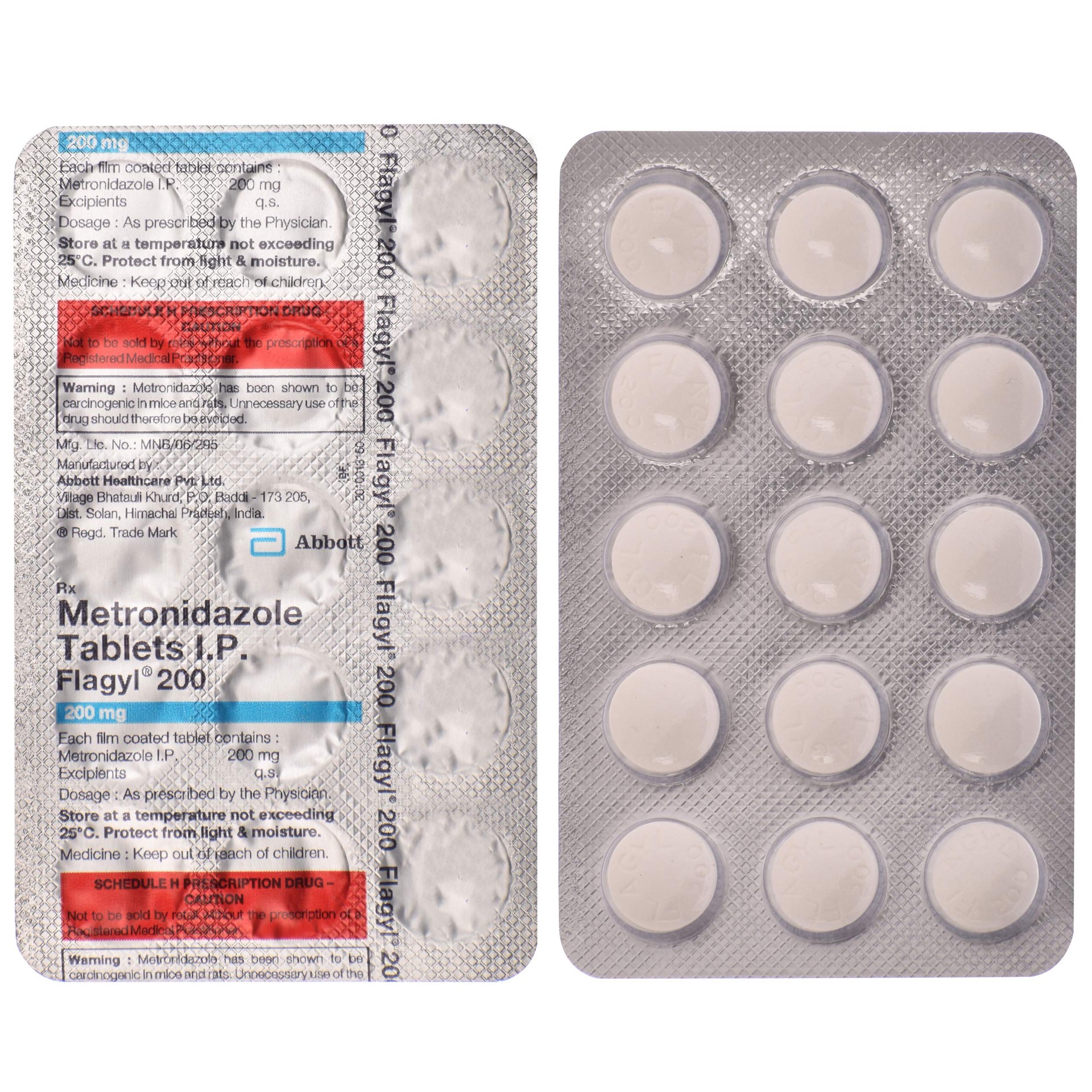
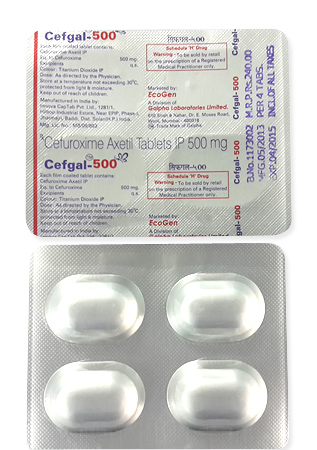
Basic Levofloxacin Information
- INN (International Nonproprietary Name): Levofloxacin.
- Brand Names Available In Canada (English): Levaquin (Janssen) and ACT Levofloxacin (Teva Canada).
- ATC Code: J01MA12.
- Forms & Dosages: Tablets 250 mg, 500 mg, 750 mg; IV infusions 500 mg/100 mL and 750 mg/150 mL (ready-to-use vials); ophthalmic 0.5% eye drops; oral solution not commonly used in Canada.
- Manufacturers In Canada (English): Teva Canada (ACT Levofloxacin) and Janssen/Johnson & Johnson (Levaquin).
- Registration Status In Canada (English): Approved for prescription use in Canada.
- OTC / Rx Classification: Prescription Only (Rx) in Canada.
Availability & Price Landscape
Major National Pharmacy Chains (Shoppers Drug Mart, Rexall, London Drugs)
Canadians commonly find levofloxacin stocked at national chains such as Shoppers Drug Mart, Rexall, and London Drugs.
Those chains typically carry branded Levaquin and generics like ACT Levofloxacin from Teva Canada in tablet and IV forms.
Hospital pharmacies and specialty infusion providers keep IV vials and larger pack sizes for inpatient or OPAT use.
Pharmacies use the Health Canada Drug Identification Number (DIN) to verify exact product and formulation when ordering or dispensing.
Online Pharmacy Trends In Canada (Including Provincial Restrictions)
Interprovincial mail-order fills and telepharmacy consultations are increasingly common for antibiotics including levofloxacin.
Provincial regulations require a valid Canadian prescription before dispensing antibiotics by mail.
Some Canadians compare Canadian prices with U.S. or international vendors and may consider cross-border or online purchases, but customs, import limits and provincial drug plan rules apply.
Pharmacists verify DINs, check provincial formularies, and ensure prescriptions meet local dispensing rules before shipping.
Price Ranges By Package Size (With Provincial Differences)
Expect price variability by brand, pack size and province.
Typical in-store prices for generics such as a 10×500 mg blister pack range roughly CAD $12–$45, with branded Levaquin usually higher.
Provincial formularies and private plans change copays and reimbursement, so out-of-pocket costs depend on coverage such as Ontario Drug Benefit, BC PharmaCare or RAMQ eligibility.
Use the DIN on packaging to compare exact product prices across chains and online listings.
Canadian Patient Insights & Satisfaction Levels
Forum And Review Platforms (Reddit Canada, HealthBoards, AskDocs)
Canadians share experiences with levofloxacin on Reddit Canada, HealthBoards and local pharmacy review sites when discussing antibiotics for UTIs and respiratory infections.
Posts often mention brand names like Levaquin or ACT Levofloxacin when discussing supply or pharmacy stock.
Patients frequently ask about DIN verification, provincial coverage, and safety warnings after reading online resources.
Reported Benefits And Challenges From Canadian Patients
Many patients report rapid symptom improvement for uncomplicated urinary and respiratory infections with once-daily dosing of levofloxacin.
Negative reports commonly relate to adverse effects such as tendon pain, dizziness and gastrointestinal upset, consistent with known side-effect profiles.
Some patients describe delays in obtaining IV formulations for outpatient parenteral antibiotic therapy because of procurement procedures at regional hospitals.
Pharmacists are often cited as the source of counselling on photosensitivity, QT interactions and renal dosing adjustments.
Example patient quote (anonymized): "My UTI cleared quickly after the 500 mg once-daily course, but my pharmacist warned me to stop and call if I had tendon pain."
Product Overview & Brand Variants
INN And Brand Names Used In Canada
The International Nonproprietary Name is levofloxacin.
In Canada it is marketed as Levaquin (Janssen) and generics such as ACT Levofloxacin (Teva Canada).
International brands like Tavanic and Cravit exist, but Canadian purchases should carry a Canadian DIN to confirm Health Canada approval.
The ATC classification is J01MA12, which identifies levofloxacin as a fluoroquinolone antibacterial for systemic use.
Legal Classification Under Health Canada
Levofloxacin is prescription-only across Canada under Health Canada regulations.
Pharmacies must retain a valid prescription and verify the product using its DIN prior to dispensing.
Ophthalmic forms may be marketed under different trade names but are still regulated and require appropriate prescriptions or orders.
Indications In Local Canadian Medical Practice
Approved Uses (Health Canada DIN Context)
Health Canada–approved systemic indications for levofloxacin align with international practice for community-acquired pneumonia, complicated urinary tract infections including pyelonephritis, chronic bronchitis exacerbations, skin and soft tissue infections, prostatitis and complicated intra-abdominal infections.
Typical adult regimens include 500–750 mg once daily depending on indication, with pyelonephritis commonly treated with 750 mg once daily for five days.
Prescriptions should include the indication in charts and be traceable to the DIN that describes approved uses.
Off-Label Patterns In Canadian Healthcare
Canadian prescribers may use levofloxacin off-label for atypical or severe respiratory pathogens or for oral step-down therapy from IV when culture and sensitivity support the choice.
Pediatric use is rare and specialist-driven because of musculoskeletal risks noted with fluoroquinolones.
Hospital antimicrobial stewardship programs often restrict fluoroquinolone use to culture-proven susceptible infections or when alternatives are unsuitable.
How It Works In The Body
Layman’s Explanation (Canadian Patient-Friendly Tone)
Levofloxacin is an antibiotic that stops certain bacteria from copying their DNA, which prevents them from multiplying so your immune system can clear the infection.
Patients usually take it once daily, which most find easier than multiple daily doses.
Because oral absorption is high, many patients switch from IV to oral doses during recovery without losing effect.
Clinical Detail From Health Canada Resources
Pharmacologically, levofloxacin belongs to the fluoroquinolone class (ATC J01MA12) and inhibits bacterial DNA gyrase and topoisomerase IV.
It has broad activity against Gram-negative bacteria and some Gram-positive organisms and is eliminated mainly by the kidneys, so renal dosing adjustments are required in impaired renal function.
Patients should be counselled about photosensitivity, tendon symptoms and QT-prolongation risk when other QT-prolonging drugs are present.
Dosage & Administration
Standard Regimens Per Canadian Guidelines
Common adult dosing in Canada: 500 mg once daily for many infections such as chronic bronchitis and complicated UTIs.
Community-acquired pneumonia typically uses 500–750 mg once daily for 7–14 days depending on severity.
Pyelonephritis regimens commonly use 750 mg once daily for five days.
Duration is guided by infection severity, microbiology results and stewardship recommendations.
Adjustments By Patient Type (With Canadian Clinical Notes)
Do not co-administer with multivalent cations such as antacids, calcium or iron within 2–4 hours because absorption is reduced.
Renal impairment adjustments: for CrCl 20–49 mL/min give 500 mg once then 250 mg once daily; for CrCl <20 mL/min give 500 mg once then 250 mg every 48 hours.
Elderly patients require adjustment only for renal function, not age alone.
Pregnancy and breastfeeding are generally avoided unless the benefit outweighs risk, and pediatric dosing is specialist-led due to cartilage concerns.
Contraindications & Side Effects
Common (Health Canada-Approved List)
Absolute contraindications include known allergy to levofloxacin or other quinolones, and history of tendon disorders related to quinolone use.
Children and adolescents are generally excluded except when specialist care deems it necessary.
Common side effects include nausea, headache, diarrhoea, insomnia and dizziness.
Rare But Serious (With Canadian Pharmacovigilance Data)
Serious but less frequent adverse events include tendonitis and tendon rupture (notably Achilles tendon), central nervous system effects including confusion and seizures, QT prolongation, photosensitivity and severe allergic reactions.
Provincial pharmacovigilance systems and Health Canada adverse-event reporting capture tendon and neurological events that, while uncommon, require immediate action.
Risk mitigation steps taken by Canadian pharmacists include screening for steroid co‑administration, seizure history, QT‑prolonging medicines and renal impairment.
Comparable Medicines In Canada
Alternatives Table (With DIN References)
Clinical alternatives on Canadian formularies include ciprofloxacin, moxifloxacin, ofloxacin and norfloxacin, all within the fluoroquinolone ATC group or similar antibacterial classes.
Ciprofloxacin is strong against Gram-negative organisms including Pseudomonas and often preferred for certain UTIs.
Moxifloxacin has excellent respiratory coverage but is less used for UTIs due to low urinary concentrations.
Pros And Cons List
Levofloxacin: once-daily dosing, broad respiratory activity and high oral bioavailability are advantages; tendon, QT and CNS risks are notable disadvantages.
Ciprofloxacin: superior Gram-negative and Pseudomonas coverage, but less reliable for respiratory Gram-positive pathogens.
Moxifloxacin: strong respiratory coverage, potential higher QT risk, and reduced urinary effectiveness.
Current Research & Trends
Major Canadian Or International Studies 2022–2025
Recent studies have emphasised antimicrobial stewardship efforts to reduce fluoroquinolone prescribing for uncomplicated infections and to quantify safety signals such as tendon and CNS risks.
Research from 2022–2025 evaluated short-course high-dose regimens, OPAT outcomes using oral levofloxacin step-down to reduce IV days, and provincial resistance surveillance for E. coli and respiratory pathogens.
Several Canadian hospital stewardship programs report reduced fluoroquinolone use following guideline updates that encourage narrower-spectrum alternatives.
Current trials are assessing oral versus IV equivalence in specific infection types to guide OPAT expansion and reduce inpatient IV days.
Common Patient Questions In Canada
Can I buy levofloxacin without a prescription?
No — levofloxacin is prescription-only across Canada and pharmacies will require a valid Canadian prescription and DIN verification.
Is generic as good as branded?
Yes — generics such as ACT Levofloxacin from Teva Canada are Health Canada–approved and contain the same active ingredient with equivalent bioavailability; check the DIN on the pack.
What safety warnings should I know?
Watch for tendon pain, sudden joint swelling, severe diarrhoea (possible C. difficile), dizziness and any neurological symptoms; stop the drug and seek prompt medical advice for serious reactions.
Will provincial drug plans cover it?
Coverage varies by province and plan; check Ontario Drug Benefit, BC PharmaCare, RAMQ and private insurers for eligibility and formulary listings.
Travel note: carry the prescription when travelling as packaging and brand names may differ by country.
In our online pharmacy, levofloxacin is available without a prescription, with discreet delivery to Canada (English) in 5-14 days.
Regulatory Status
Health Canada Approval Process
Levofloxacin products sold in Canada must be approved by Health Canada with supporting clinical, quality and manufacturing data submitted by the manufacturer.
Following approval a Drug Identification Number (DIN) is assigned and appears on packaging for pharmacist and consumer verification.
Post-market surveillance and adverse-event reporting inform ongoing safety monitoring.
DIN Number Relevance
The DIN allows pharmacists to confirm product authenticity, strength and approved indications before dispensing or listing an item for sale online.
When comparing online prices or submitting claims to provincial plans, consumers should note the DIN to ensure the product matches formulary listings.
Visual Recommendations
Infographic Ideas For Canadian Context
Create a medication-at-a-glance card showing active ingredient, strengths (250/500/750 mg), forms (tablet/IV/ophthalmic), DIN and ATC J01MA12.
Design a dosage flowchart that maps indication to standard dose and includes a renal-adjustment branch using the CrCl rules.
Include a safety action strip highlighting red-flag symptoms like tendon pain, severe diarrhoea and new neurological signs with immediate actions such as "stop drug" and "seek care."
Provide a price and availability map showing likely in-stock chain stores by province and notes about online ordering and provincial restrictions.
Buying & Storage Advice
In-Store Vs. Online Canadian Purchase Tips
Only purchase from licensed Canadian pharmacies that require a valid prescription and display the DIN for the product.
For online purchases use province-registered pharmacies that provide secure dispensing and pharmacist consultation.
Cross-border or international purchases carry customs, import limit and counterfeit risks and may not be reimbursed by provincial plans.
Proper Storage With Canadian Climate Considerations
Store tablets at room temperature 15–30°C, protected from moisture and light.
During cold Canadian winters avoid leaving medications in cars or unheated outdoor mailboxes to prevent freezing.
IV products may require refrigeration and cold-chain handling for OPAT deliveries; follow pharmacy instructions for transport and storage.
Dispose of unused or expired antibiotics at community take-back programs.
Guidelines For Proper Use
Canadian Doctor/Pharmacist Advice Style
Confirm the indication and obtain cultures where feasible before prescribing levofloxacin and document the DIN and reason for therapy.
Explain dosing clearly: 500–750 mg once daily depending on infection, and emphasise renal adjustments and full-course adherence unless advised otherwise by a clinician.
Counsel patients to avoid antacids and iron or calcium supplements within 2–4 hours of a dose and to report tendon pain, neurological changes or severe diarrhoea immediately.
Recommend renal monitoring for patients with known impairment and consider ECG review when other QT‑prolonging drugs are present.
Record counselling in the patient profile and provide written information including DIN, storage instructions and emergency advice.
Delivery Across Canada (English)
| City | Region | Delivery Time |
|---|---|---|
| Toronto | Ontario | 5-7 days |
| Montreal | Quebec | 5-7 days |
| Vancouver | British Columbia | 5-7 days |
| Calgary | Alberta | 5-7 days |
| Edmonton | Alberta | 5-7 days |
| Ottawa | Ontario | 5-7 days |
| Winnipeg | Manitoba | 5-7 days |
| Quebec City | Quebec | 5-7 days |
| Halifax | Nova Scotia | 5-7 days |
| Victoria | British Columbia | 5-7 days |
| Saskatoon | Saskatchewan | 5-9 days |
| Regina | Saskatchewan | 5-9 days |
| St. John's | Newfoundland and Labrador | 5-9 days |
| Kelowna | British Columbia | 5-9 days |