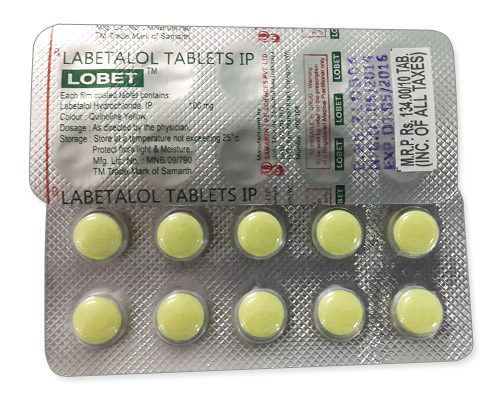
Spironolactone
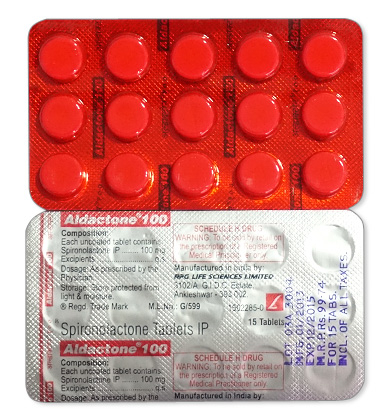
Spironolactone
- Spironolactone is generally a prescription-only medicine in most countries (including Health Canada, the US FDA and EMA jurisdictions); however, practices vary and in some pharmacies it may be possible to obtain spironolactone without a receipt — availability depends on local regulations and the pharmacy.
- Spironolactone is used for edema (heart failure, cirrhosis, nephrotic syndrome), hypertension, primary aldosteronism, hypokalemia prevention, and off-label for acne and hirsutism; it is a potassium-sparing diuretic and aldosterone antagonist with antiandrogenic activity (blocks aldosterone receptors in the distal nephron, reducing sodium retention and potassium loss, and antagonises androgen effects).
- Usual adult doses vary by indication: edema commonly 25–200 mg/day (typical 100 mg/day), hypertension 25–100 mg/day, heart‑failure adjunct 12.5–50 mg/day, primary aldosteronism 100–400 mg/day, and acne/hirsutism 50–200 mg/day; paediatric dosing is weight‑based (≈1–3 mg/kg/day) and requires specialist guidance.
- Administered orally — commonly as tablets (25 mg, 50 mg, 100 mg); oral suspensions are less common and some combination tablets (e.g., with hydrochlorothiazide) are available.
- Diuretic effects usually begin within 24–48 hours; antihormonal/antiandrogenic effects (for acne or hirsutism) can take weeks to months to become noticeable.
- The clinical duration of action is typically 24–72 hours (active metabolites prolong effect), allowing once‑daily or divided dosing depending on indication.
- Avoid excessive alcohol: alcohol can worsen dizziness, orthostatic hypotension and dehydration risk while taking spironolactone; consume alcohol with caution and discuss with your prescriber.
- The most common side effects are gastrointestinal upset (nausea, vomiting, diarrhoea); other frequent or important effects include hyperkalemia, menstrual irregularities, gynecomastia, drowsiness/headache and rash.
- Would you like to try spironolactone without a prescription?
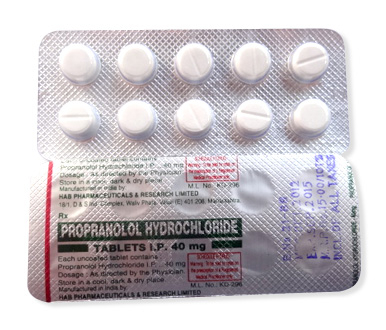
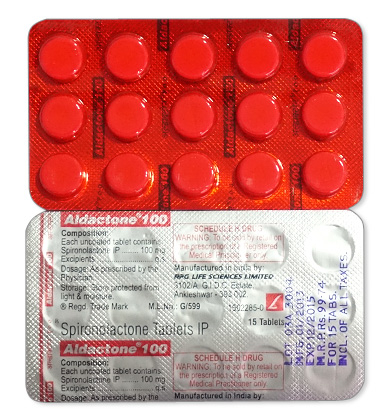
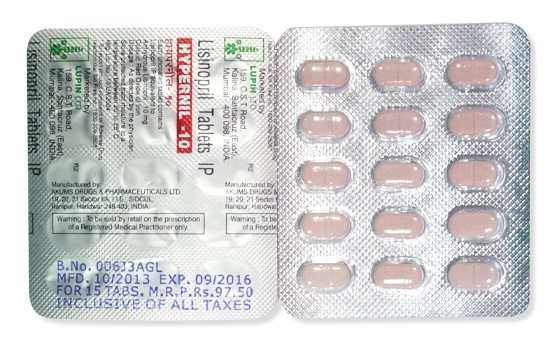
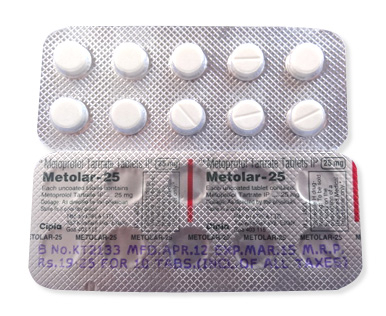
Basic Spironolactone Information
- INN (International Nonproprietary Name): Spironolactone.
- Brand Names Available In Canada (English): Aldactone; Aldactazide (combination products may be listed).
- ATC Code: C03DA01.
- Forms & Dosages: Tablets commonly 25 mg, 50 mg, 100 mg; oral suspension sometimes compounded; combo tablets with hydrochlorothiazide in some products.
- Manufacturers In Canada (English): Pfizer listed as a global supplier; other manufacturers and generic suppliers supply products that may be available in Canada.
- Registration Status In Canada (English): Health Canada–approved products are available and regulated through standard national processes.
- OTC / Rx Classification: Prescription Only ("Rx").
- Standard Dosages By Condition: See product monograph for detail; typical adult doses range from 12.5–400 mg/day depending on indication and setting.
- Dosage Adjustments: Use extreme caution or avoid in CrCl <30 mL/min; reduce starting doses in elderly and adjust for hepatic impairment.
- Storage & Transport: Store at 20–25°C (68–77°F), protected from light and moisture.
- Absolute Contraindications: Acute renal insufficiency, anuria, Addison's disease, known hypersensitivity, baseline hyperkalemia.
Availability & Price Landscape
Major National Pharmacy Chains (Shoppers Drug Mart, Rexall, London Drugs)
Where can patients expect to find spironolactone in Canada?
Major national chains such as Shoppers Drug Mart, Rexall and London Drugs commonly stock spironolactone tablets in 25 mg, 50 mg and 100 mg strengths.
Community and independent pharmacies also dispense spironolactone, and availability often reflects brand/generic stocking cycles.
Combo products such as spironolactone/hydrochlorothiazide (Aldactazide-style) are stocked less frequently and may require special ordering.
Provincial drug plans and hospital formularies can influence which brands or generic suppliers a store carries.
Online Pharmacy Trends In Canada (Including Provincial Restrictions)
Is it possible to order spironolactone online in Canada?
Licensed Canadian online pharmacies and provincial chains' webstores dispense spironolactone only with a valid prescription.
Cross-border purchases from U.S. websites are commonly discussed by patients but carry importation and safety concerns because product DIN verification may be missing.
Dispensing models vary by province, and virtual renewals and pharmacist-prescriber collaboration differ across jurisdictions.
Provincial drug plans such as ODB, BC PharmaCare and RAMQ may require specific DINs or prior authorization for coverage.
Price Ranges By Package Size (With Provincial Differences)
How much does spironolactone typically cost in Canada?
Retail prices vary by strength, pack size, brand and provincial negotiated rates, with typical ranges approximately CAD 12–60 per 30–100 tablets depending on those factors.
Provincial drug plans can substantially reduce out-of-pocket costs for eligible patients.
| Strength / Pack | Ontario (Example) | British Columbia (Example) | Quebec (Example) | Alberta (Example) |
|---|---|---|---|---|
| 25 mg / 30 tablets | Approx. CAD 12–25 | Approx. CAD 12–28 | Approx. CAD 12–30 | Approx. CAD 12–27 |
| 50 mg / 30 tablets | Approx. CAD 15–35 | Approx. CAD 15–38 | Approx. CAD 15–40 | Approx. CAD 15–36 |
| 100 mg / 30 tablets | Approx. CAD 20–60 | Approx. CAD 20–60 | Approx. CAD 20–60 | Approx. CAD 20–60 |
These ranges are indicative and reflect the typical retail spread noted across Canadian pharmacies rather than fixed list prices.
Canadian Patient Insights & Satisfaction Levels
Forum And Review Platforms (Reddit Canada, HealthBoards, AskDocs)
What do Canadian patients say online about spironolactone?
Discussions appear frequently on Reddit Canada, provincial Facebook groups, HealthBoards and AskDocs, focusing on acne, hirsutism and blood-pressure control.
Patients often exchange practical tips about lab monitoring, contraception counselling and pharmacy availability.
Reported Benefits And Challenges From Canadian Patients
Which outcomes and frustrations come up most in patient posts?
Many patients report noticeable cosmetic improvement for androgenic acne within 3–6 months, which aligns with expected clinical timelines.
Common frustrations include symptomatic dizziness, menstrual changes and variability in how often labs are requested by prescribers.
Supply shortages or uneven brand availability at independent stores are often discussed, and cost variation across provinces is a frequent concern.
Cross-border buying for lower prices is mentioned but tempered by safety worries such as counterfeit products and absence of DIN verification.
- Reported Positive Outcomes: Reduced acne, improved hirsutism control, better fluid balance in oedema.
- Reported Challenges: Side effects (dizziness, menstrual changes), monitoring inconsistencies, price and supply variability.
Product Overview & Brand Variants
INN And Brand Names Used In Canada
What brands of spironolactone are seen in Canada?
The International Nonproprietary Name is spironolactone and the brand Aldactone is marketed in Canada.
Generic products from multiple manufacturers are also available and may appear labelled by the manufacturer such as Pfizer or other generic suppliers.
Packaging commonly includes tablets in 25 mg, 50 mg and 100 mg strengths in blister packs or bottles.
Combination tablets with hydrochlorothiazide (Aldactazide-style) exist but are less commonly stocked.
Legal Classification Under Health Canada
Is spironolactone prescription or over-the-counter in Canada?
Spironolactone is classified as prescription-only across jurisdictions and Health Canada-approved products carry a Drug Identification Number (DIN).
Pharmacies may substitute generic equivalents following provincial substitution regulations and should verify DIN and expiry on receipt.
Indications In Local Canadian Medical Practice
Approved Uses (Health Canada DIN Context)
What are the routine, approved uses in Canada?
Approved indications typically include oedema associated with heart failure, cirrhosis or nephrotic syndrome, adjunctive therapy for hypertension and use in primary hyperaldosteronism diagnosis and management.
Heart-failure guidance commonly uses low-dose spironolactone (12.5–50 mg/day) as adjunctive therapy in selected patients.
Off-Label Patterns In Canadian Healthcare
How is spironolactone used off-label in Canada?
Off-label prescribing for androgen-driven dermatologic conditions such as acne and hirsutism is widespread, with typical dermatologist or family-physician regimens of 50–200 mg/day when contraception and monitoring are addressed.
Pediatric use is specialist-led and conservative, and prescribers tailor therapy to renal and hepatic status and formulary requirements.
| Indication | Typical Dose In Canada |
|---|---|
| Edema (CHF, Cirrhosis, Nephrotic) | Approximately 25–200 mg/day; 100 mg/day typical for oedema |
| Hypertension | 25–100 mg/day |
| Heart Failure (Adjunct) | 12.5–50 mg/day |
| Acne / Hirsutism (Off-Label) | 50–200 mg/day |
Checklist For Off-Label Counselling:
- Confirm contraception for women of childbearing potential.
- Arrange baseline and follow-up electrolytes and renal function tests.
- Document indication and monitoring plan on the chart or pharmacy record.
How It Works In The Body
Layman’s Explanation (Canadian Patient-Friendly Tone)
How does spironolactone help the body in plain language?
Spironolactone is a potassium-sparing diuretic that helps the body remove excess salt and water while conserving potassium.
It blocks the effects of the hormone aldosterone, which lowers fluid retention and can lower blood pressure in some people.
For acne and excess hair growth, spironolactone reduces the action of androgens at hormone receptors, which in time reduces oil production and unwanted hair growth.
Clinical Detail From Health Canada Resources
What are the clinical pharmacology points to know?
Spironolactone is classified under ATC code C03DA01 as an aldosterone antagonist and potassium-sparing agent.
It is metabolised to active metabolites such as canrenone and eliminated mainly via renal routes.
Diuretic effects may appear within days while endocrine effects relevant to acne typically take 3–6 months.
Key safety considerations include the risk of hyperkalemia and contraindications in severe renal impairment or anuria, with monitoring of electrolytes and renal function after starting or changing dose.
Dosage & Administration
Standard Regimens Per Canadian Guidelines
What dosing patterns do Canadian clinicians generally use?
Typical adult regimens include 25–100 mg/day for hypertension, around 100 mg/day for oedema (range 25–200 mg/day), and 12.5–50 mg/day as adjunctive therapy in heart failure.
For dermatologic indications, off-label doses range 50–200 mg/day and prescribers usually allow at least 3 months before assessing response.
Start-low-and-titrate approaches are common, often beginning at 25–50 mg/day and increasing as tolerated with laboratory follow-up.
Adjustments By Patient Type (With Canadian Clinical Notes)
How are doses adjusted for special populations?
Renal impairment with CrCl <30 mL/min is a warning to avoid or use extreme caution because of hyperkalemia risk.
Elderly patients generally start at lower doses and undergo closer monitoring for renal function and potassium.
Hepatic dysfunction requires caution because of altered fluid and electrolyte handling, and specialist input is advised for high-dose regimens like primary aldosteronism therapy.
Monitoring Schedule (Typical):
- Baseline: Serum potassium and creatinine before initiation.
- Early Follow-Up: 3–7 days after start or dose change.
- Short-Term: 1 month after initiation.
- Ongoing: Every 1–3 months tailored to risk and renal function.
Contraindications & Side Effects
Common (Health Canada-Approved List)
Who should not take spironolactone?
Absolute contraindications include acute renal insufficiency, anuria, Addison's disease, known hypersensitivity and baseline hyperkalemia.
Common side effects include gastrointestinal upset, dizziness, drowsiness, menstrual irregularities, breast tenderness and electrolyte disturbances such as hyperkalemia.
Rare But Serious (With Canadian Pharmacovigilance Data)
What are the rare but serious risks to watch for?
Serious events reported include severe hyperkalemia that can cause cardiac arrhythmia, severe allergic reactions and significant hepatic dysfunction in predisposed individuals.
Drug interactions with ACE inhibitors, angiotensin receptor blockers, potassium supplements and certain NSAIDs increase hyperkalemia risk and must be reviewed prior to starting therapy.
Decision Guide — When To Seek Urgent Care:
- Muscle weakness or cramps, palpitations or fainting warrant immediate medical attention.
- Severe nausea, vomiting or profound drowsiness requires urgent assessment for electrolyte disturbance.
Comparable Medicines In Canada
Alternatives Table (With DIN References)
What are common alternatives if spironolactone is unsuitable?
| Drug | Class | Typical Notes |
|---|---|---|
| Eplerenone | Aldosterone Antagonist | Fewer hormonal effects than spironolactone; may be costlier; check provincial formulary DIN listings. |
| Amiloride | Potassium-Sparing Diuretic | Less potent; useful in combination strategies; consult DIN and formulary. |
| Triamterene | Potassium-Sparing Diuretic | Sometimes used in combination with thiazides; monitor for renal function and potassium. |
Pros And Cons List
How do these agents compare in practice?
- Spironolactone: Effective for oedema, heart failure and androgenic dermatology; higher risk of hormonal side effects and hyperkalemia.
- Eplerenone: Better hormonal side-effect profile but may be less potent for some indications and more expensive.
- Amiloride/Triamterene: Milder potassium-sparing effect and useful in specific combination regimens.
Current Research & Trends
Major Canadian Or International Studies 2022–2025
What recent research topics involve spironolactone?
Recent trials and observational work have examined low-dose benefits in resistant hypertension and comparative safety versus eplerenone.
Canadian registry data from 2022–2025 has investigated real-world hyperkalemia incidence and varied laboratory monitoring practices.
Dermatology research continues to refine optimal dosing for acne while emphasising contraceptive counselling and safety monitoring.
Pharmacoeconomic studies in Canada compare spironolactone with other aldosterone antagonists while considering provincial reimbursement and out-of-pocket costs.
Common Patient Questions In Canada
Do I need a prescription?
Yes, spironolactone is prescription-only in Canada and pharmacists verify DINs and counsel prior to dispensing.
How soon will acne improve?
Improvement for acne typically appears after 3–6 months of therapy.
What monitoring is needed?
Baseline serum potassium and creatinine, repeat lab testing within 3–7 days of starting or changing dose, then monthly to quarterly depending on risk.
Can I take potassium supplements or ACE inhibitors?
Combining spironolactone with potassium supplements or ACE inhibitors increases hyperkalemia risk and requires close monitoring or avoidance.
Is it safe in pregnancy?
Spironolactone is generally avoided in pregnancy and women of childbearing potential should use effective contraception and discuss risks with their prescriber.
Tips For Provincial Coverage:
- Ask your pharmacist if the product DIN is listed by ODB, BC PharmaCare or RAMQ to potentially reduce cost.
- Pharmacies may substitute generics following provincial substitution rules during shortages.
Quick Action Checklist — When To Call The Pharmacist Or Seek Care:
- Call the pharmacist for missed refill, substitution questions or mild side effects.
- Seek emergency care for severe weakness, palpitations or fainting.
Regulatory Status
Health Canada Approval Process
How does Health Canada approve spironolactone products?
Health Canada reviews safety, efficacy and product quality before granting approval and issues a DIN to authorised products.
Manufacturing quality and GMP compliance are part of the regulatory assessment and ongoing inspection regime.
DIN Number Relevance
Why does the DIN matter to patients and clinicians?
The DIN confirms Health Canada authorisation, links to the product monograph and is used for inventory control and provincial formulary listings.
Pharmacists should check the DIN when substituting products and when patients report supply or coverage issues.
Visual Recommendations
Infographic Ideas For Canadian Context
What visuals help shoppers and patients understand spironolactone quickly?
Create a quick facts panel listing INN, brand names, strengths (25/50/100 mg), ATC C03DA01 and prescription-only status with Health Canada–style icons.
Design a dosing timeline visual for hypertension, oedema and acne showing expected onset and lab-monitoring checkpoints.
Include a safety flowchart for hyperkalemia risk with clear instructions on when to contact a pharmacist or emergency services.
Provide a provincial coverage map highlighting ODB, BC PharmaCare and RAMQ differences and include DIN callouts on product images.
Buying & Storage Advice
In-Store Vs. Online Canadian Purchase Tips
Should I buy spironolactone in-store or online?
Purchase only from licensed Canadian pharmacies and always have a valid prescription verified by the pharmacy.
In-store advantages include immediate pharmacist counselling, on-hand substitution options during shortages at Shoppers, Rexall or London Drugs, and direct pick-up if urgent.
Online convenience and sometimes lower list prices are real, but confirm the pharmacy is licensed and check shipping timelines and DIN verification.
Note: In our online pharmacy, spironolactone is available without a prescription, with discreet delivery to Canada (English) in 5-14 days.
Cross-border purchases from U.S. sellers may lower cost but increase risk of products lacking a Canadian DIN or proper verification.
Proper Storage With Canadian Climate Considerations
How should spironolactone be stored at home?
Store at controlled room temperature 20–25°C (68–77°F) and protect from light and moisture as per product labelling.
Avoid leaving medication in very hot cars during summer or near heating sources in winter in Canadian climates.
For compounded suspensions or short-term supplies, follow pharmacist instructions which may include refrigeration.
Always check expiry dates and packaging integrity on receipt from the pharmacy.
Guidelines For Proper Use
Canadian Doctor/Pharmacist Advice Style
What practical steps should prescribers and pharmacists take?
Confirm the indication and baseline labs, review medications that increase potassium and counsel women of childbearing potential on contraception and pregnancy risks.
Document DIN and brand for continuity and use the lowest effective dose with scheduled follow-up labs 3–7 days after initiation or dose change.
For dermatologic use document a contraception discussion and set expectations that acne benefit usually takes 3–6 months.
Pharmacist Counselling Script (Printable):
- Explain dosing schedule and missed-dose instructions (do not double doses).
- Review signs of hyperkalemia and interaction checklist (ACE inhibitors/ARBs, NSAIDs, potassium supplements).
- Arrange lab monitoring timeline and ensure the prescriber receives updates on abnormal results.
Delivery Across Canada (English)
| City | Region | Delivery Time |
|---|---|---|
| Toronto | Ontario | 5-7 days |
| Montreal | Quebec | 5-7 days |
| Vancouver | British Columbia | 5-7 days |
| Calgary | Alberta | 5-7 days |
| Edmonton | Alberta | 5-7 days |
| Ottawa | Ontario | 5-7 days |
| Quebec City | Quebec | 5-7 days |
| Winnipeg | Manitoba | 5-9 days |
| Halifax | Nova Scotia | 5-9 days |
| Saskatoon | Saskatchewan | 5-9 days |
| Regina | Saskatchewan | 5-9 days |
| Victoria | British Columbia | 5-9 days |
| London | Ontario | 5-9 days |
| Kitchener | Ontario | 5-9 days |
| St. John’s | Newfoundland and Labrador | 5-9 days |