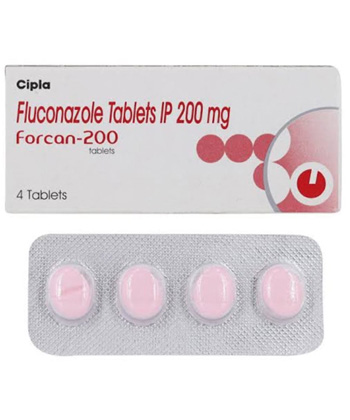
Rulide
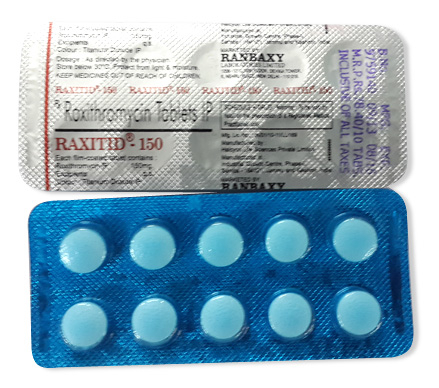
Rulide
- In our pharmacy, you can buy rulide without a prescription with delivery across Canada; note that formally roxithromycin (Rulide) is classified as prescription-only in many countries, so availability without a prescription may vary by pharmacy and jurisdiction.
- Rulide (roxithromycin) is a macrolide antibiotic used to treat bacterial respiratory infections (pharyngitis, tonsillitis, bronchitis, pneumonia), skin and soft tissue infections, and non‑gonococcal urethritis; it works by binding to the 50S bacterial ribosomal subunit and inhibiting protein synthesis.
- Usual dosage: adults typically 150 mg every 12 hours or 300 mg once daily (some regimens use 150–300 mg every 12 hours for pneumonia); children: approximately 5–8 mg/kg/day; typical treatment courses last 5–10 days depending on the infection and clinical response.
- Form of administration: oral — film‑coated tablets (150 mg and 300 mg), dispersible tablets and oral suspensions are available (generics may vary by country).
- Onset time: roxithromycin reaches peak plasma concentrations in about 1–3 hours; clinical symptom improvement is often seen within 48–72 hours of starting therapy.
- Duration of action: effective plasma concentrations persist for roughly 12–24 hours (half‑life ≈ 11–12 hours), permitting once‑ or twice‑daily dosing; full treatment courses usually run 5–10 days.
- Alcohol warning: avoid excessive alcohol while taking Rulide — alcohol can increase gastrointestinal side effects and may add to liver stress; use caution if you have existing liver disease.
- The most common side effects are gastrointestinal (nausea, vomiting, stomach pain, diarrhea), plus headache and occasional skin rash or mild hypersensitivity reactions.
- Would you like to try rulide without a prescription?
Availability & Price Landscape (Market Realities First)
Basic Rulide Information
- INN (International Nonproprietary Name): Roxithromycin
- Brand Names Available In Canada (English): not specified
- ATC Code: J01FA06 (Group J Antiinfectives For Systemic Use; Subgroup J01 Antibacterials For Systemic Use, FA Macrolides, 06 Roxithromycin)
- Forms & Dosages: Film-coated tablets 150 mg and 300 mg (150 mg packs of 10; 300 mg packs of 5); dispersible tablets and oral suspensions available in some markets.
- Manufacturers In Canada (English): not specified
- Registration Status In Canada (English): not specified
- OTC / Rx Classification: Prescription Only Medicine (Rx) in all markets.
Where can I actually find rulide or roxithromycin in Canada and what will it cost me?
Rulide (the Sanofi trade name used in Australia and parts of Europe) is not commonly visible on major Canadian retail product pages.
Major Canadian pharmacy chains such as Shoppers Drug Mart, Rexall and London Drugs typically stock macrolides like azithromycin and clarithromycin rather than roxithromycin.
Roxithromycin may appear only as imported generic roxithromycin or through special-order and compounded supply depending on the chain pharmacy policy and provincial rules.
Provincial prescription and import rules mean availability varies by province and by chain pharmacy policy.
Online Canadian pharmacies will list prescription macrolides and may be able to special-order roxithromycin where permitted.
Cross-border ordering from the United States is common among Canadians but patients should watch customs, mailing restrictions and prescription verifications.
| Channel | Typical Availability | Notes On Price |
|---|---|---|
| In-Store (National Chains) | Usually no regular stock for Rulide; azithromycin/clarithromycin commonly in stock. | Prices align with mid-range macrolides; Rulide may be higher if special-ordered or imported. |
| Online Canadian Pharmacy | Prescription-listed macrolides available; roxithromycin may be listed as generic or by special order. | Compare listed prices and check provincial plan reimbursement before purchase. |
| Cross-Border/Imported | Possible but subject to customs and verification. | Costs vary; shipping and import fees can increase final price. |
Price ranges depend on package size and province.
Where roxithromycin appears, expect packaging similar to international listings: 150 mg tablets in packs of 10 and 300 mg tablets in packs of 5.
Out-of-pocket cost for roxithromycin is often similar to mid-range macrolides but can be higher if the product is imported.
Provincial drug plans such as ODB, BC PharmaCare and RAMQ rarely list roxithromycin on formularies, so reimbursement is uncommon without special-authority approval.
Check provincial formularies and contact your pharmacist before ordering if coverage is required.
Major National Pharmacy Chains (Shoppers Drug Mart, Rexall, London Drugs)
Customers often call ahead when searching for a less-common antibiotic like roxithromycin.
Shoppers Drug Mart, Rexall and London Drugs most commonly stock azithromycin and clarithromycin on retail shelves.
Roxithromycin is typically not visible as a regular Sanofi Rulide product on Canadian retail pages.
Pharmacies may be able to special-order roxithromycin or source a generic roxithromycin where permitted by suppliers.
Availability often hinges on provincial rules and whether the pharmacy is willing to import or place a special order.
Online Pharmacy Trends In Canada (Including Provincial Restrictions)
Licensed Canadian online pharmacies will verify prescriptions and list prescription macrolides for sale.
Provincial pharmacy college rules and Health Canada importation guidance influence whether roxithromycin can be sourced from abroad.
Cross-border online ordering remains common, but customs delays and the need for valid prescriptions can complicate delivery.
Patients should prefer licensed Canadian online pharmacies to reduce the risk of non-regulated products.
Price Ranges By Package Size (With Provincial Differences)
Expect variation by package: 150 mg packs of 10 and 300 mg packs of 5 are the typical international pack sizes.
Where available domestically, prices may match other mid-range macrolides, but special orders and imports increase cost.
Provincial differences arise from formulary coverage, dispensing fees and special-authority procedures.
Contact a pharmacist to get a province-specific price estimate and to check whether a therapeutic alternative will be covered by public plans.
Canadian Patient Insights & Satisfaction Levels
What do Canadians say online when they mention rulide or roxithromycin?
Conversations about roxithromycin usually appear within broader macrolide threads on Reddit Canada, HealthBoards and condition-specific forums.
Direct reviews for Rulide are fewer than for azithromycin, but anecdotes still offer useful practical insights.
- Pros: Effective symptom relief for bacterial pharyngitis and some skin infections in many reports.
- Pros: Anecdotal reports of fewer gastrointestinal complaints compared with erythromycin.
- Cons: Difficulty sourcing the Rulide brand in Canada and confusion about prescription-only rules.
- Cons: Inconsistent supply between provinces reduces satisfaction even when clinical effect is good.
Short anonymized forum excerpts.
“My GP prescribed roxithromycin after a penicillin allergy; it cleared my throat infection in a few days but the pharmacy had to special-order it.”
“I tolerated it better than erythromycin, less nausea, but my insurance wouldn’t cover it so it was expensive.”
Patient satisfaction often hinges on access and cost rather than efficacy alone.
Community health centres and pharmacist consultations in Canada commonly guide patients toward available macrolide alternatives when Rulide is not stocked.
Forum And Review Platforms (Reddit Canada, HealthBoards, AskDocs)
Most commentary resides in threads comparing macrolides or describing penicillin allergy management strategies.
Rulide-specific threads exist but are less frequent than azithromycin discussions.
Pharmacists monitoring these forums use the reports to inform counselling on tolerability and access issues.
Reported Benefits And Challenges From Canadian Patients
Reported benefits include effective treatment of bacterial throat and skin infections and sometimes improved GI tolerability when compared to older macrolides.
Challenges include sourcing the brand, out-of-pocket cost when not covered by formularies and uncertainty about how to import or special-order.
Side-effect reports align with clinical data: nausea, diarrhoea and headache are most common, with rare liver enzyme changes noted.
Product Overview & Brand Variants
What should shoppers see on a product page for roxithromycin?
Prominently state the INN roxithromycin and clarify that Rulide is the Sanofi trade name used in Australia and parts of Europe.
In Canada, searches for Rulide should include the INN roxithromycin and generic suppliers because the exact Sanofi Rulide brand is not commonly listed domestically.
| INN / Brand | Country | Dosage Forms / Packaging |
|---|---|---|
| Roxithromycin (Rulide) | Australia | Tablets 150 mg (packs of 10); 300 mg (packs of 5) |
| Roxithromycin (Rulid) | France / Italy | Tablets 150 mg and 300 mg; dispersible forms in some markets |
| Roxithromycin (Generic) | Global | Tablets, film-coated, dispersible and oral suspensions depending on supplier |
Legal classification under Health Canada is prescription-only; roxithromycin requires a valid prescription for dispensing.
INN And Brand Names Used In Canada
Use the INN roxithromycin prominently and mention Rulide as the international Sanofi brand where relevant.
Brand availability in Canada is not specified in the raw supply data, so consumers should expect to see generic roxithromycin more often than a marketed Rulide product.
Legal Classification Under Health Canada
Roxithromycin is classified as a Prescription Only Medicine (Rx) in all markets per the source data.
Pharmacists should check the Health Canada Drug Product Database for any DIN listings that confirm marketed products and monograph details.
Indications In Local Canadian Medical Practice
Which infections would a Canadian clinician prescribe roxithromycin for?
Internationally, roxithromycin treats bacterial respiratory infections, skin and soft tissue infections and non-gonococcal urethritis.
In Canada, prescribers who choose roxithromycin generally treat the same types of infections, and often consider it for patients allergic to penicillin.
| Approved Indication | Common Off-Label Use |
|---|---|
| Community-acquired pneumonia | Treatment of atypical pneumonia where macrolide coverage is required |
| Respiratory Tract Infections (pharyngitis, tonsillitis) | Use as alternative in penicillin allergy |
| Skin And Soft Tissue Infections | Selected outpatient skin infections when macrolide is appropriate |
| Non-Gonococcal Urethritis | Occasional alternative regimen based on susceptibility |
Pharmacists should document rationale for off-label dispensing and align with provincial guidance and stewardship principles.
Approved Uses (Health Canada DIN Context)
If roxithromycin holds a marketed DIN in Canada, the product monograph will list its approved indications.
Where a DIN is absent, prescribers rely on international evidence and clinical judgement when using roxithromycin.
Off-Label Patterns In Canadian Healthcare
Off-label use mirrors international patterns, such as alternative regimens for atypical pneumonia or for patients intolerant of first-line agents.
Pharmacists should flag formulary coverage issues and support prescribers with documentation when off-label use is requested.
How It Works In The Body
How does roxithromycin stop bacteria and what does a patient need to know in plain language?
Roxithromycin is a macrolide antibiotic that stops certain bacteria from making the proteins they need to grow and multiply.
Stopping bacterial protein synthesis gives the immune system a better chance to clear the infection.
The drug concentrates in respiratory tissues, which helps treat throat, bronchial and some lung infections.
| Feature | Highlight |
|---|---|
| Mechanism | Inhibits bacterial protein synthesis (macrolide class) |
| ATC Code | J01FA06 |
| Metabolism | Primarily hepatic; monitor in liver impairment |
| Typical Dosing | 150 mg twice daily or 300 mg once daily alternatives |
Patients should be counselled that this antibiotic treats bacteria, not viruses, and to watch for jaundice or severe diarrhoea as important warning signs.
Layman’s Explanation (Canadian Patient-Friendly Tone)
Roxithromycin works by stopping bacteria from building the parts they need to survive.
Because it builds up well in the throat and lungs, it is useful for many respiratory infections.
It is not active against the common cold or the flu because those are caused by viruses.
Clinical Detail From Health Canada Resources
Authoritative clinical details such as pharmacokinetics, interactions and adverse events should be verified against a product’s Health Canada monograph or a DIN entry where available.
Food effects on absorption and hepatic metabolism are clinically relevant and require attention when counselling patients.
Dosage & Administration
What doses are commonly used and how are they adjusted for different patient groups?
Typical adult doses are 150 mg every 12 hours or 300 mg once daily for many infections.
Community-acquired pneumonia regimens often cite 150–300 mg every 12 hours depending on severity.
Treatment durations commonly run five to ten days depending on the infection and clinical response.
| Indication | Typical Adult Regimen | Duration |
|---|---|---|
| Community-Acquired Pneumonia | 150–300 mg every 12 hours | 5–10 days |
| Pharyngitis / Tonsillitis | 150 mg every 12 hours or 300 mg once daily | 5–10 days |
| Non-Gonococcal Urethritis | 300 mg once daily | As directed by prescriber |
Paediatric dosing is weight-based at about 5–8 mg/kg/day and must be calculated by a clinician or pharmacist.
In elderly patients routine dose adjustment is usually unnecessary but monitor hepatic and renal function.
Avoid roxithromycin in severe liver impairment and use caution in mild to moderate disease with monitoring.
Missed-dose instructions: take as soon as remembered unless the next dose is near, and do not double up doses.
Standard Regimens Per Canadian Guidelines
Follow prescriber directions; typical regimens align with international standards and local stewardship policies.
Document dosing decisions when prescribing off-formulary or special-order products.
Adjustments By Patient Type (With Canadian Clinical Notes)
Children require weight-based calculation and pharmacists should verify paediatric doses before dispensing.
Patients with significant liver disease should avoid roxithromycin or be monitored closely.
Renal impairment usually does not require dose change due to hepatic metabolism, but severe combined organ failure warrants specialist input.
Contraindications & Side Effects
Who should not take roxithromycin and what common and rare side effects should be watched for?
- Absolute Contraindications: Allergy to roxithromycin or other macrolide antibiotics; severe liver impairment.
- Relative Contraindications: History of liver disease, QT prolongation risk, concomitant ergot derivative use.
| Common Side Effects | Rare But Serious Events |
|---|---|
| Nausea, vomiting, stomach pain, diarrhoea, headache, mild skin rash | Hepatotoxicity with elevated liver enzymes or jaundice, QT prolongation and arrhythmias, severe hypersensitivity |
Report severe or unexpected reactions to Health Canada’s MedEffect program and advise patients to seek urgent care for signs of anaphylaxis or jaundice.
Common (Health Canada-Approved List)
Gastrointestinal upset and headache are the most commonly reported adverse effects in clinical listings and patient forums.
Rare But Serious (With Canadian Pharmacovigilance Data)
Hepatotoxicity and QT prolongation are rare but documented risks which require patient education and monitoring where risk factors exist.
Pharmacists should provide clear “when to seek help” language, including seeking immediate care for rash with breathing difficulty or sudden severe abdominal pain and dark urine.
Comparable Medicines In Canada
What are the common alternatives and how do they compare?
| Drug | Typical Adult Regimen | Advantages | Formulary / DIN Notes |
|---|---|---|---|
| Azithromycin (Zithromax) | 500 mg once daily or single-dose regimens | Once-daily dosing, broad use in respiratory infections | Commonly listed on provincial formularies |
| Clarithromycin | 250–500 mg twice daily | Well-studied for respiratory and skin infections | Available and commonly reimbursed |
| Erythromycin | Several daily doses, older macrolide | Alternative where needed; more GI side effects | Available but less convenient dosing |
- Pros Of Roxithromycin: Good respiratory tissue penetration, alternative for penicillin-allergic patients, anecdotal GI tolerability benefits over erythromycin.
- Cons Of Roxithromycin: Limited or inconsistent availability in Canada and limited provincial formulary listings.
Pharmacists should weigh local resistance patterns, formulary coverage, patient adherence and interaction profiles when recommending an alternative.
Alternatives Table (With DIN References)
Provide DIN references by checking the Health Canada Drug Product Database before dispensing and for billing.
Pros And Cons List
Pros include targeted tissue penetration and clinical usefulness in penicillin allergy.
Cons include sporadic availability and potential higher cost when imported.
Current Research & Trends
What does recent research say about roxithromycin and macrolides generally?
Key themes from 2022 to 2025 include macrolide resistance trends, comparative effectiveness versus azithromycin and clarithromycin, and safety-signal monitoring for hepatic events and QT prolongation.
Canadian studies focus on regional resistance patterns and stewardship impacts on macrolide prescribing.
International trials and meta-analyses support roxithromycin efficacy in certain infections but note fewer contemporary RCTs specifically in Canada.
Evidence gaps remain around Canada-specific randomized data and contemporary susceptibility for common community pathogens.
Pharmacists should link to provincial surveillance bulletins and PubMed for updated resistance and guideline changes when advising prescribers and patients.
Major Canadian Or International Studies 2022–2025
Recent literature highlights shifting susceptibility of respiratory pathogens and reinforces stewardship-driven reductions in broad macrolide use.
Comparative studies continue to examine efficacy and safety differences between roxithromycin and other macrolides.
Common Patient Questions In Canada
Can I get Rulide without a prescription in Canada?
No—roxithromycin is prescription-only and legally requires a valid prescription for dispensing in Canada per the product information.
Is roxithromycin covered by provincial drug plans?
Coverage varies and many provincial formularies favour azithromycin or clarithromycin; roxithromycin may not be listed and reimbursement is uncommon without special-authority approval.
How long until I feel better?
Improvement is commonly noticed within 48–72 hours for bacterial infections, but patients should complete the full 5–10 day course as prescribed to reduce resistance risk.
Can I drive or drink alcohol while taking roxithromycin?
Driving is usually unaffected, but avoid alcohol if experiencing dizziness or severe gastrointestinal symptoms.
When should I contact a healthcare provider?
Contact a provider for high fever, severe diarrhoea, jaundice, rash or breathing difficulty.
Can I Get Rulide Without A Prescription In Canada?
Roxithromycin is prescription-only in all markets according to source data, and Canadian dispensing requires a valid prescription.
Is Roxithromycin Covered By Provincial Drug Plans?
Check ODB, BC PharmaCare, RAMQ or private insurer policies before dispensing; pharmacists can assist with special-authority requests or propose formulary alternatives.
Regulatory Status
How does Health Canada approval work and why does the DIN matter?
Manufacturers submit a New Drug Submission to Health Canada demonstrating safety, efficacy and quality.
Once approved, a product receives a Drug Identification Number (DIN) and appears in the Drug Product Database.
For roxithromycin, raw data lists approvals in Australia and several EU markets but does not specify a Canadian marketing approval.
Pharmacies must confirm current Canadian registration by checking the DPD before listing or billing.
Health Canada Approval Process
The approval process culminates in a DIN which links to monograph details, packaging and approved indications.
Imported or special-order products still require regulatory compliance and adherence to provincial pharmacy college guidance.
DIN Number Relevance
The DIN confirms a marketed product and is essential for provincial billing, inventory and linking to the official monograph.
Visual Recommendations
What visuals help customers quickly understand roxithromycin in the Canadian context?
Infographic ideas include a decision flowchart titled “Is Roxithromycin Right For Me?”, a provincial availability map and a quick dosing chart by indication.
Product image guidance: show the 150 mg and 300 mg tablets with clear dosing imprint and blister-pack examples (packs of 10 and 5) and include a prescription-only badge.
Packaging notes: storage icon for “store below 25°C” and an expiry reminder improve consumer safety and comprehension.
For mobile, compress infographics into swipe cards and include alt text and French-language snippets where relevant for bilingual provinces.
Infographic Ideas For Canadian Context
Include a provincial availability map that flags likely availability by province and chain.
Provide a one-page visual dosing chart that patients can screenshot and save.
Product Image & Packaging Notes
Show tablet sizes and blister counts consistent with international packaging; highlight prescription-only status on images.
Buying & Storage Advice
How should Canadians buy and store roxithromycin safely?
Always obtain roxithromycin with a prescription and use a licensed pharmacy.
In-store customers should call ahead to Shoppers Drug Mart, Rexall or London Drugs to confirm stock or special-order capability.
Online buyers should use licensed Canadian pharmacies that verify prescriptions and avoid unregulated cross-border sellers where possible.
Compare in-store and online pricing and confirm provincial reimbursement before ordering to avoid unexpected costs.
Store the medication below 25°C in the original packaging and protect from moisture.
In Canada, avoid leaving medication in vehicles where winter cold or summer heat can affect product integrity.
Return unused antibiotics to a pharmacy take-back program; do not keep or reuse leftover antibiotics.
Note: In our online pharmacy, rulide is available without a prescription, with discreet delivery to Canada (English) in 5-14 days.
In-Store Vs. Online Canadian Purchase Tips
Call ahead for stock confirmation and ask your pharmacist about special-order timelines and costs.
Online purchases should be from licensed Canadian pharmacies that perform prescription verification and have clear contact details.
Proper Storage With Canadian Climate Considerations
Protect medication from extreme heat and cold during transit and storage.
Use insulated packaging for shipments during heat waves and avoid leaving packages in unheated vehicles during winter.
Guidelines For Proper Use
What should doctors and pharmacists say when counselling patients on roxithromycin?
Confirm the indication, allergy history and concurrent medications before dispensing roxithromycin.
Explain dosing, emphasise adherence to the full course and provide missed-dose guidance.
Discourage use for viral illnesses and avoid repeat courses without reassessment to support antibiotic stewardship.
Recommend baseline liver function tests for patients with hepatic disease and advise reporting adverse effects to MedEffect.
Arrange follow-up if there is no improvement within 48–72 hours or sooner for worsening symptoms.
Canadian Doctor/Pharmacist Advice Style
Be concise and practical: state dose, duration, common side effects and warnings in plain language.
Provide a written instruction sheet for patients with complex regimens or polypharmacy.
Antibiotic Stewardship & Follow-Up
Document the clinical reason for using roxithromycin when alternatives are available and ensure communication with the prescriber about formulary issues.
Encourage patients to return for reassessment if symptoms do not improve within the expected timeframe.
Delivery Across Canada (English)
| City | Region | Delivery Time |
|---|---|---|
| Toronto | Ontario | 5-7 days |
| Montreal | Quebec | 5-7 days |
| Vancouver | British Columbia | 5-7 days |
| Calgary | Alberta | 5-7 days |
| Ottawa | Ontario | 5-7 days |
| Edmonton | Alberta | 5-7 days |
| Winnipeg | Manitoba | 5-7 days |
| Halifax | Nova Scotia | 5-9 days |
| Victoria | British Columbia | 5-9 days |
| Quebec City | Quebec | 5-9 days |
| Saskatoon | Saskatchewan | 5-9 days |
| St. John’s | Newfoundland and Labrador | 5-9 days |
| London | Ontario | 5-7 days |
| Kingston | Ontario | 5-9 days |