Nexium
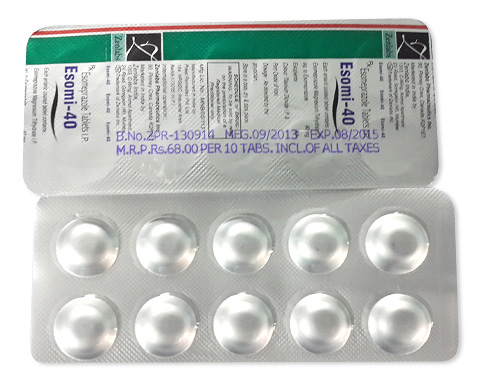
Nexium
- In many pharmacies (including retail and online suppliers) you can buy Nexium; a 20 mg OTC formulation (sold as “Nexium Control” or similar in some regions) is available without a prescription for short‑term heartburn, but most strengths and clinical uses (20–40 mg and IV) usually require a prescription.
- Nexium (esomeprazole) is used to treat gastroesophageal reflux disease (GERD), erosive esophagitis, peptic and duodenal ulcers, as part of H. pylori eradication regimens, Zollinger‑Ellison syndrome and to reduce NSAID‑associated ulcer risk; it is a proton pump inhibitor that blocks the gastric H+/K+‑ATPase in parietal cells to reduce stomach acid production.
- Usual adult doses: GERD/erosive disease 20–40 mg once daily (4–8 weeks); maintenance 20 mg once daily; H. pylori regimens typically 20 mg twice daily with antibiotics for 7–14 days; Zollinger‑Ellison often starts at 40 mg twice daily and is titrated; paediatric and severe cases use lower or weight‑adjusted doses (e.g., 10–20 mg or granules for infants).
- Forms of administration include oral film‑coated tablets (10, 20, 40 mg), gastro‑resistant granules/sachets (10 mg for paediatric or feeding‑tube use), and IV powder for infusion (40 mg vial); there is also a fixed‑dose combo tablet with naproxen (Vimovo) in some markets.
- Onset: acid suppression begins within about 1 hour after dosing, but noticeable symptom relief may take 1–4 days and maximal effect often requires several days of treatment; it is not for immediate heartburn relief.
- Duration of action: a single dose suppresses acid secretion for about 24 hours (proton pump inhibition is long‑lasting and cumulative with daily dosing); dosing is usually once daily for most indications.
- Alcohol warning: avoid excessive alcohol because it can worsen reflux and gastric symptoms; alcohol does not directly alter esomeprazole’s mechanism but drinking may reduce symptom control and worsen gastritis or ulcers—use caution and limit intake.
- The most common side effect is headache; other common effects include diarrhoea, nausea, abdominal pain, flatulence and constipation; long‑term use can be associated with low magnesium, increased fracture risk, and higher risk of certain infections (e.g., C. difficile).
- Would you like to try nexium without a prescription?
Basic Nexium Information
- INN (International Nonproprietary Name): Esomeprazole
- Brand Names Available In Canada (English): Nexium tablets and generics supplied by AstraZeneca, Sandoz, Mylan and other generic manufacturers; formulations include tablets (10 mg, 20 mg, 40 mg), gastro-resistant granules (10 mg) and IV powder (40 mg vial).
- ATC Code: A02BC05
- Forms & Dosages: Tablets (10 mg, 20 mg, 40 mg); gastro-resistant granules (10 mg) for paediatric or enteral use; IV powder for infusion (40 mg vial); combo product Vimovo (esomeprazole + naproxen) in select markets.
- Manufacturers In Canada (English): AstraZeneca (original brand developer) and generic suppliers such as Sandoz and Mylan supply esomeprazole products globally and to Canadian markets via national distributors.
- Registration Status In Canada (English): Not specified by DIN in the provided data; products are approved in many countries worldwide and most strengths and uses are prescription-only in most jurisdictions.
- OTC / Rx Classification: Most strengths and uses are Prescription (Rx) only; some countries permit 20 mg OTC "Nexium Control" formats but OTC status is not assumed for Canada.
Availability & Price Landscape
Major National Pharmacy Chains (Shoppers Drug Mart, Rexall, London Drugs)
Canadians commonly search for nexium and esomeprazole at national chains when filling prescriptions for reflux or ulcer treatment.
Shoppers Drug Mart, Rexall and London Drugs routinely dispense branded Nexium and generic esomeprazole tablets in typical strengths (10 mg, 20 mg, 40 mg).
Regional chains such as Jean Coutu in Québec and independent pharmacies also stock brand and generic formulations and can special-order IV vials or paediatric granules for hospital or specialist patients.
Brand manufacturers supplying these products include AstraZeneca for Nexium and generic producers like Sandoz and Mylan for lower-cost options.
Online Pharmacy Trends In Canada (Including Provincial Restrictions)
Online pharmacies in Canada are growing as patients compare prices and value home delivery when managing chronic GERD therapy.
Provincial rules require a valid prescription for prescription-only strengths, and pharmacies must be licenced in the province that will receive the order.
Cross-border online purchasing remains common, but Canadians must account for customs checks and potential lack of Canadian DIN labelling on imported packs.
Pharmacies must follow provincial formulary rules for claims and prior-authority processes for maintenance therapy where applicable.
Price Ranges By Package Size (With Provincial Differences)
Generic esomeprazole is typically less expensive than branded Nexium, and public formularies (for example ODB, BC PharmaCare, RAMQ) can influence out-of-pocket cost for patients.
Specific retail price ranges for provinces and pack sizes are not specified in the supplied data.
| Province | Small Pack (14–28 Tabs) | Medium Pack (30–60 Tabs) | Large Pack (90+ Tabs) |
|---|---|---|---|
| Ontario | Not specified | Not specified | Not specified |
| British Columbia | Not specified | Not specified | Not specified |
| Québec | Not specified | Not specified | Not specified |
| Alberta | Not specified | Not specified | Not specified |
| Manitoba | Not specified | Not specified | Not specified |
| Nova Scotia | Not specified | Not specified | Not specified |
Ask your pharmacist about provincial formulary listings and whether a generic esomeprazole (Sandoz, Mylan) is listed preferentially to reduce your cost.
Canadian Patient Insights & Satisfaction Levels
Forum And Review Platforms (Reddit Canada, HealthBoards, AskDocs)
Canadians often discuss nexium and esomeprazole experience on Reddit communities, HealthBoards and province-specific support groups when seeking practical advice.
Threads commonly compare Nexium brand versus generic esomeprazole and ask whether switching affects symptom control.
Patients also post about delays when special-ordering IV vials or paediatric granules and questions about prior-authority requirements for maintenance prescriptions.
Reported Benefits And Challenges From Canadian Patients
Commonly reported benefits include reduced nocturnal heartburn, improved sleep and healing of erosive oesophagitis with esomeprazole 20–40 mg.
Many patients report that symptom relief is not immediate and may take hours to days, with full healing often requiring weeks.
Top patient-reported pros and cons include:
- Pros: clear reduction in reflux symptoms; improved sleep; effective healing in erosive disease.
- Cons: worries about long-term risks such as low magnesium and bone fracture; rebound acid on stopping; insurance interruptions.
- Some patients report equivalent results after switching to generics (Apo-, Mylan, Sandoz), while a few note perceived differences in capsule feel or symptom control.
- Access issues: prior-authority rules for maintenance and delays for non-oral formulations are commonly mentioned.
- Practical tips shared include timing doses before breakfast, pill splitting only when clinically approved, and checking DINs when substituting brands.
Product Overview & Brand Variants
INN And Brand Names Used In Canada
The INN for Nexium is esomeprazole, ATC code A02BC05, classed among proton pump inhibitors for acid-related disorders.
Nexium is available globally in 10 mg, 20 mg and 40 mg tablets, with generics supplied by Sandoz, Mylan, KRKA and others in many markets.
Gastro-resistant granules and IV 40 mg vials are also produced for paediatric and hospital use respectively.
Legal Classification Under Health Canada
Health Canada regulates esomeprazole as a drug and products marketed in Canada must carry a Drug Identification Number (DIN) specific to each manufacturer, formulation and strength.
Most strengths and uses are prescription-only in Canada, and OTC 20 mg formats that exist elsewhere should not be assumed available OTC in Canada.
Hospitals may stock IV vials for acute management under institutional supply rules.
Indications In Local Canadian Medical Practice
Approved Uses (Health Canada DIN Context)
Health Canada‑aligned indications include GERD, erosive oesophagitis, duodenal and gastric ulcers, Helicobacter pylori eradication as part of combination regimens, Zollinger–Ellison syndrome and NSAID-associated ulcer risk reduction.
These indications are listed in product monographs that are referenced by the DIN for each registered product in Canada.
Off‑Label Patterns In Canadian Healthcare
Off-label uses sometimes seen in Canada include stress ulcer prophylaxis in selected inpatient settings and short-term management of severe laryngopharyngeal reflux symptoms, both used under clinician direction.
Paediatric dosing and use of granules typically require specialist oversight and weight-based adjustments.
| Indication | Typical Dose | Typical Duration |
|---|---|---|
| GERD (Erosive) | 20–40 mg once daily | 4–8 weeks |
| Maintenance GERD | 20 mg once daily | Long-term as directed |
| H. pylori Eradication | 20 mg twice daily with antibiotics | 7–14 days |
| Zollinger–Ellison | 40 mg twice daily, titrate | As directed |
| Pediatric GERD | 10–20 mg once daily (weight-based) | 8 weeks or more |
How It Works In The Body
Layman’s Explanation (Canadian Patient‑Friendly Tone)
People order nexium because stomach acid is causing pain, heartburn or damage to the oesophagus.
Esomeprazole is a proton pump inhibitor that reduces stomach acid production and gives inflamed tissue time to heal.
It is not an antacid, so it does not neutralize acid immediately and relief may take hours to days.
Full healing of erosive disease generally needs weeks of treatment.
Clinical Detail From Health Canada Resources
Esomeprazole is the S‑isomer of omeprazole and is formulated as a delayed‑release product that is absorbed in the intestine and then activated in acidic compartments.
The active metabolite irreversibly inhibits the H+/K+ ATPase (proton pump) on gastric parietal cells, producing acid suppression that lasts 24 hours or more.
Drug metabolism is hepatic, and severe hepatic impairment usually limits dosing to a maximum of 20 mg/day.
Clinically important interactions include potential effects with clopidogrel and warfarin; clinicians consult the DIN-linked monograph for details.
Dosage & Administration
Standard Regimens Per Canadian Guidelines
Typical adult dosing follows established regimens: GERD and erosive oesophagitis commonly 20–40 mg once daily for 4–8 weeks with maintenance at 20 mg once daily where indicated.
For Helicobacter pylori eradication esomeprazole is usually given as 20 mg twice daily alongside appropriate antibiotics for 7–14 days.
Zollinger–Ellison syndrome treatment starts at 40 mg twice daily and is titrated to clinical effect.
Adjustments By Patient Type (With Canadian Clinical Notes)
Children above approximately 10 kg may receive 10–20 mg once daily with granules or lower-strength tablets and specialist oversight for dosing by weight.
Severe hepatic impairment (Child‑Pugh C) calls for a maximum of 20 mg/day; renal impairment usually does not require routine adjustment.
Administration tips: take on an empty stomach 30–60 minutes before the first meal for best acid suppression and swallow delayed‑release tablets whole without chewing.
Contraindications & Side Effects
Common (Health Canada‑Approved List)
Absolute contraindications include known hypersensitivity to esomeprazole, omeprazole or other proton pump inhibitors.
Common side effects listed in product monographs include headache, diarrhoea, nausea, abdominal pain, flatulence and constipation.
Long-term use can be associated with reduced magnesium absorption and decreased vitamin B12 absorption.
Rare But Serious (With Canadian Pharmacovigilance Data)
Less common but clinically important risks include Clostridium difficile infection with prolonged use and increased fracture risk in chronic therapy.
Rare serious adverse events reported in pharmacovigilance include acute interstitial nephritis, severe cutaneous reactions and anaphylaxis.
Health Canada collects adverse-event reports through the Canada Vigilance Program and provincial bulletins may highlight PPI safety signals.
Comparable Medicines In Canada
Alternatives Table (With DIN References)
| Medicine | Typical Dose | DIN (Example) | Notes |
|---|---|---|---|
| Omeprazole (generic) | 20 mg once daily | Not specified | Lower-cost generic alternative; similar class risks. |
| Pantoprazole | 40 mg once daily | Not specified | Common formulary option; IV form available for hospitals. |
| Lansoprazole | 15–30 mg once daily | Not specified | Another PPI option with oral disintegrating and capsule forms. |
| Rabeprazole | 20 mg once daily | Not specified | Alternative PPI, less commonly used than omeprazole or pantoprazole. |
Pros And Cons List
- Pros of Esomeprazole: established healing data for erosive disease, once‑daily dosing, available as branded Nexium and generics.
- Cons of Esomeprazole: historically higher branded cost versus generics, class risks similar to other PPIs.
- Choice depends on prior response, drug interactions (notably clopidogrel), provincial formulary coverage and patient tolerance.
Current Research & Trends
Major Canadian Or International Studies 2022–2025
Recent research through 2022–2025 emphasises deprescribing strategies that safely reduce unnecessary chronic PPI use in selected patients.
Canadian deprescribing initiatives funded by provincial health authorities show step-down or on‑demand regimens can be safe when supervised.
International studies continue to compare esomeprazole with other PPIs for efficacy, and some trials suggest comparable results for most indications while severe erosive disease may show marginal differences in selected head-to-head trials.
Emerging work examines PPI effects on the gut microbiome and infection risk, and guidance is evolving as safety signals are studied further.
Common Patient Questions In Canada
Top Consumer Q&A
Will I need a prescription?
Yes, most strengths of esomeprazole are prescription-only in Canada; always check the DIN on the product label or ask your pharmacist.
How fast will it work?
Symptom relief may begin in hours but full effect and healing of erosive lesions often require 2–8 weeks.
Can I stop suddenly?
Stopping abruptly can cause rebound acid hypersecretion in some patients; tapering or switching to on‑demand therapy under medical supervision is recommended.
Are generics as good?
Generics meet Health Canada standards and many Canadians switch to Sandoz or Mylan generics with similar clinical outcomes.
Cost and coverage?
Coverage varies by provincial drug plans and private insurance; formularies may list generics preferentially so check ODB, PharmaCare or RAMQ listings for details.
Pregnancy and breastfeeding?
Use only under medical advice and consult your obstetric provider and pharmacist before starting esomeprazole during pregnancy or lactation.
Regulatory Status
Health Canada Approval Process
Esomeprazole products must be approved via Health Canada’s drug review pathways and receive a Drug Identification Number (DIN) before being marketed in Canada.
The DIN links to the product monograph and confirms authorised indications, dosing and safety information for that specific manufacturer and formulation.
DIN Number Relevance
The DIN is the reliable identifier Canadians and pharmacists use to confirm a product’s approved status and to check monograph details.
Each brand and generic product carries its own DIN, which provincial formularies reference for coverage decisions.
Visual Recommendations
Infographic Ideas For Canadian Context
Hero image: place brand and generic packaging side‑by‑side with a visible DIN callout to help customers recognise Canadian‑approved products.
Infographic 1: "How Nexium Works" — stomach diagram showing proton pump inhibition and a short caption explaining delayed‑release activation.
Infographic 2: Quick dosing timeline — when to take, expected onset, and healing timeline for GERD and H. pylori regimens.
Infographic 3: Provincial coverage map — simple colours showing provinces that commonly list generics vs brand on formularies.
Accessibility: provide alt text and bilingual elements for Québec where appropriate.
Buying & Storage Advice
In‑Store Vs. Online Canadian Purchase Tips
In‑store purchases at Shoppers Drug Mart, Rexall, Jean Coutu or independent pharmacies let you speak with a pharmacist and pick up the same day.
Online pharmacies must be licenced in the destination province and require valid prescription protocols for Rx strengths.
Cross‑border purchases from U.S. retailers remain common but can result in non‑DIN labelling, customs delays and formulation differences.
In our online pharmacy, nexium is available without a prescription, with discreet delivery to Canada in 5-14 days.
Proper Storage With Canadian Climate Considerations
Store tablets at room temperature in a dry place below 25°C and protect from moisture, which matters in humid regions such as the Maritimes and coastal British Columbia.
IV vials follow manufacturer storage instructions and should not be frozen.
Mixed granules for enteral feeding should be prepared per monograph instructions and not stored long after mixing.
Dispose of expired medicines through pharmacy take‑back programs and keep all medicines out of reach of children.
Guidelines For Proper Use
Canadian Doctor/Pharmacist Advice Style
Take esomeprazole before the first meal of the day for best effect and swallow delayed‑release tablets whole without crushing.
Use the lowest effective dose for the shortest necessary period and arrange clinical follow-up for maintenance therapy decisions.
Discuss potential interactions with clopidogrel or warfarin with your prescriber or pharmacist and report alarm symptoms such as weight loss, dysphagia or GI bleeding immediately.
Deprescribing strategies such as step‑down or on‑demand therapy are options for appropriate patients and should be supervised.
Pharmacists should confirm DIN and manufacturer on claims and provide a one‑page dosing card and safety checklist for long‑term users.
Delivery Across Canada (English)
| City | Region | Delivery Time |
|---|---|---|
| Toronto | Ontario | 5-7 days |
| Montreal | Québec | 5-7 days |
| Vancouver | British Columbia | 5-7 days |
| Calgary | Alberta | 5-7 days |
| Ottawa | Ontario | 5-7 days |
| Edmonton | Alberta | 5-7 days |
| Winnipeg | Manitoba | 5-7 days |
| Halifax | Nova Scotia | 5-9 days |
| Victoria | British Columbia | 5-9 days |
| Saskatoon | Saskatchewan | 5-9 days |
| Regina | Saskatchewan | 5-9 days |
| St. John’s | Newfoundland and Labrador | 5-9 days |
| Fredericton | New Brunswick | 5-9 days |
| Charlottetown | Prince Edward Island | 5-9 days |
Final Notes And Patient Resources
If you are comparing brand nexium with a generic esomeprazole, check the DIN on the label to confirm the product is authorised for use in Canada.
If long‑term therapy is being considered, talk with your prescriber about monitoring for magnesium and vitamin B12 and the need for bone health assessment where risk factors exist.
Report any serious reactions to Health Canada’s Canada Vigilance program and ask your pharmacist for a dosing card, printable information sheet and provincial formulary lookup help.
For H. pylori treatment and other combination regimens, follow your prescriber’s instructions for antibiotics and dosing duration precisely to support eradication.
When switching products, allow your pharmacist to document the DIN and manufacturer to ensure a smooth claims process and consistent therapeutic effect.