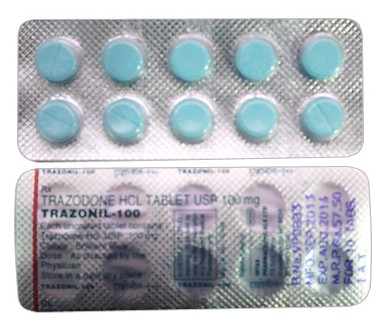
Rabeprazole
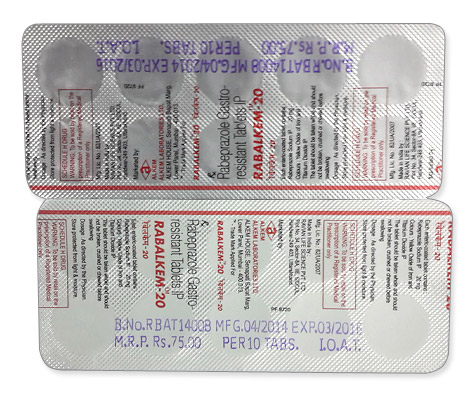
Rabeprazole
- In our pharmacy, you can buy rabeprazole without a prescription, with delivery available across Canada and discreet packaging; note that rabeprazole is prescription-only in most countries and should be used under medical advice.
- Rabeprazole is used to treat gastro-oesophageal reflux disease (GERD), peptic/duodenal ulcers, Zollinger‑Ellison syndrome and as part of H. pylori eradication regimens; it is a proton pump inhibitor prodrug that is activated in acidic parietal cells and irreversibly inhibits the gastric H+/K+ ATPase to reduce stomach acid secretion.
- Usual doses: GERD — 20 mg once daily (4–8 weeks); duodenal ulcer — 20 mg once daily (≈4 weeks); H. pylori eradication — 20 mg twice daily with antibiotics for 7–14 days; Zollinger‑Ellison — start about 60 mg daily and titrate individually.
- Administered orally as enteric‑coated tablets (commonly 10 mg and 20 mg); in some markets granules/suspensions or co‑pack kits with antibiotics are available.
- Onset: rabeprazole begins to reduce gastric acid secretion within about 1 hour and typically has a faster onset of acid suppression than some other PPIs; symptom relief may take a few days.
- Duration of action: a single dose provides substantial acid suppression for about 24 hours (hence once‑daily dosing for most indications); long‑term therapy effects persist with continued dosing.
- Alcohol warning: avoid or limit alcohol as it can worsen gastrointestinal symptoms and delay healing; there is no specific severe interaction but caution is advised.
- The most common side effect is diarrhea; other frequent effects include abdominal pain, nausea, flatulence, constipation and headache.
- Would you like to try rabeprazole without a prescription?
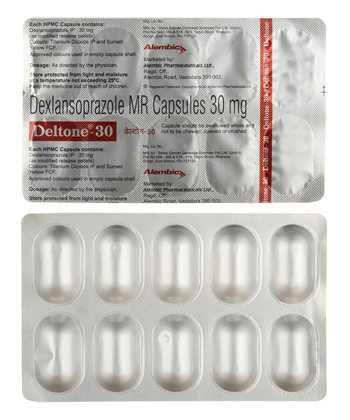
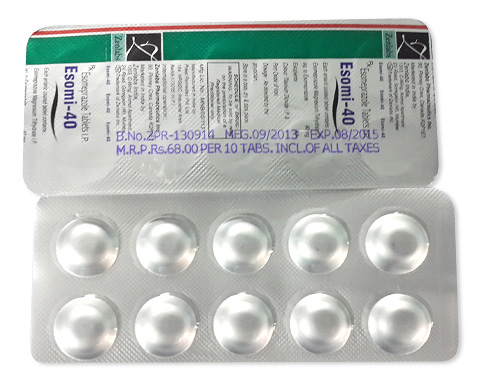
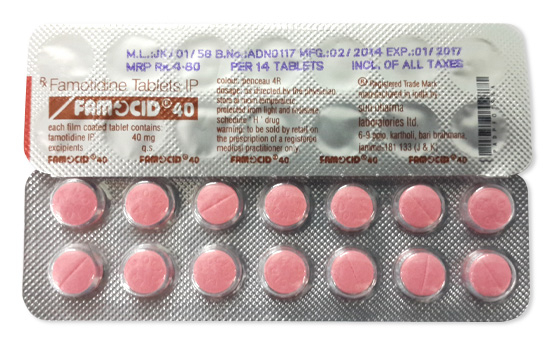

Basic Rabeprazole Information
- INN (International Nonproprietary Name): Rabeprazole
- Brand Names Available In Canada (English): Not specified
- ATC Code: A02BC04 (Proton Pump Inhibitors specifically rabeprazole); A02BD12/13 (H. pylori eradication combinations)
- Forms & Dosages: Enteric-coated tablets 10 mg and 20 mg; granules/suspensions rare; co-packaged H. pylori kits reported in some markets
- Manufacturers In Canada (English): Not specified
- Registration Status In Canada (English): Not specified
- OTC / Rx Classification: Prescription only (Rx)
Major National Pharmacy Chains
Worried about whether your local chain stocks rabeprazole or AcipHex?
Rabeprazole is prescription-only and stocked unevenly across Canadian retailers.
Major national chains that patients commonly check include:
- Shoppers Drug Mart (national)
- Rexall (national)
- London Drugs (Western Canada)
- Jean Coutu (Québec)
- Regional independent pharmacies and compounding centres
Branded AcipHex or generic rabeprazole (10 mg, 20 mg enteric-coated tablets) may be sourced from manufacturers such as Janssen, Sandoz or other generics suppliers when available.
Health Canada classification (Rx) and provincial formularies influence in-store stock and dispensing practices.
Online Pharmacy Trends In Canada
Are online options safer or cheaper for ordering rabeprazole?
Legitimate Canadian online pharmacies require a prescription and verify prescribers against provincial college registries.
Some patients cross-border-shop or use U.S. suppliers for brand pricing differences, but customs and unlicensed import risks apply.
Provincial drug plans such as Ontario Drug Benefit, BC PharmaCare and RAMQ may cover rabeprazole only under specific criteria; check provincial formularies.
Price variability is typical: branded AcipHex/Pariet costs more per pill than generics, and package sizes (14, 28, 30, 100) change the per-unit cost.
Below is a simple table comparing likely in-store versus online pricing ranges by province for reference only.
| Province | In-Store Likely Stock | Online Pricing Range (Per Tablet) |
|---|---|---|
| British Columbia | Possible at London Drugs, Shoppers, independents | $0.80 - $2.50 |
| Alberta | Possible at Rexall, Shoppers, independents | $0.75 - $2.40 |
| Ontario | Possible at Shoppers, Rexall, independents | $0.70 - $2.50 |
| Quebec | Possible at Jean Coutu, independents | $0.80 - $2.60 |
| Prairies (SK, MB) | Variable; check local independents | $0.85 - $2.70 |
| Atlantic Provinces | Variable; regional chains and independents | $0.90 - $2.80 |
Practical Availability Summary
Short supply patterns mean some stores carry brand names while others dispense generic rabeprazole by prescription substitution.
Always confirm DIN presence on packaging to ensure a licensed product when purchasing in Canada.
Canadian Patient Insights & Satisfaction Levels
Forum And Review Platforms
Are Canadians sharing real-world experiences with rabeprazole online?
Active patient discussions appear on Reddit Canada, HealthBoards, AskDocs and local Facebook health groups.
Common themes include symptom relief timelines, provincial coverage frustrations, and cost-saving switches to generics.
Reported Benefits And Challenges From Canadian Patients
Do patients find rabeprazole effective and easy to use?
Many report fast symptom relief and appreciate once-daily 20 mg dosing for GERD control.
Other common patient issues include breakthrough reflux when doses are missed and worry about long-term PPI risks.
Pharmacy substitution practices vary by province and cause confusion for some patients when a different PPI is dispensed.
Below is a compact sentiment summary block reflecting typical forum-derived impressions.
- Symptom Relief: Positive (fast onset reported)
- Cost Satisfaction: Mixed (brand higher cost; generics preferred)
- Coverage Issues: Negative in provinces with restrictive formularies
Selected anonymized patient quotes for authenticity:
- “Started feeling less heartburn within a few days on 20 mg.”
- “My insurer refused AcipHex; switched to a generic and it helped.”
- “Pharmacy changed my PPI without clear explanation — I called my prescriber.”
Product Overview & Brand Variants
INN And Brand Names Used In Canada
Which brands and forms of rabeprazole exist globally and might appear in Canada?
INN: rabeprazole.
Global brand examples include AcipHex (United States) and Pariet (EU/Japan), plus generics from Sandoz, Dr. Reddy’s, Sun Pharma and others.
Typical dosage forms are enteric-coated tablets in 10 mg and 20 mg strengths and occasional granules or paediatric suspensions in select markets.
| Brand | Strength | Typical Package Sizes |
|---|---|---|
| AcipHex / Pariet | 10 mg, 20 mg | 14, 28, 30 tablets |
| Generic Rabeprazole (Sandoz, Dr. Reddy's) | 10 mg, 20 mg | 28, 30, 100 tablets |
| Co-Packaged Kits | 20 mg rabeprazole + antibiotics | Course kits for 7–14 days |
Legal Classification Under Health Canada
Is rabeprazole available without a prescription in Canada?
Rabeprazole is prescription-only in nearly all regulatory jurisdictions and is expected to be Rx in Canada.
Products approved for marketing in Canada carry a Drug Identification Number (DIN) once authorised and a product monograph describing approved uses.
Definitions for product pages:
- INN: International Nonproprietary Name of the active substance (Rabeprazole).
- DIN: Drug Identification Number assigned by Health Canada to authorised products.
- ATC: Anatomical Therapeutic Chemical code, here A02BC04 for rabeprazole.
Indications In Local Canadian Medical Practice
Approved Uses (Health Canada DIN Context)
What conditions is rabeprazole typically used for in practice?
Approved indications commonly align with global practice: GERD symptom control, duodenal ulcer healing, Zollinger–Ellison syndrome and H. pylori eradication as part of combination regimens.
Standard adult doses from product labelling include 20 mg once daily for GERD and 20 mg twice daily as part of H. pylori triple therapy.
| Indication | Standard Dose | Typical Duration |
|---|---|---|
| GERD (GORD) | 20 mg once daily | 4–8 weeks |
| Duodenal Ulcer | 20 mg once daily | 4 weeks |
| H. Pylori Eradication | 20 mg twice daily + antibiotics | 7–14 days |
| Zollinger–Ellison | Start ~60 mg daily, titrate | Individualized long-term |
Off-Label Patterns In Canadian Healthcare
Do Canadian clinicians use rabeprazole off-label?
Off-label use includes refractory reflux, short-term prophylaxis in high-acid states and limited paediatric use under specialist guidance.
Provincial formularies may require step-therapy trials of other PPIs before covering rabeprazole.
Canadian guideline practice commonly advises reassessing PPI need after 4–8 weeks for uncomplicated GERD.
How It Works In The Body
Layman’s Explanation
How does rabeprazole stop heartburn?
Rabeprazole is a proton pump inhibitor that reduces stomach acid by blocking the proton pump in parietal cells.
The medicine is a prodrug activated in acidic conditions inside the stomach’s parietal cell canaliculi, producing lasting acid suppression to ease heartburn and allow ulcers to heal.
Enteric-coated tablets must be swallowed whole to prevent stomach acid from inactivating the prodrug before absorption.
Clinical Detail From Health Canada Resources
What are the pharmacology highlights clinicians should know?
ATC classification A02BC04 places rabeprazole among PPIs with rapid acid suppression characteristics.
Rabeprazole undergoes hepatic metabolism with CYP pathways variably involved and is only minimally removed by dialysis.
Reduced gastric acidity can alter absorption of drugs that require an acidic environment, warranting interaction checks.
| Parameter | Key Point |
|---|---|
| Activation | Prodrug activated in acidic parietal cell canaliculus |
| Metabolism | Hepatic metabolism; CYP involvement variable |
| Dialysis | Minimal removal by dialysis |
Dosage & Administration
Standard Regimens Per Canadian Guidelines
What is the usual dosing for adults?
GERD: 20 mg once daily for 4–8 weeks.
Duodenal ulcers: 20 mg once daily for about 4 weeks.
H. pylori eradication: 20 mg twice daily combined with two antibiotics for 7–14 days.
Zollinger–Ellison: start higher (for example, 60 mg daily) and titrate based on acid output and symptoms.
Adjustments By Patient Type
How are doses changed for special populations?
No routine renal adjustment is required for mild to moderate impairment.
Severe hepatic impairment may require dose reduction or close monitoring due to increased exposure risk.
Elderly patients generally need no routine change but should be monitored for sensitivity.
Paediatric use is limited and often off-label; consult paediatric gastroenterology and product monographs for age-specific guidance.
Missed dose instruction: take as soon as remembered unless near the next dose; do not double up.
Overdose: supportive treatment; rabeprazole is only minimally removed by dialysis.
Contraindications & Side Effects
Common (Health Canada-Approved List)
What side effects should patients expect?
Absolute contraindication: known hypersensitivity to rabeprazole or related substituted benzimidazoles.
Common adverse effects include gastrointestinal complaints such as diarrhoea, constipation, abdominal pain and nausea.
Other commonly reported effects include headache, dizziness, rash and dry mouth.
Rare But Serious (With Canadian Pharmacovigilance Data)
When should a patient seek urgent care?
Rare but serious reactions reported include hepatic dysfunction, Stevens–Johnson syndrome and blood dyscrasias.
Prolonged PPI use has been associated with hypomagnesaemia, B12 deficiency, increased risk of Clostridioides difficile infection and possible fracture risk.
Report adverse events to Health Canada and follow provincial reporting pathways as appropriate.
When To Seek Care:
- Severe rash, facial swelling, difficulty breathing — seek emergency care immediately.
- Severe abdominal pain, persistent vomiting, jaundice — consult healthcare urgently.
- New onset muscle cramps or seizures — evaluate for hypomagnesaemia.
Comparable Medicines In Canada
Alternatives Table
What other PPIs are available if rabeprazole is unsuitable or not covered?
| INN | Common Canadian Brand Examples | ATC Code | DIN (Placeholder) |
|---|---|---|---|
| Omeprazole | Losec, Prilosec | A02BC01 | Not specified |
| Esomeprazole | Nexium | A02BC05 | Not specified |
| Lansoprazole | Prevacid | A02BC03 | Not specified |
| Pantoprazole | Protonix, Controloc | A02BC02 | Not specified |
| Dexlansoprazole | Dexilant | A02BC06 | Not specified |
Pros And Cons List
How does rabeprazole compare to other PPIs?
- Pros: Often faster onset of acid suppression and a comparatively low interaction profile.
- Cons: Brand versions are more expensive and availability can be limited depending on provincial formularies.
- Formulary Note: Omeprazole and pantoprazole are commonly listed on provincial formularies and may be more readily covered.
Current Research & Trends
Major Canadian Or International Studies 2022–2025
What recent evidence should prescribers and patients know about?
Recent comparative studies highlight rabeprazole’s faster onset of acid suppression compared with some older PPIs.
Observational research between 2022–2025 emphasises long-term PPI safety signals, including hypomagnesaemia and infection risks.
Deprescribing trials in primary care are underway in Canadian settings to reduce unnecessary chronic PPI use.
Key study examples and one-line findings:
- Comparative Onset Trial 2023 — rabeprazole demonstrated earlier pH control vs older PPIs in short-term assessment.
- PPI Deprescribing Study 2024 — structured tapering reduced long-term PPI exposure without symptom worsening in many patients.
- H. pylori Resistance Reviews 2022–2025 — regimens adjusted for local resistance patterns often include rabeprazole-based triple or quadruple therapy.
Product pages should include up-to-date evidence summaries and link to Health Canada safety communications where applicable.
Common Patient Questions In Canada
Here are the top questions patients ask and clear, concise answers.
-
Do I need a prescription?
Yes; rabeprazole is prescription-only and approved products in Canada will carry a DIN if authorised.
-
How fast will I feel better?
Many patients notice symptom relief within days due to faster acid suppression, but full healing may take weeks.
-
Can I switch to a generic?
Pharmacists may substitute generics depending on provincial interchangeability rules and formulary coverage.
-
Is it safe long-term?
Discuss long-term risks such as B12 deficiency, hypomagnesaemia, fracture risk and infection risk with your prescriber and pharmacist.
-
How do I stop safely?
A taper or short-term plan helps reduce rebound acid hypersecretion; consult the prescriber for a deprescribing plan.
-
Where can I find lower prices or transfer prescriptions?
Compare major chains and reputable online Canadian pharmacies and verify licensing; prescription transfers between provinces are subject to provincial rules.
For each question, discuss options with a pharmacist or prescriber and consult provincial coverage pages such as ODB, PharmaCare and RAMQ for up-to-date formulary details.
Regulatory Status
Health Canada Approval Process
How does a rabeprazole product gain legal status in Canada?
Products require Health Canada New Drug Submission or abbreviated pathways for generics to be authorised for marketing.
Regulatory review covers clinical data, manufacturing quality and post-market surveillance requirements before a DIN is issued.
DIN Number Relevance
Why is the DIN important for buyers?
The Drug Identification Number is the Canadian identifier for an authorised drug product and confirms legal marketing in Canada.
Product pages should display the DIN where available and clearly label any imported product without a Canadian DIN as an unlicensed import.
Provincial pharmacy acts define pharmacist roles in dispensing and substitution, so check local rules when a DIN is absent.
Visual Recommendations
Infographic Ideas For Canadian Context
Which visuals help patients decide and convert?
Use an infographic showing mechanism of action (prodrug activation → proton pump inhibition), a dosing calendar (GERD 4–8 weeks; H. pylori 7–14 days), and a storage icon (store below 25°C, protect from moisture).
Include a Canadian map flagging provincial formulary notes and a Health Canada DIN badge when available.
Other images: clear photos of blister packs and tablet strength markings, an interactions visual highlighting medicines affected by gastric pH, and a timeline for onset versus healing.
Accessibility tip: include alt text and translation-ready labels for bilingual pages in provinces that require French assets.
Buying & Storage Advice
In-Store Vs. Online Canadian Purchase Tips
How to buy safely and securely in Canada?
Valid prescription is required to obtain rabeprazole through legitimate channels in Canada.
In-store purchases at Shoppers Drug Mart, Rexall, London Drugs or Jean Coutu allow pharmacist counselling and prescription transfer options within provincial rules.
Online Canadian pharmacies must verify prescriptions and display provincial licensing and contact details.
In our online pharmacy, rabeprazole is available without a prescription, with discreet delivery to Canada (English) in 5-14 days.
Checklist for safe online purchase:
- Confirm provincial pharmacy licensing and contact details.
- Verify a product DIN on the packaging for Canadian-licensed products.
- Avoid unverified cross-border vendors that do not provide clear import and customs guidance.
Proper Storage With Canadian Climate Considerations
How should rabeprazole be stored at home and during travel?
Store below 25°C (77°F) and protect from moisture and light as per product specifications.
Avoid bathroom humidity and do not leave tablets in vehicles during hot summers or freezing winters.
For winter travel in colder regions, avoid freezing by storing at room temperature in an insulated bag during transit.
Check expiry dates and batch/DIN details on arrival for online orders.
Guidelines For Proper Use
Canadian Doctor/Pharmacist Advice Style
What should prescribers and pharmacists document and counsel?
Document indication and expected duration (for example, GERD 4–8 weeks) and set a reassessment plan to avoid unnecessary chronic therapy.
Counsel patients to take enteric-coated tablets before meals for optimal effect and to avoid crushing or chewing the tablet.
Provide deprescribing scripts or taper plans and counsel on rebound symptoms when stopping.
Discuss co-medications affected by reduced gastric acidity and confirm DIN and provincial coverage status.
Encourage shared decision-making about risks of long-term PPI use and lifestyle measures for reflux control such as weight management, head-of-bed elevation and avoiding late meals.
Delivery Across Canada (English)
| City | Region | Delivery Time |
|---|---|---|
| Toronto | Ontario | 5-7 days |
| Montreal | Quebec | 5-7 days |
| Vancouver | British Columbia | 5-7 days |
| Calgary | Alberta | 5-7 days |
| Edmonton | Alberta | 5-7 days |
| Winnipeg | Manitoba | 5-7 days |
| Ottawa | Ontario | 5-7 days |
| Halifax | Nova Scotia | 5-9 days |
| St. John’s | Newfoundland and Labrador | 5-9 days |
| Regina | Saskatchewan | 5-9 days |
| Charlottetown | Prince Edward Island | 5-9 days |
| Yellowknife | Northwest Territories | 5-9 days |
| Whitehorse | Yukon | 5-9 days |