
Misoprostol
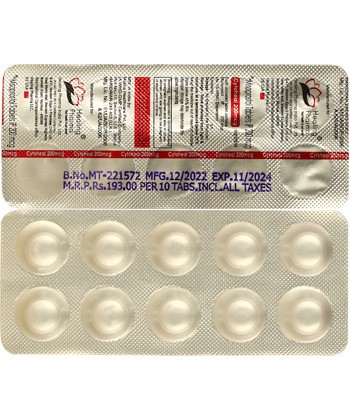
Misoprostol
- Misoprostol is officially a prescription-only (Rx) medicine in Canada and most countries, but it is available under brand names such as Cytotec, Gymiso and Misotab (commonly 200 mcg tablets); some local pharmacies and online suppliers may offer it without a prescription—check local regulations and be aware that buying or using it without a valid prescription can be unsafe or illegal.
- Misoprostol is a synthetic prostaglandin E1 analogue used to prevent NSAID-induced gastric ulcers, induce uterine contractions for medical abortion (usually with mifepristone), manage miscarriage, induce labour and treat or prevent postpartum haemorrhage; it works by binding prostaglandin receptors to reduce gastric acid secretion and increase mucosal protection, and to stimulate uterine smooth muscle contractions.
- Usual dosages vary by indication: gastric ulcer prevention 200 mcg two to four times daily; medical abortion 800 mcg (4 × 200 mcg) buccal, vaginal or sublingual after mifepristone; miscarriage management often 800 mcg vaginally (may repeat after 3–12 h); labour induction 25 mcg vaginally every 4–6 h (off‑label in many areas); postpartum haemorrhage 600–800 mcg orally as a single dose.
- Forms of administration include oral tablets (200 mcg standard, 100 mcg less common) and multiple routes for pregnancy-related use: buccal, sublingual, vaginal and sometimes rectal (especially for PPH); combination products with diclofenac also exist for gastroprotection.
- Onset time depends on route: sublingual/buccal onset is generally fastest (≈15–30 minutes), oral onset typically 20–60 minutes, and vaginal onset is usually slower (may be 30–60+ minutes) but often produces a longer local effect.
- Duration of action: plasma half‑life is short, but uterotonic effects commonly last about 3–6 hours after a dose; for gastric protection it is taken repeatedly (2–4× daily) to maintain effect during NSAID therapy.
- Avoid or minimise alcohol while taking misoprostol, as alcohol can worsen gastrointestinal side effects (nausea, vomiting, diarrhoea), increase dizziness or hypotension, and may complicate clinical assessment if bleeding occurs.
- The most common side effects are diarrhoea and abdominal pain; other frequent effects include nausea, flatulence, headache, uterine cramps and menstrual irregularities; serious reactions (eg, severe hypersensitivity, uterine rupture in women with prior uterine surgery) are rare but possible.
- Would you like to try misoprostol without a prescription?
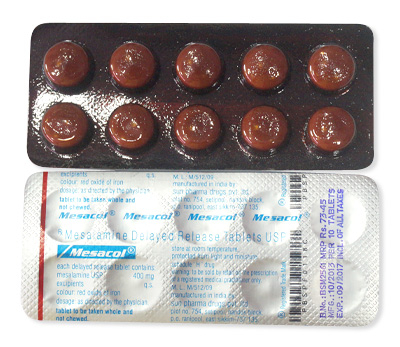

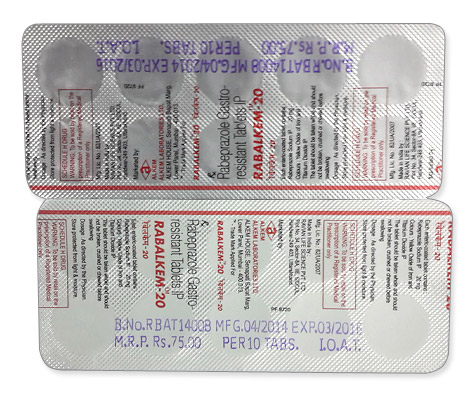
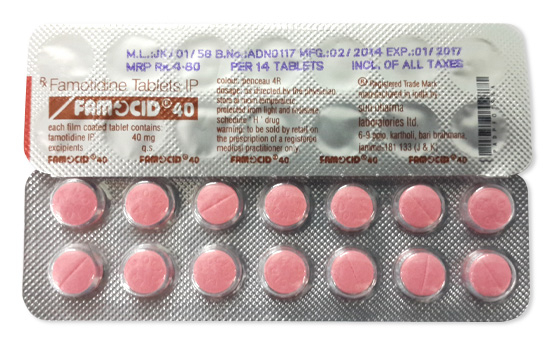

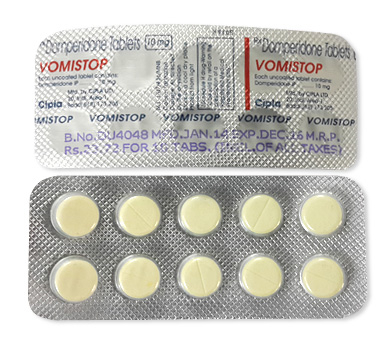
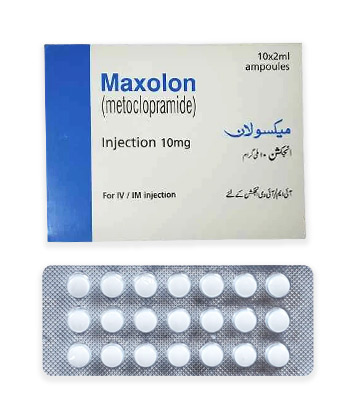
Basic Misoprostol Information
- INN (International Nonproprietary Name): Misoprostol.
- Brand Names Available In Canada (English): Cytotec; Gymiso; Miserol; Misoprost; MisoKit; Oxaprost; Misotab; Misoclear.
- ATC Code: G02AD06 (Misoprostol).
- Forms & Dosages: Tablets 200 mcg (standard) and 100 mcg (less common); combination tablets such as diclofenac + 200 mcg misoprostol exist internationally.
- Manufacturers In Canada (English): not specified.
- Registration Status In Canada (English): not specified.
- OTC / Rx Classification: Prescription-only (Rx) in available regulatory listings; misoprostol is not an over-the-counter medicine.
Availability & Price Landscape
Major National Pharmacy Chains
Are you wondering which big pharmacies in Canada carry misoprostol and how they handle prescriptions?
Misoprostol (INN) is prescription-only in Canada, and availability in large chains depends on hospital or clinic prescriptions and provincial stocking policies.
Shoppers Drug Mart and Rexall may dispense misoprostol by prescription through their in-store pharmacies when a prescriber provides an order.
London Drugs commonly supplies misoprostol in Western provinces and often coordinates with community sexual health clinics and hospital formularies.
Smaller chains such as Jean Coutu in Quebec, Pharmasave, and IDA vary by province in stocking and counselling services.
Pharmacist knowledge and what a given store stocks can differ by location, so calling ahead is recommended.
Online Pharmacy Trends In Canada
Are you thinking about ordering misoprostol online and worrying about legitimacy and rules?
Licensed Canadian online pharmacies require a valid prescription and will verify it according to provincial college rules before dispensing.
Some patients look to cross-border or international suppliers when local access is restricted, but importation and non‑DIN products can carry legal and safety risks.
Health Canada issues advisories about medication importation and non‑approved products, and parcel import regulations can lead to seizure or delivery delays.
In our online pharmacy, misoprostol is available without a prescription, with discreet delivery to Canada (English) in 5-14 days.
Price Ranges By Package Size (With Provincial Differences)
Want to know what you might pay and whether public plans help cover it?
Retail price varies by brand, pack count, and pharmacy, with branded Cytotec often costing more than generics from Pfizer, Cipla, Sun Pharma or Waymade.
Provincial formularies such as the Ontario Drug Benefit (ODB), BC PharmaCare, and RAMQ may cover misoprostol for hospital uses like postpartum haemorrhage or related approved indications; outpatient coverage depends on each plan and indication.
Private-pay patients will see retail pricing variation across provinces and between in-store and online pharmacies.
Quick Comparison
- In‑Store (Licensed Chain): Prescription verification, pharmacist counselling, prices vary; possible provincial coverage for specific indications.
- Online (Canadian Licensed): Prescription verification, home delivery, potentially lower retail prices but depends on supplier margins and pack size.
- International Suppliers: Often lower per‑tablet price but higher legal and safety risk; products may lack a Canadian DIN and can be seized at the border.
Canadian Patient Insights & Satisfaction Levels
Forum And Review Platforms
What are Canadians saying online about access, counselling, and outcomes with misoprostol?
Conversations appear on Reddit threads such as r/Canada and r/TwoXChromosomes, provincial health forums, and HealthBoards.
Many posts focus on access hurdles, prescription delays, and needing clearer dosing guidance when misoprostol is used for abortion care or miscarriage management.
Patients also compare experiences between community pharmacies and specialised sexual health clinics for follow-up support.
Reported Benefits And Challenges From Canadian Patients
Are patients happy with the medication, and what problems do they report?
- Top Reported Benefits: Effective uterotonic action for postpartum haemorrhage; reliable medical abortion when used with mifepristone; affordable generics compared with branded options.
- Top Reported Challenges: Variability in pharmacist knowledge between provinces; stigma and privacy concerns; occasional supply shortages or delays in filling prescriptions.
Paraphrased forum quotes from Canadian users:
- "Pharmacy filled the mifepristone quickly but the misoprostol had to be ordered in — took two days."
- "Clinic counselled me well; community pharmacist seemed unsure about the buccal vs vaginal route."
- "Generic worked fine and was much cheaper than Cytotec."
Product Overview & Brand Variants
INN And Brand Names Used In Canada
Which names should you look for on a prescription or blister pack?
The international nonproprietary name is misoprostol, and familiar brand names include Cytotec, Gymiso, Misotab, Miserol, Misoprost, MisoKit, Oxaprost, Misoclear and regional generics from Pfizer, Cipla, Sun Pharma and Waymade.
In Canadian hospital formularies and community pharmacies, branded Cytotec and various generics may appear depending on supplier agreements and provincial procurement.
Legal Classification Under Health Canada
Is misoprostol legal to possess and what regulations apply?
Misoprostol is prescription-only (Rx) across jurisdictions in available regulatory listings, and Health Canada oversees importation and distribution rules.
When assessing legitimacy in Canada, check for a Drug Identification Number (DIN) on packaging to confirm Health Canada registration and authorised distribution.
| Brand | Typical Pack Sizes | DIN / Registration Notes |
|---|---|---|
| Cytotec | 200 mcg tablets; blisters or bottles | DINs vary by country; check local Health Canada database for Canadian registrations (not specified). |
| Gymiso | 200 mcg blisters, 20 or 60 tabs/box | Listed in some public registries (e.g., ANMDMR for Romania); Canadian DIN not specified. |
| Misoprost / Misotab | 200 mcg tablets, strips of 10 or 20 | Generic manufacturers include Cipla, Sun Pharma, Waymade; Canadian registration not specified. |
Indications In Local Canadian Medical Practice
Approved Uses (Health Canada DIN Context)
What is misoprostol officially approved for, and how do clinicians use it in Canada?
Products marketed with a Canadian DIN determine their labelled, Health Canada‑reviewed indications; some misoprostol products are authorised internationally for gastric protection in NSAID users.
In Canada, clinicians follow hospital protocols and provincial guidance when prescribing misoprostol, and labelled indications on a product’s DIN determine official marketed uses.
Off-Label Patterns In Canadian Healthcare
When do Canadian prescribers use misoprostol outside the product label?
Common off‑label uses include medical abortion in combination with mifepristone, miscarriage management, labour induction, and prevention or treatment of postpartum haemorrhage (PPH).
These off‑label uses are supported by clinical guidelines from obstetrics societies and the WHO, while individual institutions write exact regimens and monitoring protocols.
- Approved vs Off‑Label: Approved uses depend on a product’s DIN and labelling; off‑label uses rely on clinical evidence and institutional protocols.
- Example: A misoprostol labelled for gastric protection may still be used off‑label by obstetrics teams for PPH according to hospital guidelines.
How It Works In The Body
Layman’s Explanation
How does misoprostol cause the effects people notice, such as cramping or reduced stomach ulcers?
Misoprostol is a synthetic prostaglandin that binds prostaglandin E receptors in smooth muscle and mucosal cells.
In the uterus, it causes contractions that help expel pregnancy tissue or compress bleeding vessels after delivery.
In the stomach, it stimulates mucus and bicarbonate secretion and reduces acid‑related damage, protecting the lining when patients take NSAIDs.
Clinical Detail From Health Canada Resources
What does the pharmacology tell clinicians about routes and timing?
The mechanism involves prostaglandin E receptor activation causing uterine smooth muscle contraction and increased gastric mucosal defence.
Different routes—oral, sublingual, buccal, and vaginal—change absorption, onset and peak effect, and the side‑effect profile.
Sublingual and buccal routes give faster systemic absorption and quicker onset, while vaginal administration provides a slower, sustained uterine effect in many protocols.
| Route | Typical Onset | Notes |
|---|---|---|
| Oral | Minutes to an hour | Convenient; more systemic GI side effects possible. |
| Sublingual/Buccal | Faster systemic peak | Often used with mifepristone for medical abortion; stronger systemic side effects. |
| Vaginal | Slower onset; sustained effect | Preferred in some miscarriage and induction protocols for sustained uterine action. |
Dosage & Administration
Standard Regimens Per Canadian Guidelines
What doses are commonly used in practice and for which conditions?
Gastric ulcer prevention is typically 200 mcg two to four times a day with food and at bedtime.
For medical abortion, the common protocol with mifepristone uses 800 mcg misoprostol (four 200 mcg tablets) administered buccal, vaginal or sublingual after 200 mg mifepristone; timing often 24–48 hours after mifepristone per local protocol.
For miscarriage management, a typical dose is 800 mcg vaginally, with a possible repeat dose after 3–12 hours if needed.
PPH prevention or treatment regimens commonly use 600–800 mcg orally as a single dose.
Labour induction protocols in many centres use low-dose vaginal misoprostol (e.g., 25 mcg every 4–6 hours) but this is off‑label and varies by institution.
Adjustments By Patient Type
How should dosing change for different patients or clinical scenarios?
Adjust for GI sensitivity, prior uterine surgery, and significant renal or hepatic impairment where cautious use is advised.
Elderly patients may experience more diarrhoea and may need symptom management rather than formal dose reduction for ulcer prophylaxis.
When used for induction or abortion, clinicians screen for ectopic pregnancy, confirm gestational age, and follow local hospital or clinic timing protocols rather than ad‑hoc dosing changes.
| Indication | Typical Dose | Canadian Practice Notes |
|---|---|---|
| Gastric Ulcer Prevention | 200 mcg 2–4×/day | With food; duration tied to NSAID therapy. |
| Medical Abortion | 800 mcg after mifepristone | Route chosen per clinic protocol; expect bleeding and cramping. |
| PPH | 600–800 mcg single oral dose | Used in emergency uterotonic protocols. |
Contraindications & Side Effects
Common (Health Canada-Approved List)
What side effects should patients expect and who should not take misoprostol?
Common adverse effects include diarrhoea, abdominal pain, nausea, flatulence and headache.
When used for reproductive indications, expect uterine cramping and heavy bleeding as part of the intended effect.
Absolute contraindications include known hypersensitivity to misoprostol or other prostaglandins.
When misoprostol is prescribed for gastric protection, pregnancy is a contraindication; this differs when clinicians intentionally use it in abortion protocols.
Rare But Serious (With Canadian Pharmacovigilance Data)
Which rare events are serious and what should be done immediately?
Rare severe reactions include hypersensitivity, hypotension, and uterine rupture—especially with induction in patients with prior uterine surgery.
Severe bleeding requiring transfusion, persistent high fever, or signs of sepsis require urgent hospital evaluation.
Report serious adverse events to Health Canada’s MedEffect program and to provincial pharmacovigilance systems.
- Immediate actions for severe side effects: Seek emergency care for heavy bleeding soaking more than two large pads per hour for two hours, fainting, persistent fever >38°C, or signs of severe allergic reaction.
- Report: Use Health Canada MedEffect for suspected drug reactions and follow hospital reporting protocols for PPH and surgical complications.
Comparable Medicines In Canada
Alternatives Table (With DIN References)
What other medicines are used instead of or alongside misoprostol in Canada?
| Drug | Typical Use | DIN (Placeholder) | Pros / Cons |
|---|---|---|---|
| Mifepristone | Medical abortion (in combination) | Not specified | Pros: highly effective with misoprostol; Cons: prescription required, protocol dependent. |
| Dinoprostone | Labour induction / cervical ripening | Not specified | Pros: controlled induction; Cons: often requires inpatient monitoring. |
| Oxytocin | PPH management / augmentation | Not specified | Pros: injectable uterotonic with predictable effect; Cons: requires IV access and monitoring. |
| Carboprost | PPH treatment (injectable) | Not specified | Pros: effective for refractory PPH; Cons: injectable, contraindicated in asthma. |
Pros And Cons List
How does misoprostol stack up compared with alternatives?
- Pros: Multiple routes (oral, buccal, vaginal), room‑temperature stability, low cost generics, WHO essential medicine for PPH and abortion care.
- Cons: Gastrointestinal side effects, requirement for prescription in Canada, need for accurate counselling and follow-up, variable provincial coverage.
Current Research & Trends
Major Canadian Or International Studies 2022–2025
What recent evidence is shaping practice and access to misoprostol in Canada?
Recent studies focus on expanding access to medical abortion through telemedicine models that deliver mifepristone and misoprostol, on PPH prevention strategies in low‑resource settings, and on comparative effectiveness versus dinoprostone for induction.
Canadian research highlights real‑world safety data and the implementation of medical abortion services in provincial health systems via virtual care.
Key trial and review types reported 2022–2025 include:
- Systematic reviews comparing misoprostol routes and regimens for medical abortion (placeholders for citations).
- Randomised trials evaluating misoprostol versus dinoprostone for induction outcomes in outpatient and inpatient settings (placeholders for citations).
- Implementation studies on telemedicine provision of mifepristone/misoprostol showing high satisfaction and safety in Canadian cohorts (placeholders for citations).
Common Patient Questions In Canada
What do patients most often ask about misoprostol here in Canada?
- Do I need a prescription in Canada? Yes; misoprostol is prescription-only in available regulatory listings and licensed Canadian pharmacies will request and verify a prescription.
- Is misoprostol covered by provincial plans? Sometimes; coverage depends on the indication, product DIN and the provincial formulary (e.g., ODB, BC PharmaCare, RAMQ may cover specific hospital or outpatient uses).
- Can I get it online? Licensed Canadian online pharmacies require a prescription and will verify it; cross‑border purchases carry legal and importation risks.
- What should I expect after taking it? Expect cramping, bleeding (when used for abortion/miscarriage), diarrhoea, nausea and possibly fever; follow clinic guidance for pain control and timing of follow-up.
Action Steps
Contact your prescriber or nearest emergency department if you experience severe bleeding, fever >38°C, fainting, or signs of infection.
For provincial health line information, consult your provincial health website or your clinic’s after-hours contact number.
Regulatory Status
Health Canada Approval Process
How does a misoprostol product become authorised in Canada?
Health Canada reviews safety and efficacy data to grant market authorisation and a Drug Identification Number (DIN) for specific formulations and labelled indications.
Misoprostol products marketed for gastric protection may hold DINs, while reproductive uses are often governed by clinical protocols and off‑label prescribing within hospitals and clinics.
Importation of non‑DIN products is regulated and clinicians and pharmacists should verify legitimacy before dispensing or using imported supplies.
DIN Number Relevance
Why check the DIN on a pack and how do you do it?
A DIN identifies a product’s formulation, manufacturer and approved indications on Health Canada records and is essential for dispensing documentation and provincial reimbursement claims.
Always check the DIN on packaging to confirm Health Canada registration and document the DIN and batch number when dispensing.
- DIN — What It Means: A numeric identifier assigned by Health Canada confirming product authorisation.
- How To Check DIN: Verify the DIN printed on the package against Health Canada’s online Drug Product Database (search tool on Health Canada website).
Visual Recommendations
Infographic Ideas For Canadian Context
What visuals help patients understand use, timing and coverage in Canada?
- Route comparison infographic showing oral, sublingual, buccal and vaginal routes with onset, peak and typical side effects.
- Provincial coverage map snapshot showing likely coverage scenarios for ODB, BC PharmaCare and RAMQ as placeholders to be replaced with local policy details.
- Step‑by‑step patient flow for medical abortion in Canada: clinic assessment → prescription → pharmacy dispensing → follow-up call or visit.
Product Images & Packaging Notes
What should pharmacy product images show to build trust?
Use authentic packaging photos with clearly visible DIN, manufacturer name and pack size (for example, 200 mcg tablets in blister packs).
Include captions that point out DIN location, batch number and expiry date, and add counterfeit‑awareness tips such as checking for broken seals or unlabelled foreign language inserts.
Buying & Storage Advice
In-Store Vs. Online Canadian Purchase Tips
How do you buy misoprostol safely in Canada and what should you check?
In‑store purchases: bring a valid prescription and photo ID; the pharmacist can counsel on route, dosing and side effects and may coordinate with your clinic for follow-up.
Online purchases: ensure the pharmacy is licensed in Canada, requires a prescription, displays DINs and provides verifiable contact information and pharmacist access.
Cross‑border purchases risk seizure at Canada Border Services or receiving non‑DIN products and are therefore higher risk.
Proper Storage With Canadian Climate Considerations
How should you store misoprostol at home and during transit across Canada?
Store below 25°C in a dry place and keep tablets in their original blister pack or bottle to protect from moisture.
Avoid leaving medication in hot vehicles or humid bathrooms, especially during warm Canadian summers or on humid coasts.
For northern or variable climates, avoid prolonged exposure to freeze–thaw cycles during transit and use climate‑stable packaging for deliveries.
- Buying Checklist: Licensed pharmacy, prescription required, visible DIN, pharmacist contact.
- Storage Checklist: Store below 25°C, keep in original packaging, avoid humidity and heat, do not refrigerate unless label instructs otherwise.
Guidelines For Proper Use
Canadian Doctor/Pharmacist Advice Style
What should clinicians and pharmacists tell patients before and after taking misoprostol?
Use shared decision‑making, clear verbal and written instructions, and safety‑netting for warning signs and follow-up.
For abortion or miscarriage protocols, document informed consent, confirm gestational age and rule out ectopic pregnancy before use.
Pharmacists should verify indication, counsel on expected effects and emergency signs, and log DIN and batch numbers for traceability when dispensing.
Practical Checklist For Patients
What should someone prepare for and do after taking misoprostol at home?
- Before Taking: Confirm prescription and dosage, have analgesia (acetaminophen/ibuprofen if not contraindicated), sanitary supplies and arrange a support person or transport if needed.
- After Taking: Expect cramps and bleeding; rest and use analgesics as advised; call the clinic if bleeding soaks more than two large pads per hour for two or more hours, for persistent fever, severe unrelieved pain, or signs of allergic reaction.
- Follow-Up: Keep scheduled clinic follow-up or phone check; report any unexpected symptoms promptly.
Delivery Across Canada (English)
| City | Region | Delivery Time |
|---|---|---|
| Toronto | Ontario | 5-7 days |
| Montreal | Quebec | 5-7 days |
| Vancouver | British Columbia | 5-7 days |
| Calgary | Alberta | 5-7 days |
| Edmonton | Alberta | 5-7 days |
| Ottawa | Ontario | 5-7 days |
| Winnipeg | Manitoba | 5-7 days |
| Quebec City | Quebec | 5-7 days |
| Halifax | Nova Scotia | 5-9 days |
| Victoria | British Columbia | 5-9 days |
| Saskatoon | Saskatchewan | 5-9 days |
| Regina | Saskatchewan | 5-9 days |
| St. John's | Newfoundland and Labrador | 5-9 days |
| Kelowna | British Columbia | 5-9 days |
| Thunder Bay | Ontario | 5-9 days |