Careprost
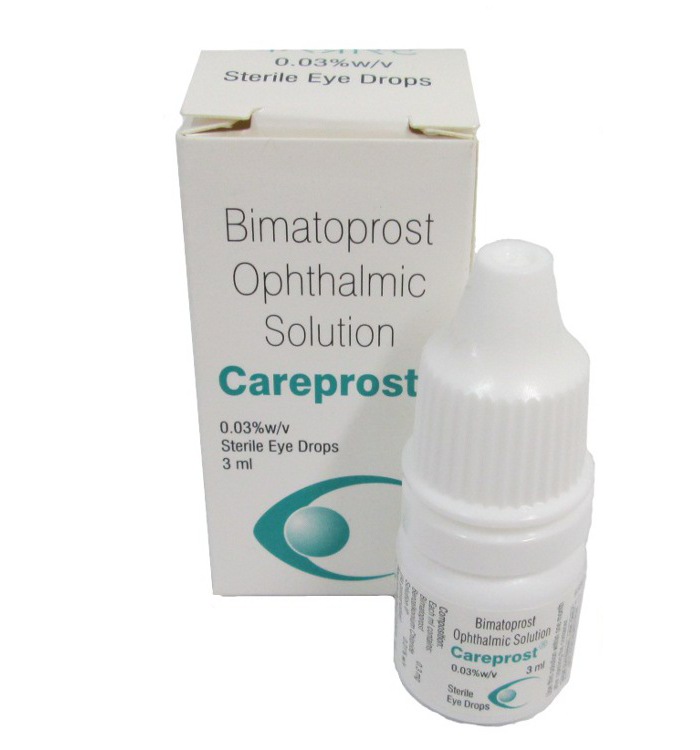
Careprost
- In our pharmacy, you can buy careprost without a prescription, with delivery available across Canada (discreet packaging); note that in many jurisdictions bimatoprost is normally prescription-only, though some online sellers and exporters supply it without a prescription.
- Careprost (bimatoprost) is used to lower intraocular pressure in glaucoma and ocular hypertension and is also used cosmetically to enhance eyelash growth; it is a prostaglandin analogue that lowers intraocular pressure by increasing aqueous humour outflow and stimulates eyelash growth by prolonging the anagen (growth) phase of hair follicles.
- Usual dosage: for glaucoma/ocular hypertension, 1 drop of 0.03% solution in the affected eye(s) once daily in the evening; for eyelash enhancement, apply 1 drop of 0.03% with an applicator to the upper eyelid margin once nightly.
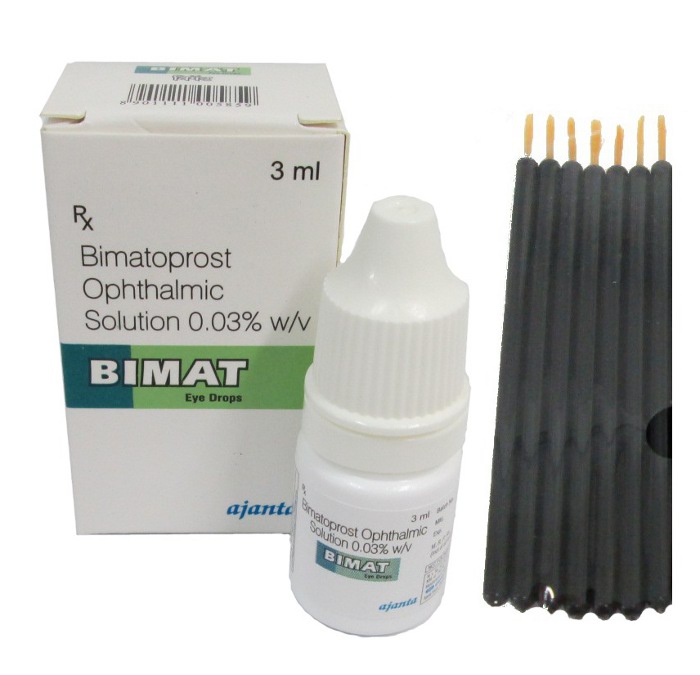
- Form of administration: ophthalmic solution (0.03% w/v) in a 3 mL dropper bottle; administered as eye drops for ocular indications and topically along the upper lash line with an applicator for cosmetic use.
- Onset time: intraocular pressure reduction can begin within hours (with progressive effect over days to weeks); eyelash growth effects are typically first noticeable after about 8 weeks, with fuller results by 12–16 weeks.
- Duration of action: IOP-lowering effect is suitable for once-daily dosing (about 24 hours); cosmetic eyelash effects persist only with continued use and gradually reverse after treatment is stopped.
- Alcohol warning: there is no specific alcohol contraindication with topical bimatoprost, but avoid excessive alcohol if it increases eye irritation or dryness; follow medical advice if you have concerns.
- The most common side effect is conjunctival hyperemia (eye redness); other frequent effects include eyelash and eyebrow changes (growth/darkening), eye irritation or itching, dry eye, and occasional blurred vision.
- Would you like to try “careprost” without a prescription?
Availability & Price Landscape
Basic Careprost Information
- INN (International Nonproprietary Name): Bimatoprost is the INN for Careprost.
- Brand Names Available In Canada (English): Careprost (commonly sold as a 3 mL dropper vial internationally), Lumigan (2.5 mL, 5 mL vials), and Latisse (3 mL with applicators) are global brands referenced in the product information; other generics and names such as Carelid and Apo-Bimatoprost exist internationally.
- ATC Code: S01EE03 — ophthalmologicals, prostaglandin analogues, Bimatoprost.
- Forms & Dosages: Ophthalmic solution 0.03% w/v in a 3 mL dropper, indicated for glaucoma, ocular hypertension and eyelash enhancement.
- Manufacturers In Canada (English): Not specified — primary international manufacturer listed in product information is Sun Pharmaceutical Industries Ltd. (India); Allergan/AbbVie produce Lumigan and Latisse in the USA/EU.
- Registration Status In Canada (English): Not specified for Careprost specifically in the provided data; verify active Canadian DIN for any brand before marketing or dispensing.
- OTC / Rx Classification: Prescription-only (Rx) in most major jurisdictions; some online sellers offer Careprost without a prescription, which bypasses official regulatory channels.
Major National Pharmacy Chains (Shoppers Drug Mart, Rexall, London Drugs)
Patients often ask where to find careprost or bimatoprost locally and whether it’s stocked on retail shelves.
Most mainstream Canadian retail chains stock prostaglandin analogues prescribed for glaucoma, but these are dispensed only with a valid prescription.
Cosmetic-use vials labelled "Careprost" (3 mL dropper) commonly appear through third-party import channels rather than mainstream shelves.
Ask at the following places when checking availability:
- Pharmacy clinic — ask the pharmacist to verify product DIN and supply options.
- Ophthalmology clinic — specialists can prescribe formulations approved for glaucoma and advise on off-label cosmetic use.
- Provincial formulary office — check coverage and preferred products under provincial drug plans.
Online Pharmacy Trends In Canada (Including Provincial Restrictions)
Many Canadians search online for careprost and generic bimatoprost, often comparing price and supplier trustworthiness.
Some online vendors offer careprost without a prescription, which bypasses regulatory channels and raises safety concerns.
Cross-border ordering from US or international suppliers is common but carries customs seizure risks and possible lack of Health Canada oversight.
| Option | Benefits | Risks |
|---|---|---|
| In-Store Pharmacy | Verified supply chain, pharmacist counselling, DIN checks. | May require prescription; limited cosmetic stock. |
| Canadian Online Pharmacy (Reputable) | Convenience, requires Rx, discrete shipping, pharmacist support. | Delivery time; ensure pharmacy is licensed. |
| International Online Seller | Often lower price, easier access to cosmetic formulations. | May ship without Rx, customs risk, potential quality/registration unknown. |
Price Ranges By Package Size (With Provincial Differences)
Price expectations vary widely between branded Latisse and generic or imported careprost 3 mL vials.
Branded cosmetic products such as Latisse are typically priced higher than generic or exported careprost vials.
Glaucoma prescriptions may be covered or partially covered under provincial plans depending on product DIN and patient criteria.
| Pack Size | Typical Price Range (CAD) | Provincial Notes |
|---|---|---|
| Careprost 3 mL dropper | $25–$80 | Imported versions vary; check DIN and supplier authenticity. |
| Latisse 3 mL (branded) | $100–$180 | Higher cost; cosmetic indication not typically reimbursed. |
| Lumigan (2.5/5 mL) for glaucoma | $50–$200 | May be covered under provincial formularies for glaucoma with criteria. |
Canadian Patient Insights & Satisfaction Levels
Forum And Review Platforms (Reddit Canada, HealthBoards, AskDocs)
Where are Canadians talking about careprost and bimatoprost?
Threads appear on Reddit communities such as r/CanadaBeauty and r/optometry, plus forums like HealthBoards and other review sites.
Posts frequently describe sourcing via online importers, community health centres, or ophthalmology clinics.
The broad sentiment on these platforms is mixed, with personal reports ranging from very positive cosmetic results to concern over side effects and sourcing.
Reported Benefits And Challenges From Canadian Patients
What do patients report after using careprost or bimatoprost?
Reported benefits include eyelash growth and darkening after about 8–16 weeks when used nightly as directed.
Glaucoma patients report effective intraocular pressure reduction when bimatoprost is used per prescription.
Common challenges include conjunctival hyperemia (redness), eyelid skin darkening, occasional irritation, and rare iris pigmentation changes.
There are frequent concerns about off-label sourcing and lack of provincial coverage for cosmetic use.
Most-Cited Experiences And Recommended Actions:
- Noticed lash improvement by week 8; take photos at baseline and 8–12 weeks to document changes.
- Developed redness or irritation — recommended action: stop product and ask a pharmacist or ophthalmologist to assess.
- Unsure about source — recommended action: verify DIN, ask pharmacist, and avoid vendors that do not require a prescription.
Product Overview & Brand Variants
INN And Brand Names Used In Canada
What is in the bottle labelled careprost?
The International Nonproprietary Name is bimatoprost, the active substance in Careprost.
Global brand variants include Careprost (3 mL dropper), Lumigan (glaucoma brands in 2.5 mL or 5 mL vials) and Latisse (cosmetic eyelash brand, 3 mL with applicators).
- Bimatoprost
- Active substance (INN) used in ophthalmic solution 0.03% for ocular pressure and cosmetic lash enhancement.
- Careprost
- Commonly sold as a 3 mL dropper vial, often sourced from Sun Pharmaceutical for cosmetic use internationally.
- Lumigan / Latisse
- Branded glaucoma (Lumigan) and cosmetic (Latisse) products manufactured by Allergan/AbbVie in the US/EU.
Legal Classification Under Health Canada
How is bimatoprost treated under Canadian regulation?
In most jurisdictions, bimatoprost products intended for glaucoma are prescription-only.
Cosmetic eyelash use is frequently off-label; Latisse has regulatory history in the US but Canadian status for specific brands should be verified by DIN.
| Brand | Indication | Rx Status |
|---|---|---|
| Lumigan | Glaucoma / Ocular Hypertension | Prescription-only (verify DIN) |
| Latisse | Eyelash Enhancement | Cosmetic; regulatory status varies by market — check DIN |
| Careprost | Eyelash Enhancement / Ophthalmic Solution | Often sold online; prescription status should be verified (prescription-only in most jurisdictions) |
Indications In Local Canadian Medical Practice
Approved Uses (Health Canada DIN Context)
What conditions do Canadian clinicians treat with bimatoprost?
Clinically accepted indication is treatment of glaucoma and ocular hypertension to lower intraocular pressure.
For product labelling and reimbursement, clinicians reference a product’s DIN or Health Canada approval.
| Indication | Typical Regimen | Reimbursement Likelihood |
|---|---|---|
| Glaucoma / Ocular Hypertension | 1 drop of 0.03% once daily in the evening | Possible under provincial formularies with criteria (e.g., Ontario, BC, Quebec) |
| Eyelash Enhancement (Off-Label) | Apply 0.03% nightly to upper eyelid margin with applicator | Typically not reimbursed; cosmetic use usually out-of-pocket |
Off-Label Patterns In Canadian Healthcare
How do prescribers handle cosmetic requests?
- Cosmetic eyelash enhancement with bimatoprost is often off-label; prescribers may issue a prescription based on patient preference and informed consent.
- Provincial drug plans usually will not reimburse cosmetic indications; glaucoma indications may be covered when criteria are met.
- Clinical Practice Notes: document informed consent, record baseline photos, and monitor for adverse events such as iris pigmentation changes.
How It Works In The Body
Layman’s Explanation (Canadian Patient-Friendly Tone)
How does bimatoprost lower eye pressure and thicken lashes?
Bimatoprost is a prostaglandin analogue that increases uveoscleral outflow, helping fluid leave the eye and lowering intraocular pressure.
Applied to the lash line, bimatoprost stimulates hair follicles to extend the growth phase, which increases eyelash length and thickness over weeks.
Mechanism → Effect: increased outflow → IOP ↓; follicle stimulation → lash growth ↑.
Clinical Detail From Health Canada Resources
Pharmacological classification is ATC S01EE03.
Systemic exposure from topical ocular use is low, but local ocular side effects such as conjunctival hyperemia, eyelid skin darkening and rare iris pigmentation changes have been documented.
| Action | Effect |
|---|---|
| Ocular Prostaglandin Analogue Action | Increases uveoscleral outflow to reduce intraocular pressure. |
| Follicular/Stimulatory Action | Prolongs eyelash growth phase and increases pigmentation and thickness. |
Dosage & Administration
Standard Regimens Per Canadian Guidelines
Patients want a clear, stepwise routine for glaucoma and cosmetic use.
- For glaucoma/ocular hypertension: instill one drop of 0.03% in the affected eye(s) once daily in the evening.
- For eyelash enhancement: apply one drop to the supplied applicator and brush along the upper eyelid margin once nightly; do not apply to the lower lid.
- Full cosmetic effects usually take 8–16 weeks; continued use is required to maintain results.
Adjustments By Patient Type (With Canadian Clinical Notes)
How should regimens change for different patient groups?
| Patient Type | Guidance |
|---|---|
| Children | Not established or recommended due to lack of data. |
| Elderly | No routine dose change; monitor for systemic or ocular side effects. |
| Pregnant/Breastfeeding | Generally not recommended; use only if benefits outweigh risks. |
| Contact Lens Wearers | Remove lenses before application and wait about 15 minutes to reinsert. |
Contraindications & Side Effects
Common (Health Canada-Approved List)
Who should not use bimatoprost and what common effects occur?
Absolute contraindication: known hypersensitivity to bimatoprost or any excipient.
Frequency-Graded Adverse Events:
- Very Common: Conjunctival hyperemia (redness).
- Common: Eyelash and eyebrow growth or darkening, eye itching and irritation.
- Occasional: Dry eye, blurred vision.
- Sometimes: Eyelid skin darkening.
Rare But Serious (With Canadian Pharmacovigilance Data)
Be alert for rare but important risks.
Rare serious events include increased iris pigmentation (often brown and potentially permanent), macular oedema in aphakic or pseudophakic patients, and worsening intraocular inflammation.
Stop the product and seek immediate care if there is sudden vision change, severe eye pain, signs of infection, or severe persistent irritation.
Report serious events to Health Canada and provincial adverse-event systems.
Comparable Medicines In Canada
Alternatives Table (With DIN References)
Which alternatives might a prescriber choose instead of bimatoprost?
| Product | Active Ingredient | Common Pack | Rx / Formulary Notes |
|---|---|---|---|
| Xalatan / Lataprox | Latanoprost | 2.5 mL / 5 mL vials | Common prostaglandin analogue on formularies; verify DIN. |
| Travatan | Travoprost | 2.5 mL / 5 mL | Formulary options vary by province; different tolerability profile. |
| Saflutan | Tafluprost | 2.5 mL / 5 mL | Some preservative-free options available; check DIN. |
Pros And Cons List
Compare alternatives when counselling patients.
| Pros | Cons |
|---|---|
| Different tolerability; some options on provincial formularies; preservative-free formulations exist. | Varying costs; some may be slightly less effective for eyelash enhancement compared to bimatoprost. |
Current Research & Trends
Major Canadian Or International Studies 2022–2025
What are clinicians and researchers studying about bimatoprost?
Recent research trends focus on optimising concentration and formulation, development of preservative-free options, long-term incidence of iris pigmentation, comparative effectiveness for lash growth, and sustained-release delivery systems.
Canadian academic centres contribute to safety surveillance and formulation research and monitor FDA and EMA findings for practice updates.
Practice Implications For Canadian Pharmacies
How should pharmacy practice adapt to these trends?
Counselling should reflect preservative-free preferences for sensitive eyes and highlight latest safety communications.
Procurement decisions may shift toward preservative-free or branded products depending on patient demand and formulary listings.
Keep an annotated bibliography on file and flag Health Canada safety notices for team awareness.
Common Patient Questions In Canada
Legal Access & Coverage
Do Canadians need a prescription and will provincial plans cover it?
Q: Do I need a prescription?
A: Yes for glaucoma medicines; cosmetic bimatoprost is often off-label and may still require a prescription; avoid non-regulated vendors.
Q: Will provincial plans cover it?
A: Glaucoma indications may be covered under provincial formularies such as Ontario Drug Benefit, BC PharmaCare and RAMQ depending on the product and criteria; cosmetic use is typically not reimbursed.
Safety, Results, And Practical Use
How long before patients see results and what to do about side effects?
Q: How long to see eyelash results?
A: Initial changes around 8 weeks and full effect by 12–16 weeks when using nightly.
Q: What if I experience redness or vision change?
A: Stop the product and seek pharmacist or ophthalmologist review promptly.
Q: Can I use with contact lenses?
A: Remove lenses before application and wait about 15 minutes to reinsert.
Regulatory Status
Health Canada Approval Process
How does Health Canada handle drug approvals relevant to bimatoprost?
Health Canada evaluates safety, efficacy and quality before issuing a Drug Identification Number (DIN) for marketed products.
Some bimatoprost formulations have international approvals such as FDA approvals for Lumigan and Latisse; verify whether a specific brand has an active DIN in Canada before promoting or dispensing it.
Definitions: DIN identifies marketed drugs; NPN applies to natural health products; Rx indicates prescription-only status.
DIN Number Relevance
Why check a DIN before selling or recommending a product?
DINs are required for legal marketing and for pharmacy recordkeeping and reimbursement eligibility.
Products imported without a Canadian DIN should prompt counselling on regulatory and safety implications, and pharmacies should discourage unsupervised off-label importation.
Procedural Checklist For Pharmacists:
- Confirm DIN for the specific product and batch where possible.
- Verify supply chain and supplier credentials.
- Document prescription and patient counselling in the record.
Visual Recommendations
Infographic Ideas For Canadian Context
Which visuals help patients understand careprost safely?
- "How Bimatoprost Works" showing IOP reduction vs lash growth.
- "Application Steps" as a five-step visual for eyelash use and glaucoma dosing.
- "Common Side Effects & When To Call" using a three-colour severity scale.
- A provincial coverage map indicating likely reimbursement for glaucoma versus non-coverage for cosmetic use.
Product Photography And Comparison Visuals
What images belong on a pharmacy product page?
Include high-resolution photos of the 3 mL dropper packaging, an applicator-use diagram and a table comparing Careprost 3 mL with Latisse 3 mL and branded glaucoma vials such as Lumigan.
Add a visual callout reminding customers to "Check DIN / Prescription Required".
Buying & Storage Advice
In-Store Vs. Online Canadian Purchase Tips
Where is it safest to buy careprost in Canada?
In-store purchases provide DIN verification, pharmacist counselling and a traceable supply chain.
Prefer Canadian online pharmacies that require a valid prescription and are licensed.
Beware international sellers that offer careprost without an Rx; cross-border orders carry customs seizure risk and uncertain Health Canada oversight.
Safe Purchasing Checklist:
- Verify DIN and ask for expiry and batch information.
- Request pharmacist counselling and documented instructions.
- Avoid suppliers that do not require a prescription or provide limited contact information.
In our online pharmacy, careprost is available without a prescription, with discreet delivery to Canada (English) in 5-14 days.
Proper Storage With Canadian Climate Considerations
How should careprost be stored and shipped across Canadian weather extremes?
Store at room temperature 15–25°C (59–77°F) and protect from light and moisture.
Do not freeze and use within four weeks of opening to avoid contamination.
| Storage Step | Canadian Tip |
|---|---|
| Winter Shipping | Insulated packaging and expedited delivery help avoid freezing in transit. |
| Summer Shipping | Avoid leaving parcels in direct sun; choose tracked delivery and cooler pickup times. |
| At Home | Keep in original container, away from bathroom humidity and heat sources. |
Guidelines For Proper Use
Canadian Doctor/Pharmacist Advice Style
What should pharmacists say in a short counselling session?
Confirm the indication: glaucoma versus cosmetic eyelash enhancement.
Verify the prescription and product DIN before dispensing.
Explain dosing clearly: glaucoma — one drop each affected eye once nightly; eyelash — apply nightly to upper lid margin with applicator.
Advise contact lens wearers to remove lenses before application and wait about 15 minutes to reinsert lenses.
Discuss timeline: expect visible lash changes after 8 weeks and maximal effect by 12–16 weeks for cosmetic use.
List common and serious side effects with clear escalation advice and provide a printed checklist card the patient can take home.
Monitoring, Follow-Up And Documentation
How should follow-up be arranged for safety and effectiveness?
For glaucoma patients, schedule an IOP check within 4–12 weeks after initiation and periodically thereafter.
Document baseline ocular history including uveitis, aphakia/pseudophakia, and prior prostaglandin use; counsel on potential permanent iris pigmentation.
For cosmetic use, document informed consent, advise baseline photography and recommend review if adverse effects develop.
| Visit | Timing |
|---|---|
| Baseline | Before starting therapy; document history and photos if cosmetic. |
| First Review | 4–12 weeks for IOP check or earlier for adverse events. |
| Ongoing | Periodic IOP monitoring and yearly eyelid/iris assessment as indicated. |
Delivery Across Canada (English)
| City | Region | Delivery time |
|---|---|---|
| Toronto | Ontario | 5-7 days |
| Montreal | Quebec | 5-7 days |
| Vancouver | British Columbia | 5-7 days |
| Calgary | Alberta | 5-7 days |
| Edmonton | Alberta | 5-7 days |
| Ottawa | Ontario | 5-7 days |
| Winnipeg | Manitoba | 5-9 days |
| Halifax | Nova Scotia | 5-9 days |
| Victoria | British Columbia | 5-7 days |
| Saskatoon | Saskatchewan | 5-9 days |
| Regina | Saskatchewan | 5-9 days |
| St. John's | Newfoundland and Labrador | 5-9 days |
Final Notes For Patients In Canada
Practical Steps Before You Buy
If considering careprost for lashes, ask a pharmacist to verify product DIN and explain the off-label nature of cosmetic use.
Take baseline photos and keep a simple diary of application and any local reactions.
Stop use and seek advice if vision changes, severe irritation or signs of infection occur.
For glaucoma, always follow your ophthalmologist’s schedule for IOP monitoring and therapeutic review.
Where To Get More Help
Your community pharmacist can verify DIN, advise on provincial formulary coverage and counsel on safe application and storage.
Provincial drug plan offices can confirm reimbursement for glaucoma indications and list preferred products.
Always follow medical advice and report serious adverse events to Health Canada and your provincial reporting system.