Latisse
Latisse
- You can buy Latisse from pharmacies and licensed online e‑pharmacies; it is generally a prescription‑only (Rx) product in Canada and many other countries, although some sellers or cosmetic/generic variants are sometimes offered without a prescription or receipt — availability without a prescription varies by jurisdiction and is not the standard regulated route.
- Latisse contains bimatoprost, a prostaglandin analogue used to treat eyelash hypotrichosis and, in other formulations, glaucoma/ocular hypertension; it works by prolonging the anagen (growth) phase of hair follicles and increasing lash growth, thickness and pigmentation.
- The usual dose for eyelash hypotrichosis is one application of 0.03% solution to the upper eyelid margin once nightly with a sterile single‑use applicator; for glaucoma/ocular hypertension the ophthalmic dose is one drop into the affected eye(s) once daily.
- Latisse is administered topically as an ophthalmic solution applied with sterile, single‑use applicators to the upper eyelid margin (for lashes) or as drops into the eye (for glaucoma) — do not share or reuse applicators.
- Onset of visible eyelash effects is typically from about 4 weeks, with clearer improvement by 8–12 weeks and optimal results often around 16 weeks of nightly use.
- Duration of lash effects is dependent on continued use — lashes remain longer/thicker/darker only while treatment continues; glaucoma treatment is ongoing with regular ophthalmic monitoring; some pigment changes (iris or eyelid skin) may be permanent.
- There is no specific alcohol interaction for topical bimatoprost, but avoid alcohol if it increases eye irritation and do not apply Latisse to eyes that are irritated by products; follow general caution and consult a clinician if you consume alcohol heavily and experience increased ocular symptoms.
- The most common side effects are mild to moderate ocular or eyelid irritation, redness, itching, dry or watery eyes, and potential darkening of the eyelid skin or iris; other effects include eyelash misdirection or unwanted hair growth outside the treated area.
- Would you like to try Latisse without a prescription?
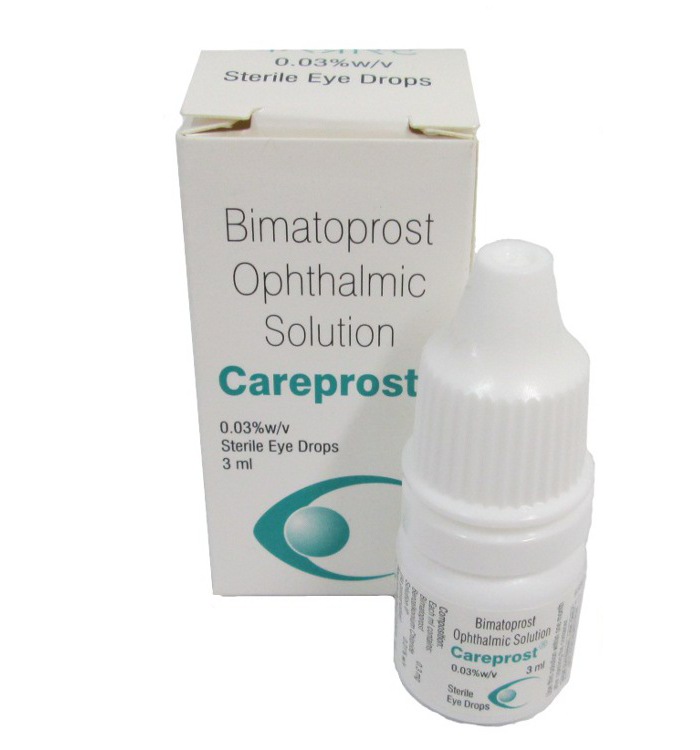
Basic Latisse Information
- INN (International Nonproprietary Name): Bimatoprost
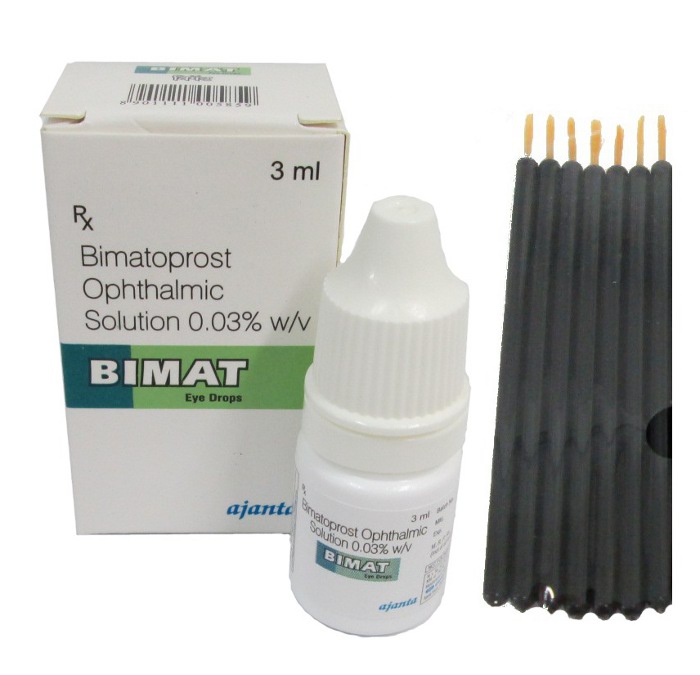
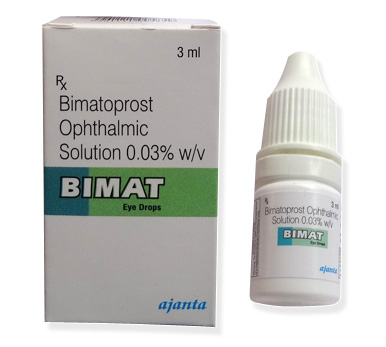
- Brand Names Available In Canada (English): Latisse (0.03% ophthalmic solution, usually 3 mL or 5 mL with single‑use applicators); Lumigan (0.01% or 0.03% ophthalmic solution available internationally); Careprost/Bimat and other generics commonly appear on e‑shops and may be marketed as eyelash growth serums.
- ATC Code: S01EE03 — S (Sensory Organs), S01 (Ophthalmologicals), EE (Prostaglandin Analogues), 03 (Bimatoprost).
- Forms & Dosages: Latisse 0.03% ophthalmic solution in 3 mL and 5 mL packs with sterile single‑use applicators; Lumigan at 0.01% or 0.03% in multiple bottle sizes; Careprost/Bimat generics typically 0.03% in 3 mL or 5 mL with applicators.
- Manufacturers In Canada (English): Original manufacturer for Latisse is Allergan (now AbbVie); generics and distributors include companies such as Mylan and Sandoz internationally, with Indian manufacturers (Sun Pharma, Ajanta, Cipla, Intas) supplying common generics found on international e‑pharmacies.
- Registration Status In Canada (English): Bimatoprost products are prescription only in most jurisdictions; Latisse is marketed as 0.03% ophthalmic solution and is dispensed by prescription departments in major Canadian chains. Verify specific product DIN via Health Canada’s Drug Product Database.
- OTC / Rx Classification: Prescription Only (Rx) — bimatoprost products, including “Bimat + Applicators,” are considered Rx almost universally; local rules may allow cosmetic‑marketed products without Rx in other countries, but not generally in Canada.
Major National Pharmacy Chains (Shoppers Drug Mart, Rexall, London Drugs)
Canadians commonly obtain Latisse and bimatoprost generics through the prescription departments of national chains.
Shoppers Drug Mart and Rexall frequently dispense Latisse by prescription and can order generics on request if not stocked.
London Drugs and Jean Coutu will either stock Latisse or pharmacist‑order equivalent products when a script is presented.
Some stores require in‑person prescription pickup because of labelling rules and the inclusion of single‑use applicators.
Pharmacist counselling at a community pharmacy helps with correct technique and safety screening for ocular disease.
Online Pharmacy Trends In Canada (Including Provincial Restrictions)
Canadian e‑pharmacies accept prescriber scripts or provide telehealth prescription upload pathways for bimatoprost products.
Cross‑border and international e‑shops remain used for price savings but raise questions about DIN presence and product authenticity.
Provincial rules vary for cosmetic fills and some pharmacists may request clinical justification before dispensing for non‑glaucoma use.
Telehealth and remote dispensing have increased access, especially in provinces with sparse specialist coverage.
Price Ranges By Package Size (With Provincial Differences)
Expect wide price variance across Canada for Latisse and bimatoprost products.
Typical retail ranges for branded Latisse 0.03% 3 mL boxes with applicators fall roughly between CAD 70 and CAD 200 per pack depending on brand, store and province.
Larger bottles (5 mL) or imported generics often lower the per‑mL cost while carrying variability in applicator supply.
Provincial drug plans rarely cover cosmetic uses; glaucoma indications may qualify for coverage under ODB (Ontario), BC PharmaCare, or RAMQ (Quebec) if listed for that indication.
Small Price Comparison Table:
- Branded Latisse 0.03% 3 mL: CAD 70–200 (depends on retailer and province).
- Generic Bimatoprost 0.03% 3 mL (imported): Often lower per‑mL cost, variable packaging and applicator count.
- Branded Lumigan (glaucoma): Price varies by bottle size; not marketed primarily for lashes in Canada.
Province‑By‑Province Notes:
- Ontario — Community chains dispense Latisse; ODB may cover glaucoma uses, not cosmetic fills.
- Quebec — Jean Coutu and other chains dispensed by prescription; RAMQ may cover glaucoma with proper indication.
- British Columbia — London Drugs and others can order Latisse; BC PharmaCare may cover glaucoma indications.
- Prairies (Alberta, Saskatchewan, Manitoba) — Chain pharmacies will dispense with prescription; coverage depends on formulary listing for glaucoma.
- Atlantic Provinces (NB, NS, PEI, NL) — Access via chains and telehealth; expect similar out‑of‑pocket costs for cosmetic use.
- Territories — Remote ordering and insulated delivery recommended for temperature control; telehealth scripts common.
Patient Concerns
Patients often ask about applicator reuse and safety; single‑use applicators are supplied and should not be shared or reused.
Canadian Patient Insights & Satisfaction Levels
Forum And Review Platforms (Reddit Canada, HealthBoards, AskDocs)
Canadian users discuss Latisse and bimatoprost across Reddit communities like r/Canada and r/SkincareAddiction, and on sites such as HealthBoards and AskDocs.
Threads typically cover sourcing via provincial pharmacies, telehealth prescriptions, and experiences with cross‑border purchases.
Community members often post before/after photos and timelines showing progress from 4 to 16 weeks.
Review platforms include comments about applicator availability and whether pharmacists provided counselling at pickup.
Reported Benefits And Challenges From Canadian Patients
Reported benefits commonly include fuller, darker eyelashes noticeable by 8–12 weeks and high cosmetic satisfaction for many users.
Common challenges include obtaining a prescription due to provincial variability and occasional pharmacist reluctance when filling for cosmetic use.
Cost is frequently cited as a barrier because cosmetic use is rarely covered by provincial plans.
Side effects described in community posts align with product monographs: irritation, eyelid skin darkening, and rare iris pigmentation.
Many Canadians balance in‑store counselling against online price savings and seek pharmacist advice at community health centres before starting therapy.
Practical tip from forums: never reuse single‑use applicators to reduce infection risk.
Product Overview & Brand Variants
INN And Brand Names Used In Canada
The INN for the active ingredient is bimatoprost.
In Canada, the branded product Latisse is the main marketed formulation for eyelash hypotrichosis and is supplied as a 0.03% ophthalmic solution in 3 mL and 5 mL bottles with single‑use applicators.
Lumigan appears internationally in 0.01% and 0.03% glaucoma formulations, and Careprost/Bimat generics are commonly sourced from international e‑pharmacies.
Legal Classification Under Health Canada
Bimatoprost products are Prescription Only (Rx) across most jurisdictions, and marketed products should carry a Canadian DIN when sold here.
Health Canada requires approved labelling and a product monograph for authorised products; pharmacists should check the Drug Product Database for DIN verification before dispensing.
Indications In Local Canadian Medical Practice
Approved Uses (Health Canada DIN Context)
Health Canada evaluates products for approved indications, safety and manufacturing quality when assigning a DIN.
For many bimatoprost formulations, primary labelled indications are glaucoma and ocular hypertension.
Latisse has regulatory approval for eyelash hypotrichosis in some markets, and in Canada it is dispensed by prescription following provincial pharmacy rules.
Always confirm the labelled indications tied to a product’s DIN and consult the product monograph prior to dispensing.
Off‑Label Patterns In Canadian Healthcare
Off‑label prescribing for cosmetic eyelash or eyebrow enhancement is common among dermatologists and aesthetic clinics in Canada.
Many family physicians will provide prescriptions for cosmetic use after counselling about risks and benefits.
Off‑label prescribing should include documented informed consent describing potential side effects, including the possibility of permanent iris pigmentation.
Short Informed‑Consent Checklist For Pharmacists:
- Confirm cosmetic versus glaucoma indication and document the reason for therapy.
- Discuss common side effects and rare irreversible risks such as iris pigmentation.
- Advise on applicator use and infection prevention.
- Recommend baseline ocular assessment for patients with pre‑existing eye disease.
How It Works In The Body
Layman’s Explanation (Canadian Patient‑Friendly Tone)
Bimatoprost is a medicine applied to the upper eyelid margin that lengthens the growth phase of eyelashes, so lashes grow longer, thicker and often darker.
Visible changes usually begin around four weeks, with the most noticeable results by 12 to 16 weeks when used nightly as directed.
Patients should expect trade‑offs such as mild irritation or skin colour changes around the eyelid in some cases.
Clinical Detail From Health Canada Resources
Bimatoprost is classified under ATC code S01EE03 and acts at prostaglandin receptors to increase follicular activity and melanogenesis in some patients.
Systemic absorption after topical eyelid application is low; most safety evidence comes from ophthalmic use in glaucoma patients.
Health Canada product monographs list dosing, excipients such as benzalkonium chloride, contraindications and storage instructions (2–25°C).
Definitions:
- Anagen — Active growth phase of hair follicles.
- Melanogenesis — Increased pigment production that can darken lashes or surrounding skin.
- DIN — Drug Identification Number linking a product to its Health Canada record.
- ATC — Anatomical Therapeutic Chemical classification; S01EE03 is bimatoprost’s code.
Dosage & Administration
Standard Regimens Per Canadian Guidelines
For eyelash hypotrichosis the standard cosmetic regimen is one application nightly to the upper eyelid margin using a sterile single‑use applicator, discarding the applicator after each eye.
For glaucoma the ophthalmic dose is one drop into the affected eye(s) once daily.
A minimum of four weeks is required to see initial change and up to 16 weeks for optimal effect, with ongoing use required to maintain results.
Adjustments By Patient Type (With Canadian Clinical Notes)
Children: safety and efficacy for cosmetic use are not established and it is not recommended unless under specialist supervision for glaucoma.
Elderly: no routine dose adjustments but monitor ocular surface health.
Patients With Ocular Disease: consult a prescriber before starting; consider a baseline ophthalmic assessment.
Contact Lens Wearers: remove lenses prior to application and wait about 15 minutes before reinsertion.
Do / Don’t Quick List:
- Do use a sterile single‑use applicator each night.
- Do apply only to the upper eyelid margin; avoid the eye surface.
- Don’t reuse or share applicators.
- Don’t double the dose if a night is missed; resume the usual schedule.
Contraindications & Side Effects
Common (Health Canada‑Approved List)
Absolute contraindications include known hypersensitivity to bimatoprost or excipients such as benzalkonium chloride, and active ocular infections or inflammatory conditions.
Common side effects listed in product monographs are eyelid or ocular irritation, redness, itching, and darkening of eyelid skin.
Eyelash growth is an intended effect for cosmetic use but may be described as an adverse effect in glaucoma patients.
Rare But Serious (With Canadian Pharmacovigilance Data)
Post‑marketing reports include rare but serious events such as uveitis flares and macular oedema, particularly in aphakic or pseudophakic eyes with capsule rupture.
Iris pigmentation changes are reported and can be permanent; counsel patients and document the discussion.
Adverse events should be reported to Canada Vigilance for national pharmacovigilance tracking.
Urgent Care Alert: stop use and seek immediate ophthalmic assessment for severe eye pain, sudden vision changes or pronounced inflammation.
Comparable Medicines In Canada
Alternatives Table (With DIN References)
Compact Alternatives Table:
| Product | Active Ingredient | Typical Concentration | Indication | DIN (If Applicable) |
|---|---|---|---|---|
| Latisse | Bimatoprost | 0.03% | Eyelash Hypotrichosis | Check Health Canada Drug Product Database |
| Lumigan | Bimatoprost | 0.01% / 0.03% | Glaucoma/OHT | Varies By Product — Check DIN |
| Careprost / Bimat | Bimatoprost | 0.03% | Eyelash Growth (imported generics) | Often No Canadian DIN — Verify |
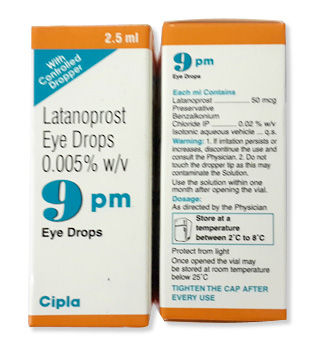
| Latanoprost (Xalatan) | Latanoprost | 0.005% | Glaucoma | Check DIN |
Pros And Cons List
- Pros: Strongest clinical evidence for eyelash growth with Latisse; standardised applicators; prescription channel allows pharmacist counselling.
- Cons: Prescription requirement for most products in Canada; pigmentation risks; price variability and possible complexity when sourcing generics or imports without Canadian DIN.
- OTC non‑bimatoprost serums lack the clinical evidence that bimatoprost products have for lash growth.
Current Research & Trends
Major Canadian Or International Studies 2022–2025
Recent trials up to 2025 continue to show bimatoprost increases eyelash length, thickness and darkness versus placebo by 12–16 weeks.
Research since 2022 emphasises formulation tolerability, efforts to reduce adverse effects with lower‑concentration prostamides, and continued monitoring of pigmentary safety signals.
Canadian observational reports reflect international pharmacovigilance data and monitor real‑world tolerability and patient‑reported outcomes.
Clinical trend: increased telehealth prescribing and a rise in sourcing generics such as Careprost via international suppliers, prompting calls for DIN verification.
For transparency on safety and approvals, consult the Health Canada product monograph and Canada Vigilance summaries before dispensing.
Common Patient Questions In Canada
How Long Until Results?
Initial change around 4 weeks, common improvement by 8–12 weeks and optimal effect often at 12–16 weeks.
Is A Prescription Required?
Yes; bimatoprost products are prescription‑only in Canada though telehealth prescriptions are frequently used.
Will Provincial Drug Plans Pay?
Unlikely for cosmetic use; glaucoma indications may qualify for coverage under provincial formularies such as ODB, BC PharmaCare, or RAMQ.
Are Generics Equivalent?
Generics contain the same active ingredient but packaging, preservative concentrations and inclusion of applicators vary; check for a Canadian DIN where possible.
What Are The Main Risks?
Irritation, eyelid skin darkening and possible permanent iris pigmentation are the primary concerns to discuss during counselling.
Can I Wear Contact Lenses?
Remove lenses before application and wait about 15 minutes before reinserting to avoid interaction with preservatives.
Experiencing Side Effects?
Stop use, seek pharmacist or ophthalmologist review, and report adverse events to Canada Vigilance.
Regulatory Status
Health Canada Approval Process
Health Canada assesses product safety, efficacy and manufacturing quality before assigning a Drug Identification Number (DIN).
The product monograph and labelling reflect approved indications and conditions of sale for each DIN‑linked product.
DIN Number Relevance
A DIN links a marketed product to its Health Canada record and product monograph and should be listed on product pages when available.
Imported or foreign‑labelled bimatoprost products may not carry a Canadian DIN; pharmacists and patients should verify market authorisation before dispensing or purchasing.
Key Definitions:
- DIN — Drug Identification Number assigned by Health Canada.
- NOC — Notice of Compliance for marketed prescription drugs.
- Product Monograph — Approved label and clinical information for a specific DIN product.
- Canada Vigilance — National adverse event reporting system.
Visual Recommendations
Infographic Idea 1: Before/After Timeline at Weeks 0, 4, 8 and 16 showing typical changes.
Infographic Idea 2: Safety Icon Strip with clear instructions — do not reuse applicators, remove contacts, watch for pigmentation.
Infographic Idea 3: Availability Map annotated with provincial notes on coverage and common chain pharmacy presence.
Infographic Idea 4: Compact Comparison Visual showing Latisse vs common generics: concentration, pack size, Rx status and DIN presence.
Accessibility Tip: include alt text and bilingual labels (English/French) for national reach and cite the product monograph for concentration and applicator inclusion.
Buying & Storage Advice
In‑Store Vs. Online Canadian Purchase Tips
In‑store pickup at Shoppers Drug Mart, Rexall, London Drugs or Jean Coutu provides pharmacist counselling and immediate verification of prescription and DIN.
Online Canadian pharmacies offer telehealth pathways and convenience; confirm the pharmacy is licensed and displays a Canadian pharmacy licence.
Cross‑border or international e‑shops may be less expensive but carry import, authenticity and DIN‑absence risks.
In our online pharmacy, latisse is available without a prescription, with discreet delivery to Canada (English) in 5‑14 days.
Proper Storage With Canadian Climate Considerations
Store bimatoprost products at 2–25°C (36–77°F) and avoid leaving bottles in cars during cold winters or hot summer days.
Keep the cap tight, protect from light and do not use if the solution discolours or becomes cloudy.
For remote or northern shipments use insulated packaging and temperature‑controlled courier options where available.
Purchase Verification Checklist:
- Confirm product name and concentration (e.g., Latisse 0.03%).
- Check for a Canadian DIN or authorised distributor information.
- Verify inclusion of sterile single‑use applicators.
- Keep purchase and prescription records for provincial reimbursement inquiries when relevant.
Guidelines For Proper Use
Confirm Indication and Obtain Documented Consent: pharmacists and prescribers should record whether the prescription is for cosmetic eyelash enhancement or for glaucoma management.
Review Dosing Precisely: nightly application to the upper eyelid margin with sterile single‑use applicators, one swipe per eye, discard applicator after each use.
Contact Lens Guidance: remove lenses before application and wait approximately 15 minutes before reinserting lenses.
Set Expectations: counsel patients that some improvement appears by 4–8 weeks, with optimal results by 12–16 weeks and that continued use is necessary to maintain results.
Urgent Signs: advise immediate stop of product and urgent ophthalmic care for severe pain, sudden vision loss or intense inflammation.
Follow‑Up And Documentation: recommend obtaining prescriptions via usual pharmacy or reputable Canadian e‑pharmacy, check DIN, and provide a printable one‑page patient handout covering do’s/don’ts, timeline and side effects.
Delivery Across Canada (English)
| City | Region | Delivery Time |
|---|---|---|
| Toronto | Ontario | 5-7 days |
| Montreal | Quebec | 5-7 days |
| Vancouver | British Columbia | 5-7 days |
| Calgary | Alberta | 5-7 days |
| Edmonton | Alberta | 5-7 days |
| Ottawa | Ontario | 5-7 days |
| Winnipeg | Manitoba | 5-7 days |
| Halifax | Nova Scotia | 5-9 days |
| Quebec City | Quebec | 5-9 days |
| St. John’s | Newfoundland and Labrador | 5-9 days |
| Saskatoon | Saskatchewan | 5-9 days |
| Regina | Saskatchewan | 5-9 days |
| Charlottetown | Prince Edward Island | 5-9 days |
| Whitehorse | Yukon | 5-9 days |
Closing Notes For Pharmacists And Patients
When dispensing, always check the product monograph and verify the DIN if marketing in Canada is claimed.
Document counselling that covers pigmentation risk and applicator use.
Encourage patients to report adverse events to Canada Vigilance and to seek ophthalmic care for concerning symptoms.
Use the pharmacist counselling checklist and the printable patient handout to support safe, informed use of bimatoprost products such as Latisse.