
Metoclopramide

Metoclopramide
- In many retail pharmacies in Canada and internationally metoclopramide is usually a prescription-only (Rx) medicine; availability varies by country and pharmacy and in some local pharmacies or online vendors it may be possible to obtain metoclopramide without a prescription—check local regulations and the pharmacy’s requirements.
- Metoclopramide is used as an antiemetic and prokinetic for nausea and vomiting, diabetic gastroparesis, prevention of chemotherapy-induced nausea and as an adjunct in migraine; it acts mainly as a dopamine D2 receptor antagonist, with 5-HT3 antagonist and 5-HT4 agonist activity, increasing gastric motility and raising the threshold of the chemoreceptor trigger zone.
- The usual adult dose is 10 mg orally, IV or IM three times daily (standard maximum 30 mg/day); for diabetic gastroparesis 10 mg 30 minutes before meals and at bedtime (up to four times daily, short-term max 40 mg/day); pediatric dosing is typically 0.1–0.15 mg/kg per dose every 8 hours (max 10 mg/dose, max 0.5 mg/kg/day).
- Forms of administration include oral tablets (5 mg, 10 mg), orally dispersible tablets (ODT), oral solution (liquid) and injectable ampoules/vials for IM or IV use.
- Onset time: oral doses typically begin to work within 20–60 minutes; IM/IV administration usually produces effects within minutes (often 1–3 minutes).
- Duration of action is generally around 4–6 hours for symptomatic relief; prokinetic effects may persist for several hours after a dose.
- Alcohol warning: avoid alcohol while taking metoclopramide as it can increase drowsiness, impair alertness and may increase the risk of extrapyramidal or other adverse effects.
- The most common side effec is drowsiness; other frequent effects include fatigue, restlessness or akathisia, diarrhoea, dizziness and raised prolactin (with prolonged use); serious risks with longer-term use include tardive dyskinesia and, rarely, neuroleptic malignant syndrome.
- Would you like to try metoclopramide without a prescription?

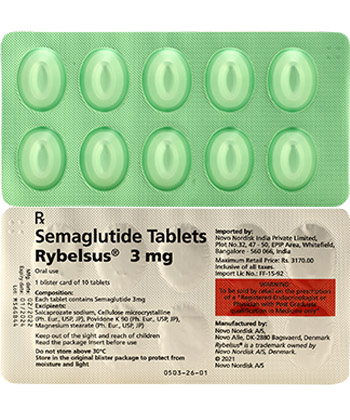
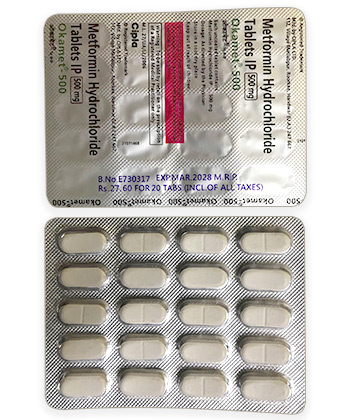





Basic Metoclopramide Information
- INN (International Nonproprietary Name): Metoclopramide
- Brand Names Available In Canada (English): Metoclopramide (generic) and occasional legacy imports; international brands include Reglan and Primperan where supplied by distributors.
- ATC Code: A03FA01 — Metoclopramide (A03F: Propulsives; A03: Drugs For Functional Gastrointestinal Disorders).
- Forms & Dosages: Tablets 5 mg and 10 mg; Orally Dispersible Tablets 5 mg and 10 mg; Oral Solution 5 mg/5 mL and 10 mg/10 mL; Ampoule/Vial 10 mg/2 mL for IM/IV.
- Manufacturers In Canada (English): Multiple global generic suppliers distribute in Canada, including Sandoz, Teva and other multinational distributors; local supply is typically from international generics rather than an originator manufacturer.
- Registration Status In Canada (English): Prescription Only (Rx) in most markets; approved products are assigned Drug Identification Numbers (DINs) when authorised for sale.
- OTC / Rx Classification: Prescription Only (Rx) — not an over-the-counter medicine due to risks with chronic use and extrapyramidal effects.
Availability & Price Landscape
Major National Pharmacy Chains (Shoppers Drug Mart, Rexall, London Drugs)
Canadians usually find metoclopramide stocked at major retail chains in tablet and oral solution forms.
Community stores such as Shoppers Drug Mart, Rexall and London Drugs typically carry 5 mg and 10 mg tablets and, where demand exists, an oral solution formulation.
Injectable ampoules for IM/IV are generally reserved for hospital or clinic supply rather than routine community pharmacy shelves.
Generics supplied by companies like Sandoz and Teva are common in-store and via corporate buying groups.
Availability of particular brands or package sizes can vary by store and region, with some locations keeping only smaller blister packs.
Online Pharmacy Trends In Canada (Including Provincial Restrictions)
Online Canadian pharmacies require valid prescriptions and verify prescriber licensure within the relevant province before dispensing.
Their e-prescription workflows follow provincial rules, and Quebec places additional teleprescribing constraints through its payer systems.
Cross-border purchases from U.S. online vendors happen when Canadian prices or access are limited, but importation is subject to customs limits and Health Canada guidance.
Provincial formularies and prior authorisations influence which online fills are covered or reimbursed for patients on public plans.
Price Ranges By Package Size (With Provincial Differences)
Small blister packs (10–20 tablets) usually cost less per package but more per tablet compared with 30–50 tablet packs.
Bulk packages give better value per tablet and are often preferred when therapy is short-term and coverage allows it.
Provincial drug plans such as Ontario Drug Benefit, BC PharmaCare and RAMQ may cover metoclopramide for approved indications like gastroparesis, but coverage rules differ by age and require prior authorisation in some provinces.
Price comparisons between Shoppers, Rexall, London Drugs and major online pharmacies are useful, but remember to factor in pharmacist counselling, shipping and coverage rules.
Canadian Patient Insights & Satisfaction Levels
Forum And Review Platforms (Reddit Canada, HealthBoards, AskDocs)
Patients discuss metoclopramide frequently on Reddit Canada, HealthBoards and AskDocs when seeking relief for acute nausea or gastroparesis symptoms.
Threads often note hospital use of IV metoclopramide for severe vomiting and quick symptom control in emergency settings.
Community posts highlight interactions with pharmacists at large chains who explain the risks associated with longer-term use.
Reported Benefits And Challenges From Canadian Patients
Many patients report rapid relief from nausea, especially with 10 mg doses taken for postoperative nausea, migraine-associated vomiting or gastroenteritis.
Common short-term effects mentioned include drowsiness, restlessness (akathisia) and diarrhoea.
Concerns focus on access issues such as delays obtaining prescriptions, provincial prior authorisations for gastroparesis coverage and difficulty sourcing particular brands or package sizes.
Some patients state positive experiences when metoclopramide is combined with ondansetron in oncology or emergency protocols.
Patient threads also report choosing domperidone to avoid central nervous system effects despite domperidone’s cardiac monitoring caveats.
- “Took 10 mg in ED and vomiting stopped within 20 minutes.”
- “Pharmacist warned me to limit to a few days because of movement risks.”
- “Had trouble getting prior authorisation for gastroparesis until gastroenterology wrote a supporting note.”
Product Overview & Brand Variants
INN And Brand Names Used In Canada
The INN is metoclopramide and most Canadian supply is generic metoclopramide; occasional legacy brands may appear via distributors.
Forms commonly dispensed are tablets (5 mg and 10 mg), orally dispersible tablets, oral solution (5 mg/5 mL) and ampoules (10 mg/2 mL) for parenteral use in institutional settings.
Legal Classification Under Health Canada
Health Canada classifies metoclopramide as a prescription-only medicine and approved products carry Drug Identification Numbers (DINs).
Because of tardive dyskinesia risk, product monographs and labelling include specific duration and counselling advisories.
Manufacturers supplying Canada typically include multinational generics such as Sandoz, Teva and other distributors rather than the original brand owner.
Indications In Local Canadian Medical Practice
Approved Uses (Health Canada DIN Context)
Health Canada–labelled indications reflect antiemetic and prokinetic actions: short-term treatment of acute nausea and vomiting and documented gastroparesis.
Some monograph entries include adjunctive use in chemotherapy settings and as a single-dose adjunct in migraine protocols.
Labelled adult dosing follows standard recommendations such as 10 mg up to three times daily for nausea and vomiting.
Off-Label Patterns In Canadian Healthcare
Off-label use in Canada includes refractory nausea in palliative care, peri-procedural gastric motility augmentation and emergency IV use for severe migraine when other options are insufficient.
Off-label prescribing typically involves specialist consultation, documentation and sometimes prior authorisation to secure public plan coverage.
Hospitals commonly use IV metoclopramide within order sets, while community prescribers generally restrict use to short courses to comply with safety guidance.
How It Works In The Body
Layman’s Explanation (Canadian Patient-Friendly Tone)
Metoclopramide helps food move through the stomach faster and calms the brain’s vomiting centre so nausea eases.
It blocks certain dopamine signals that trigger nausea, stimulates receptors that speed up stomach emptying and can blunt some serotonin receptors involved in vomiting.
Oral medicine usually begins to work within 30–60 minutes, while IV or IM doses act more quickly in acute care.
Clinical Detail From Health Canada Resources
Pharmacologically, metoclopramide is a dopamine D2 antagonist, a 5-HT3 antagonist and a 5-HT4 agonist, increasing lower oesophageal sphincter tone and gastric peristalsis.
It is also a prolactin releaser, so prolonged exposure can increase prolactin and cause galactorrhoea or gynaecomastia in some patients.
Because metoclopramide crosses the blood–brain barrier, central nervous system adverse effects like extrapyramidal symptoms are an established risk and inform the duration limits in product monographs.
Dosage & Administration
Standard Regimens Per Canadian Guidelines
Adults commonly receive 10 mg orally or IM/IV up to three times a day for nausea and vomiting, not exceeding 30 mg per day.
For diabetic gastroparesis, short-term dosing can be 10 mg 30 minutes before meals and at bedtime, with a maximum of 40 mg per day only for short durations.
Pediatric dosing is generally 0.1–0.15 mg/kg per dose every eight hours with limits described in product monographs.
Adjustments By Patient Type (With Canadian Clinical Notes)
Elderly patients and those with renal or hepatic impairment commonly require dose reductions, often by about 50% in moderate impairment.
Renal impairment with GFR under 40 mL/min usually prompts halving the dose because accumulation increases movement disorder risk.
In acute IV use, hospital protocols define dilution, rate and monitoring and many institutions include rescue plans for extrapyramidal reactions.
- Adult Standard: 10 mg PO/IV/IM q8h (max 30 mg/day).
- Gastroparesis: 10 mg PO 30 min before meals (short term only).
- Children: 0.1–0.15 mg/kg q8h (max 10 mg/dose).
Contraindications & Side Effects
Common (Health Canada-Approved List)
Absolute contraindications include hypersensitivity to metoclopramide, pheochromocytoma, seizure disorders and mechanical gastrointestinal obstruction or perforation.
Common adverse effects reported include drowsiness, fatigue, restlessness (akathisia), diarrhoea, dizziness and headache.
Product monographs also list increased prolactin as a common effect with potential for galactorrhoea or gynaecomastia when exposure is prolonged.
Rare But Serious (With Canadian Pharmacovigilance Data)
Tardive dyskinesia is the most serious long-term risk and is associated with prolonged or repeated exposure; Health Canada warnings emphasise limiting treatment duration.
Very rare events include neuroleptic malignant syndrome and severe extrapyramidal reactions, particularly in children and young adults.
QT prolongation is a consideration when combining metoclopramide with other QT‑prolonging agents, and clinicians counsel patients to report involuntary movements early.
Comparable Medicines In Canada
Alternatives Table (With DIN References)
Common alternatives include domperidone, ondansetron, granisetron, prochlorperazine and promethazine.
Domperidone is a prokinetic with less central penetration but requires ECG monitoring for QT risk and may face restricted coverage.
Ondansetron and granisetron are 5‑HT3 antagonists often preferred in chemotherapy-induced nausea and tolerated well but have limited prokinetic action.
Pros And Cons List
Metoclopramide — Pro: effective prokinetic and antiemetic; Con: CNS side effects and tardive dyskinesia risk.
Domperidone — Pro: fewer CNS effects; Con: cardiac risk and regulatory limitations.
Ondansetron — Pro: well tolerated for chemo; Con: cost and limited effect on gastric emptying.
Pharmacists should check current Health Canada DIN listings when selecting specific product alternatives for substitution.
Current Research & Trends
Major Canadian Or International Studies 2022–2025
Recent trials have refined short-course IV metoclopramide use in emergency migraine protocols and found faster symptom relief when combined with NSAIDs or triptans.
Comparative studies in gastroparesis continue to weigh symptomatic benefit against adverse-event profiles, reinforcing the link between cumulative exposure and tardive dyskinesia risk.
Pharmacovigilance analyses from Health Canada and international registries highlight treatment duration as the dominant modifiable risk factor for movement disorders.
Interest is growing in lower-dose or intermittent regimens and in pharmacist-led monitoring programmes to improve safety and access under provincial prior-authorization systems.
Common Patient Questions In Canada
Is A Prescription Required?
Yes — Health Canada classifies metoclopramide as prescription-only, and most Canadian pharmacies will request a valid prescription before dispensing.
Will Provincial Drug Plans Cover It?
Coverage varies: Ontario Drug Benefit, BC PharmaCare and RAMQ may cover metoclopramide for certain indications or age groups and some require prior authorisation.
Can I Buy It Online From The US?
Cross-border purchasing happens, but importation has customs limits and regulatory considerations; verify prescription authenticity and Health Canada guidance.
How Long Can I Safely Take It?
Short courses of up to five days are common; do not exceed 12 weeks without specialist review because of tardive dyskinesia risk.
What If I Develop Twitching Or Restlessness?
Stop the medication and seek urgent medical review, as early extrapyramidal reactions are reversible if treated promptly.
Pregnancy Or Breastfeeding?
Discuss with your prescriber; increased prolactin may be relevant and risk/benefit should be considered for mother and infant.
Regulatory Status
Health Canada Approval Process
Health Canada requires evidence of safety, efficacy and quality for approval, and assigns a Drug Identification Number (DIN) to marketed products.
Product monographs and DIN entries include labelling, approved indications and safety communications such as the duration-limiting advisory for metoclopramide.
DIN Number Relevance
DINs identify the specific product, strength and manufacturer and are used by provincial formularies and pharmacies for coverage adjudication and inventory control.
Pharmacies must ensure DIN validity or use Special Access Program/NOC pathways for unapproved imports when necessary.
Visual Recommendations
Dose Quick-Reference Infographic: show oral and IV dosing, maximum daily limits and the 12-week duration warning with provincial coverage icons.
Safety Flowchart: depict contraindications and early signs of extrapyramidal symptoms with clear steps for patients to stop medication and seek care.
Packaging Gallery: side-by-side images of tablet blisters, ODT, oral solution bottle and ampoule box with an illustrative DIN badge on each image.
Price Comparison Chart: include Shoppers, Rexall, London Drugs and major online pharmacies annotated with provincial coverage notes and cross‑border cautions.
Buying & Storage Advice
In-Store Vs. Online Canadian Purchase Tips
Always obtain a valid prescription when possible and use local chains for in-person counselling and easier returns.
Online Canadian pharmacies will verify e-prescriptions and prescriber credentials; avoid sites offering metoclopramide without prescription verification.
In our online pharmacy, metoclopramide is available without a prescription, with discreet delivery to Canada (English) in 5-14 days.
When considering cross-border vendors, remember customs limits, absence of Canadian labelling and potential difficulty obtaining pharmacist counselling.
Proper Storage With Canadian Climate Considerations
Store metoclopramide at 15–30°C and protect from light and moisture as per manufacturer guidance.
Do not leave injectable ampoules in freezing winter vehicles and avoid high heat during summer transport.
Keep oral solutions in original bottles and use within the period specified after opening.
Dispose of unused medication via pharmacy take-back programs according to provincial disposal rules.
Guidelines For Proper Use
Confirm the indication and prior antiemetic trials before prescribing or dispensing metoclopramide.
Document informed consent for off-label or longer-term use and explain the maximum recommended exposure of 12 weeks and the rationale—risk of tardive dyskinesia.
Provide clear written instructions including dose, timing (30 minutes before meals for gastroparesis), maximum daily dose and missed-dose guidance.
Advise patients to watch for involuntary movements, restlessness or sudden behavioural changes and to stop the medicine and seek urgent review if these occur.
Arrange pharmacist follow-up at one to two weeks to assess efficacy and side effects and liaise with specialists for complex cases.
Delivery Across Canada (English)
| City | Region | Delivery Time |
|---|---|---|
| Toronto | Ontario | 5-7 days |
| Montreal | Quebec | 5-7 days |
| Vancouver | British Columbia | 5-7 days |
| Calgary | Alberta | 5-7 days |
| Edmonton | Alberta | 5-7 days |
| Ottawa | Ontario | 5-7 days |
| Winnipeg | Manitoba | 5-7 days |
| Halifax | Nova Scotia | 5-9 days |
| Victoria | British Columbia | 5-9 days |
| Saskatoon | Saskatchewan | 5-9 days |
| St. John’s | Newfoundland and Labrador | 5-9 days |
| Kingston | Ontario | 5-9 days |
| Sudbury | Ontario | 5-9 days |
| Fredericton | New Brunswick | 5-9 days |
Quick Recap For Patients
Metoclopramide is a prescription antiemetic and prokinetic used for acute nausea and documented gastroparesis and commonly dispensed as 5 mg or 10 mg tablets or oral solution.
Short courses are preferred and Health Canada guidance limits exposure duration because of tardive dyskinesia risk.
Report involuntary movements or severe restlessness immediately and store medication between 15–30°C away from light and moisture.
Pharmacists can help check provincial coverage based on DIN entries and assist with prior-authorisation paperwork when needed.
For urgent or complex cases, coordinate care with gastroenterology or neurology as appropriate.