
Metformin Glyburide
Metformin Glyburide
- Available from retail pharmacies and online suppliers in Canada and internationally (brands/generics such as Glucovance, Apo‑Glyburide/Metformin, Ratio‑Glyburide/Metformin); it is a prescription‑only (Rx) medicine in most jurisdictions, though some sellers or pharmacies may sometimes offer it without a prescription — this is not recommended and you should consult a prescriber.
- Metformin glyburide is used to treat type 2 diabetes; metformin lowers hepatic glucose production and improves insulin sensitivity, while glyburide (a sulfonylurea) stimulates pancreatic insulin secretion, providing complementary glucose‑lowering effects.
- Typical starting dose for adults is 1.25 mg/250 mg once or twice daily with meals, titrated every ~2 weeks as needed; common tablet strengths include 1.25/250 mg, 2.5/500 mg and 5/500 mg, and the usual maximum total daily dose is about 20 mg glyburide / 2000 mg metformin.
- The medication is given orally as tablets.
- The glyburide component begins to lower blood glucose within about 1–2 hours; metformin’s full glucose‑lowering effects may take several days to weeks to become apparent, so some benefit can be seen within hours but optimal control can require longer.
- Duration of action depends on the components and dosing regimen—glyburide effects typically last ~12–24 hours per dose and metformin’s glycaemic effects persist with regular dosing (steady‑state benefit over days); overall, daily dosing provides ongoing 24‑hour glycaemic control when taken as prescribed.
- Avoid excessive alcohol consumption — alcohol increases the risk of metformin‑associated lactic acidosis and can worsen hypoglycaemia risk with glyburide.
- The most common side effect is gastrointestinal upset (nausea, diarrhoea, abdominal discomfort); there is also a notable risk of hypoglycaemia (shakiness, sweating, hunger) primarily from the glyburide component.
- Would you like to try “metformin glyburide” without a prescription?
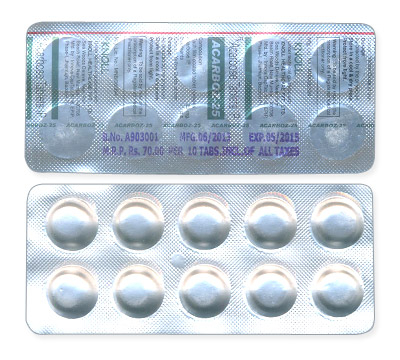
Basic Metformin Glyburide Information
- INN (International Nonproprietary Name): Metformin and Glyburide.
- Brand Names Available In Canada (English): Apo-Glyburide/Metformin and Ratio-Glyburide/Metformin supplied by Apotex and Sandoz; generics dominate, legacy brand Glucovance noted in other markets.
- ATC Code: A10BD03 (combinations of oral blood glucose lowering drugs).
- Forms & Dosages: Oral tablets available in strengths 1.25mg/250mg, 2.5mg/500mg and 5mg/500mg (glyburide/metformin).
- Manufacturers In Canada (English): Apotex and Sandoz are listed suppliers for Canadian market generics.
- Registration Status In Canada (English): Authorized by Health Canada with several generics available.
- OTC / Rx Classification: Prescription only (Rx) in Canada.
Major National Pharmacy Chains
Can I find metformin glyburide at the big stores?
Most national pharmacy chains in Canada stock generic metformin/glyburide combinations from manufacturers such as Apotex and Sandoz.
Shoppers Drug Mart: Typically dispensed from the pharmacy counter; may be on shelf in select stores but usually behind the counter and pharmacist‑managed.
Rexall: Usually kept behind the pharmacy counter with pharmacist counselling and substitution handled at dispensing.
London Drugs: Stocking can vary by location; often available but may be ordered in if a specific generic strength is out of stock.
Jean Coutu (Quebec): Provincial stock rotations and labelling differ; some Quebec stores manage different brand names and may order by DIN.
Small independent pharmacies: Often keep at least one generic on hand and can order specific DINs for patients quickly.
Because metformin glyburide is prescription only, pharmacists will order by DIN or DIN‑equivalent when a particular generic is requested.
Typical on‑shelf/behind‑counter status:
- Shoppers Drug Mart — Usually behind counter; pharmacist counselling on substitution.
- Rexall — Behind counter; can order specific strengths by DIN.
- London Drugs — May be on shelf or behind counter depending on store; orderable.
- Jean Coutu — Behind counter with Quebec labelling differences; substitutions common.
- Independent Pharmacies — Usually behind counter; often flexible ordering from suppliers.
Online Pharmacy Trends In Canada
How do online pharmacies handle prescriptions and billing?
Canadian online pharmacies, both chain and independent, commonly list multiple generic metformin glyburide options and the typical tablet strengths.
Provincial rules require a valid prescription and support provincial drug plan billing such as ODB (Ontario), BC PharmaCare and RAMQ (Quebec) for covered patients.
Cross‑border purchases from U.S. sites are common among Canadians seeking lower list prices, but these carry customs, authenticity and reimbursement risks.
Flow of an online purchase:
- Order placed on a Canadian‑licensed site → prescription uploaded or faxed → pharmacist verifies and dispenses → provincial plan billing or private pay.
Price Ranges By Package Size
What will it cost me in Canada?
Approximate retail prices for generic glyburide/metformin combination tablets vary by strength, manufacturer and province.
Typical price bands for a 30‑tablet pack tend to range from the low teens CAD to the mid‑fifties CAD depending on strength and dispensing fees.
Public plans, private insurance and dispensing fees change the net out‑of‑pocket cost for patients.
Provincial formularies can alter price via bulk purchasing or coverage rules; check ODB, BC PharmaCare or RAMQ for eligibility and actual copays.
Forum And Review Platforms
Where do Canadian patients talk about this medicine?
Reddit Canada (r/Canada and r/diabetes) — Posts focus on effectiveness, hypoglycaemia experiences and switching generics at pharmacies.
Facebook Provincial Diabetes Groups — Users share local coverage tips, pharmacy substitution stories and costs under provincial plans.
HealthBoards — Longer threads describe side effects, especially GI tolerance and hypoglycaemia avoidance strategies.
AskDocs / Medical Q&A Sites — Canadians commonly ask about dosing schedules, travel with diabetes meds and whether different brand names are equivalent.
Reported Benefits And Challenges From Canadian Patients
What do people like and dislike about the combo pill?
- Benefit → Many report improved fasting glucose and fewer pills compared with taking separate agents, which helps adherence.
- Benefit → Lower copays for generics and simpler dosing are frequent positives described by patients.
- Challenge → Hypoglycaemia episodes, especially when meals are skipped or timing changes, are commonly reported and concerning.
- Challenge → Gastrointestinal upset attributed to metformin is a common reason for switching formulations or dosing schedules.
- Challenge → Confusion when pharmacies substitute different generics or reformulations, with Quebec patients noting different local labelling.
INN And Brand Names Used In Canada
Which names should I expect at the pharmacy?
The INN for the product is metformin and glyburide.
In Canada, generics dominate; Apo-Glyburide/Metformin (Apotex) and Ratio-Glyburide/Metformin (Sandoz) are the notable brand labels supplied locally.
Glucovance is the legacy global brand originally marketed by Bristol‑Myers Squibb and still referenced in some markets, but Canadian availability is mainly under generic names.
Tablet strengths available include 1.25/250 mg, 2.5/500 mg and 5/500 mg.
Legal Classification Under Health Canada
Do I need a prescription?
The combination is prescription‑only (Rx) in Canada and is authorised under specific product DINs linked to approved product monographs.
Pharmacists dispense by DIN and substitutions are governed by provincial pharmacy rules.
- INN → International Nonproprietary Name identifying active ingredients.
- DIN → Drug Identification Number used for dispensing, billing and traceability.
- Rx → Prescription status means a valid prescriber order is normally required for dispensing.
Approved Uses In Canadian Medical Practice
Who is this pill for?
Health Canada authorises the metformin/glyburide combination for adults with Type 2 diabetes when dual oral therapy is appropriate.
Typical initiation is 1.25/250 mg once or twice daily with meals, with titration every two weeks up to a maximum of 20 mg glyburide / 2000 mg metformin per day.
The combination is not indicated for Type 1 diabetes, pregnancy, lactation or paediatric use.
- Approved Indication: Type 2 diabetes in adults requiring combination oral therapy.
- DIN Action Item: Prescribers should specify product strength or allow pharmacist substitution per provincial rules; pharmacists use DINs for claims.
Off‑Label Patterns In Canadian Healthcare
Do doctors use it for other things?
Off‑label use of this combo is uncommon because alternative agents and separate titration strategies are available.
Clinicians may prefer separate metformin and a sulfonylurea when fine‑tuning doses is needed, or will choose newer classes like SGLT2 inhibitors or DPP‑4 inhibitors when cardio‑renal benefits are a priority.
Transitional off‑label use can occur when simplifying regimens for adherence, but prescribers are expected to document the rationale in the chart.
Layman’s Explanation Of How It Works
How does the pill lower blood sugar?
Metformin lowers blood sugar by reducing how much glucose the liver makes and by helping the body use insulin better.
Glyburide tells the pancreas to release more insulin by stimulating the pancreatic beta cells.
Together, the pill tackles both insulin resistance and insufficient insulin production, which can be easier than taking two separate pills.
- Metformin → Reduces hepatic glucose production and improves insulin sensitivity.
- Glyburide → Stimulates insulin release from pancreatic beta cells.
Clinical Details From Health Canada Resources
What should clinicians keep in mind?
Glyburide is a sulfonylurea that increases insulin secretion, while metformin is a biguanide that decreases hepatic gluconeogenesis and increases peripheral glucose uptake.
The combination is classified under ATC code A10BD03.
The combination improves glycaemic control but increases hypoglycaemia risk due to the sulfonylurea component and carries metformin‑related lactic acidosis cautions in renal impairment.
Standard Regimens Per Canadian Guidelines
How is dosing started and adjusted?
Typical initiation is 1.25mg glyburide / 250mg metformin once or twice daily with meals, with titration every two weeks according to response.
The maximum combined dose is 20mg glyburide / 2000mg metformin per day.
Patients should take doses with food to lessen GI upset and reduce hypoglycaemia risk.
- Missed Dose Advice: Take as soon as remembered unless the next dose is near; do not double doses.
Adjustments By Patient Type
Who needs dose changes or extra checks?
Elderly patients should start at the lowest dose and have renal function and hypoglycaemia monitored more frequently.
Severe renal impairment (eGFR <30 ml/min) is a contraindication because of lactic acidosis risk; mild to moderate impairment requires close monitoring and potential dose adjustments.
Hepatic impairment, acute illness, surgery or dehydration are situations when temporary cessation is often necessary.
| Patient Group | Action |
|---|---|
| Elderly | Start low; monitor renal function and hypoglycaemia closely. |
| Renal Impairment | Contraindicated if eGFR <30 ml/min; adjust or stop in moderate cases. |
| Hepatic Impairment | Use not recommended; increased toxicity risk. |
Common Side Effects
What side effects should patients expect?
Common effects mirror the components: metformin‑related GI upset such as nausea, diarrhoea and abdominal discomfort, and glyburide‑related hypoglycaemia with sweating, shakiness or hunger.
Headache is also reported.
- For GI Symptoms → Take with food, report persistent vomiting or severe diarrhoea to a health professional.
- For Hypoglycaemia → Carry fast‑acting carbohydrate, check glucose when symptomatic and seek urgent care if severe.
Rare But Serious Risks
What dangerous problems can happen?
Lactic acidosis is rare but life‑threatening and associated with metformin use in the presence of severe renal impairment or conditions predisposing to hypoxia or reduced renal clearance.
Severe hypoglycaemia from glyburide can require emergency care and may present with confusion, sweating, seizures or loss of consciousness.
Canadian adverse events are reported to Health Canada’s Canada Vigilance programme and clinicians should report severe or unexpected reactions.
- Risk: Lactic acidosis → Monitor renal function, stop metformin during acute illness or before contrast when indicated.
- Risk: Severe Hypoglycaemia → Provide an emergency action plan and consider dose changes or alternative agents.
Alternatives And Comparable Medicines In Canada
What other choices exist?
Comparable options include metformin alone (Glucophage, Siofor generics), glyburide alone (brands used elsewhere include Micronase/Diabeta), and other combinations such as sitagliptin/metformin or empagliflozin/metformin.
| Drug | Class | Typical Use | Notes | DIN |
|---|---|---|---|---|
| Metformin (Glucophage/Siofor) | Biguanide | First‑line for Type 2 diabetes | Favourable on hypoglycaemia risk; monitor renal function | Not specified |
| Glyburide (single agent) | Sulfonylurea | Used when additional insulin secretagogue required | Higher hypoglycaemia risk | Not specified |
| Sitagliptin/Metformin | DPP‑4 inhibitor + biguanide | Combination with less hypoglycaemia risk | Alternative when sulfonylurea undesirable | Not specified |
Pros And Cons Of The Combo Pill
Should a patient choose the combination tablet?
- Pros → Fewer tablets, simplified regimen and potential cost savings when generics are used.
- Cons → Less flexible titration of individual components and higher hypoglycaemia risk than metformin alone; lacks the cardio‑renal benefits seen with SGLT2 or GLP‑1 therapies in some patients.
Major Research And Trends 2022–2025
How are prescribing patterns changing?
Recent literature and guideline updates have emphasised cardiovascular and renal outcome benefits of SGLT2 inhibitors and GLP‑1 receptor agonists, shifting use away from older sulfonylurea combinations for higher‑risk patients.
Combination therapy with metformin and a sulfonylurea remains effective for glycaemic lowering but is less favoured where cardio‑renal protection is the primary goal.
Practical Implications For Prescribers And Patients
When is the combo still useful?
Clinicians may reserve metformin/glyburide combinations for patients where cost, tolerance and adherence favour this simpler oral option, or when newer agents are contraindicated or not covered by insurance.
Provincial registries and formulary committees in Ontario and BC continue to track safety signals, hypoglycaemia incidence and lactic acidosis reports to inform coverage decisions.
Common Patient Questions In Canada
Can I get this covered by my provincial plan?
Eligibility varies by province and program; check Ontario Drug Benefit (ODB), BC PharmaCare and RAMQ for details and special authorisations.
Is hypoglycaemia common with the combo?
Glyburide raises the risk of hypoglycaemia compared with metformin alone, so meal timing and glucose monitoring are essential.
Can I take it if I have kidney disease?
The combination is contraindicated in severe renal impairment (eGFR <30 ml/min); mild to moderate impairment requires monitoring and may necessitate alternatives.
Are brand substitutions safe?
Pharmacists may substitute generics; Canadian generics must meet Health Canada standards and have DINs—ask your pharmacist for the product monograph if unsure.
Can I travel with it?
Keep tablets in original packaging, carry a copy of your prescription and monitor glucose when changing routine or crossing time zones.
Health Canada Approval Process
How does approval work?
Health Canada reviews safety, efficacy and quality before authorising prescription medicines and issues Drug Identification Numbers (DINs) that link to product monographs and labelling.
- Health Canada → Reviews and authorises medicines for safety, efficacy and quality.
- Product Monograph → Contains approved indications, dosing and safety information for patients and clinicians.
DIN Number Relevance
Why does the DIN matter to patients?
DINs are used by pharmacies for dispensing, provincial claims and pharmacovigilance and help patients confirm the exact formulation and strength dispensed.
For cross‑border purchases, matching a Canadian DIN is not possible—verify equivalent active strengths and formulations carefully.
Infographic Ideas For Canadian Context
What visuals help patients understand this medicine?
Create a patient‑facing infographic showing metformin effects versus glyburide effects in two columns with icons for liver, pancreas and blood sugar control.
Include a “When To Stop Before Procedures” graphic listing renal/contrast guidance and an Ontario/BC/Quebec coverage flowchart.
Image And Table Suggestions For Product Pages
What should a product page show?
Use clear tablet photos with magnified imprint, a strength table for 1.25/250, 2.5/500 and 5/500 mg and formulary badges like “Health Canada Approved” and “Prescription Only.”
Include a comparison table of alternatives with DIN, typical cost range, renal safety and hypoglycaemia risk for easy patient comparison.
In‑Store Versus Online Purchase Tips
How do I buy safely in Canada?
In‑store: Present a valid prescription, ask the pharmacist for the DIN and manufacturer, and confirm any substitution before accepting the product.
Online: Use a Canadian‑licensed pharmacy that requires a prescription and supports provincial billing; avoid unregulated foreign sellers to reduce risks with authenticity and reimbursement.
In our online pharmacy, metformin glyburide is available without a prescription, with discreet delivery to Canada (English) in 5-14 days.
- Checklist For Safe Purchase → Verify pharmacy licence, confirm prescription requirement, check DIN and ask about provincial billing.
Proper Storage With Canadian Climate Considerations
How should tablets be stored at home in Canada?
Store at controlled room temperature, ideally between 20–25°C, and protect from moisture and heat.
Avoid leaving tablets in a car during hot summer days or freezing winter conditions.
Keep medication in the original packaging to preserve expiry and DIN information.
Guidelines For Proper Use: Doctor/Pharmacist Advice Style
What should a consultation include?
Use a shared decision approach covering glycaemic targets, renal function (eGFR), comorbidities and patient priorities such as cost and regimen simplicity.
When prescribing the combination, document the rationale, counsel on hypoglycaemia prevention and review metformin counselling points including GI effects and lactic acidosis warnings.
- Consultation Checklist → Confirm diagnosis, record baseline labs, discuss dosing, meal timing and emergency hypoglycaemia plan.
Monitoring And Follow‑Up Recommendations
What monitoring is needed after starting?
Baseline tests should include renal function and HbA1c, with periodic reassessment of renal function and monitoring for hypoglycaemia and GI tolerance.
Follow‑up frequency will depend on individual risk; document any hypoglycaemia episodes and adjust therapy if targets are unmet or adverse effects occur.
| Monitoring Stage | Recommended Tests/Checks |
|---|---|
| Baseline | eGFR, HbA1c, medication reconciliation |
| Ongoing | Periodic renal function, HbA1c checks and hypoglycaemia review |
| After Dose Changes | Assess tolerance, side effects and glucose readings within weeks |
Delivery Across Canada (English)
| City | Region | Delivery time |
|---|---|---|
| Toronto | Ontario | 5-7 days |
| Montreal | Quebec | 5-7 days |
| Vancouver | British Columbia | 5-7 days |
| Calgary | Alberta | 5-7 days |
| Edmonton | Alberta | 5-7 days |
| Ottawa | Ontario | 5-7 days |
| Winnipeg | Manitoba | 5-7 days |
| Quebec City | Quebec | 5-7 days |
| Halifax | Nova Scotia | 5-9 days |
| Victoria | British Columbia | 5-9 days |
| Saskatoon | Saskatchewan | 5-9 days |
| Regina | Saskatchewan | 5-9 days |
| St. John's | Newfoundland and Labrador | 5-9 days |
| London | Ontario | 5-7 days |
| Kitchener | Ontario | 5-7 days |
Infographic And Product Visual Recommendations
Which images work best on product pages?
Include a tablet gallery with magnified imprint photos, an accessible strength table and formulary badge icons for Health Canada approval and prescription status.
Use alt text describing strength and imprint for screen readers and a simple flowchart showing how to get a refill through provincial coverage.
Buying And Storage Advice Quick Checklist
What should a patient do before accepting a dispensed product?
- Present valid prescription and ask for the DIN and manufacturer on the label.
- Confirm any generic substitution and ask for the product monograph if unsure.
- Store at controlled room temperature (20–25°C), avoid moisture and extreme temperatures.
- Carry a copy of the prescription when travelling and keep medication in original packaging.
Guidelines For Proper Use: Final Reminders
What are the most important safety points to remember?
Always confirm renal function before and during treatment and never use the product if eGFR is below 30 ml/min.
Discuss hypoglycaemia prevention with the patient, including meal timing, carrying fast‑acting carbohydrate and supplying written emergency plans.
Consider newer therapies with proven cardio‑renal benefit for higher‑risk patients if clinically appropriate and covered by insurance.
Where To Get More Help
Who can patients call if they have questions?
Speak with a community pharmacist for on‑the‑spot counselling about substitutions, dosing and side effects.
Contact the prescribing family physician or diabetes clinic for medication changes, complex monitoring or if hypoglycaemia occurs frequently.
Report any serious adverse reactions to Health Canada via the Canada Vigilance programme.