
Metformin
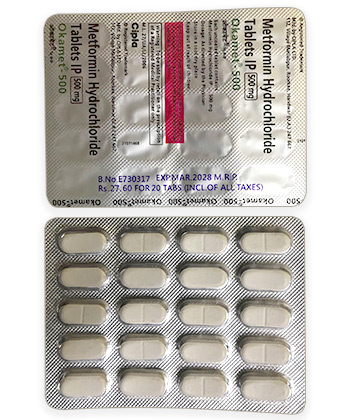
Metformin
- Metformin can be purchased from pharmacies in Canada and many international markets as a prescription drug (Rx) in regulated settings; however, some online pharmacies may offer metformin without a prescription. Delivery and packaging vary by supplier and region.
- Metformin is used to treat type 2 diabetes and is also used off-label for polycystic ovary syndrome, prediabetes, and sometimes weight management under medical supervision. It belongs to the biguanide class and lowers blood glucose mainly by reducing liver glucose production, improving insulin sensitivity, and decreasing intestinal glucose absorption.
- The usual dose for adults with type 2 diabetes is 500 mg once or twice daily with meals, then increased gradually by 500 mg per week as tolerated. Typical maintenance doses are 1500–2000 mg/day, with a maximum of about 2000–2550 mg/day depending on the formulation. Extended-release metformin is usually taken once daily, up to 2000 mg/day.
- Metformin is available as immediate-release tablets, extended-release tablets, oral solution, and combination tablets with other diabetes medicines.
- Metformin usually starts working within a few days, but the full blood sugar-lowering effect may take 1–2 weeks or longer as the dose is adjusted.
- The duration of action depends on the formulation: immediate-release tablets last about 4–8 hours, while extended-release forms provide coverage for about 12–24 hours.
- Alcohol should be avoided or used with great caution while taking metformin, because alcohol can increase the risk of lactic acidosis, especially in people with kidney, liver, or dehydration issues.
- The most common side effects are stomach upset, nausea, diarrhoea, gas, abdominal discomfort, a metallic taste, and mild weight loss. Long-term use may also cause vitamin B12 deficiency.
- Would you like to try metformin without a prescription?


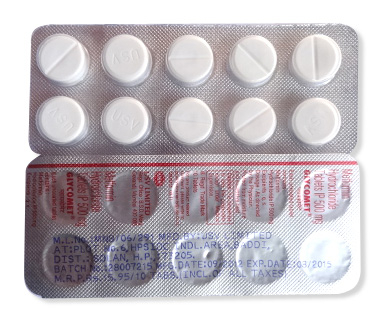

Basic Metformin Information
- INN (International Nonproprietary Name): Metformin
- Brand names available in Canada (English): Generic metformin products are commonly dispensed under manufacturer names such as Apo-Metformin, Sandoz Metformin FC, and other pharmacy-supplied labels; international brands may include Glucophage, Fortamet, Glumetza, and Riomet
- ATC Code: A10BA02
- Forms & dosages: Immediate-release tablets 500 mg, 850 mg, 1000 mg; extended-release tablets 500 mg, 750 mg, 1000 mg; oral solution 100 mg/mL; combination tablets may exist in some markets
- Manufacturers in Canada (English): Multiple generic manufacturers and distributors supply Canadian pharmacies; local availability varies by wholesaler and province
- Registration status in Canada (English): Prescription only (Rx)
- OTC / Rx classification: Rx only
Availability And Price Landscape
Looking for metformin usually starts with a prescription, because this medicine is prescription only in Canada.
Most shoppers encounter it at Shoppers Drug Mart, Rexall, London Drugs, Jean Coutu, local independent pharmacies, or community health centre dispensing sites.
Metformin 500mg is commonly stocked in generic immediate-release tablets, and metformin extended-release is also widely available, but specific strengths and manufacturers can change by location and wholesaler supply.
That means one branch may have metformin tablets in 500 mg and 1000 mg, while another may carry 850 mg or a different extended-release product.
Province-by-province drug plans can make a big difference to what a patient pays at the counter, especially when deductibles, formularies, or preferred generics change from one plan to the next.
Online Canadian pharmacy access is convenient for chronic refills, but shipping timelines matter if a refill is needed before the next dose runs out.
Some provinces also place limits on certain dispensing models, so the same product may be easy to order in one place and slower to ship in another.
Cross-border US prices may look lower on first glance, but they are not always comparable once prescription rules, import limits, and shipping are taken into account.
| Buying Factor | What Canadian Shoppers Usually See |
|---|---|
| Prescription status | Rx only in Canada |
| Common strengths | IR 500 mg, 850 mg, 1000 mg; XR 500 mg, 750 mg, 1000 mg |
| Cost drivers | Generic version, provincial coverage, pharmacy pricing, and refill quantity |
| Packaging | Varies by local regulatory requirements |
Canadian Patient Insights And Satisfaction Levels
Ask around in Canadian forums and you will hear the same themes again and again.
People often talk about stomach upset during the first few weeks, frustration with slow dose titration, and relief when A1C improves without the higher cost of newer diabetes medicines.
In Reddit Canada threads, community health centre conversations, and AskDocs-style discussions, patients usually focus on whether the tablet is easy to tolerate and whether the pharmacy can keep the same generic brand in stock.
Extended-release tablets are often viewed more favourably when nausea or diarrhoea becomes a barrier, because they may feel gentler for some patients.
For many Canadians, satisfaction comes down to adherence, refill convenience, and whether provincial coverage keeps the monthly cost low enough for long-term use.
Metformin is often a chronic, long-term medicine, so even small changes in tolerability or supply can affect whether someone stays on therapy.
- What patients like: Low cost compared with newer diabetes medicines, long-term familiarity, and the option of metformin extended-release when GI tolerance is an issue.
- Common complaints: Nausea, diarrhoea, flatulence, abdominal pain, metallic taste, and occasional brand switching between generic suppliers.
Product Overview And Brand Variants
Metformin is the International Nonproprietary Name, and many drug listings also call it metformin hydrochloride.
It belongs to the biguanide class and is listed as ATC A10BA02, which places it among oral hypoglycaemic agents used for diabetes care.
In Canadian practice, shoppers often see generic metformin rather than a famous global brand, but the active ingredient is the same.
International brand names that are well recognised include Glucophage, Fortamet, Glumetza, and Riomet, while other markets may use supplier-specific names and combination products.
That is why the label may change from one pharmacy to the next even when the medicine class stays the same.
Because it is prescription only, the exact presentation matters for dispensing, especially when a pharmacist is matching immediate-release and extended-release tablets.
- INN
- Metformin
- Class
- Biguanide oral hypoglycaemic agent
- Common brands
- Glucophage, Fortamet, Glumetza, Riomet, and Canadian generic labels such as Apo-Metformin and Sandoz Metformin FC
Indications In Local Canadian Medical Practice
Why do most Canadians receive metformin in the first place?
The main reason is type 2 diabetes management.
Family doctors, endocrinologists, and walk-in clinics may start therapy, while pharmacists reinforce how to take it with meals and how to time refills.
Metformin can also be used off-label for polycystic ovary syndrome, prediabetes, and possible weight-related metabolic support, but only under clinician supervision.
Canadian prescribing habits can differ slightly by province, and coverage rules may influence whether a patient starts a generic tablet or an extended-release option.
Health Canada-authorised products must have a valid DIN, and the specific presentation dispensed matters because strengths and release types are not interchangeable without review.
- Approved use: Type 2 diabetes in adults and, in Canada, prescribed metformin products with proper Health Canada authorisation and DIN.
- Off-label use: PCOS, prediabetes, and selected metabolic situations under medical supervision.
How It Works In The Body
Metformin is not insulin, and it does not work like a rescue medicine for suddenly very high blood sugar.
It helps the body use insulin better and reduces the amount of sugar the liver releases into the bloodstream.
That is why it is usually taken with food and why the effect builds over time instead of acting right away.
Clinically, it is a first-line oral glucose-lowering medicine in the biguanide class.
For patients, the practical takeaway is simple: it may help lower fasting glucose, but it still needs steady daily use and regular follow-up.
It is not used for diabetic ketoacidosis, and urgent medical care is still needed if blood sugars are dangerously high or symptoms are severe.
Plain language: Helps your body use insulin better and lowers sugar made by the liver.
Clinical detail: Oral hypoglycaemic agent in the biguanide class, used chronically for blood sugar control.
Dosage And Administration
What dose usually gets started in Canada?
For adults with type 2 diabetes, a common starting dose is 500 mg once or twice daily with meals.
Doses are usually increased by 500 mg per week as tolerated, which helps reduce stomach upset.
Immediate-release tablets commonly come as metformin 500mg, metformin 850mg, and metformin 1000mg, while metformin XR is usually used once daily.
Extended-release therapy is often capped at 2000 mg total daily, while immediate-release regimens may reach 2000 to 2550 mg per day in divided doses.
Children aged 10 years and older may start at 500 mg once daily, with a usual maximum of 2000 mg per day divided.
Older adults should start low, titrate slowly, and have renal function monitored closely, especially if follow-up labs are delayed.
If a dose is missed, take the next dose as scheduled and do not double it.
Overdose symptoms are urgent because of the risk of lactic acidosis.
| Patient Group | Typical Dosing Notes |
|---|---|
| Adults with type 2 diabetes | 500 mg once or twice daily with meals; titrate by 500 mg/week |
| Extended-release users | Usually once daily; up to 2000 mg total |
| Children 10 years and older | Start 500 mg once daily; maximum usually 2000 mg/day divided |
| Renal impairment | Contraindicated if eGFR is below 30 mL/min/1.73 m²; monitor closely at 30 to 45 |
Contraindications And Side Effects
The most common reasons Canadians stop or question metformin are stomach-related side effects.
Nausea, diarrhoea, abdominal discomfort, gas, metallic taste, and mild weight loss are the usual complaints.
Rare but serious problems include lactic acidosis and vitamin B12 deficiency with long-term use.
Safety matters most in patients with severe renal impairment, metabolic acidosis, hypersensitivity, or acute conditions such as hypoxia, shock, or sepsis.
Extra caution is also needed with dehydration, unstable heart failure, liver disease, and alcohol misuse or binge drinking.
Renal monitoring is especially important in Canadian practice when lab follow-up is delayed or when a longer refill interval is dispensed.
| Common Side Effects | Serious Risks |
|---|---|
| Nausea, diarrhoea, flatulence, abdominal pain, metallic taste, mild weight loss | Lactic acidosis, vitamin B12 deficiency |
- Do not use it if eGFR is below 30 mL/min/1.73 m².
- Avoid it during acute or chronic metabolic acidosis, including diabetic ketoacidosis.
- Use caution with dehydration, unstable heart failure, hepatic impairment, and alcohol misuse.
Comparable Medicines In Canada
Patients often ask what metformin is compared with when a prescription is changed or a second medicine is added.
Common alternatives include gliclazide, glimepiride, sitagliptin, dapagliflozin, and pioglitazone.
Metformin is often cheaper and first-line, while newer agents may offer different weight, hypoglycaemia, kidney, or heart-related benefits depending on the patient.
Combination diabetes tablets are also common, including Glucovance and Actoplus Met, which pair metformin with another glucose-lowering ingredient.
These products may carry separate DINs and different provincial coverage rules, so the pharmacy may need to confirm the exact product before filling.
Multiple generic versions help reduce cost and improve access, especially for patients who need chronic therapy.
| Medicine | Class | Typical Advantage | Common Limitation | Coverage Notes |
|---|---|---|---|---|
| Gliclazide | Sulfonylurea | Blood sugar lowering | Hypoglycaemia risk | Varies by province |
| Glimepiride | Sulfonylurea | Once-daily use for some patients | Hypoglycaemia risk | Varies by plan |
| Sitagliptin | DPP-4 inhibitor | Different tolerability profile | Often more expensive | Plan-specific |
| Dapagliflozin | SGLT2 inhibitor | Different cardio-renal profile | Higher cost for many patients | Coverage may be restricted |
| Pioglitazone | Thiazolidinedione | Alternative add-on therapy | Not ideal for every patient | Separate DIN and formulary rules |
Current Research And Trends
From 2022 to 2025, the big questions about metformin have stayed surprisingly practical.
Research attention continues to centre on long-term glycaemic control, better tolerance strategies with extended-release tablets, vitamin B12 monitoring, and off-label use in prediabetes and PCOS.
Patients sometimes wonder whether newer diabetes medicines make metformin outdated.
The practical answer in Canada is that it remains widely used because it is familiar, affordable, and broadly accessible through provincial drug plans.
Multiple generic versions are still available globally, which keeps the medicine relevant for chronic care and helps patients stay on treatment.
Current interest is less about replacing metformin and more about making it easier to stay on therapy safely over time.
- Long-term glucose control remains the main clinical focus.
- Extended-release formulations are often discussed for GI tolerance.
- Vitamin B12 monitoring is increasingly recognised in long-term users.
- Off-label interest remains centred on prediabetes and PCOS under supervision.
Common Patient Questions In Canada
Can you take metformin with food?
Yes, and taking it with meals is standard because it helps reduce stomach upset.
Why does the stomach react to it?
Nausea, diarrhoea, gas, and abdominal discomfort are common, especially when the dose is started too quickly.
Is generic the same as brand?
Yes, the active ingredient is metformin, although packaging and the manufacturer may differ.
Can the pharmacy switch brands?
Yes, but wholesaler supply and provincial formulary rules can affect what is stocked.
What if a province covers only some strengths?
The pharmacist may need to adjust the exact presentation or request a different product that matches coverage.
Can it be bought online?
Yes, and patients can also buy metformin online Canada through licensed channels; in our online pharmacy, metformin is available without a prescription, with discreet delivery to Canada in 5-14 days.
Always confirm with a pharmacist before switching between immediate-release and extended-release tablets.
- Do not double a missed dose.
- Take it with meals whenever possible.
- Ask before changing brands or release types.
Regulatory Status
In Canada, metformin is a prescription medicine and legitimate products should carry a valid DIN.
The DIN helps identify an authorised product and separates Canadian supply from unregulated cross-border or imported sources.
Availability can differ by province and by drug plan, including Ontario Drug Benefit, BC PharmaCare, and RAMQ in Quebec.
Formulary inclusion does not always mean automatic coverage, because deductibles, criteria, and prior authorisation may still apply.
Health Canada approval matters because the exact strength and release type must match the prescription and the product dispensed.
Canadian patients should check the label for the DIN, strength, release type, and manufacturer before leaving the pharmacy.
- Prescription only status
- Valid DIN on the package
- Exact strength and release type
- Province-specific coverage rules
Visual Recommendations
Product pages for metformin should make comparison fast and clear.
A dosing ladder can show the move from 500 mg once daily to higher titrated doses.
An IR versus XR comparison block helps patients understand why one tablet may be taken once daily while another is split through the day.
A side effect severity chart can separate common GI upset from rare but serious risks like lactic acidosis.
A DIN and label checklist is especially useful on Canadian packaging, since packaging varies by local regulatory requirements.
A small map-style note on provincial coverage and a simple in-store versus online price panel can help shoppers make sense of the market at a glance.
Buying And Storage Advice
The safest place to buy metformin is through a licensed Canadian pharmacy, whether the order is placed in store or online.
Before paying, confirm the DIN, strength, release type, and manufacturer, because those details matter when refilling a chronic medicine.
Cross-border US pricing may look attractive, but prescriptions, shipping, customs, and legitimacy concerns can change the real cost picture quickly.
For storage, keep metformin at room temperature between 15 and 30°C.
Protect it from moisture, heat, and light, and avoid leaving it in a bathroom, car, or anywhere with big winter-to-summer temperature swings.
Liquid formulations should not be frozen.
A simple refill checklist helps patients stay on track when a chronic refill is due.
- Check the refill date before the last tablet is gone.
- Confirm whether the product is immediate-release or extended-release.
- Keep tablets dry and away from direct heat.
- Ask about travel supply if a trip is planned.
| Storage Do | Storage Do Not |
|---|---|
| Store at 15 to 30°C | Do not freeze solutions |
| Keep in a dry place | Do not leave in humid bathrooms |
| Keep away from light and heat | Do not store in a hot car |
Guidelines For Proper Use
Taking metformin exactly as prescribed is the best way to keep blood sugar management steady.
It should be taken with meals, at the same time each day, unless a prescriber gives different instructions.
Do not stop suddenly without medical advice, especially if the medicine is part of a long-term diabetes plan.
Renal monitoring stays important over time, and alcohol limits matter because misuse raises safety concerns.
If stomach side effects begin after a brand or formulation switch, ask the pharmacist whether the tablet is immediate-release or extended-release before making any changes.
XR tablets should not be split or crushed unless the product directions specifically allow it.
People with diabetes should follow local lab and follow-up schedules through their family doctor or clinic, since access and timing can vary across provinces.
If a dose is missed, do not double the next one.
If overdose is suspected, seek immediate medical attention because lactic acidosis can be life-threatening.
- Take it with food.
- Stay on the same daily schedule.
- Confirm the release type before splitting tablets.
- Keep follow-up appointments and bloodwork.
Delivery Across Canada (English)
| City | Region | Delivery time |
|---|---|---|
| Toronto | Ontario | 5-7 days |
| Ottawa | Ontario | 5-7 days |
| Mississauga | Ontario | 5-7 days |
| Vancouver | British Columbia | 5-7 days |
| Victoria | British Columbia | 5-7 days |
| Calgary | Alberta | 5-7 days |
| Edmonton | Alberta | 5-7 days |
| Winnipeg | Manitoba | 5-7 days |
| Quebec City | Quebec | 5-7 days |
| Montreal | Quebec | 5-7 days |
| Halifax | Nova Scotia | 5-7 days |
| Saskatoon | Saskatchewan | 5-9 days |
| Regina | Saskatchewan | 5-9 days |
| St. John's | Newfoundland and Labrador | 5-9 days |
| Charlottetown | Prince Edward Island | 5-9 days |