Diabetes is a chronic condition that affects how your body processes blood sugar. When you have diabetes, your body either cannot produce enough insulin or cannot use it effectively. This leads to high blood sugar levels that can cause serious health complications if left untreated.
There are three main types of diabetes. Type 1 diabetes occurs when the pancreas cannot produce insulin, typically developing in children and young adults. Type 2 diabetes is the most common form, where the body cannot use insulin properly, usually affecting adults over 45 but increasingly seen in younger people. Gestational diabetes develops during pregnancy and may increase the risk of Type 2 diabetes later in life.
Common symptoms of diabetes include:
If you experience any of these symptoms, consult your healthcare provider for proper diagnosis and testing. Early detection and management are essential for preventing serious health complications.
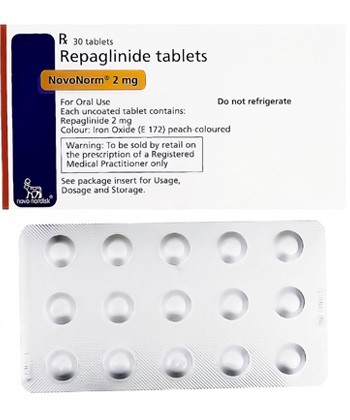
Several oral medications are available in Canada to help manage Type 2 diabetes effectively. These medications work through different mechanisms to help control blood sugar levels and improve your body's insulin response.
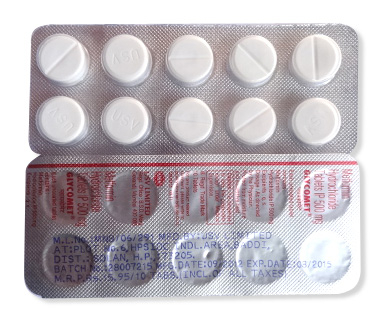
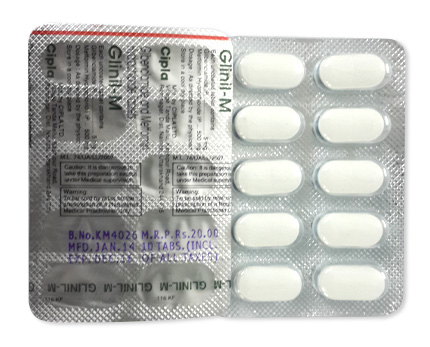
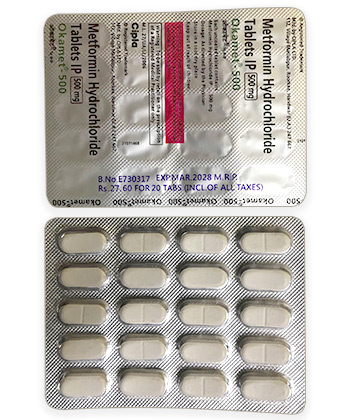
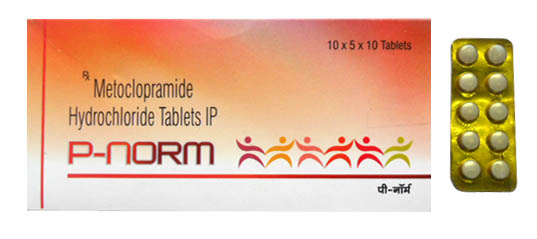
Metformin is often the first medication prescribed for Type 2 diabetes. It works by reducing glucose production in the liver and improving insulin sensitivity throughout your body. This medication is widely available, generally well-tolerated, and has been used safely for many years.
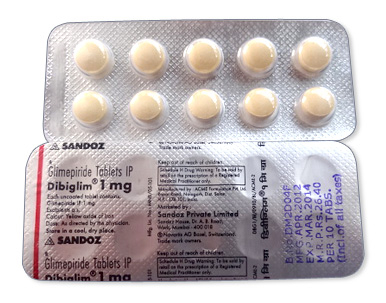
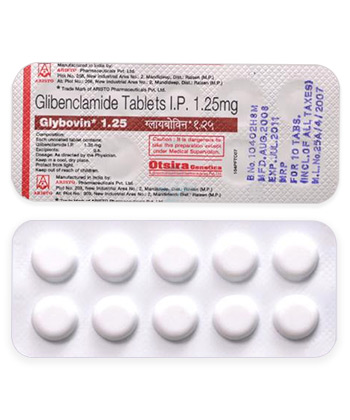
Other medication classes include sulfonylureas like glyburide and glipizide, which stimulate the pancreas to release more insulin. These medications are effective but require careful monitoring to avoid low blood sugar episodes. Dipeptidyl peptidase-4 inhibitors, including sitagliptin and saxagliptin, help regulate blood sugar levels by increasing insulin release when needed.
Thiazolidinediones such as pioglitazone improve insulin sensitivity in muscle and fat cells, making it easier for your body to use available insulin. SGLT2 inhibitors like empagliflozin and dapagliflozin work by helping your kidneys remove excess glucose through urine. Alpha-glucosidase inhibitors slow carbohydrate digestion to prevent rapid blood sugar spikes after meals.
Your pharmacist can explain which medication or combination of medications suits your specific needs, taking into account your health history, other medications, and lifestyle factors.
When oral medications are insufficient, injectable therapies become necessary for effective diabetes management. Insulin is a hormone that helps cells absorb glucose from the bloodstream. Several insulin types are available in Canada, including rapid-acting, short-acting, intermediate-acting, and long-acting formulations to match your body's needs.
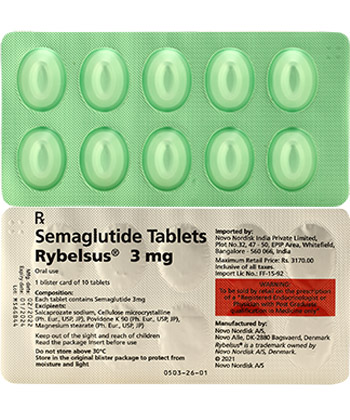
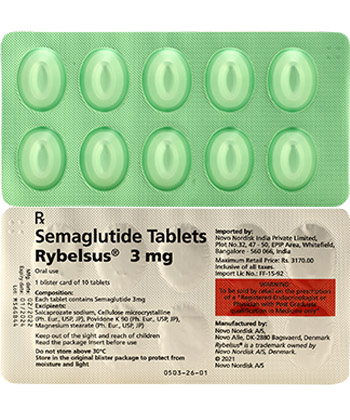
GLP-1 receptor agonists like semaglutide and dulaglutide are injectable medications that help control blood sugar and may aid weight loss. These medications are increasingly prescribed for Type 2 diabetes management due to their cardiovascular benefits and effectiveness. Insulin pens and pumps make administration convenient and allow for precise dosing throughout the day.
Type 1 diabetes requires insulin therapy from the time of diagnosis. Patients typically use a combination of long-acting basal insulin and rapid-acting insulin with meals to maintain stable blood sugar levels. Proper injection technique and regular blood sugar monitoring are essential for successful insulin therapy management and achieving optimal health outcomes.
Regular blood sugar monitoring is crucial for effective diabetes management and helps you understand how your body responds to food, exercise, and stress. Glucometers are portable devices that measure blood glucose levels from a small blood sample obtained through a fingerstick. Test strips and lancets are consumable supplies needed for regular monitoring throughout the day.
Continuous glucose monitors offer real-time blood sugar readings and trends, helping patients track patterns and adjust treatment accordingly. These devices use a small sensor worn on the skin that transmits data to a receiver or smartphone application, giving you valuable insights into your glucose patterns. Many Canadian provinces provide coverage for certain monitoring supplies through their healthcare plans.
Home testing kits allow you to check your blood sugar before meals, after meals, and at bedtime to understand your personal glucose patterns. Keeping a detailed log of your readings helps your healthcare provider adjust your medication and lifestyle recommendations for better control. Your pharmacist can recommend appropriate monitoring supplies based on your diabetes type, treatment plan, and individual preferences.
Managing diabetes requires more than medication alone. A balanced diet rich in vegetables, whole grains, and lean proteins helps maintain stable blood sugar levels throughout the day. Limiting refined sugars and processed foods is essential for preventing dangerous blood sugar spikes and supporting overall health.
Regular physical activity helps your body use insulin more effectively and improves your overall fitness. Aim for at least 150 minutes of moderate exercise weekly, such as walking, swimming, cycling, or any activity you enjoy. Exercise also supports healthy weight maintenance, which significantly improves diabetes control and reduces medication requirements.
Stress management and adequate sleep are important factors in blood sugar regulation. High stress and poor sleep can raise cortisol levels, making blood sugar control more difficult and potentially requiring medication adjustments. Weight loss of even 5 to 10 percent can dramatically improve Type 2 diabetes symptoms and may reduce your medication needs significantly.
Your healthcare team, including dietitians, diabetes educators, and your pharmacist, can provide personalized guidance for lifestyle changes tailored to your circumstances and goals.
Uncontrolled diabetes can lead to serious complications affecting multiple body systems if not properly managed over time. Heart disease and stroke are more common in people with diabetes, making cardiovascular health monitoring essential through regular check-ups and appropriate preventive medications.
Kidney damage, or diabetic nephropathy, can develop gradually and may progress silently without obvious symptoms. Regular testing to detect early signs allows for early intervention and slows disease progression. Diabetic neuropathy causes nerve damage, typically affecting the feet, leading to numbness and increased infection risk that can become serious if neglected.
Proper foot care, including daily inspection and appropriate footwear, helps prevent complications and catches problems early. Vision problems including diabetic retinopathy can develop when high blood sugar damages blood vessels in the eyes, potentially leading to vision loss if untreated.
Regular check-ups with your doctor and eye specialist are important for early detection and prevention of complications. Your pharmacist plays a vital role in your diabetes management team, helping ensure medication adherence, answering questions about your medications, and identifying potential drug interactions with other treatments you may be taking.
Working closely with your healthcare providers and maintaining consistent medication use significantly improves long-term outcomes and quality of life. By staying committed to your treatment plan and making healthy lifestyle choices, you can effectively manage your diabetes and reduce your risk of serious complications.