
Lotrisone
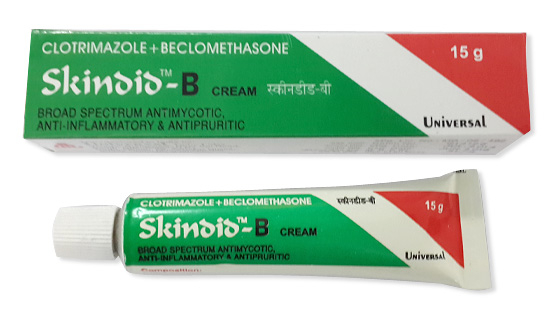
Lotrisone
- In our pharmacy, you can buy lotrisone without a prescription, with delivery available across Canada and discreet packaging.
- Lotrisone is used to treat fungal skin infections (athlete’s foot, jock itch, ringworm); clotrimazole is an antifungal that inhibits fungal ergosterol synthesis by targeting fungal cytochrome P450 enzymes, and betamethasone dipropionate is a potent topical corticosteroid that reduces inflammation, itching and redness.
- The usual dosage is to apply a thin film to the affected area twice daily (morning and evening) for adults and those 17 years and older — up to 2 weeks for tinea corporis/cruris and up to 4 weeks for tinea pedis; do not exceed 45 g per week.
- Form of administration: topical cream (most commonly 1% clotrimazole / 0.05% betamethasone dipropionate in 15 g or 30 g tubes); a lotion formulation is available in some regions.
- Onset time: reduction in itching and inflammation is often noticed within 24–48 hours, while full antifungal effect may take several days to weeks.
- Duration of action: symptomatic relief continues between applications while the course is used; recommended treatment courses are typically 2–4 weeks — avoid prolonged use because of corticosteroid-related risks.
- Alcohol warning: there is no specific contraindication to drinking alcohol with topical use, but avoid applying alcohol-based products to the treated skin and be cautious if there is a risk of significant systemic corticosteroid absorption.
- The most common side effect is local burning, stinging or irritation at the application site.
- Would you like to try lotrisone without a prescription?
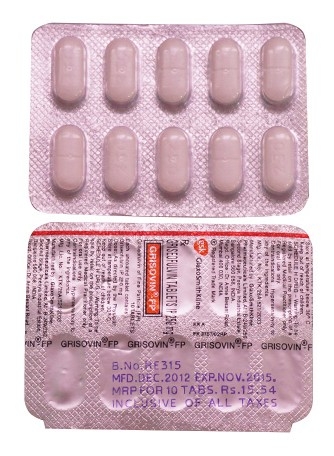
Basic Lotrisone Information
- INN (International Nonproprietary Name): Clotrimazole and Betamethasone Dipropionate.
- Brand Names Available In Canada (English): Lotriderm; Pms-Clotrimazole And Betamethasone (cream and lotion forms reported).
- ATC Code: D01AC20 (Topical imidazole combinations for dermatological antifungal use).
- Forms & Dosages: Cream 1% clotrimazole / 0.05% betamethasone dipropionate (0.643 mg betamethasone dipropionate per gram), typically in 15 g and 30 g tubes; lotion variants exist in some regions.
- Manufacturers In Canada (English): Organon (Lotriderm) and Pharmascience (PMS‑Clotrimazole And Betamethasone).
- Registration Status In Canada (English): Health Canada approved and marketed as prescription-only (Rx).
- OTC / Rx Classification: Prescription only (Rx) in Canada and other major markets.
Availability & Price Landscape
Major National Pharmacy Chains
Where will you find this medicine when you need it?
Lotriderm and PMS generics are commonly stocked at national Canadian chains such as Shoppers Drug Mart and Rexall.
London Drugs carries stock in Western Canada and is a frequent in‑store source for 15 g tubes.
Regional players like Jean Coutu serve Quebec patients and often carry the same Pharmascience generics.
Typical SKUs in Canada are 15 g and 30 g tubes, with 15 g being the most common in-store pack.
Online Pharmacy Trends In Canada
How do Canadian patients order a topical antifungal‑steroid online?
Canadian online pharmacies and licensed e‑retailers generally require a valid electronic prescription for clotrimazole and betamethasone combinations because the product is Rx‑only in Canada.
Some online pharmacy platforms accept provincial e‑prescribing, faxed prescriptions, or formal uploads from prescribers.
Cross‑border importation from the United States is used by price‑conscious shoppers, but it carries regulatory and shipping risks and must comply with Health Canada import guidance.
Provincial rules and pharmacist minor‑ailment programs affect access in some provinces and can change how quickly patients get treatment.
Price Ranges By Package Size
How much should you expect to pay across provinces and channels?
Approximate retail price ranges in Canada are CAD $18–$35 for a 15 g tube and CAD $30–$60 for a 30 g tube, depending on brand, province, and whether a pharmacy is offering a promotion.
Pharmacies often price the branded Lotriderm above generics like PMS‑Clotrimazole And Betamethasone.
Provincial formulary listings rarely cover combination antifungal/steroid creams for routine reimbursement, so most purchases are private‑pay.
In‑store prices can be higher than online chain listings, while independent pharmacies sometimes compete on price for generics.
Canadian Patient Insights & Satisfaction Levels
Forum And Review Platforms
What are Canadians saying online about this cream?
Discussions on Reddit Canada, HealthBoards, and AskDocs centre on fast symptom relief balanced with cautions about steroid use.
Quebec forums often reference access through Jeannot Coutu and local clinics.
Western Canadian threads mention pharmacist counselling at London Drugs as a helpful touchpoint for patients.
Review platforms include both short patient testimonials and longer experience threads describing symptom timelines and prescriptions.
Reported Benefits And Challenges From Canadian Patients
Will it stop the itch quickly and safely?
Many users report symptom relief within days, crediting the betamethasone component for rapid reduction in itching, redness, and swelling.
Patients also attribute fungal clearance to the clotrimazole antifungal when used for the recommended course.
Common concerns raised are recurrence after stopping treatment, potential skin thinning with longer use, and confusion over brand names like Lotriderm versus PMS generics.
Reported challenges include having to see a prescriber for an Rx, cost for uninsured patients, and inconsistent messaging on duration of use.
Off‑label use on the face, groin, or in children under 17 sometimes appears in forum posts and often triggers pharmacist intervention.
Practical patient tip: ask your pharmacist about the 45 g/week maximum and age restrictions before starting therapy.
Product Overview & Brand Variants
INN And Brand Names Used In Canada
What is this medicine called and who makes it?
The International Nonproprietary Name is clotrimazole and betamethasone dipropionate.
In Canada it is marketed as Lotriderm and as generics labelled Pms‑Clotrimazole And Betamethasone.
The cream formulation is the most common presentation and is usually 1% clotrimazole with 0.05% betamethasone dipropionate.
Packaging commonly comes in 15 g and 30 g tubes in Canadian pharmacies.
Legal Classification Under Health Canada
Is a prescription required?
Health Canada classifies clotrimazole and betamethasone dipropionate combinations as prescription‑only products.
Each marketed product in Canada is assigned a Drug Identification Number (DIN) used by pharmacists for dispensing, claims, and inventory.
ATC classification places the combination in D01AC20 among topical imidazole antifungal combinations.
For reimbursement or price comparison, request the DIN from your pharmacist and keep it for claims or follow‑up.
Indications In Local Canadian Medical Practice
Approved Uses (Health Canada DIN Context)
What conditions is this cream approved to treat?
Health Canada‑labelled indications include topical treatment of superficial fungal dermatoses with prominent inflammation.
Common approved uses are athlete’s foot (tinea pedis), jock itch (tinea cruris), and ringworm (tinea corporis) when inflammation is present.
Clinicians prescribe the combination when a fungal infection coexists with moderate inflammation that needs short‑term corticosteroid control.
Typical regimen advice is a thin film twice daily, up to 2 weeks for body or groin and up to 4 weeks for feet, with a maximum of 45 g per week.
Off‑Label Patterns In Canadian Healthcare
When do prescribers go beyond the label?
Some prescribers use the combination for localized, inflamed dermatophyte infections in adults beyond label durations, but with careful monitoring.
Use on the face, mucous membranes, or in children under 17 is generally avoided unless a specialist advises otherwise.
Pharmacists commonly counsel patients to switch to antifungal monotherapy, such as topical clotrimazole alone or oral terbinafine, if inflammation is mild or to reduce steroid exposure.
How It Works In The Body
Layman’s Explanation (Canadian Patient‑Friendly Tone)
Why does this combination feel fast and effective?
The cream pairs an antifungal, clotrimazole, which attacks the fungus causing athlete’s foot and ringworm, with a steroid, betamethasone dipropionate, which calms inflammation and cuts itching quickly.
The antifungal slowly weakens the fungus’s cell membrane so the infection clears over days to weeks.
The steroid reduces redness and swelling fast, which is why patients often notice improvement within a day or two.
Clinical Detail From Health Canada Resources
What do the product monographs say?
Clotrimazole is an imidazole antifungal that inhibits ergosterol synthesis, disrupting fungal cell membranes.
Betamethasone dipropionate is a potent topical corticosteroid with expected limited systemic absorption when used as recommended.
Health Canada warns that prolonged use, large‑area application, occlusion, or broken skin increases risk of systemic absorption and possible HPA axis suppression.
Product monographs allow adults and adolescents 17+ to use the cream twice daily with a 45 g/week ceiling.
Dosage & Administration
Standard Regimens Per Canadian Guidelines
How should patients apply the cream?
Apply a thin film of cream to the affected area twice daily, once in the morning and once in the evening.
For tinea corporis and tinea cruris, treatment is up to 2 weeks.
For tinea pedis, treatment is up to 4 weeks.
Do not exceed 45 g of cream per week.
If a dose is missed, apply when remembered but do not double the next dose.
Store tubes at 20–25°C and avoid freezing.
Adjustments By Patient Type (With Canadian Clinical Notes)
Who needs extra caution?
Children under 17 should generally avoid this product; safety and efficacy are not established for that age group.
Elderly patients do not require formal dose adjustment, but monitor for skin atrophy and systemic effects.
Avoid prolonged application to large or occluded areas because steroid absorption rises.
In pregnancy and breastfeeding, use only if the benefit outweighs risk and after discussion with the prescriber.
Immunocompromised patients may require follow‑up and consideration of oral antifungal therapy if infections are extensive.
Contraindications & Side Effects
Common (Health Canada‑Approved List)
What side effects do patients usually see?
Common local effects include burning, stinging, irritation, dryness, redness, pruritus, maceration, folliculitis, and acneiform eruptions.
Prolonged or improper use can lead to skin atrophy and striae at the application site.
Absolute contraindications are known hypersensitivity to clotrimazole, betamethasone dipropionate, or any excipients.
The product must not be used in the eyes, mouth, or intravaginally.
Rare But Serious (With Canadian Pharmacovigilance Data)
Are there serious risks to watch for?
Rarely, extensive or occluded use can cause systemic absorption of betamethasone and suppression of the hypothalamic–pituitary–adrenal (HPA) axis.
Canadian pharmacovigilance data are limited but conservative counselling is standard practice.
Patients should stop treatment and contact their prescriber if severe irritation, worsening infection, or signs of systemic steroid effects occur.
Report adverse events to Health Canada as advised by your pharmacist or clinic.
Comparable Medicines In Canada
Alternatives Table (With DIN References)
What are reasonable alternatives if this cream is not suitable?
| Product Name | Active Ingredients | Typical Packaging | DIN (To Be Confirmed) | OTC vs Rx |
|---|---|---|---|---|
| Lotriderm | Clotrimazole 1% / Betamethasone 0.05% | 15 g, 30 g tubes | Not Specified | Rx |
| PMS‑Clotrimazole And Betamethasone | Clotrimazole 1% / Betamethasone 0.05% | 15 g, 30 g tubes | Not Specified | Rx |
| Canesten (Clotrimazole Monotherapy) | Clotrimazole | Various OTC forms | Not Specified | OTC |
| Lamisil (Terbinafine) | Terbinafine | Topical tubes, oral tablets | Not Specified | OTC (topical), Rx (oral) |
Pros And Cons List
How do these options compare in practice?
Clotrimazole/Betamethasone Combination: Faster symptomatic relief due to steroid component, and antifungal activity to address the infection.
Downside: Steroid risks with longer use, Rx status, and limited use in children.
Antifungal Monotherapy: Safer for long‑term use and widely available OTC for uncomplicated cases.
Downside: Slower relief of inflammation and itch compared with combination therapy.
Oral Antifungal (e.g., Terbinafine): Preferred for severe or recurrent infections; availability and coverage vary by province.
Current Research & Trends
Major Canadian Or International Studies 2022–2025
What does recent research say about these steroid–antifungal combos?
Recent studies and reviews from 2020 through 2024 stress antimicrobial stewardship and limiting steroid use to reduce recurrence risk.
Systematic reviews recommend prioritizing antifungal monotherapy for uncomplicated dermatophyte infections and reserving combination treatments for short courses when inflammation is significant.
Pharmacovigilance reports up to 2023 have documented rare systemic steroid effects after extensive topical use, particularly in paediatric exposures, prompting clearer labelling and stronger pharmacist counselling.
Canadian trends include more pharmacist triage under minor‑ailment programs and increased teledermatology referrals for persistent or recurrent infections.
Common Patient Questions In Canada
Can I Get Lotriderm Without A Prescription?
Patients often ask whether they can skip the doctor visit.
Health Canada classifies clotrimazole and betamethasone combinations as prescription‑only, so a prescription is normally required.
Some provinces have pharmacist prescribing frameworks for minor ailments that may allow access under specific programs—check local pharmacy policies.
Note: In our online pharmacy, lotrisone is available without a prescription, with discreet delivery to Canada (English) in 5-14 days.
How Long Before I See Improvement And When To Stop?
People want to know how fast it works and when to stop.
Because of the steroid, symptom relief is often noticeable within days, with antifungal effect taking longer to fully clear the infection.
Follow recommended durations: up to 2 weeks for tinea corporis/cruris and up to 4 weeks for tinea pedis, not exceeding 45 g per week.
If symptoms have not improved after the recommended course, contact your prescriber for reassessment.
Is It Safe In Pregnancy And For Children?
Safety questions come up frequently for these groups.
Use in pregnancy and breastfeeding should be limited to situations where the prescriber judges benefits outweigh risks.
Children under 17 are generally excluded because safety and efficacy have not been established; avoid use unless a specialist prescribes and monitors treatment closely.
Regulatory Status
Health Canada Approval Process
How did this medicine become authorised in Canada?
Manufacturers such as Organon and Pharmascience submit data packages to Health Canada demonstrating safety, efficacy, and manufacturing quality for approval.
Approved products receive product monographs outlining indications, contraindications, dosing limits (including the 45 g/week maximum), and labelling requirements.
Health Canada maintains the Rx classification for clotrimazole and betamethasone dipropionate combinations.
DIN Number Relevance
Why does the DIN matter to you?
Each marketed product in Canada gets a Drug Identification Number (DIN) that pharmacists use for dispensing records, insurer claims, and inventory control.
For consumers, recording the DIN from the prescription label helps when contacting provincial drug programs like Ontario Drug Benefit, BC PharmaCare, or RAMQ for reimbursement queries.
Provincial formularies rarely list the combination as a first‑line reimbursed product, so private payment is most common.
Visual Recommendations
Infographic Ideas For Canadian Context
What visuals help patients decide quickly?
Create a flowchart showing when to choose combination therapy versus monotherapy based on inflammation and duration of symptoms.
Design a safe usage checklist highlighting age limits, body areas to avoid, maximum 45 g/week, and stop signs for escalation.
Include a price comparison table for 15 g versus 30 g tubes across sample provinces and between in‑store and online channels.
A Canada map overlay can show major pharmacy chains and provincial access differences for patient clarity.
Product Images & Label Callouts
What should images emphasise on product pages?
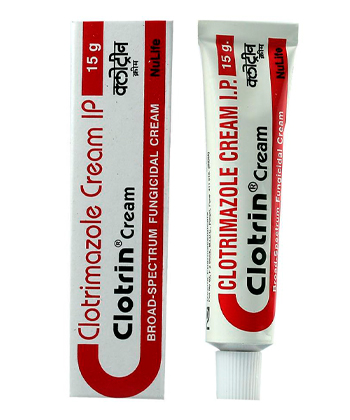
Use clear photos of 15 g and 30 g tubes with overlays showing active ingredients and strengths: 1% clotrimazole / 0.05% betamethasone dipropionate.
Highlight the Rx symbol, DIN placeholder, and storage temperature (20–25°C) on label callouts.
Include a pharmacist counselling card graphic summarising age restrictions, application technique, and maximum weekly dose.
Buying & Storage Advice
In‑Store Vs. Online Canadian Purchase Tips
Where and how should Canadians buy this cream?
Obtain a prescription from a family doctor, walk‑in clinic, or through a pharmacist prescribing program where available.
In‑store purchases allow immediate pharmacist counselling and confirmation of the correct DIN and product.
Online Canadian pharmacies require an uploaded e‑prescription and verification of licensure before dispensing Rx products.
Chain websites sometimes run promotions, but cross‑border ordering from the US, while cheaper, introduces import and customs considerations.
Proper Storage With Canadian Climate Considerations
Will cold or heat damage the tube?
Store the cream at 20–25°C (68–77°F) and avoid freezing during cold Canadian winters.
Avoid leaving the tube in hot cars or in direct sunlight during summer months.
For deliveries to remote or very cold regions, request insulated packaging to prevent freezing in transit.
Keep the tube tightly closed and out of reach of children.
Guidelines For Proper Use
Canadian Doctor/Pharmacist Advice Style
What should the pharmacist tell a patient at pick up?
State the indication and show correct application: a thin film applied twice daily to the affected area.
Emphasize the 45 g/week maximum and duration limits of 2–4 weeks depending on the site.
Advise not to use on the face, mucous membranes, or in children under 17 without specialist input.
Document allergies to clotrimazole, betamethasone, or excipients and discuss pregnancy or breastfeeding if relevant.
When To Escalate Care
When should a prescriber or dermatologist be involved?
Escalate care if there is no improvement after the recommended course, if the lesion spreads or worsens, or if there are signs of bacterial superinfection.
Consider switching to oral antifungal therapy such as terbinafine for severe or recurrent infections.
For recurrent cases, investigate risk factors like communal athletic facilities, household contacts, and footwear hygiene and arrange follow‑up.
Schedule a reassessment at about two weeks for body/groin infections and earlier if symptoms worsen.
Delivery Across Canada (English)
| City | Region | Delivery Time |
|---|---|---|
| Toronto | Ontario | 5-7 days |
| Montreal | Quebec | 5-7 days |
| Vancouver | British Columbia | 5-7 days |
| Calgary | Alberta | 5-7 days |
| Edmonton | Alberta | 5-7 days |
| Ottawa | Ontario | 5-7 days |
| Winnipeg | Manitoba | 5-7 days |
| Quebec City | Quebec | 5-7 days |
| Hamilton | Ontario | 5-9 days |
| Kitchener | Ontario | 5-9 days |
| Halifax | Nova Scotia | 5-9 days |
| Victoria | British Columbia | 5-9 days |
| Regina | Saskatchewan | 5-9 days |