Clotrimazole
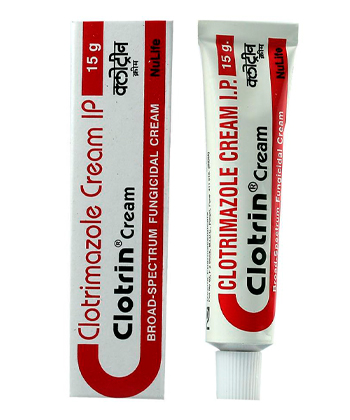
Clotrimazole
- In our pharmacy, you can buy clotrimazole without a prescription (OTC) — available as creams, lotions, powders and vaginal tablets — with delivery across Canada and discreet packaging.
- Clotrimazole is an antifungal (imidazole derivative) used to treat superficial fungal infections such as athlete’s foot, ringworm, jock itch, vulvovaginal candidiasis and some oral thrush; it works by inhibiting fungal ergosterol synthesis (14α‑demethylase), disrupting the fungal cell membrane.
- Usual dosages: topical 1% cream applied 2–3 times daily for 2–4 weeks (continue ~2 weeks after symptoms resolve); vulvovaginal options include 100 mg vaginal tablet nightly for 6 nights or a single 500 mg tablet; oropharyngeal lozenge 10 mg dissolved 5×/day for up to 14 days.
- Forms of administration include topical (cream, lotion, solution, dusting powder), vaginal (tablets/ovules), and oral lozenge for oropharyngeal use.
- Onset time: symptomatic relief often begins within 24–72 hours for topical or vaginal preparations, though visible improvement and mycological cure may take days to weeks.
- Duration of action: effect is local and persists only while the medicine is present; treatment courses generally run 1–4 weeks depending on indication, with single‑dose 500 mg vaginal tablet providing prolonged local activity from that single administration.
- Alcohol warning: there is no specific interaction between alcohol and topical or vaginal clotrimazole, so moderate alcohol use is not contraindicated; avoid excessive alcohol with other systemic antifungals and seek medical advice if you ingest large amounts accidentally.
- The most common side effects are local and include skin irritation, burning, redness, itching, peeling, or vaginal discomfort and discharge.
- Would you like to try clotrimazole without a prescription?
Basic Clotrimazole Information
- INN (International Nonproprietary Name): Clotrimazole.
- Brand Names Available In Canada (English): Canesten, Clotrimaderm, Desenex, Myclo‑Derm, Neo‑Zol; typically sold as creams, lotions, powders and vaginal tablets.
- ATC Code: D01AC01 (topical), G01AF02 (vaginal use).
- Forms & Dosages: Creams 1% and 2%; vaginal tablets 100 mg and 500 mg; 1% solutions, lotions and dusting powders.
- Manufacturers In Canada (English): Major global suppliers include Bayer (Canesten), Schering‑Plough (Gyne‑Lotrimin) and other manufacturers such as Teva, Glenmark, Fougera, Taro; local packaging and retail SKUs vary.
- Registration Status In Canada (English): Widely available OTC and by prescription; marketed products should display a Drug Identification Number (DIN) confirming Health Canada authorisation.
- OTC / Rx Classification: 1% topical creams, solutions and dusting powders are commonly OTC; some vaginal preparations or higher‑strength/combination products may be pharmacist‑supervised or Rx depending on formulation and provincial policy.
Availability & Price Landscape
Major National Pharmacy Chains
Where will you find clotrimazole on Canadian shelves and what packs are common?
Shoppers Drug Mart, Rexall, London Drugs and Jean Coutu (Quebec) commonly stock 1% clotrimazole creams, powders and vaginal tablets.
Common Canadian brands seen in stores include Canesten, Clotrimaderm, Desenex and Neo‑Zol in tube and box sizes typical for retail.
Pharmacy staff often recommend OTC creams for tinea and will suggest vaginal tablets when a yeast infection is suspected or when appropriate.
- Shoppers Drug Mart — 1% cream tubes (10–30 g) and single‑dose 500 mg vaginal tablets.
- Rexall — 1% creams, 100 mg multi‑dose vaginal tablet packs and dusting powder options.
- London Drugs — creams and topical powders; branded and generic options.
- Jean Coutu (Quebec) — similar retail range with French labelling where required.
Online Pharmacy Trends In Canada
How do e‑pharmacies fit into access for Canadians?
Online pharmacy services in Canada are growing and many list clotrimazole creams, powders and vaginal tablets with DINs and storage guidance to reassure buyers.
Some provinces impose restrictions or require pharmacist assessment for certain vaginal preparations, so availability and seller policies can vary by province.
Cross‑border purchasing from U.S. websites remains behaviour some patients use to save money, but those sites may lack Health Canada DIN assurance.
Price Ranges By Package Size
What does clotrimazole typically cost in Canada?
| Product Type | Typical Pack Size | Price Range (CA$) | Common Retailer |
|---|---|---|---|
| Topical Cream/Lotion | 10–30 g tubes (1%) | 8–25 | Shoppers Drug Mart, Rexall |
| Vaginal Single‑Dose Tablet | 500 mg single tablet | 12–30 | Pharmacy chains, e‑pharmacies |
| Vaginal Multi‑Dose Pack | 100 mg × 6 tablets | up to 35 | Pharmacies and online retailers |
Prices vary by province, are often higher in remote northern communities, and may differ between in‑store and online listings.
Canadian Patient Insights & Satisfaction Levels
Forum And Review Platforms
Where do Canadians share clotrimazole experiences?
Canadians post on Reddit communities such as r/Canada and r/TwoXChromosomes, and on health forums like HealthBoards and AskDocs to describe treatments and outcomes.
Local subreddits (for example r/toronto or r/vancouver) sometimes mention stock issues at nearby pharmacies or regional price differences.
Reported Benefits And Challenges From Canadian Patients
What do users say helps or hinders treatment?
- Pros: Fast relief reported for athlete’s foot and uncomplicated ringworm with 1% cream.
- Pros: Vaginal single‑dose 500 mg tablets praised for convenience and adherence.
- Cons: Recurrent vulvovaginal candidiasis and occasional persistent irritation, sometimes attributed to excipients.
- Cons: Confusion when product labelling differs (for example 1% versus 2% strengths).
Testimonial: “Used Canesten cream for athlete’s foot and symptoms calmed in a few days, but I finished the tube as advised to avoid return.”
Product Overview & Brand Variants
INN And Brand Names Used In Canada
What names and forms should shoppers expect?
The international nonproprietary name is clotrimazole.
Major Canadian brands include Canesten, Clotrimaderm, Desenex, Myclo‑Derm and Neo‑Zol as creams, lotions, dusting powders and vaginal tablets.
Legal Classification Under Health Canada
How is clotrimazole regulated locally?
Most 1% topical clotrimazole products are OTC in Canada, while some vaginal preparations may be OTC or require pharmacist assessment depending on formulation and provincial policy.
Marketed products in Canada should carry a DIN confirming Health Canada authorisation and approved labelling.
Indications In Local Canadian Medical Practice
Approved Uses (Health Canada DIN Context)
What are the standard, labelled uses?
Clotrimazole is indicated for superficial dermatophyte infections such as athlete’s foot, ringworm and jock itch, for cutaneous Candida infections, and for vulvovaginal candidiasis when the product monograph lists that indication.
Oropharyngeal lozenges exist in some countries but are uncommon in Canada; check individual DINs for labelled uses.
Off‑Label Patterns In Canadian Healthcare
When do clinicians use clotrimazole differently?
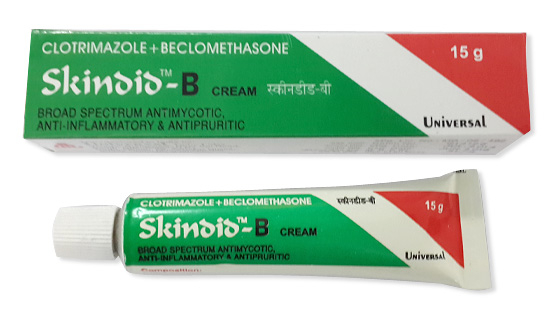
Off‑label patterns include combining topical antifungals with corticosteroids for inflammatory fungal infections under clinical supervision, and occasional veterinary use for ringworm in pets.
Clinicians will often switch to alternatives such as terbinafine or miconazole when sensitivity, recurrence or species differences are suspected.
| Indication | Recommended Formulation | Typical Regimen |
|---|---|---|
| Athlete’s Foot / Ringworm / Jock Itch | Topical cream 1% | Apply 2–3× daily for 2–4 weeks; continue 2 weeks after symptoms resolve |
| Vulvovaginal Candidiasis | Vaginal tablet 100 mg or 500 mg | 100 mg nightly × 6 nights or single 500 mg dose |
| Cutaneous Candida | Topical cream 1% | Apply to affected area until healing, per product monograph |
How It Works In The Body
Layman’s Explanation
How does clotrimazole stop fungal infections?
Clotrimazole is an antifungal that acts where it is applied, damaging the fungal cell membrane so the organism cannot grow.
Topical creams work on skin surfaces, while vaginal tablets act locally inside the vagina to reduce itch, redness and abnormal discharge.
Clinical Detail From Health Canada Resources
What does the pharmacology tell us?
As an imidazole derivative, clotrimazole inhibits ergosterol synthesis in fungal cell membranes, increasing membrane permeability and causing cell death.
Systemic absorption from topical and vaginal use is low, which reduces the risk of systemic adverse effects compared with oral antifungals.
Dosage & Administration
Standard Regimens Per Canadian Guidelines
What dosing should patients follow?
Tinea: apply 1% cream to the affected area 2–3 times daily for 2–4 weeks and continue for at least 2 weeks after symptoms resolve.
Vulvovaginal candidiasis: either 100 mg vaginal tablet nightly for 6 nights or a single 500 mg tablet, depending on the product.
Oropharyngeal candidiasis: 10 mg lozenge five times daily where lozenges are available; lozenges are uncommon in Canada and often Rx in other markets.
Adjustments By Patient Type (Canadian Clinical Notes)
Who needs special dosing or monitoring?
Children: topical use is acceptable under healthcare supervision for children under two years; vaginal or oral forms are generally not used unless prescribed.
Elderly: no routine dose change is necessary, but monitor for skin sensitivity.
Hepatic/renal impairment: topical or vaginal use generally requires no adjustment; use oral formulations with caution in severe liver disease.
| Patient | Notes |
|---|---|
| Children | Topical under supervision for <2 years; avoid vaginal/oral formulations unless prescribed |
| Pregnancy/Breastfeeding | Topical/vaginal forms commonly used but consult pharmacist or physician and check product leaflet |
Contraindications & Side Effects
Common (Health Canada‑Approved List)
Who should avoid clotrimazole?
Absolute contraindication is known hypersensitivity to clotrimazole or other imidazoles.
Common side effects for topical use include local irritation, burning, redness, itching, peeling and rash.
Vaginal use can cause local burning, pelvic cramps or unusual discharge in some people.
Rare But Serious (With Canadian Pharmacovigilance Data)
What serious reactions are possible and how to report them?
Rare severe allergic reactions, including anaphylaxis, have been reported; seek immediate medical attention if breathing or swelling difficulty occurs.
Severe dermatitis or widespread rash warrants stopping the product and seeing a clinician.
Report serious adverse events to Health Canada’s Canada Vigilance program; pharmacies often capture and escalate ADRs for vulnerable patients.
- Contraindications: Known hypersensitivity to imidazoles.
- Common AEs: Local skin or mucosal irritation, burning or itch.
- Serious AEs: Severe allergic reaction/anaphylaxis, severe dermatitis.
Comparable Medicines In Canada
Alternatives Table (With DIN References)
Which antifungals are commonly compared to clotrimazole?
| Active Ingredient | Brand (Common In Canada) | Typical Strength | Indication | DIN (Space For SKU) |
|---|---|---|---|---|
| Miconazole | Daktarin / Micatin | 1% cream; 200 mg vaginal | Vaginal thrush, topical tinea | |
| Terbinafine | Lamisil | 1% cream; oral tablets (Rx) | Dermatophyte infections | |
| Econazole / Ketoconazole | Various | Topical creams | Topical fungal infections |
Pros And Cons List
How do these alternatives stack up?
- Terbinafine: Often gives faster cure for dermatophytes but is not used intravaginally.
- Miconazole: Widely available OTC for vaginal thrush but may cause comparable irritation in some users.
- Clotrimazole: Well tolerated, broad topical option with long brand recognition in Canada (Canesten).
Current Research & Trends
Major Canadian Or International Studies 2022–2025
What does recent research focus on?
Recent literature highlights antifungal resistance patterns in recurrent vulvovaginal candidiasis and head‑to‑head comparisons of single‑dose versus multi‑dose vaginal therapies.
Studies also examine topical combination products that include antifungal plus corticosteroid for inflammatory dermatophytoses under clinical supervision.
Canadian academic centres monitor local susceptibility patterns and clinicians increasingly emphasise diagnostic confirmation by culture or PCR for recalcitrant infections.
For product pages, note that while clotrimazole remains effective for many superficial infections, treatment failure or recurrence should prompt specialist referral and possible systemic therapy.
Common Patient Questions In Canada
FAQs To Include On Product Page
Below are concise answers that shoppers look for.
Is clotrimazole OTC? Many 1% topical products are OTC; check product labelling and local pharmacy policy for vaginal tablets which can be OTC or pharmacist‑supervised.
Can I use during pregnancy or breastfeeding? Topical and vaginal clotrimazole are commonly used but patients should consult their pharmacist or physician and follow the product leaflet.
How long until relief? For topical tinea, symptom relief often begins within days, but complete treatment duration is required to prevent recurrence.
What if symptoms persist or worsen? See a clinician; recurrent infections or systemic symptoms require assessment and possible testing.
When To See Your Pharmacist/Doctor: worsening symptoms, fever, spreading rash, recurrent infections (three or more per year), pregnancy concerns, or immunocompromised status.
Regulatory Status
Health Canada Approval Process
How does Health Canada ensure product safety?
Health Canada reviews clinical, manufacturing and labelling data before issuing a Drug Identification Number (DIN).
Products sold in Canada should display a DIN which assures authorised marketing and compliance with Canadian standards.
Health Canada also monitors adverse events and can update product monographs as needed.
DIN Number Relevance
Why show the DIN on your product page?
Displaying the DIN helps consumers verify approval and cross‑check provincial formulary listings such as Ontario Drug Benefit, BC PharmaCare and RAMQ.
Topical OTC products are rarely covered by provincial drug plans, while some prescription formulations may be reimbursable through formularies with specific criteria.
Visual Recommendations
Infographic Ideas For Canadian Context
Which visuals help customers decide quickly?
Design a flowchart titled “Which Formulation To Choose?” that separates skin infections from vaginal and oral options.
Create a dosage quick chart summarizing tinea versus vulvovaginal regimens and a provincial map showing major pharmacy availability and notes about coverage programs.
Include a simple mechanism‑of‑action diagram showing local action and low systemic absorption.
Packaging & Image Guidance For Ecommerce
What product photos increase trust?
Use clear front‑of‑pack images showing strength (1% vs 2%), form (cream vs tablet) and the DIN on the box or leaflet.
Include closeups of key warnings, expiry and storage icons and a Health Canada DIN badge to reassure customers.
Buying & Storage Advice
In‑Store Vs. Online Canadian Purchase Tips
What should shoppers check before ordering?
In‑store purchases let pharmacists confirm diagnosis, check for interactions and advise on local alternatives.
Online buyers should verify the seller lists a DIN and provides storage/shipping details; be cautious of cross‑border vendors without DINs or unknown excipients.
For remote communities, ask about stock or reserve online for in‑store pickup to avoid delivery delays.
Our online pharmacy offers clotrimazole without a prescription with discreet delivery across Canada in 5–14 days.
Proper Storage With Canadian Climate Considerations
How to keep clotrimazole effective in summer and winter?
Store below 25°C (77°F) away from moisture and direct sunlight and do not freeze creams or lotions.
Avoid leaving packages in vehicles during cold winters or hot summers and choose tracked shipping for northern and rural postal codes.
- Do: Keep in original packaging, dry and under 25°C.
- Don't: Freeze creams or expose to direct heat or sunlight.
Guidelines For Proper Use
Canadian Doctor/Pharmacist Advice Style
What stepwise practical advice should be given at the counter?
Confirm the likely diagnosis with a pharmacist or doctor before starting treatment.
Select the formulation appropriate for the site of infection (skin vs vaginal) and follow the labelled dosing fully.
For topical tinea, apply cream 2–3 times daily for the full recommended duration and finish the course even after symptoms subside.
For single‑dose vaginal 500 mg tablets, avoid intravaginal douching and follow sexual activity guidance on the leaflet.
When To Escalate Care And Checklist
When should a patient get a clinical review?
Escalate care if symptoms worsen, systemic signs develop such as fever or spreading rash, infections recur frequently (three or more per year), or in immunocompromised patients and pregnancy‑complicated cases.
Provide a printable checklist on product pages that covers diagnosis confirmation, correct formulation, dosing schedule, side‑effect watchlist and when to consult a clinician.
Delivery Across Canada (English)
| City | Region | Delivery Time |
|---|---|---|
| Toronto | Ontario | 5-7 days |
| Montreal | Quebec | 5-7 days |
| Vancouver | British Columbia | 5-7 days |
| Calgary | Alberta | 5-7 days |
| Edmonton | Alberta | 5-7 days |
| Ottawa | Ontario | 5-7 days |
| Winnipeg | Manitoba | 5-7 days |
| Quebec City | Quebec | 5-7 days |
| Halifax | Nova Scotia | 5-9 days |
| Victoria | British Columbia | 5-9 days |
| Regina | Saskatchewan | 5-9 days |
| Saskatoon | Saskatchewan | 5-9 days |
| St. John’s | Newfoundland and Labrador | 5-9 days |
| Hamilton | Ontario | 5-7 days |
| Surrey | British Columbia | 5-7 days |
Final Notes For Patients And Pharmacy Staff
Clotrimazole is a reliable topical antifungal with a long safety record for common superficial infections when used as directed.
Always check the product leaflet for the DIN, labelled indications and exact dosing instructions before purchase or dispensing.
Pharmacists should counsel patients on duration of therapy, expected local reactions and when to seek further care.
For shoppers comparing options, consider local availability, price differences between in‑store and online listings and whether a DIN is displayed on the product page.
When in doubt, seek a pharmacist or physician review rather than extending or combining products without clinical advice.