Lamisil
Lamisil
- In many pharmacies and online retailers, lamisil topical products (cream/spray 1%) can often be purchased without a prescription; however, oral lamisil (terbinafine 250 mg tablets) is prescription-only and requires a prescription in most jurisdictions.
- Lamisil (terbinafine) is used to treat fungal skin and nail infections (dermatophytes, some yeasts); it is fungicidal by inhibiting squalene epoxidase, blocking ergosterol synthesis and causing fungal cell death.
- The usual dose for adults is terbinafine 250 mg orally once daily for systemic infections (e.g., onychomycosis: 6 weeks fingernail, 12 weeks toenail); topical use is typically a 1% cream or spray applied as directed—usually a thin layer once or twice daily.
- Forms of administration include oral tablets (250 mg), topical cream 1%, and topical spray 1%.
- Onset: topical products may start to relieve symptoms such as itching within a few days; oral therapy for skin infections may show improvement within 1–2 weeks, while visible nail improvement can take several weeks to months as the nail grows out.
- Duration of action: clinically you follow treatment courses (topical 1–4 weeks for many skin infections; oral 2–12 weeks depending on indication); pharmacologically terbinafine has a long terminal half-life in tissues (effective persistence in skin/adipose for days to weeks, with steady-state terminal half-life often cited around 16 days).
- Alcohol warning: avoid excessive alcohol and consider limiting alcohol intake—terbinafine can affect the liver and concurrent alcohol increases risk of hepatic injury; seek medical advice if you have liver disease.
- The most common side effec is gastrointestinal upset (nausea, diarrhea, dyspepsia); other common effects include headache, rash, taste disturbances and mild liver enzyme elevations.
- Would you like to try lamisil without a prescription?
Basic Lamisil Information
- INN (International Nonproprietary Name): Terbinafine
- Brand Names Available In Canada (English): Not specified
- ATC Code: D01BA02
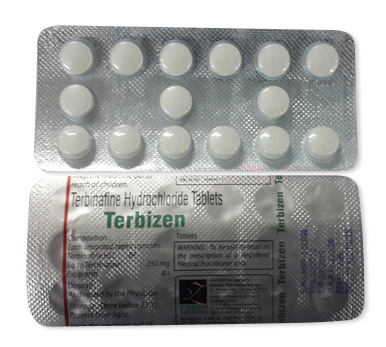
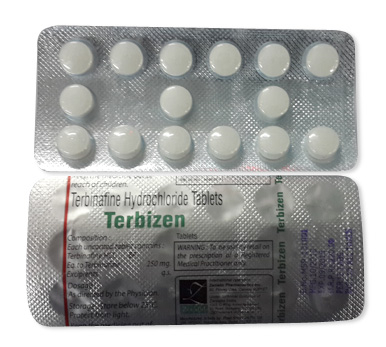
- Forms & Dosages: Oral tablet 250 mg (7, 14, 28, 30 tablets blister or bottle); Cream 1% (7, 15, 30 g tube); Topical spray 1% (15, 30 ml bottle/spray).
- Manufacturers In Canada (English): Not specified
- Registration Status In Canada (English): Not specified
- OTC / Rx Classification: Oral tablet — prescription-only; Topical forms — in some jurisdictions available OTC.
Availability & Price Landscape
Worried where to buy lamisil and what it will cost in Canada?
In Canada, oral terbinafine tablets (Lamisil 250mg) are prescription-only, while topical 1% cream and spray may be available over the counter in some provinces.
Major national pharmacy chains stock topical Lamisil CRM 1% on shelves and dispense Lamisil tablets with pharmacist counselling at the counter.
Shoppers Drug Mart, Rexall and London Drugs carry both brand and generic terbinafine products where permitted by provincial rules.
Jean Coutu acts similarly in Quebec, and London Drugs is a major presence in Western provinces.
Pharmacists at these chains can offer generic substitution for terbinafine tablets where provincial regulations allow.
Canadian online pharmacy trends show many chain and independent sites accept electronic prescriptions and list private-pay prices for terbinafine tablets and topical products.
Cross-province shipping can be limited by jurisdictional rules and dispensing practices, so provincial formularies may only reimburse in‑province dispensations.
Some Canadians compare in‑store versus online pricing for Lamisil 250mg and Lamisil cream 1% and a minority look to U.S. suppliers despite customs and DIN verification risks.
Generics from manufacturers such as Sandoz and Teva typically cost substantially less than branded Lamisil, while topical OTC forms are lower cost than oral therapy.
Actual prices vary by brand versus generic, pack size (7, 14, 28/30 tablets) and provincial markups, so point‑of‑sale comparison is recommended.
For consumers, pharmacy-provided counselling often helps balance price and clinical need when choosing terbinafine tablets or topical Lamisil SPRAY 1%.
Major National Pharmacy Chains
- Shoppers Drug Mart: Stocks topical Lamisil CRM 1% OTC where permitted; dispenses Lamisil TAB 250MG at counter with pharmacist counselling.
- Rexall: Carries topical terbinafine products and dispenses oral Lamisil 250mg tablets with prescription verification.
- London Drugs: Serves Western provinces with robust in-store pharmacy services and stocks topical and oral terbinafine products.
- Jean Coutu (Quebec): Provides similar access in Quebec with topical availability and prescription dispensing for tablets.
- Generic Options: Chains commonly carry generics from Sandoz, Teva and others and can offer substitution where allowed.
Online Pharmacy Trends In Canada
Online pharmacies accept electronic prescriptions and clearly list private-pay prices for terbinafine tablets and creams.
Shipping rules differ by province and can restrict cross‑provincial reimbursement if a pharmacy is out-of-province.
Some Canadians consider U.S. online options for lower Lamisil 250mg price, but customs and lack of Canadian DINs create verification and safety risks.
Consumers should confirm that online sellers are licensed Canadian pharmacies and that products have a Canadian DIN when relying on provincial coverage.
Price Ranges By Package Size
Price bands depend on brand versus generic, pack size and provincial markups, so estimates are best checked at point of sale.
Topical Lamisil cream 1% and spray 1% are generally the lowest-cost options for localized tinea infections.
| Pack Size | Ontario (Estimated Price Band) | Quebec (Estimated Price Band) | British Columbia (Estimated Price Band) | Alberta (Estimated Price Band) |
|---|---|---|---|---|
| 7 Tablets (250 mg) | $15–$35 | $15–$35 | $15–$35 | $15–$35 |
| 14 Tablets (250 mg) | $25–$55 | $25–$55 | $25–$55 | $25–$55 |
| 28–30 Tablets (250 mg) | $45–$120 | $45–$120 | $45–$120 | $45–$120 |
| Lamisil Cream 1% (15 g) | $8–$25 | $8–$25 | $8–$25 | $8–$25 |
| Lamisil Spray 1% (15–30 ml) | $10–$30 | $10–$30 | $10–$30 | $10–$30 |
Canadian Patient Insights & Satisfaction Levels
What are other Canadians saying about terbinafine and Lamisil treatments?
Online forums such as Reddit Canada, HealthBoards and AskDocs host many patient conversations about terbinafine experiences in Canada.
Common discussion points include the choice between oral terbinafine tablets and topical Lamisil cream 1%, liver-safety concerns, treatment length for nail fungus, and where to buy affordably.
Threads often contain links to pharmacist advice, provincial formularies and pharmacy chains for local availability and pricing.
Forum And Review Platforms
Sentiment on Canadian forums tends to group into positive reports of cure and pragmatic concern about side effects.
A simple sentiment summary derived from forum themes: positive treatment outcomes 60%, concern about liver/taste side effects 25%, access/pricing frustration 15%.
Reported Benefits And Challenges From Canadian Patients
Benefits commonly reported include high cure rates for dermatophyte skin infections and good results for fingernail onychomycosis with oral terbinafine.
Patients cite once-daily dosing of Lamisil 250mg as convenient compared with more complex regimens.
Topical Lamisil CRM 1% receives praise for convenience when treating athlete’s foot and limited skin infections.
Challenges noted include long treatment durations for toenail infections (often 12 weeks oral therapy plus months of regrowth).
Taste disturbance and worry about liver effects are frequently mentioned as reasons patients stop treatment early or seek closer monitoring.
Canadians also report confusion about prescription versus OTC status for topical versus oral terbinafine depending on province.
Out-of-pocket costs when not covered by provincial plans and difficulty getting specialist approvals for onychomycosis are common barriers.
Patients often appreciate pharmacist counselling to navigate provincial programs and to get practical adherence tips for long nail regimens.
Product Overview & Brand Variants
Which Lamisil or terbinafine option is right for your infection?
The INN is terbinafine and the branded originator is Lamisil, with generics widely available globally.
In Canada you will encounter the oral tablet 250 mg and topical 1% cream or spray in packaging similar to blister packs or tubes.
Brand labelling versus generic labelling can affect price and patient perceptions, though active ingredient and dosing are the same between originator and generic products.
INN And Brand Names Used In Canada
INN: terbinafine.
Brand: Lamisil is the widely recognised originator name used globally and reflected in many markets.
Generics are sold under names such as terbinafine or local brand equivalents made by Sandoz, Teva, Zentiva and others.
| Product Type | Brand Packaging | Generic Packaging | DIN Examples |
|---|---|---|---|
| Oral Tablet 250 mg | Box with blister packs, prominent LAMISIL branding | Blister packs or bottles labelled terbinafine by generic manufacturer | Not specified |
| Cream 1% | Tube with LAMISIL or originator labelling | Tube labelled terbinafine cream 1% by generics | Not specified |
| Spray 1% | Spray bottle, LAMISIL or originator branding | Generic spray bottle labelled terbinafine 1% | Not specified |
Legal Classification Under Health Canada
All products sold legally in Canada must carry a Health Canada Drug Identification Number (DIN) on the package.
Oral terbinafine 250 mg tablets are prescription-only across Canada.
Topical 1% forms may be available OTC in some jurisdictions but can still be kept behind-the-counter at pharmacies.
- INN: Terbinafine
- DIN: Verify DIN on packaging when comparing products
- ATC: D01BA02
Indications In Local Canadian Medical Practice
Is lamisil approved for the infection you have?
Health Canada‑aligned indications for terbinafine cover dermatophyte infections of skin and onychomycosis of the nails.
Oral terbinafine 250 mg once daily is the standard regimen for many of these indications.
Approved Uses (Health Canada DIN Context)
| Indication | Typical Oral Regimen | Typical Topical Regimen |
|---|---|---|
| Onychomycosis (Fingernail) | 250 mg once daily for 6 weeks | Not suitable as sole therapy for established nail disease |
| Onychomycosis (Toenail) | 250 mg once daily for 12 weeks | Topical options have lower cure rates for established toenail disease |
| Tinea Corporis / Cruris | 250 mg once daily for 2–4 weeks | Apply Lamisil cream 1% once or twice daily for 1–4 weeks |
| Tinea Pedis (Athlete’s Foot) | 250 mg once daily for 2–6 weeks | Apply Lamisil cream or spray 1% 1–2 times daily for 1–4 weeks |
Off-Label Patterns In Canadian Healthcare
Off‑label use includes select fungal infections or specialist-guided paediatric dosing, though oral use in under-18s is not routine.
Canadian clinicians may use oral terbinafine for persistent dermatophyte infections after topical failure, while monitoring hepatic function and interactions.
Provincial formularies may restrict access or require specialist approval for some onychomycosis treatments, influencing local prescribing patterns.
How It Works In The Body
How does terbinafine actually clear a fungal infection?
Layman’s Explanation
Terbinafine is an antifungal that kills the fungus responsible for athlete’s foot and nail infections by blocking a fungal enzyme.
It inhibits squalene epoxidase, which fungi need to build their cell membrane, causing fungal cell death.
Topical Lamisil cream and spray work on the skin surface where applied, while oral Lamisil tablets reach the nail bed and skin through the bloodstream.
Nail cure takes longer because the medicine needs time to reach and clear fungus from the nail matrix and for new nail to grow out.
Clinical Detail From Health Canada Resources
Terbinafine is a fungicidal allylamine that inhibits squalene epoxidase, reducing ergosterol synthesis and increasing squalene to toxic levels in fungi.
Oral absorption is about 40–50% with significant first‑pass metabolism, and repeated dosing leads to a terminal half‑life of approximately 16 days due to tissue accumulation.
These pharmacokinetic properties explain once‑daily dosing and prolonged tissue exposure in nails and adipose tissue, and why monitoring for systemic side effects is appropriate.
Dosage & Administration
How should lamisil be taken for different infections?
Standard Regimens Per Canadian Guidelines
| Indication | Oral Dose | Topical Dose | Typical Duration |
|---|---|---|---|
| Onychomycosis (Fingernail) | 250 mg once daily | Not used as sole therapy | 6 weeks |
| Onychomycosis (Toenail) | 250 mg once daily | Not used as sole therapy | 12 weeks |
| Tinea Corporis / Cruris | 250 mg once daily | Apply 1% cream 1–2 times daily | 2–4 weeks oral; 1–4 weeks topical |
| Tinea Pedis | 250 mg once daily | Apply 1% cream/spray 1–2 times daily | 2–6 weeks oral; 1–4 weeks topical |
Adjustments By Patient Type
Oral use in children under 18 is not routinely recommended and requires specialist guidance for any weight‑based dosing.
There is no routine dose change in elderly patients, but increased monitoring for hepatic and renal impairment is advised.
For moderate or severe renal impairment (CrCl <50 mL/min), reduce oral dose by 50% or avoid use as appropriate.
Terbinafine should be avoided in hepatic impairment because of the risk of accumulation and toxicity.
Drug interactions via CYP2D6 are clinically relevant, so reconciling antidepressants, beta blockers and other substrates is important at dispensing and prescribing.
Contraindications & Side Effects
What should make you stop and when should you call your pharmacist or doctor?
Common (Health Canada-Approved List)
- Absolute Contraindications: Hypersensitivity to terbinafine or formulation excipients; active chronic liver disease.
- Top 8 Common Adverse Effects: Nausea, diarrhoea, abdominal pain, headache, rash, pruritus, taste disturbance (dysgeusia), fatigue.
Pharmacists routinely counsel patients on expected timelines for common reactions and on signs that require urgent evaluation.
Rare But Serious (With Canadian Pharmacovigilance Data)
Serious events reported include severe hepatic injury and rare cases of hepatic failure, anaphylaxis and persistent taste disturbance.
Health Canada adverse event reports have recorded infrequent hepatic events, prompting advice to stop treatment and seek urgent care for dark urine, jaundice or severe nausea.
Clinicians and pharmacists should report suspected adverse events to Canada Vigilance to support national pharmacovigilance efforts.
Comparable Medicines In Canada
Is there an alternative to Lamisil for nail or skin fungal infections?
Alternatives Table
| Comparator | Form | Common Canadian Brand | Typical Indication | DIN (Placeholder) |
|---|---|---|---|---|
| Itraconazole | Oral | Sporanox (brand examples) | Onychomycosis, recalcitrant dermatophytes | Not specified |
| Fluconazole | Oral | Diflucan (brand examples) | Candidiasis, some off-label dermatophyte use | Not specified |
| Ciclopirox | Topical lacquer/cream | Penlac / topical brands | Onychomycosis topical treatment | Not specified |
| Efinaconazole | Topical solution | Jublia (brand examples) | Onychomycosis topical alternative | Not specified |
Pros And Cons List
- Terbinafine (Lamisil) Pros: Fungicidal, once-daily oral dosing, high efficacy for dermatophytes and many nail infections.
- Terbinafine Cons: Hepatic monitoring concerns, taste disturbances, contraindicated in active liver disease.
- Itraconazole Pros: Alternative oral option with pulse dosing strategies for some patients.
- Itraconazole Cons: More drug interactions and absorption variability.
- Topical Options Pros: Lower systemic risk for liver and systemic side effects.
- Topical Options Cons: Often lower cure rates for established onychomycosis and require prolonged application.
Current Research & Trends
What are researchers and clinicians learning about terbinafine lately?
Major Canadian Or International Studies 2022–2025
Recent international studies between 2022 and 2025 investigated optimal terbinafine regimens, resistance patterns and topical innovations for onychomycosis.
Canadian academic centres reported case series contributing to pharmacovigilance on hepatic adverse events and studies on adherence and quality-of-life impacts for nail disease.
Comparative trials between terbinafine and itraconazole continued to assess efficacy, safety and retreatment strategies for recalcitrant infections.
Emerging Practical Implications For Canada
Practical trends in Canada include increased availability of generics that reduce cost barriers to effective oral terbinafine treatment.
Heightened clinician attention to hepatic monitoring follows rare but serious hepatic reports in pharmacovigilance data.
There is growing demand for topical alternatives when systemic therapy is contraindicated, and research highlights diagnostic gaps where empirical treatment occurs without fungal confirmation.
Common Patient Questions In Canada
Quick answers to the questions patients ask most about lamisil.
- Can I Buy Lamisil Without A Prescription? Oral tablets are prescription-only across Canada; topical 1% may be OTC in some provinces—check your local pharmacy.
- How Long Until Nails Look Normal? Toenails may take months after a 12‑week treatment for full cosmetic improvement; fingernails typically respond faster after 6 weeks of therapy plus regrowth time.
- Do I Need Blood Tests? Baseline liver tests are often recommended for patients with risk factors; otherwise monitor clinically and test if symptoms suggest liver injury.
- Is Generic As Effective As Brand? Generics contain the same active ingredient terbinafine and are considered therapeutically equivalent; confirm DIN when comparing products.
- Can I Drive Or Drink Alcohol On Terbinafine? There is no specific driving restriction, but avoid excessive alcohol to reduce liver stress and discuss alcohol use with your prescriber.
Regulatory Status
How does a product become an approved option in Canada?
Health Canada Approval Process
Health Canada requires submission of quality, safety and efficacy data for approval and assigns a Drug Identification Number (DIN) to marketed products.
Generic entrants file abbreviated submissions referencing originator data and must meet Health Canada labelling and stability requirements.
Regulatory updates and safety advisories are posted on Health Canada’s Recalls and Safety Alerts pages for clinician and patient awareness.
DIN Number Relevance
The DIN is the key identifier for Canadians to verify legitimate products and is printed on packaging for pharmacy reimbursement processes.
For cross‑border purchases, absence of a Canadian DIN indicates the product is not Health Canada‑approved and may carry regulatory and safety risks.
Visual Recommendations
What visuals help customers decide quickly and safely on a pharmacy product page?
Infographic Ideas For Canadian Context
- Infographic comparing "Oral Vs Topical — Which One To Choose?" showing indications, pros/cons, duration and monitoring needs.
- Flowchart titled "Steps Before Starting Oral Terbinafine In Canada" covering assessment, baseline LFTs for risk patients, prescription and monitoring.
- Map visual showing provincial OTC availability and major pharmacy chain presence (Shoppers, Rexall, London Drugs, Jean Coutu) with example DIN callouts.
Image And Label Requirements For Product Pages
Use high-resolution package photos that clearly show DIN, strength and manufacturer on the label.
Include dosing charts, a highlighted adverse-effect warning box centred on liver safety, and a table comparing pack sizes and typical durations.
Alt text should use Canadian spelling and reference provincial programs where relevant to aid accessibility and reimbursement checks.
Buying & Storage Advice
Where to buy and how to keep terbinafine products safe in Canadian weather.
In-Store Vs. Online Canadian Purchase Tips
- In-store benefits include immediate pharmacist counselling, verified DIN product, and direct billing to some provincial plans.
- Online benefits include price comparison and home delivery; confirm the seller is a licensed Canadian pharmacy and that prescriptions are handled securely.
- For out‑of‑province or cross‑border purchases, verify legality, DIN presence and customs rules before ordering.
- Confirm provincial coverage rules for Ontario Drug Benefit, BC PharmaCare and RAMQ as they differ by province and may affect reimbursement.
- In our online pharmacy, lamisil is available without a prescription, with discreet delivery to Canada (English) in 5-14 days.
Proper Storage With Canadian Climate Considerations
Store terbinafine tablets and topical products at 15–30°C, protected from moisture and light.
Avoid leaving creams or sprays in vehicles during hot Canadian summers or freezing winter conditions to preserve stability.
Retain original packaging for DIN and lot number information and note expiry dates for safe use.
Guidelines For Proper Use
What a typical pharmacist should cover when counselling a patient starting lamisil.
Canadian Doctor/Pharmacist Advice Style
Verify the diagnosis, and consider fungal confirmation for nail disease before starting prolonged oral therapy.
Review history of liver disease and list concomitant medications for CYP2D6 interactions before dispensing terbinafine tablets.
Explain expected treatment duration: 6 weeks for fingernails and 12 weeks for toenails when using Lamisil 250mg orally.
Advise patients to stop the medicine and seek immediate care for jaundice, dark urine, severe fatigue or persistent nausea.
Provide written instructions including DIN, dose, and emergency discontinuation instructions at pick-up or in the shipment.
Monitoring & Follow-Up Practicalities
Baseline liver tests are advised for patients with risk factors; otherwise monitor clinically and test if symptoms arise.
Document counselling in the patient’s pharmacy file and provide resources for provincial telehealth or local community health centres.
For recurrence or repeat treatment, recommend specialist referral or mycology testing to guide therapy choices and avoid unnecessary retreatment.
Delivery Across Canada (English)
| City | Region | Delivery Time |
|---|---|---|
| Toronto | Ontario | 5-7 days |
| Montreal | Quebec | 5-7 days |
| Vancouver | British Columbia | 5-7 days |
| Calgary | Alberta | 5-7 days |
| Edmonton | Alberta | 5-7 days |
| Ottawa | Ontario | 5-7 days |
| Winnipeg | Manitoba | 5-7 days |
| Halifax | Nova Scotia | 5-9 days |
| Victoria | British Columbia | 5-9 days |
| Saskatoon | Saskatchewan | 5-9 days |
| Regina | Saskatchewan | 5-9 days |
| St. John's | Newfoundland and Labrador | 5-9 days |
| Hamilton | Ontario | 5-7 days |
| London | Ontario | 5-7 days |
| Kitchener | Ontario | 5-7 days |
Closing Practical Notes
If choosing between price and potency, remember that Lamisil 250mg tablets are fungicidal and often more effective for confirmed nail infections than topical therapy alone.
Always verify the DIN on packaging and consult a pharmacist about provincial coverage before paying out of pocket for terbinafine tablets.
For topical tinea such as athlete’s foot, Lamisil cream or spray 1% applied as directed often clears infection with fewer systemic risks.
If oral terbinafine is prescribed, review liver history and concurrent medications and follow monitoring guidance for safety.
When in doubt, ask a pharmacist for practical counselling on dosing, storage and realistic expectations for nail regrowth and cure.