Fungal infections are common health conditions caused by microscopic fungi that thrive in warm, moist environments on or within the body. These infections can affect various parts of your body, including your skin, nails, scalp, and internal organs. Fungal infections range from mild and uncomfortable to serious and potentially life-threatening, depending on the type of fungus and your immune system's strength.
The most common fungal infections include athlete's foot, ringworm, yeast infections, and nail fungus. These conditions affect millions of Canadians each year and can be transmitted through direct contact, contaminated surfaces, or compromised skin barriers. Understanding the nature of fungal infections helps you recognize symptoms early and seek appropriate treatment. Antifungal medications work by either killing the fungus or stopping its growth, allowing your body's immune system to clear the infection naturally.
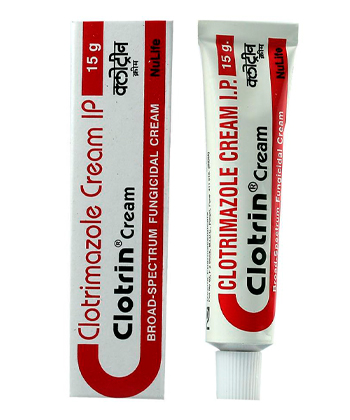
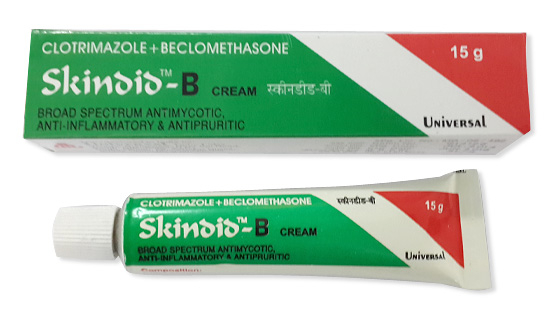
Topical antifungal treatments are applied directly to affected skin areas and are commonly used for surface-level infections. In Canada, popular topical options include clotrimazole cream, miconazole nitrate, terbinafine cream, and tolnaftate. These medications are available over-the-counter at most Canadian pharmacies without a prescription. Topical antifungals are ideal for treating athlete's foot, ringworm, and minor skin infections affecting limited body areas.
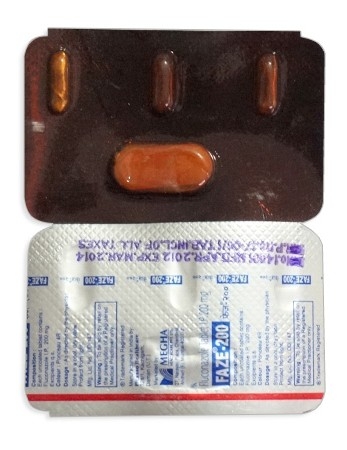
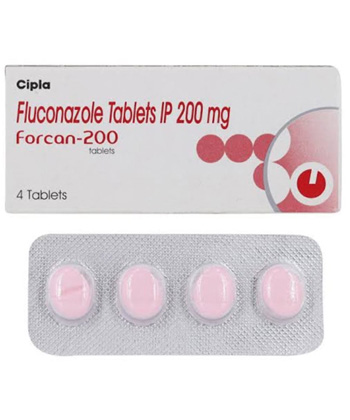
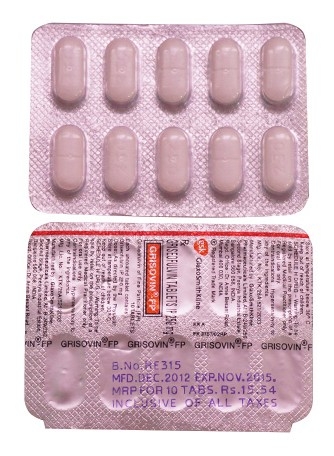
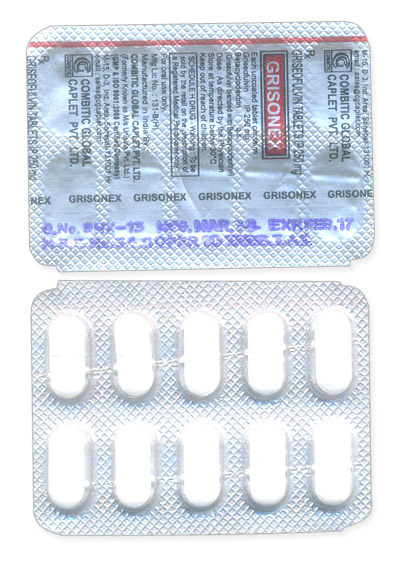
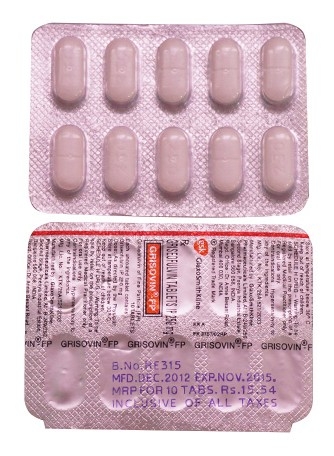
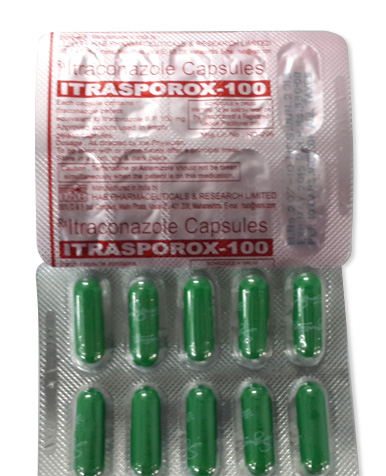
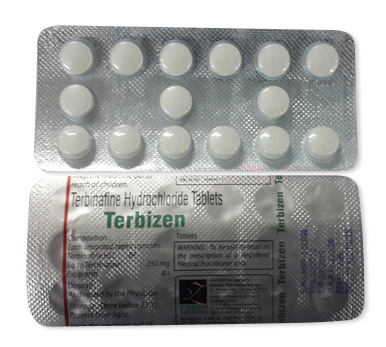
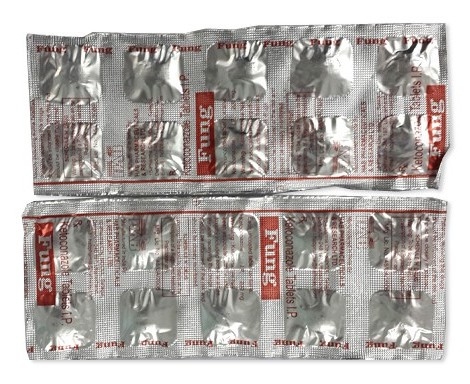
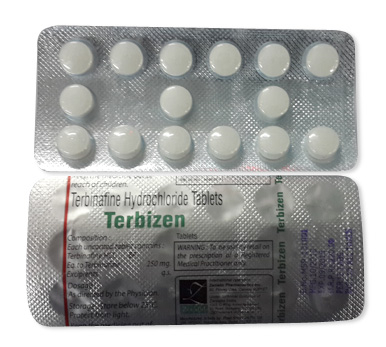
Oral antifungal medications are taken by mouth and are absorbed into the bloodstream, making them effective for more serious infections or conditions affecting large body areas. Common oral antifungals available in Canada include fluconazole, terbinafine, griseofulvin, and itraconazole. Most oral medications require a prescription from a Canadian healthcare provider. These are typically recommended for stubborn nail fungus, severe skin infections, or candida overgrowth conditions that haven't responded to topical treatments.
Some antifungal medications in Canada can be purchased over-the-counter, while others require a doctor's prescription. Always consult with a Canadian pharmacist or physician to determine which antifungal is most appropriate for your specific condition. Prescription antifungals are stronger and may be necessary for systemic infections or immunocompromised individuals.
Athlete's foot and ringworm are among the most prevalent fungal infections in Canada. These dermatophyte infections cause itching, redness, scaling, and burning sensations. Treatment typically begins with topical antifungals like tolnaftate or terbinafine cream applied twice daily for two to four weeks. These over-the-counter options effectively manage mild to moderate cases. More severe or persistent cases may require oral antifungal medication prescribed by your doctor, such as terbinafine tablets taken for several weeks.
Nail fungus, or onychomycosis, is notoriously difficult to treat and often requires oral antifungal medications. Terbinafine and fluconazole are the most commonly prescribed oral antifungals for nail fungus in Canada. Treatment typically lasts twelve weeks or longer, and nails may take several months to appear clear even after successful medication completion. Topical nail antifungals are available but are generally less effective than oral medications for this type of infection.
Candida yeast infections, commonly affecting the vaginal area, mouth, or skin folds, respond well to antifungal treatments available in Canada. Over-the-counter options include clotrimazole vaginal creams and miconazole products. Oral fluconazole is a prescription medication that provides fast relief for vaginal yeast infections and systemic candida problems. Single-dose fluconazole treatments are popular in Canada for their convenience and effectiveness.
Canadian pharmacies stock numerous over-the-counter antifungal products suitable for self-treatment of minor infections. The following options are readily available:
These products are accessible without a prescription, making them convenient for Canadian consumers seeking relief from minor fungal infections.
Prescription antifungals in Canada include fluconazole tablets available in various strengths, terbinafine tablets for systemic fungal infections, itraconazole for serious infections, and griseofulvin for dermatophyte infections. Your Canadian healthcare provider will prescribe the appropriate medication based on infection type, severity, and your medical history. Some prescription antifungals may interact with other medications, making professional medical guidance essential.
Preventing fungal infections is more effective than treating them. Keep skin clean and dry, especially between toes and in skin folds where fungi thrive. Wear breathable clothing and change out of damp clothing promptly after swimming or exercise. Avoid walking barefoot in public areas like pools, gyms, and communal showers. Choose moisture-wicking socks and well-ventilated footwear. Don't share personal items like towels, nail clippers, or hairbrushes that could transmit fungi to others.
Consult a Canadian healthcare provider if fungal infections persist despite using over-the-counter treatments for two weeks, if infections spread rapidly, if you develop signs of systemic infection, or if you have diabetes or a compromised immune system. Severe infections, multiple infection sites, or infections in sensitive areas warrant professional evaluation. Some fungal infections require prescription-strength medication or investigation to identify the specific fungus causing problems.
While antifungal medications are generally safe, some users experience side effects. Topical antifungals may cause mild skin irritation, redness, or allergic reactions in sensitive individuals. Oral antifungals can cause digestive upset, headaches, or liver enzyme changes. Fluconazole occasionally causes headaches or abdominal discomfort. Terbinafine may cause taste disturbances or skin reactions. Most side effects are mild and temporary, but severe reactions require immediate medical attention.
Certain antifungal medications interact with other drugs or medical conditions. Oral antifungals may interact with blood thinners, certain diabetes medications, or heart medications. Individuals with liver disease should avoid some antifungals. Pregnant or breastfeeding Canadians should consult healthcare providers before using antifungals, as some medications may not be safe during pregnancy. Always inform your Canadian pharmacist and doctor about all medications and supplements you take to avoid potential interactions and ensure safe treatment.