
Biaxin
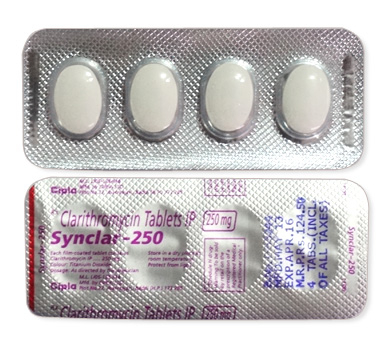
Biaxin
- In Canada and most countries Biaxin (clarithromycin) is a prescription (Rx) antibiotic sold through pharmacies and wholesalers; it is available as brand (Biaxin, Biaxin XL, Klacid) and many generics. Important to know: in some pharmacies or online vendors it may be possible to buy Biaxin without a receipt or prescription, but this can be illegal and unsafe—always consult a healthcare professional before use.
- Biaxin is used to treat respiratory tract infections (pneumonia, bronchitis, pharyngitis, sinusitis), skin infections, H. pylori (as part of triple therapy), and certain mycobacterial infections (e.g., MAC). It is a macrolide antibiotic that inhibits bacterial protein synthesis by binding the 50S ribosomal subunit.
- Usual dosage: Adults 250–500 mg every 12 hours for immediate-release formulations (typically 7–14 days); extended-release 500 mg once daily. Pediatrics: ~7.5 mg/kg every 12 hours (max ~500 mg/dose). Adjust dose in renal impairment (CrCl <30 mL/min: halve dose or extend interval) and use caution in hepatic impairment.
- Form of administration: Oral—immediate-release tablets (250 mg, 500 mg), extended-release tablets (500 mg), and granules for oral suspension (125 mg/5 mL, 250 mg/5 mL) for children.
- Onset time: Pharmacologic activity begins within a few hours (peak plasma ~2–3 hours for IR, ~4 hours for XL); clinical symptom improvement is often noticed within 24–48 hours.
- Duration of action: Immediate-release formulations provide roughly 12-hour coverage (hence twice-daily dosing); extended-release provides about 24-hour coverage (once daily). The treatment course typically lasts 7–14 days depending on indication.
- Alcohol warning: There is no specific contraindication with moderate alcohol, but avoid excessive alcohol because it can worsen gastrointestinal side effects and increase risk of liver toxicity—avoid alcohol if you have liver disease or are taking other interacting medications.
- The most common side effects are gastrointestinal (nausea, diarrhea, abdominal pain), plus metallic or altered taste; other frequent effects include headache, elevated liver enzymes and rash.
- Would you like to try biaxin without a prescription?
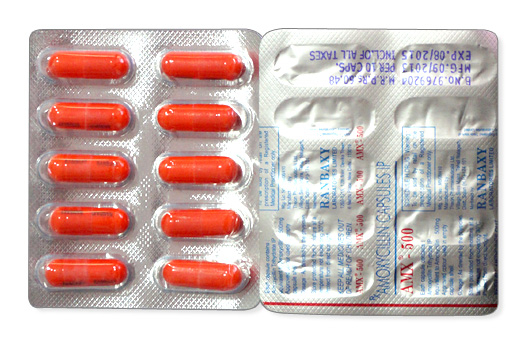
Availability & Price Landscape
Basic Biaxin Information
- INN (International Nonproprietary Name): Clarithromycin
- Brand Names Available In Canada (English): Biaxin, Biaxin XL (immediate‑release tablets 250 mg and 500 mg; extended‑release 500 mg; granules for oral suspension 125 mg/5 mL and 250 mg/5 mL)
- ATC Code: J01FA09
- Forms & Dosages: Immediate‑release tablets 250 mg and 500 mg; Extended‑release tablets 500 mg; Granules for oral suspension 125 mg/5 mL and 250 mg/5 mL
- Manufacturers In Canada (English): not specified
- Registration Status In Canada (English): not specified
- OTC / Rx Classification: Prescription (Rx Only)
Major National Pharmacy Chains (Shoppers Drug Mart, Rexall, London Drugs)
Canadians will most often find clarithromycin stocked at major retail chains such as Shoppers Drug Mart, Rexall and London Drugs.
Regional chains like Jean Coutu and other provincial pharmacies also commonly carry Biaxin brand and multiple generics.
Immediate‑release tablets (250 mg, 500 mg), extended‑release 500 mg and oral suspension (125 mg/5 mL, 250 mg/5 mL) are the usual formats dispensed from community pharmacies.
Bring a valid prescription and your provincial health card when you visit a pharmacy.
Online Pharmacy Trends In Canada (Including Provincial Restrictions)
Canadian online pharmacies typically require a scanned or uploaded prescription before dispensing prescription antibiotics.
Provincial rules affect shipping and reimbursement; many online pharmacies will only ship within the province where they are licensed.
Cross‑border ordering from the United States happens, but it may introduce customs delays and regulatory risks, and imported products may not have a Canadian Drug Identification Number (DIN).
For convenience, some patients prefer ordering refills through an online pharmacy portal that links to local chains for same‑day pickup.
Price Ranges By Package Size (With Provincial Differences)
Raw pricing data for Biaxin and clarithromycin generics is not specified in the available dataset.
Provincial drug plans (for example Ontario Drug Benefit, BC PharmaCare, RAMQ) influence out‑of‑pocket cost and which brand or generic is covered.
Because actual retail prices are not specified here, check your local pharmacy or provincial formulary for up‑to‑date pricing and DIN‑based coverage.
| Package/Strength | Typical Packaging | Price Range By Province |
|---|---|---|
| IR Tablets 250 mg (14–42 tabs) | Blister pack or bottle | Not specified — varies by province and brand |
| IR Tablets 500 mg (14–42 tabs) | Blister pack or bottle | Not specified — varies by province and brand |
| ER Tablets 500 mg (7–14 tabs) | Blister pack or bottle | Not specified — varies by province and brand |
| Granules For Oral Suspension (bottle for reconstitution) | 50–100 mL bottles (forms 125 mg/5 mL or 250 mg/5 mL) | Not specified — paediatric formulations may cost more per mL |
Checklist To Bring To The Pharmacy
- Valid prescription for clarithromycin.
- Provincial health card or ID for insurance verification.
- Current medication list to check for interactions.
[Visual idea] Pharmacy availability map showing major chains and regional suppliers by province.
Canadian Patient Insights & Satisfaction Levels
Forum And Review Platforms (Reddit Canada, HealthBoards, AskDocs)
Canadians share treatment experiences on r/Canada, r/AskDocs, HealthBoards and provincial Facebook health groups.
Parents often post about the suspension formulation for children and ask dosing questions based on weight in mg/kg.
Many threads compare brand Biaxin with generic clarithromycin and report variable stock levels in winter months.
Reported Benefits And Challenges From Canadian Patients
Commonly reported benefits include symptom relief for bronchitis, sinusitis and skin infections within a few days of starting therapy.
Some patients prefer the once‑daily Biaxin XL extended‑release tablet where available for convenience.
Common challenges align with known adverse effects: nausea, diarrhoea, metallic or sour taste, and occasional transient hearing changes at high doses.
Patients frequently ask about drug interactions with statins and colchicine and seek pharmacist advice about temporary holds or alternative statins.
Anonymous Forum Snippets
- "My child cleared up in three days after the suspension; dosing by weight worked well." (anonymised)
- "I felt a metallic taste and nausea the first two days but finished the course as prescribed." (anonymised)
Pros
- Effective against many respiratory and skin infections.
- Available in a paediatric suspension for easier dosing by weight.
- Extended‑release option offers once‑daily dosing for some adults.
Cons
- Gastrointestinal side effects are common.
- Significant drug interactions due to CYP3A4 metabolism.
- Stockouts reported seasonally at some pharmacies.
Product Overview & Brand Variants
INN And Brand Names Used In Canada
The International Nonproprietary Name is clarithromycin.
In Canada the molecule appears on shelves as Biaxin and Biaxin XL and as generic clarithromycin products.
Available forms include immediate‑release tablets (250 mg and 500 mg), extended‑release 500 mg tablets and granules for oral suspension (125 mg/5 mL and 250 mg/5 mL).
Legal Classification Under Health Canada
Clarithromycin is classified as a prescription medication (Rx Only) in nearly all countries, and the same applies in Canada.
For every product, look for the Drug Identification Number (DIN) on the pack to confirm Health Canada registration.
- INN
- Clarithromycin
- Common Brands
- Biaxin, Biaxin XL, generic clarithromycin
- Common Formulations
- IR tablets 250/500 mg; ER tablets 500 mg; granules for oral suspension 125/5 mL and 250/5 mL
Indications In Local Canadian Medical Practice
Approved Uses (Health Canada DIN Context)
Clarithromycin is used for community‑acquired pneumonia, acute bacterial exacerbations of bronchitis, pharyngitis, tonsillitis, skin and soft tissue infections, and acute maxillary sinusitis.
It is also used as part of H. pylori triple therapy for ulcer treatment and for Mycobacterium avium complex (MAC) in HIV care as part of combination regimens.
Off‑Label Patterns In Canadian Healthcare
Off‑label but clinically accepted uses include prolonged regimens for MAC and select prophylactic applications in specialist care.
Each marketed product will have a DIN and a monograph outlining approved indications; prescribers consult product monographs and provincial formularies for exact coverage.
| Indication | Typical Canadian Adult Dosing | Expected Duration |
|---|---|---|
| Community‑acquired pneumonia, bronchitis, pharyngitis | 250–500 mg every 12 hours (IR) | 7–14 days |
| Acute maxillary sinusitis | 500 mg every 12 hours | 14 days |
| H. pylori (with amoxicillin + PPI) | 500 mg every 12 hours | 7–14 days (as part of triple therapy) |
| MAC (HIV) | 500 mg every 12 hours (with other agents) | Extended, per specialist protocol |
Prescribers are reminded to check provincial formularies for DIN‑based listing and reimbursement details.
How It Works In The Body
Layman’s Explanation (Canadian Patient‑Friendly Tone)
Clarithromycin is an antibiotic that stops bacteria from making the proteins they need to grow and spread.
By blocking that process, it helps the immune system clear the infection and patients often notice improvement within 48–72 hours.
Clinical Detail From Health Canada Resources
Clarithromycin is a macrolide antibiotic with ATC code J01FA09.
It binds to the 50S bacterial ribosomal subunit and inhibits protein synthesis.
The drug is metabolised in the liver to an active metabolite, 14‑hydroxy clarithromycin, and is a CYP3A4 substrate, which explains many clinically important drug interactions.
- Macrolide
- Antibiotic class that inhibits bacterial protein synthesis.
- ATC Code
- J01FA09
- CYP3A4
- Major liver enzyme involved in clarithromycin metabolism and drug interactions.
[Visual idea] Simple mechanism diagram showing clarithromycin binding to bacterial ribosome and blocking protein production.
Dosage & Administration
Standard Regimens Per Canadian Guidelines
Adults with most respiratory or skin infections: clarithromycin IR 250–500 mg every 12 hours for 7–14 days.
For acute maxillary sinusitis and some more severe infections, 500 mg every 12 hours is commonly used.
Biaxin XL extended‑release 500 mg once daily may be used where available for appropriate indications.
Adjustments By Patient Type (With Canadian Clinical Notes)
Paediatric dosing uses the oral suspension at 7.5 mg/kg every 12 hours with a maximum of 500 mg per dose.
If CrCl < 30 mL/min, halve the usual dose or double the dosing interval.
Use caution and consider avoidance in severe hepatic impairment; elderly patients generally follow adult dosing unless organ dysfunction is present.
| Patient Group | Usual Dose | Notes |
|---|---|---|
| Adults (IR) | 250–500 mg every 12 hours | 7–14 days depending on infection |
| Adults (ER) | 500 mg once daily | Where Biaxin XL available and indicated |
| Children | 7.5 mg/kg every 12 hours (max 500 mg/dose) | Use suspension; dose by weight |
| Renal Impairment | Reduce dose or extend interval | CrCl < 30 mL/min: halve dose or double interval |
Administration Tips
- Take tablets with or without food per product label; check the specific product monograph.
- Reconstitute oral suspension according to label directions and refrigerate; discard after 14 days.
- If a dose is missed, take it as soon as remembered unless close to the next dose; do not double doses.
Contraindications & Side Effects
Common (Health Canada‑Approved List)
Absolute contraindications include hypersensitivity to clarithromycin or other macrolides and previous cholestatic jaundice or hepatic dysfunction due to clarithromycin.
Co‑administration with colchicine is contraindicated in patients with hepatic or renal impairment.
Common adverse effects include nausea, diarrhoea, abdominal pain, vomiting, dyspepsia, metallic or sour taste, headache, elevated liver enzymes and rash.
Rare But Serious (With Canadian Pharmacovigilance Data)
Rare but serious events reported include cholestatic hepatitis and severe QT prolongation that can lead to arrhythmias.
Serious drug interactions with CYP3A4 substrates (such as certain statins and antiarrhythmics) have been associated with life‑threatening events.
Safety Alerts
- Avoid combining clarithromycin with simvastatin or lovastatin without specialist advice due to interaction risk.
- Report suspected adverse reactions to Health Canada’s MedEffect program.
Comparable Medicines In Canada
Alternatives Table (With DIN References)
DIN numbers change and are product‑specific; consult provincial formularies and the Drug Product Database for current DINs.
| Active Ingredient (INN) | Main Brand | Typical Use | Pros | Cons | DIN (Check Provincial Listing) |
|---|---|---|---|---|---|
| Azithromycin | Zithromax | Respiratory infections | Once‑daily dosing; shorter courses often possible | Resistance concerns in some pathogens | Not specified |
| Erythromycin | Erythrocin | Respiratory and skin infections | Older macrolide option | More GI side effects; more frequent dosing | Not specified |
| Amoxicillin‑Clavulanate | Augmentin | Broader coverage for some respiratory/ENT infections | Preferred for many paediatric infections | Higher risk of diarrhoea; not useful for atypical pathogens | Not specified |
| Levofloxacin | Levaquin | Broad respiratory coverage | Once‑daily dosing; good tissue penetration | Higher safety concerns (tendinopathy, QT) | Not specified |
Pros And Cons List
- Macrolides like clarithromycin and azithromycin penetrate tissues well and are effective for many respiratory infections.
- Azithromycin often requires shorter courses and once‑daily dosing.
- Penicillins are first‑line for many paediatric infections unless a macrolide allergy exists.
- Fluoroquinolones have broader coverage but carry higher risk profiles and stewardship concerns.
Current Research & Trends
Major Canadian Or International Studies 2022–2025
Recent work has emphasised antimicrobial stewardship and rising clarithromycin resistance in respiratory pathogens and H. pylori strains.
Where local clarithromycin resistance is high, H. pylori regimens that rely on clarithromycin are being reconsidered or avoided.
Canadian stewardship programmes increasingly recommend narrower empiric therapy when local antibiograms show elevated macrolide resistance.
[Visual idea] "What Research Says" panel summarising decreased empirical macrolide use, increasing clarithromycin resistance, and continued interest in ER pharmacokinetics.
Common Patient Questions In Canada
FAQ
- Can I get Biaxin without a prescription? No — clarithromycin is prescription‑only in Canada; pharmacies require a valid prescription.
- Is it covered by provincial drug plans? Coverage varies by province and by DIN; generics are more commonly listed on formularies.
- Can I take it with my statin? Some statins (for example simvastatin, lovastatin) interact via CYP3A4; consult a pharmacist or physician as a temporary statin hold may be advised.
- What about pregnancy and breastfeeding? Discuss with your prescriber; treatment is based on weighing benefits and risks.
- How long until I feel better? Many patients notice improvement within 48–72 hours; contact your provider if symptoms do not improve.
Links: Check provincial coverage lookup tools and the Health Canada Drug Product Database for DIN and coverage details.
Regulatory Status
Health Canada Approval Process
Products sold in Canada that are approved carry a Drug Identification Number (DIN) assigned by Health Canada.
Approval requires clinical and manufacturing data submitted for the product and an approved monograph outlining indications and dosing.
DIN Number Relevance
The DIN is the fastest way to confirm a product’s formulation, manufacturer and approved monograph in Canada.
Check the DIN against Health Canada’s Drug Product Database when verifying a package.
[Visual idea] Sample label image showing where to find the DIN, batch number and expiry date on the pack.
Note that importing medication from the US may mean the product lacks a Canadian DIN and falls under different customs/regulatory rules.
Visual Recommendations
Infographic Ideas For Canadian Context
Recommended assets for a product page:
- Dosage infographic comparing adult IR vs ER and paediatric suspension with renal adjustment notes.
- Provincial coverage map indicating where Biaxin/generics appear on formularies (interactive where possible).
- Pharmacy locator with chain logos (Shoppers Drug Mart, Rexall, Jean Coutu, London Drugs) and online vs in‑store buying tips.
- Storage and reconstitution flowchart for the oral suspension (refrigerate after reconstitution, discard after 14 days).
Mark tables for dosage, maps for coverage and definition lists for technical terms like DIN and ATC code.
Buying & Storage Advice
In‑Store Vs. Online Canadian Purchase Tips
Always present a valid prescription at Canadian pharmacies, whether in person or online.
For online orders use licensed Canadian pharmacies that require a prescription upload and provide DIN‑labelled products where possible.
Generics generally lower cost, but check provincial formularies for covered DINs and any substitution rules.
In our online pharmacy, biaxin is available without a prescription, with discreet delivery to Canada (English) in 5-14 days.
Proper Storage With Canadian Climate Considerations
Store tablets below 25°C and protect them from light and moisture.
Reconstituted oral suspension must be refrigerated at 2–8°C and discarded after 14 days.
Avoid leaving medication in a hot car during summer or allowing it to freeze in winter shipments; request tracked shipping with temperature control for sensitive orders.
| Do | Don't |
|---|---|
| Store tablets in a cool, dry place below 25°C | Leave medication in a vehicle in summer or winter |
| Refrigerate reconstituted suspension and discard after 14 days | Use reconstituted suspension beyond 14 days |
Guidelines For Proper Use
Canadian Doctor/Pharmacist Advice Style
Complete the full prescribed course even if symptoms improve.
Do not double up on missed doses; take the next scheduled dose as directed.
Use the suspension for children and ER formulations for adults only when clinically appropriate.
Provide a complete medication list to your pharmacist or prescriber to screen for CYP3A4 interactions, including statins, antiarrhythmics and colchicine.
Report adverse effects such as jaundice or cardiac symptoms immediately to your prescriber and to Health Canada (MedEffect).
Pharmacists should document counselling, review provincial alternatives and offer adherence supports such as pillboxes or reminders.
Before Therapy
- Confirm allergies to macrolides and prior liver reactions to clarithromycin.
- Review current medications for interactions.
During Therapy
- Watch for GI side effects and any cardiac symptoms (dizziness, palpitations).
- If severe adverse effects occur, stop therapy and seek immediate medical attention.
After Therapy
- Return unused medication to the pharmacy for proper disposal.
- Report adverse events to Health Canada’s MedEffect program.
Link to provincial formularies and Health Canada product monographs for full prescribing information and DIN lookup.
Delivery Across Canada (English)
| City | Region | Delivery Time |
|---|---|---|
| Toronto | Ontario | 5-7 days |
| Montreal | Quebec | 5-7 days |
| Vancouver | British Columbia | 5-7 days |
| Calgary | Alberta | 5-7 days |
| Edmonton | Alberta | 5-7 days |
| Ottawa | Ontario | 5-7 days |
| Winnipeg | Manitoba | 5-7 days |
| Quebec City | Quebec | 5-7 days |
| Hamilton | Ontario | 5-9 days |
| Kitchener | Ontario | 5-9 days |
| Halifax | Nova Scotia | 5-9 days |
| Victoria | British Columbia | 5-9 days |
| Saskatoon | Saskatchewan | 5-9 days |
| London | Ontario | 5-9 days |
| St. John's | Newfoundland and Labrador | 5-9 days |