
Tacrolimus
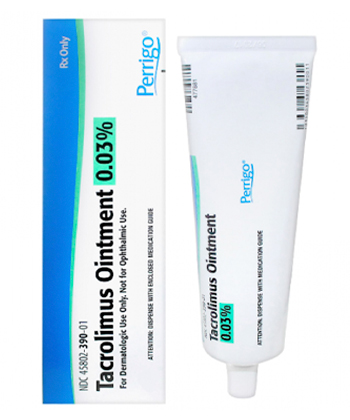
Tacrolimus
- Tacrolimus (brands include Prograf®, Advagraf®, Protopic®) is supplied through hospital and community pharmacies and some online pharmacies with national packaging; it is officially prescription-only worldwide for oral and IV forms and for topical preparations. Note: in some regions or online vendors tacrolimus may be offered without a receipt, but purchasing or using it without a prescription is not recommended.
- Tacrolimus is used as a systemic immunosuppressant to prevent organ rejection (renal, hepatic, cardiac transplants) and topically to treat atopic dermatitis; it is a calcineurin inhibitor that reduces T‑cell activation and cytokine production.
- Usual systemic doses vary by indication and patient weight: transplant regimens typically start around 0.075–0.2 mg/kg/day divided every 12 hours (pediatric dosing often higher per kg); topical doses are a thin layer applied twice daily (0.03% or 0.1%). Dosing must be individualized and guided by therapeutic drug monitoring.
- Forms of administration: oral capsules (immediate- and extended-release), IV injection (5 mg/mL vials), and topical ointment/cream (0.03%, 0.1%).
- Onset time: systemic blood levels rise within 1–4 hours after oral dosing (IV produces immediate plasma levels), but the immunosuppressive clinical effect develops over days to weeks; topical symptom relief (itch/burning) may begin within days, with clinical improvement often seen within 1–2 weeks.
- Duration of action: immediate-release oral tacrolimus is usually dosed every 12 hours (effect roughly 12 hours), extended-release formulations provide coverage up to ~24 hours; topical effects persist with continued twice-daily application and may be used intermittently for maintenance.
- Alcohol warning: avoid excessive alcohol while taking tacrolimus—alcohol can worsen liver toxicity and interact with the drug’s safety profile; discuss alcohol use with your prescriber.
- The most common side effects systemically include headache, tremor, hypertension, nausea and nephrotoxicity; topical use commonly causes local burning, pruritus or erythema at the application site.
- Would you like to try tacrolimus without a prescription?
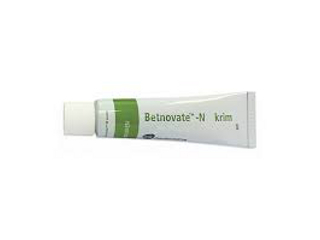
Basic Tacrolimus Information
- INN (International Nonproprietary Name): Tacrolimus.
- Brand Names Available In Canada (English): Not specified.
- ATC Code: L04AD02 for systemic tacrolimus and D11AH01 for topical tacrolimus.
- Forms & Dosages: Capsules 0.5 mg, 1 mg, 5 mg; extended‑release capsules 0.5 mg, 1 mg, 3 mg, 5 mg; IV 5 mg/mL vials; ointment 0.03% and 0.1% in 10 g, 30 g, 60 g tubes; rare compounded cream 0.1%.
- Manufacturers In Canada (English): Not specified.
- Registration Status In Canada (English): Not specified.
- OTC / Rx Classification: Prescription only (Rx Only) for all forms, globally.
Availability & Price Landscape
Major National Pharmacy Chains
Patients often ask whether tacrolimus is available at their local chain pharmacy.
Tacrolimus is a prescription medicine and community pharmacies typically dispense oral capsules and topical ointments.
Major Canadian chains such as Shoppers Drug Mart, Rexall, and London Drugs commonly carry topical Protopic® ointment and oral capsules for outpatient supply.
Hospital pharmacies usually retain IV formulations for inpatient and transplant use, so community stores rarely stock the 5 mg/mL vials.
Quebec chains such as Jean Coutu also dispense topical and oral products, though product availability can vary by store.
For transplant recipients, many supplies and initial fills are coordinated through the hospital transplant pharmacy rather than a retail chain.
Online Pharmacy Trends In Canada
More Canadians order maintenance prescriptions online for convenience and to compare prices between stores.
Licensed Canadian online pharmacies require a valid Canadian prescription to dispense tacrolimus and must follow provincial rules about shipping prescription medicines.
Some provinces restrict shipment of certain temperature‑sensitive or controlled products, so local dispensing rules can affect delivery options.
Patients sometimes compare US prices for Prograf® or tacrolimus generics but should be warned that imported products may not carry a Canadian DIN and formulation or labelling can differ.
When ordering online, check pharmacy accreditation, pharmacist access for counselling, and whether therapeutic drug monitoring support is offered for systemic tacrolimus.
Price Ranges By Package Size
Price is driven by brand versus generic status, tube or bottle size and provincial coverage rather than a single national sticker price.
Topical ointment sizes commonly come as 10 g, 30 g and 60 g tubes and price increases with tube size while per‑gram pricing can be lower for larger tubes.
Capsule strengths range from 0.5 mg to 5 mg and package size affects the total cost of a monthly supply for transplant dosing.
Provincial formularies such as Ontario Drug Benefit, BC PharmaCare and RAMQ influence out‑of‑pocket costs, and private plans may have different reimbursement rules.
Pharmacies sometimes offer price checks or price matching for generics, and manufacturers commonly run patient support programs that can reduce immediate cash costs for eligible people.
| Province/Store | Price Factors |
|---|---|
| Ontario (Shoppers, Rexall) | Formulary status, brand vs generic, private plan reimbursement and pharmacy dispensing fees affect final cost. |
| British Columbia (London Drugs, PharmaCare) | PharmaCare special authority or plan coverage may reduce patient co‑pay; tube sizes 10 g/30 g/60 g change unit cost. |
| Quebec (Jean Coutu, RAMQ) | Drug listing and RAMQ eligibility determine out‑of‑pocket cost; imported generics without DIN may not be covered. |
| Other Provinces | Local pharmacy stocking, hospital supply links and patient assistance programs influence accessibility and price. |
Canadian Patient Insights & Satisfaction Levels
Forum And Review Platforms
Many Canadians discuss tacrolimus on Reddit Canada, HealthBoards and AskDocs when searching for real‑world experiences.
Transplant recipients commonly post about therapeutic drug monitoring, dose adjustments and complex drug interactions after discharge from a transplant centre.
Dermatology patients share reports on Protopic® use for atopic dermatitis, often comparing burning on application versus steroid side effects.
Threads note supply questions and occasional stockouts at community chains that prompt online orders or hospital pharmacy refills.
Readers are encouraged to verify forum advice with their transplant clinic or dermatologist before changing treatment.
Reported Benefits And Challenges From Canadian Patients
Patients report improved eczema control with topical tacrolimus 0.03% to 0.1% ointment and fewer steroid‑related skin atrophy concerns.
Systemic tacrolimus such as Prograf® is credited by transplant patients for stabilizing graft function when trough monitoring and clinic care are consistent.
Challenges commonly mentioned include frequent blood draws for TDM, bothersome side effects like tremor and hypertension, and concerns about long‑term infection risk.
Some patients report variability after switching between generics, which increases anxiety about levels and prompts extra monitoring.
Manufacturer support lines and transplant clinic pharmacists are frequently cited as helpful Canadian resources when questions or side effects arise.
Product Overview & Brand Variants
INN And Brand Names Used In Canada
The International Nonproprietary Name for this medicine is tacrolimus.
Globally recognised brand names include Prograf® for capsules and IV, Protopic® for topical ointment, and Advagraf® as an extended‑release product in some markets.
Generics are marketed simply as tacrolimus and manufacturers such as Sandoz, Mylan and Accord appear on various national markets.
Community pharmacies most commonly dispense capsules for systemic therapy and ointments for dermatology indications.
Legal Classification Under Health Canada
Tacrolimus is a prescription‑only medicine in all formulations and requires a clinician's prescription to dispense.
Each marketed product has a Drug Identification Number (DIN) that links to national packaging and the product monograph or SmPC.
Systemic tacrolimus is classified under ATC code L04AD02 as a calcineurin inhibitor and topical tacrolimus under D11AH01 for dermatological non‑steroid products.
Indications In Local Canadian Medical Practice
Approved Uses (Health Canada DIN Context)
Systemic tacrolimus is primarily used for immunosuppression after organ transplantation, including kidney, liver and heart transplants, with lifelong regimens in many cases.
Topical tacrolimus ointment is approved for atopic dermatitis and is used for both acute flares and intermittent maintenance therapy.
Clinicians and pharmacists should confirm the product's DIN and consult the product monograph when counselling on labelled indications and dosing.
Off‑Label Patterns In Canadian Healthcare
Topical tacrolimus is commonly used off‑label for lichen planus, vitiligo and other localized inflammatory dermatoses when steroid sparing is desired.
Systemic tacrolimus sees occasional specialist‑led off‑label use for steroid‑refractory autoimmune conditions, which requires careful TDM and specialist oversight.
Provincial special authority rules frequently apply to off‑label systemic use when seeking formulary coverage.
How It Works In The Body
Layman’s Explanation
Tacrolimus is an immunosuppressant that calms an overactive immune system to protect a transplanted organ or inflamed skin.
When taken by mouth, it reduces immune cells’ ability to attack a new organ, lowering rejection risk with ongoing monitoring.
Topical tacrolimus acts locally to reduce skin immune signalling and inflammation without using corticosteroids.
Topical systemic absorption is typically low, while systemic formulations require routine blood monitoring to stay in a safe therapeutic range.
Clinical Detail From Health Canada Resources
Mechanistically, tacrolimus is a calcineurin inhibitor that blocks T‑cell activation and cytokine release.
The drug has a narrow therapeutic index and highly variable pharmacokinetics, which is why therapeutic drug monitoring is essential for oral and IV use.
Tacrolimus is metabolized primarily by CYP3A4 and CYP3A5 enzymes, making clinically significant drug–drug interactions common with azoles, macrolides and some calcium‑channel blockers.
Dosage & Administration
Standard Regimens Per Canadian Guidelines
For adult renal or hepatic transplant recipients starting systemic therapy, typical initial oral dosing is 0.1–0.2 mg/kg/day divided every 12 hours.
Cardiac transplant starting doses are commonly around 0.075 mg/kg/day divided every 12 hours.
Pediatric dosing is higher on a mg/kg basis at approximately 0.15–0.2 mg/kg/day divided every 12 hours, reflecting different pharmacokinetics in children.
Topical tacrolimus for atopic dermatitis is applied as a thin layer twice daily using either 0.03% or 0.1% ointment, with 0.03% generally preferred in those under 16 years.
Adjustments By Patient Type
Dose reductions and closer monitoring are required in elderly patients and those with renal or hepatic impairment due to increased toxicity risk.
Immediate‑release capsules and prolonged‑release formulations (prolonged‑release products are available in other markets) may alter dosing frequency and adherence patterns.
| Indication | Typical Starting Dose | Monitoring Frequency |
|---|---|---|
| Renal/Hepatic Transplant | 0.1–0.2 mg/kg/day PO divided q12h | Frequent trough levels initially; centre‑specific schedules |
| Cardiac Transplant | ~0.075 mg/kg/day PO divided q12h | Close trough monitoring and clinic follow‑up |
| Atopic Dermatitis (Topical) | Thin layer BID of 0.03% or 0.1% ointment | Dermatology follow‑up during flare and intermittent maintenance |
Trough targets vary by centre so transplant patients should follow their transplant clinic’s protocol for sampling and dose adjustment.
Contraindications & Side Effects
Common (Health Canada‑Approved List)
Common systemic adverse effects include headache, hypertension, nausea and tremor.
Metabolic issues such as hyperglycaemia and hyperkalaemia are seen and patients should have routine bloodwork to monitor for these.
Topical adverse effects typically include transient burning, pruritus and erythema at the application site.
Community pharmacists should counsel patients about regular blood‑pressure checks, blood work and skin surveillance for topical therapy.
Rare But Serious (With Canadian Pharmacovigilance Data)
Serious systemic risks include nephrotoxicity, neurotoxicity and opportunistic infections associated with long‑term immunosuppression.
There is an associated increased long‑term malignancy risk in chronically immunosuppressed patients and pregnancy and breastfeeding require specialist risk–benefit discussions.
Relative contraindications include uncontrolled infections, significant pre‑existing renal or hepatic dysfunction and concurrent use of other nephrotoxic drugs.
Suspected adverse events should be reported to Health Canada’s Canada Vigilance Program and transplant centres’ pharmacovigilance services.
Comparable Medicines In Canada
Alternatives Table
| Drug | Class | Typical Indication | Route | Pros / Cons | DIN Reference |
|---|---|---|---|---|---|
| Cyclosporin (Sandimmun®) | Calcineurin inhibitor | Transplant immunosuppression | Oral / IV | Effective immunosuppression but different monitoring and side‑effect profile versus tacrolimus. | Not specified. |
| Pimecrolimus (Elidel®) | Topical calcineurin inhibitor | Atopic dermatitis | Topical | Steroid‑sparring topical alternative; different potency and irritation profile from tacrolimus ointment. | Not specified. |
| Sirolimus (Rapamune®) | mTOR inhibitor | Transplant adjunct | Oral | Different mechanism and monitoring needs; specialist‑managed substitutions only. | Not specified. |
Pros And Cons List
- Tacrolimus provides potent immunosuppression with a narrow therapeutic window and requires TDM for safe use.
- Compared with cyclosporin, tacrolimus often has a different side‑effect profile with notable nephrotoxicity risk that needs monitoring.
- Topical tacrolimus avoids steroid atrophy risk but can cause transient burning and local irritation.
- Switching between immunosuppressants or generics should be managed by a transplant specialist with close monitoring.
Current Research & Trends
Major Canadian Or International Studies 2022–2025
Recent literature focuses on pharmacogenetics, with CYP3A5 genotype linked to dose individualisation and more precise initial dosing strategies.
Improvements in TDM strategies such as limited sampling models and population pharmacokinetic approaches are under study to reduce clinic burden.
There is growing interest in prolonged‑release oral formulations to improve adherence, although uptake varies by country and centre.
Topical research explores expanded dermatology uses such as vitiligo and lichen planus with clinical case series and small trials assessing efficacy and tolerability.
Canadian transplant centres contribute outcome data and often publish refinements to local TDM and discharge monitoring protocols.
Common Patient Questions In Canada
Will my provincial plan cover tacrolimus?
Coverage depends on indication, patient eligibility and whether special authority or hospital‑based funding is in place, so check with your provincial drug plan.
Can I switch to a generic?
Generics are available, but switching should be coordinated with TDM and pharmacist follow‑up because trough levels can change with formulation changes.
Is topical tacrolimus safe for children?
For those under 16 years, 0.03% topical tacrolimus is generally preferred, and a dermatologist should guide use and monitoring.
What interactions matter?
Common interaction culprits include grapefruit, macrolide antibiotics and systemic azoles, and these can significantly increase systemic tacrolimus levels.
Practical actions include contacting the transplant clinic for systemic issues, speaking with a pharmacist for drug interactions and reporting adverse events to Canada Vigilance.
Regulatory Status
Health Canada Approval Process
Health Canada reviews clinical data on safety and efficacy before authorizing a medicine for the Canadian market.
Once authorised, products receive a DIN and an associated product monograph or SmPC that outlines approved uses and safety information.
Systemic and topical tacrolimus are approved internationally by regulators such as the US FDA and the EMA, which supports clinical practice in Canada.
DIN Number Relevance
The DIN identifies the exact product, strength, manufacturer and package configuration and is used when checking provincial coverage, recalls and adverse event reports.
Patients should keep the product carton and note the DIN when contacting a pharmacy or health plan to speed up enquiries.
Visual Recommendations
Infographic Ideas For Canadian Context
- A provincial map showing formulary coverage flags for Ontario Drug Benefit, BC PharmaCare and RAMQ to clarify regional differences.
- A quick‑reference dosing chart comparing oral dosing ranges for transplant indications and topical concentrations for dermatology.
- A TDM timeline infographic showing when trough levels should be checked after starting, changing dose or switching generics.
- An interaction flowchart highlighting common CYP3A4 inhibitors and inducers such as azoles, macrolides and grapefruit.
Product images to use on a pharmacy page include a tube of topical ointment, capsule blister shots for immediate‑release products and a hospital vial for IV formulations to set expectations.
Buying & Storage Advice
In‑Store Vs. Online Canadian Purchase Tips
Tacrolimus is generally prescription only, so expect a pharmacist to request a valid Canadian prescription before dispensing.
When buying online, verify the pharmacy’s accreditation and pharmacist access for counselling, and confirm the product’s DIN and expiry date.
Ordering from outside Canada can mean the product has no Canadian DIN and potentially different formulation, so customs and regulatory risks apply.
In our online pharmacy, tacrolimus is available without a prescription, with discreet delivery to Canada in 5–14 days.
Note that IV formulations are usually hospital‑only and not stocked for home delivery from community pharmacies.
Proper Storage With Canadian Climate Considerations
Store capsules and ointments below 25°C in their original packaging and protect them from excessive moisture and light.
IV vials must be refrigerated at 2–8°C and must not be frozen; hospital pharmacies typically manage cold‑chain handling for these products.
During Canadian winters, protect shipments from freezing by using insulated packaging or scheduling delivery when temperatures are safer.
In summer, avoid leaving parcels on hot porches and consider delivery instructions that reduce exposure to high heat during transit.
Guidelines For Proper Use
Canadian Doctor/Pharmacist Advice Style
Take systemic tacrolimus consistently in relation to meals as advised by your transplant centre to reduce variability in absorption.
Attend scheduled therapeutic drug monitoring appointments and keep records of your trough levels and dosing changes.
Monitor blood pressure, kidney function and blood glucose regularly and report tremor, severe headache or signs of infection promptly.
Check with a pharmacist before starting or stopping other medicines because inhibitors like azoles and macrolides can raise tacrolimus levels.
Discuss pregnancy planning with your transplant physician as tacrolimus use during pregnancy requires specialist oversight.
Missed Dose/Overdose And Adherence Instructions
If a dose is missed, take it as soon as remembered within 4–6 hours; otherwise skip and return to your regular schedule and do not double doses.
In case of suspected overdose seek immediate medical attention because there is no specific antidote and management is supportive.
Use pill organisers, sync refills and consider manufacturer patient support programs to help with adherence and access to medication.
Delivery Across Canada (English)
| City | Region | Delivery time |
|---|---|---|
| Toronto | Ontario | 5-7 days |
| Montreal | Quebec | 5-7 days |
| Vancouver | British Columbia | 5-7 days |
| Calgary | Alberta | 5-7 days |
| Edmonton | Alberta | 5-7 days |
| Ottawa | Ontario | 5-7 days |
| Winnipeg | Manitoba | 5-7 days |
| Quebec City | Quebec | 5-7 days |
| Hamilton | Ontario | 5-7 days |
| Halifax | Nova Scotia | 5-9 days |
| London | Ontario | 5-9 days |
| Victoria | British Columbia | 5-9 days |
| Saskatoon | Saskatchewan | 5-9 days |
Closing Notes For Patients
Tacrolimus is a valuable medicine for transplant and dermatology patients, but safe use depends on monitoring and specialist input.
Always verify the product’s DIN, follow transplant centre instructions for trough monitoring and consult a pharmacist about interactions and storage needs.
If supply issues occur at a retail chain, contact the transplant clinic, pharmacist or manufacturer support line to arrange an alternative or temporary supply.
Report any serious adverse effects to Health Canada via Canada Vigilance and keep regular follow‑up appointments with your healthcare team.