
Fluorouracil
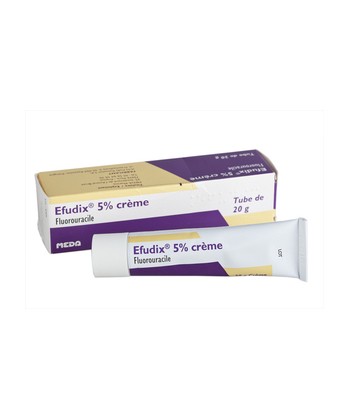
Fluorouracil
- Fluorouracil is supplied through hospitals and retail pharmacies (brands include Adrucil for injection, Efudex/Fluoroplex/Carac for topical preparations); it is prescription-only (Rx) in Canada and most countries and should be dispensed with a valid prescription.
- Fluorouracil (5‑FU) is an antineoplastic antimetabolite (a pyrimidine analogue) used for cancers (colorectal, breast, gastric, etc.) and dermatologic lesions (actinic keratosis, superficial basal cell carcinoma); it is converted intracellularly to active metabolites that inhibit thymidylate synthase and disrupt DNA/RNA synthesis.
- Usual dosages vary by indication: systemic IV regimens are protocol-dependent (example: intensive bolus schedules such as 12 mg/kg/day [max ~800 mg/day] IV bolus x4 days then 6 mg/kg every other day in some protocols); topical regimens commonly use 0.5–5% cream applied once or twice daily for 2–6 weeks to lesions.
- Administration forms include intravenous injection/infusion (vials 250 mg–1 g or more) for systemic chemotherapy and topical formulations (creams, lotions, solutions at 0.5–5%) for dermatologic use.
- Onset: cellular cytotoxic effects begin rapidly after administration, but clinical tumour response is usually seen over weeks to months; topical effects (local inflammation/lesion crusting) commonly begin within days to 1–2 weeks.
- Duration of action: plasma half-life of 5‑FU is short (minutes), but biological and clinical effects persist beyond plasma clearance—systemic anticancer effects are evaluated over chemotherapy cycles (weeks), while topical treatment courses last 2–6 weeks with lesion response assessed thereafter.
- Alcohol warning: avoid heavy alcohol use during treatment—alcohol can worsen mucosal irritation, dehydration and liver stress; discuss alcohol use with your prescriber, especially if you have liver disease.
- The most common side effect(s) are route-dependent: systemic therapy commonly causes nausea, vomiting, diarrhea, stomatitis, myelosuppression, alopecia and dermatitis/photosensitivity; topical use most commonly causes local erythema, burning, pain, desquamation and itching at the application site.
- Would you like to try fluorouracil without a prescription?
Basic Fluorouracil Information
- INN (International Nonproprietary Name): Fluorouracil (also known as 5‑Fluorouracil, 5‑FU, Fluorouracilum, Fluorouracilo, Flouoracil).
- Brand Names Available In Canada (English): Efudex (topical cream 2% and 5%; tubes 20 g and 40 g) is listed among international brand packagings that include topical and injectable formulations.
- ATC Code: L01BC02 (Antineoplastic agents; Antimetabolites; Pyrimidine analogues).
- Forms & Dosages: Injection vials commonly in 250 mg/5 mL, 500 mg/10 mL and 1 g/20 mL; topical creams in 0.5%, 1%, 2%, 4% and 5% in tubes of 20–40 g; lotions/solutions such as 0.5% and 4% exist internationally.
- Manufacturers In Canada (English): International suppliers include Teva, Mylan, Sandoz, Pfizer and others; specific Canadian distributors may list Efudex and generics sourced from global manufacturers.
- Registration Status In Canada (English): Fluorouracil is marketed internationally for topical and injectable use and is listed as prescription-only in jurisdictions reviewed; Health Canada regulatory listings and DIN assignments identify marketed products and should be consulted for current Canadian registrations.
- OTC / Rx Classification: Prescription only (Rx); not available over-the-counter in any formulation.
Availability & Price Landscape
Major National Pharmacy Chains (Shoppers Drug Mart, Rexall, London Drugs)
Shoppers Drug Mart, Rexall and London Drugs are common community pharmacy outlets where topical prescriptions are dispensed.
Topical fluorouracil formulations such as Efudex and generics are stocked at retail pharmacies when prescribed and filled through standard prescription workflows.
Injectable fluorouracil is typically procured and administered within hospital oncology pharmacies rather than retail outlets.
Online Pharmacy Trends In Canada (Including Provincial Restrictions)
Some licensed Canadian online pharmacies list topical 5‑FU and will dispense where provincial rules allow remote counselling and electronic prescribing.
Provincial differences exist: certain provinces require in‑person counselling or limit remote dispensing of cytotoxic topical agents, while others permit e‑prescribing and pharmacist-led online dispensing tied to provincial drug claims.
Cross‑border purchasing from the United States or other countries occurs but carries customs, regulatory and safety considerations; Canadian licensing and DIN tracking provide clearer accountability for supply and reimbursement.
Price Ranges By Package Size (With Provincial Differences)
Topical tubes commonly come in 20–40 g sizes and strengths from 0.5% up to 5%.
Typical retail price ranges for topical tubes are approximately CAD 40–200 depending on strength, tube size and whether a brand‑name Efudex or a generic product is dispensed.
Injectable vial costs are hospital-billed and vary by centre and procurement contracts rather than retail price lists.
Provincial drug plans (for example Ontario Drug Benefit, BC PharmaCare, RAMQ) may cover oncology IV agents through hospital or special program funding, while topical coverage commonly requires special authorization or private insurance.
- Tip: Ask the dispensing pharmacist for precise pricing by DIN and for help with prior authorization forms.
Canadian Patient Insights & Satisfaction Levels
Forum And Review Platforms (Reddit Canada, HealthBoards, AskDocs)
Canadian patients frequently discuss topical fluorouracil experiences on Reddit Canada, HealthBoards and provincial Facebook groups.
These forums are common places for Canadians to exchange practical tips on application, expected inflammation and follow‑up care.
Reported Benefits And Challenges From Canadian Patients
Many users report strong lesion clearance for actinic keratosis and superficial basal cell carcinoma with topical 5‑FU creams.
Commonly described adverse effects include local erythema, desquamation and burning at the application site, which patients recognise as part of the intended inflammatory action.
Patients describe variability in counselling received at retail pharmacies, with some getting thorough application advice and others reporting brief instructions.
- Pros: Effective field therapy for multiple actinic keratoses, low systemic effects with topical use, visible lesion removal.
- Cons: Predictable skin inflammation, confusion about application schedules, delays from prior authorizations or specialist prescriptions.
Anonymised patient excerpt: "My dermatologist prescribed 5‑FU 5% for a patch of AKs; the inflammation was intense for two weeks but cleared most lesions."
Anonymised patient excerpt: "Pharmacy gave a small tube of generic 5‑FU and brief instructions, and I wished for a clearer plan on moisturizers and sun protection."
Short FAQ: For questions on what to expect, ask a pharmacist about application frequency, how to manage inflammation and when to contact the prescriber.
Product Overview & Brand Variants
INN And Brand Names Used In Canada
The INN for the active ingredient is fluorouracil, also called 5‑Fluorouracil or 5‑FU.
Topical brands appearing in international and Canadian listings include Efudex (2% and 5%) and various generics in concentrations from 0.5% to 5% supplied in 20 g and 40 g tubes.
Injectable preparations are known under brand names such as Adrucil internationally, with vials commonly packaged as 250 mg, 500 mg and 1 g strengths for oncology use.
Legal Classification Under Health Canada
Fluorouracil formulations are prescription-only medications.
Topical creams require a prescription and pharmacist counselling at dispensing, while injectable vials are handled through hospital or oncology clinic pharmacies.
Product pages intended for clinical use should list DIN, manufacturer, strength, form and expiry where available.
Indications In Local Canadian Medical Practice
Approved Uses (Health Canada DIN Context)
Topical fluorouracil is used for actinic keratosis and superficial basal cell carcinoma in dermatology practice.
Systemic injectable fluorouracil is an established antineoplastic agent for colorectal, gastric and breast cancers as part of chemotherapy regimens.
Product listings should display approved indications alongside DIN-linked monographs for provincial payers and clinicians.
Off-Label Patterns In Canadian Healthcare
Dermatologists commonly adapt topical application schedules and use field‑therapy approaches for multiple actinic keratoses that can be considered off‑label variations of approved regimens.
Hospital oncology centres follow centre‑specific IV protocols; DPYD testing for dihydropyrimidine dehydrogenase deficiency is increasingly referenced for systemic safety screening prior to high‑dose systemic therapy.
Clinicians often write specialist letters to support special authorization when provincial formularies require additional justification for topical or systemic coverage.
How It Works In The Body
Layman’s Explanation (Canadian Patient-Friendly Tone)
Fluorouracil is a chemotherapy medicine that stops fast‑growing cells from making DNA and RNA.
When applied as a cream, it acts locally on sun‑damaged skin cells that form actinic keratoses and some superficial skin cancers.
When given by injection, it circulates and targets rapidly dividing cancer cells throughout the body.
Clinical Detail From Health Canada Resources
Pharmacologically, 5‑FU is a pyrimidine analogue that inhibits thymidylate synthase and is incorporated into RNA and DNA, producing cytotoxicity in proliferating cells.
Systemic metabolism is primarily hepatic with involvement of the DPYD enzyme; DPYD deficiency increases the risk of severe systemic toxicity and is on safety checklists for high‑dose protocols.
Topical use leads to low systemic absorption compared with intravenous administration; product pages should highlight ATC code L01BC02 and link to official monographs where possible.
Dosage & Administration
Standard Regimens Per Canadian Guidelines
Topical regimens for actinic keratosis and superficial basal cell carcinoma typically use 0.5%–5% creams applied once or twice daily for 2–6 weeks, depending on strength and lesion location.
Efudex is commonly available in 2% and 5% tubes in 20 g and 40 g sizes.
Example intravenous oncology dosing used in protocols can include bolus schedules such as 12 mg/kg/day IV bolus for four days followed by lower dosing, but actual regimens vary by centre and protocol.
Adjustments By Patient Type (With Canadian Clinical Notes)
Elderly patients require closer clinical monitoring rather than routine automatic dose reductions due to decreased organ reserve.
Severe hepatic impairment often necessitates dose reduction because of reduced metabolism and increased risk of toxicity.
Renal impairment should prompt cautious use and consideration of dose reduction in severe cases.
DPYD testing is recommended consideration for systemic high‑dose therapy to reduce severe toxicity risk.
- Patient Checklist: Confirm prescribed strength, application frequency, treatment start date and follow‑up plan with the pharmacist.
Contraindications & Side Effects
Common (Health Canada-Approved List)
Absolute contraindications include known hypersensitivity to fluorouracil or formulation excipients, pregnancy and severe bone marrow suppression.
Topical side effects commonly include local erythema, burning, pain, desquamation and pruritus at the application site.
Systemic side effects associated with injection include nausea, vomiting, diarrhoea, stomatitis, myelosuppression and alopecia.
Rare But Serious (With Canadian Pharmacovigilance Data)
Rare but serious systemic risks include severe myelosuppression, life‑threatening gastrointestinal toxicity and neurotoxicity.
DPYD‑deficient patients can experience fatal systemic toxicity with standard doses; this underpins pharmacogenetic safety efforts in oncology practice.
Product pages and dispensing counselling should include boxed warnings for pregnancy risk, monitoring parameters such as CBC and liver function tests, and instructions to seek immediate care for signs of systemic toxicity.
Comparable Medicines In Canada
Alternatives Table (With DIN References)
| Drug | Class | Use / Indication |
|---|---|---|
| Capecitabine (Xeloda) | Oral prodrug of 5‑FU | Systemic therapy for colorectal and breast cancers; oral alternative to IV 5‑FU with systemic toxicity considerations. |
| Gemcitabine (Gemzar) | Pyrimidine analogue | Systemic use in pancreatic, lung and breast cancers; different toxicity and monitoring profile. |
| Tegafur (in combinations such as UFT, S‑1) | 5‑FU prodrug combos | Systemic uses in GI cancers in combination regimens; access varies by formulary. |
| Imiquimod | Topical immune response modifier | Topical alternative for actinic keratosis or superficial BCC with immune-mediated inflammation. |
| Diclofenac Gel | Topical NSAID preparation | Used for actinic keratosis field therapy with different tolerability and duration profile. |
Pros And Cons List
Capecitabine pros: oral administration avoids IV lines; cons: systemic toxicity and monitoring needs similar to IV 5‑FU.
Imiquimod pros: immune-mediated clearance and alternative mechanism; cons: variable efficacy and inflammatory reactions.
Diclofenac gel pros: tolerable local side effects for some patients; cons: often longer duration and variable clearance compared with topical 5‑FU.
Current Research & Trends
Major Canadian Or International Studies 2022–2025
Recent work through 2022–2025 has focused on optimising topical regimens and combination field therapies for actinic keratosis.
Canadian centres have contributed to trials comparing 2% versus 5% topical formulations and to patient‑reported outcome studies for field‑treatment approaches.
International studies explore combining topical 5‑FU with photodynamic therapy or topical immunomodulators to increase clearance while managing inflammation.
Pharmacogenetic research, particularly around DPYD pre‑treatment screening, continues to shape safety practice for systemic chemotherapy dosing.
Common Patient Questions In Canada
FAQ Style Covering Prescription, Side Effects, Coverage, Interactions
How do I get a prescription for topical fluorouracil? See a dermatologist or a primary care provider for assessment and a prescription if clinically indicated.
Will provincial drug plans cover it? Coverage varies by province and by formulation; topical coverage often requires special authorization while IV oncology agents may be covered under hospital programs or specific provincial plans.
How long until results are seen? Topical treatment typically runs 2–6 weeks with clinical healing thereafter; some inflammation is expected during treatment.
What are important interactions? Fluorouracil can potentiate warfarin and may have increased toxicity when combined with agents such as allopurinol or metronidazole.
Is DPYD testing needed? DPYD testing is a consideration for systemic high‑dose 5‑FU protocols to reduce severe toxicity risk.
- Action Steps: Contact the provincial drug plan for coverage queries, bring DIN and prescription to the pharmacist, and seek immediate care for severe systemic symptoms.
Regulatory Status
Health Canada Approval Process
Health Canada assesses safety, efficacy and manufacturing quality before issuing a Notice of Compliance and granting a DIN to marketed products.
DINs are used by pharmacies and provincial payers to identify reimbursable products and specific marketed formulations.
Injectable fluorouracil for hospital use is procured through hospital purchasing arrangements rather than usual community retail channels.
DIN Number Relevance
Displaying the DIN, manufacturer and the official product monograph helps pharmacists and clinicians verify the product and support reimbursement claims.
Product pages should include links to Health Canada monographs, safety communications and instructions for adverse‑event reporting.
Visual Recommendations
Infographic Ideas For Canadian Context
Recommended visuals include a strengths and tube‑size comparison table for 0.5%–5% creams in 20–40 g tubes with expected treatment duration.
A treatment timeline labelled "What To Expect When Using Topical 5‑FU" helps patients anticipate application, inflammatory phase and healing.
A purchase flowchart showing GP/dermatologist → pharmacist counselling → provincial coverage check (Ontario Drug Benefit, BC PharmaCare, RAMQ) clarifies steps for Canadians.
Use a DIN label visual and a small block comparing systemic exposure for topical versus injectable routes.
Buying & Storage Advice
In-Store Vs. Online Canadian Purchase Tips
Bring the prescription and ask the pharmacist for counselling on application, moisturizers and sun protection when picking up topical 5‑FU at Shoppers Drug Mart, Rexall, London Drugs or your community pharmacy.
Licensed Canadian online pharmacies may dispense topical formulations where provincial rules permit remote counselling and electronic prescribing.
In our online pharmacy, fluorouracil is available without a prescription, with discreet delivery to Canada (English) in 5-14 days.
Avoid unverified cross‑border suppliers; prefer Canadian‑licensed vendors with clear DIN and manufacturer information for safety and reimbursement.
Proper Storage With Canadian Climate Considerations
Store topical creams below 25°C and protect from moisture and heat.
Store injectable vials at 20–25°C, protected from light and do not freeze.
In winter months avoid leaving shipments in unheated porches overnight and during summer heatwaves request cooler shipment options if available.
| Item | Storage |
|---|---|
| Topical Cream | Store below 25°C; protect from moisture and heat. |
| Injection Vials | Store at 20–25°C; protect from light; do not freeze. |
Guidelines For Proper Use
Canadian Doctor/Pharmacist Advice Style
Apply topical 5‑FU to clean, dry skin as directed—typically once or twice daily for the prescribed duration.
Avoid contact with eyes and mucous membranes and use gloves or wash hands after application if instructed.
Expect and plan for inflammation; use sun protection and moisturizers to help with comfort and healing.
Pharmacists should counsel patients on expected reaction timelines and advise stopping therapy and contacting the prescriber for severe ulceration or systemic symptoms.
For systemic 5‑FU, ensure CBC and LFT monitoring per oncology protocols and consider DPYD testing for high‑dose regimens.
- Quick Steps: Record DIN and lot number, note treatment start date, set monitoring reminders and save pharmacist contact details for questions.
Delivery Across Canada (English)
| City | Region | Delivery Time |
|---|---|---|
| Toronto | Ontario | 5-7 days |
| Montreal | Quebec | 5-7 days |
| Vancouver | British Columbia | 5-7 days |
| Calgary | Alberta | 5-7 days |
| Edmonton | Alberta | 5-7 days |
| Winnipeg | Manitoba | 5-7 days |
| Ottawa | Ontario | 5-7 days |
| Halifax | Nova Scotia | 5-9 days |
| Victoria | British Columbia | 5-9 days |
| Regina | Saskatchewan | 5-9 days |
| St. John's | Newfoundland and Labrador | 5-9 days |
| Charlottetown | Prince Edward Island | 5-9 days |
| Sudbury | Ontario | 5-9 days |
| Thunder Bay | Ontario | 5-9 days |