Cancer is a disease characterized by the uncontrolled growth of abnormal cells in the body. These cells can spread to other parts of the body, affecting vital organs and systems. Cancer treatment aims to eliminate cancer cells, reduce tumor size, and prevent the disease from spreading further. There are many types of cancer, including breast cancer, lung cancer, colorectal cancer, prostate cancer, and melanoma, among others.
Treatment approaches vary depending on the type, stage, and location of the cancer. Common treatment methods include chemotherapy, radiation therapy, immunotherapy, and targeted therapy. Many patients receive a combination of these treatments to achieve the best possible outcomes. Early detection and prompt treatment significantly improve survival rates and quality of life for cancer patients.
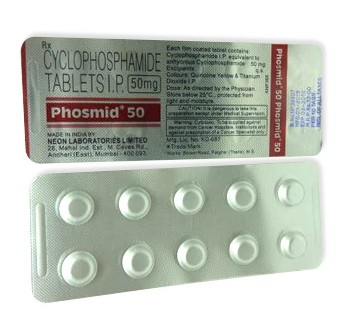
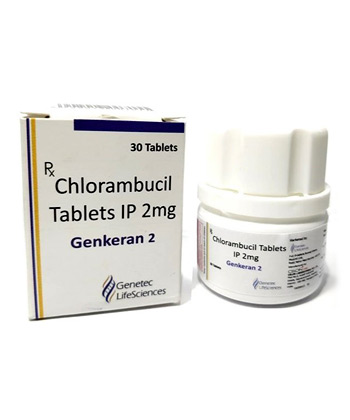
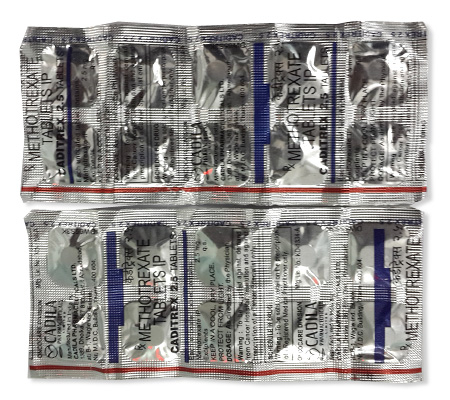
Chemotherapy remains one of the most widely used cancer treatments in Canada. These powerful medications work by targeting and destroying cancer cells or slowing their growth. Common chemotherapy drugs available in Canada include:
These medications are administered through different routes, including intravenous infusion, oral tablets, or intramuscular injection. The choice of chemotherapy drug depends on the specific cancer type, patient health status, and previous treatment history. Side effects can include nausea, hair loss, fatigue, and reduced blood cell counts, but healthcare providers work to manage these effects effectively.
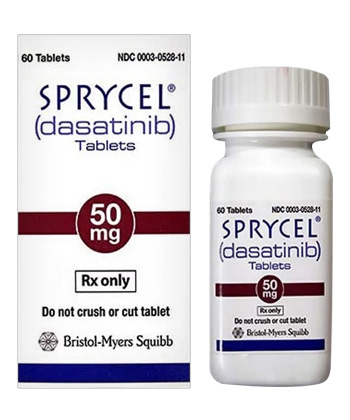
Targeted therapy represents a modern approach to cancer treatment that focuses on specific genetic mutations or proteins found in cancer cells. In Canada, targeted therapy medications include Trastuzumab for HER2-positive breast cancer, Imatinib for certain leukemias and gastrointestinal tumors, and Bevacizumab for colorectal and lung cancers. These drugs are designed to interfere with specific molecules involved in cancer cell growth and survival.
Immunotherapy medications boost the body's natural immune system to fight cancer more effectively. Checkpoint inhibitors like Pembrolizumab and Nivolumab are available in Canada for treating melanoma, non-small cell lung cancer, and other malignancies. These medications work by removing the "brakes" that cancer cells place on the immune system, allowing T-cells to recognize and destroy cancer cells. Immunotherapy has revolutionized cancer treatment outcomes, particularly for advanced-stage cancers. Many patients experience improved survival rates and prolonged remission periods with these newer treatment options.
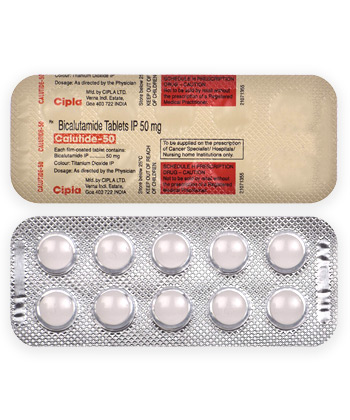
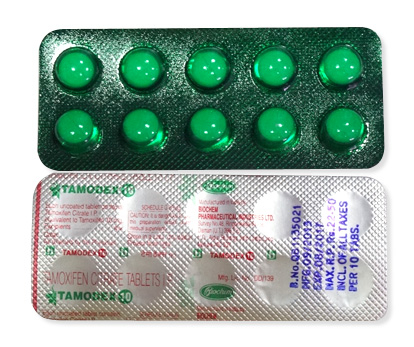
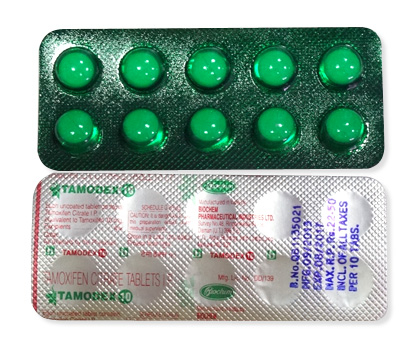
Hormone therapy is an essential treatment option for cancers that are sensitive to hormonal influences, particularly breast cancer and prostate cancer. In Canada, hormone therapy medications include Tamoxifen, Letrozole, and Anastrozole for breast cancer, and Bicalutamide and Leuprolide for prostate cancer.
Tamoxifen works by blocking estrogen receptors on breast cancer cells, preventing estrogen from stimulating cancer growth. Letrozole and Anastrozole are aromatase inhibitors that reduce estrogen production in postmenopausal women. For prostate cancer patients, Bicalutamide blocks androgen receptors, while Leuprolide reduces testosterone levels. Hormone therapy can be used as a standalone treatment or in combination with other therapies like chemotherapy or radiation. Treatment duration varies from several months to several years, depending on the cancer stage and individual patient factors. Regular monitoring and follow-up appointments are essential to assess treatment effectiveness and manage side effects.
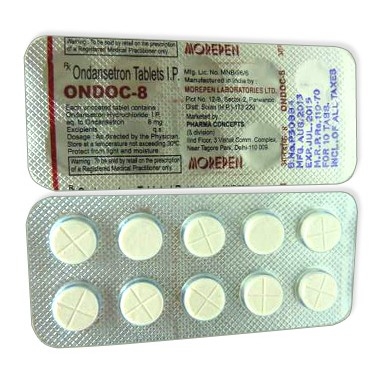
Cancer patients often require supportive medications to manage symptoms and side effects of cancer treatment. These medications play a vital role in maintaining quality of life throughout the treatment journey:
Medications for managing fatigue, loss of appetite, and anxiety are also commonly prescribed. Nutritional supplements and vitamins may be recommended to maintain strength and support overall health. A multidisciplinary healthcare team, including oncologists, nurses, pharmacists, and counselors, work together to optimize supportive care and improve quality of life during cancer treatment.
Prevention plays a crucial role in reducing cancer risk. Avoiding tobacco and excessive alcohol consumption significantly lowers the risk of developing multiple cancer types. Maintaining a healthy diet rich in fruits, vegetables, and whole grains while limiting processed meats and sugary foods is beneficial. Regular physical activity strengthens the immune system and maintains healthy body weight, both important cancer prevention factors.
Protecting skin from excessive sun exposure through sunscreen use and protective clothing reduces melanoma risk. Regular screening programs for breast, colorectal, and cervical cancers enable early detection when treatment is most effective. For individuals with a family history of cancer, genetic counseling and testing may be recommended. Vaccination against human papillomavirus (HPV) and hepatitis B virus reduces the risk of certain cancers. Managing stress through meditation, exercise, and social support contributes to overall wellness. After cancer treatment completion, patients should maintain regular follow-up appointments with their healthcare providers to monitor for recurrence and manage long-term side effects.