
Pyridium
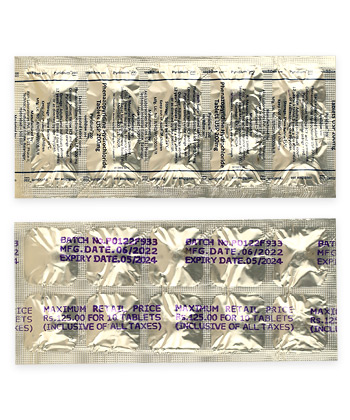
Pyridium
- In our pharmacy, you can buy pyridium without a prescription; availability varies by country (lower-strength formulations are commonly OTC in pharmacies, while higher-strength products may require a prescription in some jurisdictions).
- Pyridium (phenazopyridine) is used for short-term symptomatic relief of urinary tract pain, burning, urgency and frequency associated with urinary tract irritation; it works as a topical local analgesic on the urinary tract mucosa and is not an antibiotic.
- Usual adult dose is 100–200 mg orally three times a day; OTC lower-dose tablets (~95 mg) are available in some markets; do not use for more than 2 days when treating a UTI without medical review.
- Administered orally as tablets or capsules; compounded oral suspension (10 mg/mL) is available rarely from compounding pharmacies.
- Relief often begins within about 15–30 minutes after a dose.
- Duration of symptomatic effect is typically around 6–8 hours, which is why it is commonly dosed three times daily.
- Avoid or limit alcohol while using pyridium, as alcohol may worsen dizziness and can increase the risk of side effects or complicate underlying liver issues; use caution if you have liver disease.
- The most common side effect is urine discolouration to a reddish‑orange colour (harmless but can stain fabrics); other common effects include headache, nausea, dizziness and skin rash.
- Would you like to try “pyridium” without a prescription?

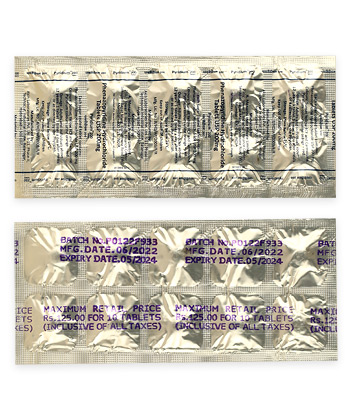

Basic Pyridium Information
- INN (International Nonproprietary Name): Phenazopyridine.
- Brand Names Available In Canada (English): Not Specified.
- ATC Code: G04BX06.
- Forms & Dosages: Tablets 100 mg and 200 mg; capsules (rare, US) 95–99.5 mg; compounded suspension 10 mg/mL (pharmacy compounded).
- Manufacturers In Canada (English): Not Specified.
- Registration Status In Canada (English): Not Specified.
- OTC / Rx Classification: Varies by jurisdiction — United States OTC in lower strengths (e.g., 95 mg) and Rx at higher strengths (200 mg); European and some other countries list it as prescription only.
Major National Pharmacy Chains (Shoppers Drug Mart, Rexall, London Drugs)
Canadians often ask if pyridium is on retail shelves at large chains when they have burning or painful urination.
Phenazopyridine is not universally stocked in Canadian retail chains and is less likely to be on the shelf in 200 mg strengths.
Pharmacists at Shoppers Drug Mart, Rexall and London Drugs can order phenazopyridine for a valid prescription or recommend alternatives while arranging therapy.
Staff typically confirm prescription status, check renal history and screen for G6PD deficiency before dispensing.
Generic equivalents may be substituted when available, and pharmacists may suggest non‑pharmacologic measures while arranging symptomatic treatment.
Online Pharmacy Trends In Canada (Including Provincial Restrictions)
Online pharmacies in Canada sometimes list imported phenazopyridine products or offer a pharmacy‑compounded suspension at 10 mg/mL for patients with swallowing issues or paediatric needs.
Provincial rules and Health Canada guidance on importation affect what an online pharmacy can sell and ship into each province.
Cross‑border purchasing of US OTC 95 mg Pyridium is common among Canadians seeking access or lower prices, though customs rules and packaging differences are considerations.
When buying online, verify the Canadian licence of the dispensing pharmacy and confirm shipping restrictions for your province.
Price Ranges By Package Size (With Provincial Differences)
Retail prices depend on strength, pack size and whether the supply is domestic, imported or compounded.
Typical Canadian retail ranges approximate CAD 12–40 for small blisters of 10–20 tablets, with branded imports and larger bottles costing more.
Compounded suspensions or imported branded Pyridium often carry higher prices due to special handling and import fees.
Provincial markups, in‑store versus online pricing and whether a prescription is required will make final prices variable.
Canadian Patient Insights & Satisfaction Levels
What do Canadians say online when they consider pyridium for bladder pain?
Discussion platforms such as Reddit Canada, HealthBoards and AskDocs often host threads about phenazopyridine and urinary pain relief.
Common questions are about the reddish‑orange urine, how long symptom relief lasts and whether the drug will mask a worsening infection.
Pharmacist replies and community health centre experiences are frequently cited in these threads, and many users are advised to check provincial coverage and monitoring requirements with a pharmacist.
Reported Benefits And Challenges From Canadian Patients
Many Canadians report rapid relief of dysuria and burning shortly after starting phenazopyridine while awaiting antibiotic effect.
Repeated challenges include urine staining, concern about masking infection, and confusion over whether phenazopyridine is prescription‑only locally.
Some patients describe cross‑border purchases of 95 mg Pyridium from the United States for access or price reasons, while others rely on compounding pharmacies to prepare a suspension.
Overall patient satisfaction trends are positive for short‑term use of 48 hours or less and less favourable for prolonged unsupervised use.
Product Overview & Brand Variants
Which names and product versions should shoppers expect to see?
The International Nonproprietary Name is phenazopyridine and the best known brand internationally is Pyridium® in the United States.
No widely marketed domestic Pyridium brand is specified for Canada in the available data, so pharmacies often work with imported or generic supplies when available.
Packaging and availability depend on supplier relationships and importation practices, so brand labels may vary across pharmacies.
Legal Classification Under Health Canada
Health Canada does not list a widely marketed domestic over‑the‑counter Pyridium brand in the provided data.
Legal classification for any marketed product in Canada depends on formulation and the regulatory route used to import or register the product.
Products marketed in Canada must meet Health Canada requirements and normally carry a Drug Identification Number (DIN) when fully registered.
Indications In Local Canadian Medical Practice
Patients often want to know what pyridium is actually used for in clinic.
Phenazopyridine's primary indication is symptomatic relief of dysuria, burning, urgency and frequency related to lower urinary tract irritation.
Clinical practice in Canada follows guidance that phenazopyridine relieves symptoms but does not treat urinary infections.
Typical adult dosing ranges from 100–200 mg orally three times daily, with short‑term use generally limited to about 48 hours when used with antibiotics.
Off‑Label Patterns In Canadian Healthcare
- Short‑term relief after catheterisation or urologic instrumentation is reported as an off‑label use in practice.
- Canadian clinicians caution against extended use due to renal, hepatic and haematologic risks.
- Pharmacists advise using phenazopyridine only while awaiting antibiotic effect and to seek follow‑up if symptoms persist beyond two days.
How It Works In The Body
How does phenazopyridine relieve the sting of a UTI without being an antibiotic?
Phenazopyridine is absorbed systemically and concentrates in the urine where it produces a topical analgesic effect on the urinary tract mucosa.
Relief of burning and urgency can occur within hours, but the drug does not eradicate bacteria causing infection.
Health classification places phenazopyridine in ATC code G04BX06 among other urologicals, and mechanistic details are not fully defined in product summaries.
Because it is renally excreted, caution and avoidance are required in severe renal impairment and in patients with G6PD deficiency.
Dosage & Administration
What dose should an adult in Canada expect to be recommended?
Common adult dosing is 100–200 mg orally three times daily, and international references advise limiting use to a maximum of two days when taken with antibiotics.
Children under 12 are generally not recommended to use phenazopyridine except under specialist guidance and with pharmacy compounding for paediatric needs.
Adjustments By Patient Type (With Canadian Clinical Notes)
- Renal Impairment: Avoid in severe renal insufficiency and monitor renal function in elderly or moderate impairment.
- G6PD Deficiency: Contraindicated due to risk of hemolytic anaemia.
- Pregnancy and Breastfeeding: Insufficient data; use only if benefits outweigh risks after clinician discussion.
Contraindications & Side Effects
Which adverse effects should patients expect and which are serious?
Common expected effects include reddish‑orange urine, headache, nausea, stomach cramps, rash and dizziness.
The urine colour change is harmless but can stain clothing and may affect urine dipstick or colour‑based tests.
Rare but serious risks include methemoglobinemia and hemolytic anemia, particularly in patients with G6PD deficiency, plus potential renal and hepatic toxicity with prolonged use.
Severe allergic reactions such as angioedema have also been reported in rare cases.
Contraindication Summary
- Absolute Contraindications: Severe renal insufficiency, known hypersensitivity, G6PD deficiency, children under 12 years except as prescribed.
- Relative Contraindications: Moderate renal impairment, pregnancy and breastfeeding, liver dysfunction — use with caution and monitoring.
Comparable Medicines In Canada
What alternatives provide similar symptomatic relief for urinary discomfort?
OTC urinary analgesic products such as azo formulations and prescription antispasmodics like flavoxate (Urispas) are available as symptom options.
Methenamine is used for prophylaxis in some cases, and antibiotics are required when a bacterial infection is confirmed.
Pros And Cons List
- Pros: Rapid dysuria relief, local urinary tract action, short onset of effect.
- Cons: Does not treat infection, can mask worsening symptoms, reddish‑orange urine staining, contraindications in renal impairment and G6PD deficiency.
Current Research & Trends
What are recent research themes about phenazopyridine internationally and in Canada?
Recent literature from 2022–2025 emphasizes short‑term symptomatic benefit and safety signals in renal and G6PD patients.
Systematic reviews and single‑centre Canadian reports reiterate that phenazopyridine provides symptomatic relief without antimicrobial effect and should be limited to short courses.
Emerging topics include pharmacy‑compounded paediatric suspensions and enhanced post‑marketing monitoring of adverse events in real‑world practice.
Common Patient Questions In Canada
Will phenazopyridine treat my UTI?
No.
Phenazopyridine relieves pain and burning only and does not treat the bacterial cause of a urinary tract infection.
How long can I take it?
Generally no more than 48 hours when used alongside antibiotics, since extended use increases safety risks without extra benefit.
Will my urine tests be affected?
Yes.
Expect reddish‑orange urine which can interfere with some dipstick results and stain fabrics.
Can I buy it without a prescription in Canada?
Availability varies.
Some pharmacies import products or provide compounding options, and many Canadians purchase US OTC 95 mg Pyridium cross‑border, subject to customs and pharmacy policy.
Regulatory Status
How does Health Canada handle phenazopyridine?
A product marketed in Canada must meet Health Canada requirements and normally carry a Drug Identification Number to be listed and billed provincially.
Because phenazopyridine is more commonly marketed in other jurisdictions, availability in Canada often depends on importer approvals, special access pathways or compounding by pharmacists.
DIN Number Relevance
DINs identify marketed products and enable provincial formulary listing and billing.
If a phenazopyridine product holds a DIN in Canada, pharmacies and provincial programs can reference it for coverage or dispensing.
Where DINs are absent, pharmacies document importation routes or use special access mechanisms to supply the product.
Visual Recommendations
Which visuals help Canadian shoppers quickly understand pyridium?
A clear "How It Works" diagram showing absorption, renal excretion and local urinary analgesia is useful.
A quick safety checklist highlighting renal function, G6PD, pregnancy and the urine discolouration is recommended.
A "When To See A Doctor" flowchart that flags fever, persistent symptoms beyond 48 hours or systemic signs improves patient safety.
Buying & Storage Advice
Should I buy in store or online?
In‑store purchases allow face‑to‑face counselling with a pharmacist who can screen for renal disease and G6PD deficiency and can often order a product if not stocked.
Online purchases require verifying the Canadian licence of the dispensing pharmacy and checking shipping restrictions and expected timelines.
Many Canadians buy US OTC 95 mg Pyridium cross‑border, but note customs limits and differences in packaging and labelling.
In our online pharmacy, pyridium is available without a prescription, with discreet delivery to Canada in 5‑14 days.
Proper Storage With Canadian Climate Considerations
- Store at 20–25°C (68–77°F) protected from moisture and light.
- Avoid leaving medication in vehicles during cold Canadian winters or hot summer days.
- Keep in original packaging and follow refrigeration guidance for compounded suspensions when provided by the pharmacist.
Guidelines For Proper Use
What will your pharmacist tell you when dispensing phenazopyridine?
Use phenazopyridine only for symptomatic relief and confirm or start antibiotics if a bacterial UTI is suspected.
Do not exceed 48 hours of use when taken with antibacterial therapy and seek follow‑up care if symptoms persist beyond two days.
Screen for contraindications such as severe renal impairment and G6PD deficiency and advise immediate care for jaundice, breathlessness or unusual fatigue.
Quick Safety Checklist For Patients
- Ask about kidney disease and G6PD status before using phenazopyridine.
- Expect reddish‑orange urine and warn about fabric staining.
- Stop drug and seek care for jaundice, dark urine, severe shortness of breath or marked fatigue.
- Do not use phenazopyridine as a substitute for antibiotics when infection is present.
Delivery Across Canada (English)
| City | Region | Delivery Time |
|---|---|---|
| Toronto | Ontario | 5-7 days |
| Montreal | Quebec | 5-7 days |
| Vancouver | British Columbia | 5-7 days |
| Calgary | Alberta | 5-7 days |
| Edmonton | Alberta | 5-7 days |
| Ottawa | Ontario | 5-7 days |
| Winnipeg | Manitoba | 5-7 days |
| Hamilton | Ontario | 5-9 days |
| Kitchener | Ontario | 5-9 days |
| Halifax | Nova Scotia | 5-9 days |
| Victoria | British Columbia | 5-9 days |
| Regina | Saskatchewan | 5-9 days |
| Saskatoon | Saskatchewan | 5-9 days |
| St. John's | Newfoundland and Labrador | 5-9 days |
Practical Counselling Examples
A patient arrives on a Friday evening with sudden burning when urinating and asks about a quick fix.
The pharmacist explains that phenazopyridine provides rapid symptomatic relief within hours, but it does not cure infection and should be used for no more than 48 hours with antibiotics.
The pharmacist screens for kidney disease and G6PD deficiency, warns about urine discolouration and suggests sending a urine sample or contacting a prescriber for antibiotics if infection is likely.
Safety Signals And Overdose Management
Patients should know signs of serious adverse effects to report immediately.
Methemoglobinemia, hemolytic anaemia and renal failure are possible in overdose or in patients with predisposing conditions and require urgent medical care.
Management of methemoglobinemia is supportive and may include methylene blue under medical supervision.
Choosing Between Phenazopyridine And Alternatives
Deciding which symptomatic option is appropriate depends on the clinical context.
Phenazopyridine relieves burning quickly but does not relieve spasm in the same way antispasmodics do, and it will not replace the need for antibiotics when a bacterial UTI is present.
OTC azo products or prescription antispasmodics may be easier to source locally and could be preferable for some patients depending on contraindications and drug interactions.
Key Takeaways For Canadian Shoppers
Pyridium (phenazopyridine) is a urinary tract analgesic that provides short‑term relief of dysuria but does not treat infections.
Do not use phenazopyridine beyond 48 hours when antibiotics are indicated, and avoid it in severe renal impairment and G6PD deficiency.
Check product registration and DIN status with your pharmacist if you prefer a fully licensed Canadian product, and ask about compounding options for paediatric or liquid formulations.
Further Reading And Sources
Product data and regulatory classifications cited in this article reflect international registration differences and clinical guidance regarding dosing, contraindications and adverse effects.
When in doubt, consult your local pharmacist or prescriber to confirm appropriate use, dosing and monitoring for phenazopyridine in your province.