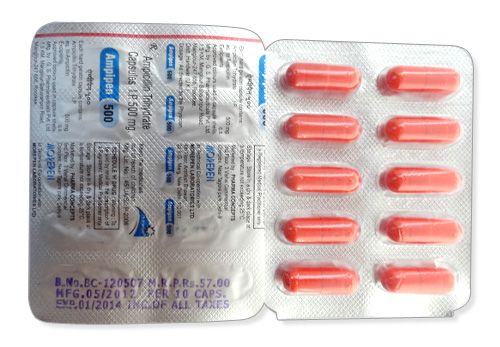
Indocin
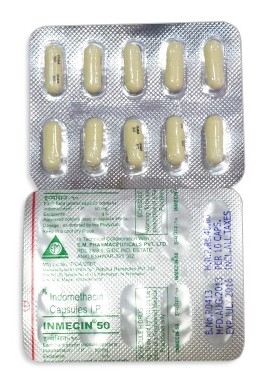
Indocin
- In Canada and most regulated markets indocin (indomethacin) is officially prescription-only (Rx); however, some local pharmacies or online suppliers may offer it without a prescription or receipt — this is not recommended and availability varies by seller and jurisdiction.
- Indocin is used to treat inflammatory conditions (osteoarthritis, rheumatoid arthritis, ankylosing spondylitis), acute gouty arthritis, and short-term pain/inflammation; it is a nonsteroidal anti-inflammatory drug (an acetic acid derivative) that inhibits cyclooxygenase (COX‑1 and COX‑2) to reduce prostaglandin synthesis and inflammation.
- Typical adult dosages: osteoarthritis/RA/ankylosing spondylitis 25 mg two to three times daily, increasing by 25–50 mg as tolerated up to about 200 mg/day; acute gout often 50 mg three times daily until relief (short-term); analgesia commonly 25–50 mg two to three times daily — adjust per physician and patient factors.
- Administration forms include oral capsules/tablets (25 mg, 50 mg, SR 75 mg), oral suspension (25 mg/5 mL), rectal suppositories (50 mg, 100 mg), and a hospital IV formulation (lyophilized 1 mg/vial for reconstitution).
- Onset: analgesic/anti-inflammatory effects often begin within 30–60 minutes for oral forms; in acute gout reductions in pain and swelling are often seen within 2–4 hours, with marked improvement over 3–5 days.
- Duration of action: immediate-release indomethacin typically provides relief for about 4–6 hours; sustained‑release formulations extend effect (often up to 12–24 hours depending on product).
- Alcohol warning: avoid or limit alcohol while taking indocin — alcohol increases the risk of gastrointestinal bleeding and other adverse effects.
- The most common side effect is gastrointestinal upset (nausea, dyspepsia, heartburn); other common reactions include headache, dizziness, and, in some patients, more serious GI or renal effects.
- Would you like to try indocin without a prescription?
Basic Indocin Information
- INN (International Nonproprietary Name): Indomethacin (also known as Indometacin in some countries).
- Brand Names Available In Canada (English): Sandoz Indomethacin, Apo-Indomethacin, Novo-Methacin, Nu-Indo.
- ATC Code: M01AB01 — Anti-inflammatory and antirheumatic products, non-steroids; acetic acid derivatives and related substances.
- Forms & Dosages: Capsules/Tablets 25 mg and 50 mg; oral suspension 25 mg/5 mL in a 237 mL bottle; suppositories 50 mg and 100 mg; injectable IV 1 mg/vial (lyophilized) noted in international markets.
- Manufacturers In Canada (English): Sandoz, Apotex, Novopharm, Nu-Pharm.
- Registration Status In Canada (English): Generics widely available in Canada; products are marketed under the brand equivalents listed above.
- OTC / Rx Classification: Prescription Only (Rx) across regulated markets including Canada.
Major National Pharmacy Chains
Where do Canadians usually pick up a prescription for indocin?
Most patients obtain indomethacin at major national and regional chains such as Shoppers Drug Mart, Rexall, Jean Coutu in Québec, and London Drugs in Western Canada.
Community pharmacies and hospital outpatient pharmacies also dispense the drug when prescribed.
Generic versions are the norm in Canadian practice and most dispensaries carry Sandoz Indomethacin, Apo-Indomethacin, Novo-Methacin or Nu-Indo.
Pack options commonly seen on shelves include 25 mg and 50 mg capsules, 50 mg and 100 mg suppositories, and a 237 mL oral suspension (25 mg/5 mL).
Because indomethacin is prescription-only, pharmacists will substitute generics according to provincial substitution rules unless the prescriber requests no substitution.
Stockouts of specific strengths—particularly certain suppository sizes—are reported occasionally by pharmacies during supply fluctuations.
When comparing prices in store, customers should check the DIN printed on the pharmacy label to confirm exact product and manufacturer.
Online Pharmacy Trends In Canada
Can you order indocin online in Canada and what rules apply?
Many Canadians use licensed online pharmacies and mail-order services for convenience and price comparison.
Provincial prescribing rules affect online purchases because e-prescription acceptance and pharmacist scope vary across provinces.
Pharmacy regulatory authorities require that online pharmacies be licensed and follow provincial dispensing regulations before shipping prescription medicines.
Some patients compare U.S. branded INDOCIN pricing with Canadian generics, but prescriptions, import limits and customs rules restrict cross-border importation for most personal orders.
Online pharmacies often list Sandoz Indomethacin or Apo-Indomethacin as available generics and will request a valid prescription before dispensing.
Where e-prescriptions are accepted, turnaround is faster; where not accepted, patients may need to present a paper prescription at a local pharmacy for validation.
Price Ranges By Package Size
How does package size affect the price per dose for indomethacin?
Package size typically drives the price per capsule or per suppository, with larger bottle counts reducing unit cost in most cases.
Typical pack options include bottles of 30, 60 or 100 capsules and boxes of suppositories in counts such as 30.
Because the raw price points vary by retailer, region and manufacturer, specific in-store and online prices are not specified here.
The table below shows the usual package counts shoppers compare, with provincial price variance noted as not specified where local pricing data is absent.
| Package Count | Typical In-Store Price | Typical Online Price | Provincial Variance |
|---|---|---|---|
| 30-count capsules | Not specified | Not specified | Not specified |
| 60-count capsules | Not specified | Not specified | Not specified |
| 100-count capsules | Not specified | Not specified | Not specified |
Canadian Patient Insights & Satisfaction Levels
Do patients in Canada find indocin effective and tolerable?
Online forums, patient review platforms and community discussions show many Canadians report quick relief for acute gout flares.
Reports commonly describe noticeable pain reduction within hours and marked improvement over several days when used for gout attacks.
Patients value affordable generic options such as Sandoz Indomethacin and Apo-Indomethacin.
Suppository forms are praised by people with gastrointestinal sensitivity or vomiting, and the oral suspension is noted as useful for those with swallowing difficulty.
Challenges mentioned include gastrointestinal upset, dizziness, and the need for monitoring with long-term use.
Access issues arise where walk-in clinic coverage or telehealth services are limited and patients struggle to get timely prescriptions.
- Top reported pros: quick gout relief; affordable generics; suppository availability; suspension for swallowing problems; widely stocked by major chains; effective short-term anti-inflammatory action.
- Top reported cons: GI upset; dizziness; need for renal/hepatic monitoring with prolonged use; variable counselling quality across pharmacies; occasional stockouts of specific strengths; provincial drug plan coverage affects out-of-pocket cost.
Patients are encouraged to consult their local pharmacist or community health centre for help with substitutions and coverage questions.
Product Overview & Brand Variants
What exactly is indocin in Canadian pharmacies?
The International Nonproprietary Name is indomethacin, sometimes spelled indometacin in other countries.
In Canada the commonly seen brands and generics include Sandoz Indomethacin, Apo-Indomethacin, Novo-Methacin and Nu-Indo.
The ATC code is M01AB01, placing it among acetic acid derivatives and related NSAIDs.
Available forms in Canada include 25 mg and 50 mg capsules and 50 mg and 100 mg suppositories, with the 25 mg/5 mL oral suspension in a 237 mL bottle also listed.
Injectable IV formulations (1 mg/vial) exist in international markets but are primarily hospital-only for neonatal or specialist use.
| Form | Strengths | Common Pack Sizes | Typical Manufacturers |
|---|---|---|---|
| Capsules/Tablets | 25 mg, 50 mg | Bottles of 30, 60, 100 | Sandoz, Apotex, Novopharm, Nu-Pharm |
| Suppositories | 50 mg, 100 mg | Boxes of 30 (varies) | Sandoz, Apotex, Novopharm |
| Oral Suspension | 25 mg/5 mL | 237 mL bottle | Various generics |
| Injectable (International) | 1 mg/vial | Single-use vial | Marketed in some countries |
Definitions to keep handy:
- INN: The generic name of the drug — indomethacin.
- Brand: Manufacturer trade name such as Sandoz Indomethacin.
- DIN: The Drug Identification Number assigned by Health Canada to each marketed product.
- ATC: Anatomical Therapeutic Chemical classification (M01AB01 for indomethacin).
Indications In Local Canadian Medical Practice
What conditions do Canadian prescribers commonly treat with indocin?
Approved and typical uses align with inflammatory conditions such as osteoarthritis, rheumatoid arthritis and ankylosing spondylitis.
Acute gouty arthritis is a common short-term indication where indomethacin is often chosen for rapid symptom control.
Short-term pain and inflammation management for selected cases is also within routine use when indicated by a prescriber.
| Indication | Routine vs Specialist Use | Typical Dose Range |
|---|---|---|
| Osteoarthritis / Rheumatoid / Ankylosing | Routine | 25 mg two to three times daily, up to 200 mg/day |
| Acute Gouty Arthritis | Routine | 50 mg three times daily until relief, short-term |
| PDA Closure (Neonatal, IV in hospitals) | Specialist / Hospital Only | Specialist weight-based IV regimens where available internationally |
Prescribers should consult the product monograph linked to the product’s DIN for the approved indications and dosing details.
Some provinces restrict formulary coverage to specific indications, so verify coverage with the provincial drug plan when prescribing.
How It Works In The Body
Why does indocin relieve gout pain so quickly?
Indomethacin is a non-steroidal anti-inflammatory drug that blocks cyclo-oxygenase enzymes, commonly called COX enzymes.
This reduces production of prostaglandins, the chemical messengers that drive inflammation and pain.
Lower prostaglandin levels reduce swelling and pain, which explains the rapid relief often seen in gout flares within 2–4 hours.
The same mechanism also explains common side effects because prostaglandins help protect the stomach lining and support kidney blood flow.
Clinically, indomethacin is an acetic acid derivative in the ATC M01AB01 class and is noted for relatively strong anti-inflammatory potency.
Full improvement in an acute gout episode is typically observed over 3–5 days when treatment is effective.
Keep in mind that COX inhibition affects the stomach, kidneys and cardiovascular system, so monitoring and risk assessment are important.
Dosage & Administration
What are the standard dosing regimens used in Canada?
For chronic inflammatory conditions such as osteoarthritis or rheumatoid arthritis, a common starting dose is 25 mg two to three times daily, titrating by 25–50 mg as tolerated.
The maximum usual daily dose is up to 200 mg for adults, depending on clinical need and tolerance.
For acute gout, regimens like 50 mg three times daily until relief are commonly used for short-term control, not exceeding 200 mg/day.
Available forms include capsules 25 mg and 50 mg, suppositories 50 mg and 100 mg, oral suspension 25 mg/5 mL (237 mL), and IV 1 mg/vial for hospital use internationally.
Elderly patients should start at the lower end of dosing and be monitored closely for GI, renal and cardiovascular adverse effects.
Pediatric use is not routine and should be managed by specialists with weight-based dosing where indicated.
- Counselling: Take oral doses with food to reduce stomach upset unless using a suppository or IV form.
- Missed Dose: Take as soon as remembered unless it is near the next dose; do not double up.
Contraindications & Side Effects
Who should not take indocin and what should patients watch for?
Absolute contraindications include a known hypersensitivity to indomethacin or other NSAIDs, active gastrointestinal bleeding or peptic ulcer, and severe hepatic, renal or cardiac insufficiency.
Asthma, urticaria or allergic-type reactions after taking aspirin or other NSAIDs are also contraindications.
Common side effects are gastrointestinal upset, nausea, vomiting, dizziness, headache and heartburn.
Moderate-to-serious reactions include GI bleeding or ulcers, hepatitis, hypertension, renal impairment, oedema and severe skin reactions.
| Frequency | Signs To Watch For | Action |
|---|---|---|
| Common | Nausea, heartburn, dizziness | Take with food; consult pharmacist if persistent |
| Less Common / Serious | Black or bloody stools, severe abdominal pain, jaundice, reduced urine output | Stop drug and seek urgent medical care |
| Rare | Severe allergic reactions, acute liver injury, acute kidney injury | Immediate emergency care |
Avoid combining with anticoagulants, lithium or certain antihypertensives without monitoring and pharmacist or prescriber advice.
Comparable Medicines In Canada
What are common alternatives to indocin and how do they compare?
Alternatives often chosen include diclofenac (e.g., Voltaren), naproxen (where available), ketoprofen and celecoxib (Celebrex).
| Drug | Typical Use | Relative GI/Cardiac Risk | Common Dosage | DIN Note |
|---|---|---|---|---|
| Indomethacin | Acute gout, inflammatory disease | Higher GI and central adverse effect profile | 25–50 mg two to three times daily | Check DIN on label |
| Naproxen | Inflammatory pain, gout alternative | Moderate GI risk, longer half-life | Depends on product | Check DIN on label |
| Celecoxib | Inflammatory pain where GI risk is a concern | Lower GI risk; different cardiovascular profile | Depends on product | Check DIN on label |
- Pros for indomethacin: rapid gout efficacy and multiple dosage forms including suppositories and suspension.
- Cons: higher GI and central nervous system side-effect risk compared with some NSAIDs; careful patient selection is needed.
Provincial formularies may list preferential NSAIDs, so check the local drug plan when deciding on therapy.
Current Research & Trends
What recent studies and market trends affect indomethacin use through 2022–2025?
Recent research continues to support indomethacin’s rapid efficacy in acute gout flares compared with some alternatives.
Comparative analyses in recent years emphasise balancing fast symptom control with GI and renal risk, particularly in elderly patients.
Generics market expansion from manufacturers such as Sandoz, Apotex and Novopharm remains a dominant commercial trend in Canada.
Pharmacoepidemiology work shows substitution trends to generics and stable patient preference for suppository formulations when oral administration is not tolerated.
International neonatal research on IV indomethacin for PDA remains specialised and mostly confined to hospital practice.
Health Canada continues routine adverse event surveillance, and clinicians should monitor Health Canada safety communications for updates.
Common Patient Questions In Canada
Can I buy Indocin online in Canada?
Only with a prescription; licensed Canadian online pharmacies will dispense with a valid e-prescription, subject to provincial rules.
Will my provincial drug plan cover it?
Coverage varies by province and plan—generics are more likely to be covered, but check Ontario Drug Benefit, BC PharmaCare or RAMQ for specific listings.
Is the suppository form available?
Yes; 50 mg and 100 mg suppositories are commonly available from Canadian generic manufacturers.
Can I cross-border fill an INDOCIN Rx?
Some patients compare U.S. pricing, but import limits, customs rules and prescription validity apply, so check CBSA and provincial rules.
Where should I present my prescription when ordering online?
Provide the prescription to the licensed Canadian online pharmacy or present it at a local dispensing pharmacy as requested.
If severe side effects occur, stop the drug and seek urgent medical care immediately.
Regulatory Status
How is indocin regulated in Canada?
Indomethacin products are approved as prescription medicines in Canada and generics are widely marketed.
Health Canada reviews submissions, issues a Notice of Compliance where appropriate, and assigns a Drug Identification Number for each marketed product.
The DIN links a specific product presentation to its approved monograph and appears on the pharmacy label.
Product pages should display DIN(s) where available and link to the Health Canada Drug Product Database for the monograph and full safety information.
Some formulations such as IV forms used for neonatal PDA may be hospital-only even if authorised in other jurisdictions.
Visual Recommendations
Which visuals help shoppers understand indocin quickly?
A product specification card showing forms, strengths, pack sizes and manufacturers improves trust and conversion.
A quick dosing chart by indication with capsule, suppository and suspension columns helps patients and caregivers find the right instructions fast.
Safety icons for contraindications, pregnancy warnings and renal caution are useful for rapid risk screening.
A provincial coverage map highlighting typical notes for Ontario Drug Benefit, BC PharmaCare and RAMQ helps shoppers check likely coverage at a glance.
Simple infographics explaining the COX inhibition pathway and the organs commonly affected (stomach, kidney, heart) make the mechanism accessible.
Alt text and accessible SVGs are recommended, and pack shots should show the DIN on images to act as trust signals.
Buying & Storage Advice
How should Canadians buy and store indocin safely?
Obtain a prescription from your prescriber and use licensed Canadian pharmacies, either in-store or accredited online services.
When comparing prices, verify substitution policies and confirm the DIN and brand with the pharmacist.
Note provincial rules on e-prescriptions and potential shipping delays for remote regions.
Cross-border shopping for INDOCIN may seem attractive, but customs, import limits and prescription rules apply.
In our online pharmacy, indocin is available without a prescription, with discreet delivery to Canada (English) in 5-14 days.
Store all forms below 30°C (86°F) and do not freeze the oral suspension or IV powder.
Protect suppositories from transient overheating above 40°C (104°F) and avoid leaving medication in cars during Canadian winter or summer extremes.
- Checklist when receiving medication: confirm DIN on label, inspect packaging for damage, keep original leaflet for dosing and storage guidance.
Guidelines For Proper Use
What counselling should patients expect from their prescriber or pharmacist?
Confirm the indication and review concurrent medications such as anticoagulants, lithium and antihypertensives before starting indomethacin.
Assess renal and hepatic function prior to initiation and plan follow-up monitoring if therapy continues beyond short-term use.
Start at the lowest effective dose and reassess within weeks for efficacy and tolerability.
Provide written safety advice including instructions to stop and seek care for signs of GI bleeding or allergic reactions.
Document the DIN and batch when dispensing and counsel on missed-dose and overdose procedures per the monograph.
In higher GI risk patients, discuss gastroprotection and consider alternative agents if cardiovascular or renal risk is a concern.
Delivery Across Canada (English)
| City | Region | Delivery time |
|---|---|---|
| Toronto | Ontario | 5-7 days |
| Vancouver | British Columbia | 5-7 days |
| Montreal | Québec | 5-7 days |
| Calgary | Alberta | 5-7 days |
| Edmonton | Alberta | 5-7 days |
| Ottawa | Ontario | 5-7 days |
| Winnipeg | Manitoba | 5-7 days |
| Hamilton | Ontario | 5-9 days |
| Kitchener | Ontario | 5-9 days |
| London | Ontario | 5-9 days |
| Halifax | Nova Scotia | 5-9 days |
| Victoria | British Columbia | 5-9 days |
| Saskatoon | Saskatchewan | 5-9 days |