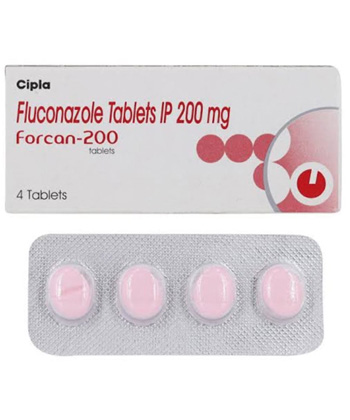
Toradol
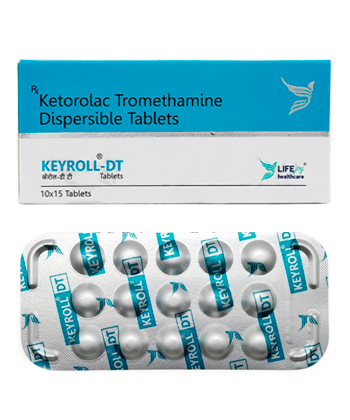
Toradol
- In Canada, Toradol (ketorolac) is a prescription-only medicine normally dispensed at pharmacies and in hospitals; it legally requires a valid prescription, although practices vary and some pharmacies may dispense without a physical prescription or receipt in certain circumstances.
- Toradol is used for short-term management of moderate to severe pain (commonly post‑operative pain) and sometimes as an abortive treatment for migraine. It is a non‑steroidal anti‑inflammatory drug (NSAID) that non‑selectively inhibits COX‑1 and COX‑2 enzymes, reducing prostaglandin synthesis and producing analgesic and anti‑inflammatory effects.
- Usual adult dosages: oral 10 mg every 4–6 hours; IM/IV 10–30 mg every 6 hours (single IM/IV 30 mg is sometimes used for acute migraine). Total treatment duration for oral/parenteral use should not exceed 5 days. Dose reductions are advised for the elderly and in renal or hepatic impairment.
- Forms of administration include oral tablets (10 mg), intramuscular and intravenous injections (10 mg/mL, 30 mg/mL vials/ampoules), a nasal spray formulation (Sprix), and topical ophthalmic drops (Acular) for eye indications.
- Onset: IV effect within minutes (often 5–10 minutes), IM typically within 15–30 minutes, oral onset usually within 30–60 minutes; nasal spray onset may be faster than oral.
- Duration of action: analgesic effects generally last about 4–6 hours per dose; note that total therapy with oral or parenteral ketorolac should be limited to a maximum of 5 days because of increased risk of serious adverse effects.
- Alcohol warning: avoid alcohol while taking toradol because alcohol increases the risk of gastrointestinal bleeding and may worsen kidney injury and drowsiness.
- The most common side effect is nausea (other frequent effects include vomiting, dizziness, headache and abdominal pain; serious risks include GI bleeding and renal impairment).
- Would you like to try toradol without a prescription?
Availability & Price Landscape
Basic Toradol Information
- INN (International Nonproprietary Name): Ketorolac Tromethamine.
- Brand Names Available In Canada (English): Toradol and generic ketorolac (tablets and injectable vials).
- ATC Code: M01AB15.
- Forms & Dosages: Oral tablets 10 mg; injectable 10 mg/mL and 30 mg/mL; nasal spray (Sprix) not widely marketed; ophthalmic 0.5% (Acular).
- Manufacturers In Canada (English): Hoffmann-La Roche (Toradol) and multiple generic suppliers such as Sandoz, Teva, Mylan (availability varies by product).
- Registration Status In Canada (English): Registered and listed with Health Canada DINs; products are prescription-only.
- OTC / Rx Classification: Prescription-only (Rx) across Canada.
Where can Canadians get ketorolac and how much does it cost?
Ketorolac (Toradol) is prescription-only in Canada and is most commonly dispensed by community pharmacies after a prescriber’s order.
Major national chains such as Shoppers Drug Mart, Rexall and London Drugs typically stock ketorolac tablets and coordinate injectable supply for outpatient clinics.
Jean Coutu remains a regional supplier in Quebec and may show differing brand availability in that province.
Hospital parenteral ketorolac is usually supplied through hospital pharmacies rather than retail outlets.
Online Canadian pharmacies will dispense only with a valid prescription and follow provincial college rules.
Cross-border importation from the United States is a route patients mention for lower Toradol pricing, but it carries customs and regulatory risk.
Generic ketorolac 10 mg tablets (30 count) typically range from about CAD $10 to $40 depending on province, pharmacy and generic brand.
Single injectable vials (30 mg/mL) dispensed for outpatient use vary widely at roughly CAD $5 to $25 per vial.
Provincial drug plans such as Ontario Drug Benefit, BC PharmaCare and RAMQ may cover ketorolac for eligible patients or indications subject to formularies and prior authorizations.
For pharmacists and patients, a price comparison and checking provincial coverage links is the fastest way to confirm cost and reimbursement.
Canadian Patient Insights & Satisfaction Levels
Forum And Review Platforms
What are Canadians saying online about Toradol?
Patient feedback on platforms such as Reddit Canada, HealthBoards and AskDocs highlights rapid and strong pain relief, especially after parenteral administration.
Many posts describe shorter opioid use after surgery when ketorolac is used as part of multimodal analgesia.
Some users describe limited benefit from short oral courses compared with injectable dosing.
Reported Benefits And Challenges From Canadian Patients
Reported advantages include quick onset when given IV or IM and meaningful opioid-sparing effects in the first 24–48 hours post-op.
Common challenges discussed are gastrointestinal upset, dosing confusion, and worries about kidney effects among elderly users or those with pre-existing renal conditions.
Quebec and Atlantic Canada posters sometimes mention brand differences and stock levels at Jean Coutu or Shoppers branches.
Satisfaction trends show high analgesic satisfaction for short-term acute use, but satisfaction falls when side effects occur or prescriptions are declined for safety reasons.
Patients frequently discuss reimbursement hurdles with provincial programs and private plans, and occasional delays in obtaining injectable forms from community pharmacies.
Summary for quick reading:
- High satisfaction for rapid parenteral relief.
- Lower satisfaction when side effects (GI, renal) occur.
- Access issues include prior authorizations and regional stock differences.
Anonymous testimonial:
“I had a 30 mg IM dose after my surgery and it took the edge off immediately, which let me skip the first opioid dose.”
Product Overview & Brand Variants
INN And Brand Names Used In Canada
What forms of ketorolac will you find in Canada?
The international nonproprietary name is ketorolac tromethamine and in Canada it is marketed as Toradol and under generic ketorolac labels.
Dosage forms available include 10 mg oral tablets and injectable vials typically at 10 mg/mL and 30 mg/mL strengths.
Nasal formulations such as Sprix exist but are less commonly used in Canada, and ophthalmic ketorolac (Acular) is a separate product for eye inflammation.
Legal Classification Under Health Canada
Ketorolac is prescription-only across Canada and products appear in Health Canada’s database with Drug Identification Numbers (DINs).
Pharmacies must dispense products under the matching DIN and substitutions to interchangeable generics follow provincial pharmacy regulations and bioequivalence rules.
Brand availability varies regionally and some international brand names may not be sold in Canada.
| INN | Brand | Form | Typical DIN (Pharmacist Reference) |
|---|---|---|---|
| Ketorolac Tromethamine | Toradol / Generic Ketorolac | Oral 10 mg; Injectable 10/30 mg/mL | Not Specified |
| Ketorolac | Acular | Ophthalmic 0.5% | Not Specified |
Indications in Local Canadian Medical Practice
Approved Uses (Health Canada DIN Context)
When do Canadian prescribers use ketorolac?
Health Canada–approved indications focus on short-term management of moderate-to-severe acute pain, particularly post-operative pain.
Parenteral forms are commonly used in emergency departments and post-anaesthesia settings for rapid onset.
Approved product monographs and DIN-linked labelling usually limit systemic use to five days or less.
Off-Label Patterns In Canadian Healthcare
Off-label uses in Canada include single-dose parenteral ketorolac for acute severe migraine, renal colic and severe musculoskeletal pain when benefits outweigh risks.
Pediatric inpatient use is weight-adjusted and used selectively with specialist oversight.
Off-label prescribing in acute care is common but guided by local hospital protocols and provincial prescribing policies.
Clinicians typically document clinical rationale for off-label use and monitor renal function and bleeding risk when prescribing outside standard indications.
- Approved: Short-term moderate-to-severe acute pain, post-op analgesia (≤5 days).
- Off-label: Migraine abortive therapy, renal colic, select musculoskeletal pain when appropriate.
Prescriber protocol checklist:
- Confirm indication and maximum duration per monograph.
- Check renal function, bleeding risk, and concurrent anticoagulants.
- Document rationale for off-label use and monitoring plan.
How It Works in the Body
Layman’s Explanation (Canadian Patient-Friendly Tone)
What actually makes Toradol stop pain?
Ketorolac is a strong nonsteroidal anti-inflammatory drug that reduces pain by blocking enzymes called COX‑1 and COX‑2 which make prostaglandins.
Prostaglandins are chemicals that cause pain, swelling and fever, so reducing them lowers pain and inflammation quickly.
Because ketorolac blocks both COX enzymes effectively, it tends to provide stronger short-term relief than many over-the-counter NSAIDs.
Clinical Detail From Health Canada Resources
Clinically, ketorolac is a non-selective COX inhibitor with ATC code M01AB15 and high analgesic potency.
Parenteral administration (IV/IM) gives a fast onset that is useful in hospitals, while oral 10 mg tablets are used for outpatient pain but limited to short durations.
Health Canada monographs list pharmacokinetics, contraindications such as renal impairment and active bleeding, and interaction cautions.
Patients with known NSAID hypersensitivity, severe renal impairment or active peptic ulcer disease are contraindicated from systemic ketorolac use.
Dosage & Administration
Standard Regimens Per Canadian Guidelines
How is Toradol dosed in adults in Canada?
Adult oral dosing typically uses 10 mg every 4–6 hours as needed, following product monograph limits.
Parenteral IM/IV dosing commonly ranges from 10 to 30 mg every 6 hours, with total systemic duration not exceeding five days.
A single 30 mg IM/IV dose is sometimes used off-label for acute migraine abortive therapy.
Adjustments By Patient Type (With Canadian Clinical Notes)
Elderly patients should receive lower doses and closer monitoring because of higher gastrointestinal and renal risk; 10 mg doses with restricted duration are typical.
Renal impairment is a major concern; avoid ketorolac in severe impairment or reduce dosing substantially when allowed.
Pediatrics require weight-based dosing (e.g., approximately 0.5–1 mg/kg/dose IV/IM) and specialist approval.
Canadian clinical practice favours documenting baseline renal function (eGFR) and checking for anticoagulant therapy before dispensing.
| Form | Typical Dose | Frequency | Max Duration |
|---|---|---|---|
| Oral Tablet | 10 mg | Every 4–6 hours as needed | ≤5 days |
| Parenteral IM/IV | 10–30 mg | Every 6 hours as needed | ≤5 days |
| Ophthalmic | Per ophthalmology protocol | Per protocol | As directed |
Contraindications & Side Effects
Common (Health Canada-Approved List)
Who should not take ketorolac and what side effects are common?
Absolute contraindications include known NSAID hypersensitivity, active peptic ulcer or gastrointestinal bleeding, severe renal impairment, active bleeding disorders, and use in labour or late pregnancy.
Avoid ketorolac in patients with NSAID‑triggered asthma or recent cerebrovascular bleeding.
Common adverse effects include nausea, vomiting, dizziness, headache, indigestion and abdominal pain.
Rare But Serious (With Canadian Pharmacovigilance Data)
Serious but less frequent events reported in Canadian pharmacovigilance systems include gastrointestinal bleeding, acute kidney injury, myocardial infarction, stroke, bronchospasm and anaphylaxis.
Elderly patients have higher incidence of serious outcomes and require extra caution.
If a patient experiences black or tarry stools, severe abdominal pain, sudden decrease in urine output, chest pain, or sudden breathlessness, they should seek immediate medical attention.
- Common: Nausea, dizziness, headache, indigestion.
- Serious: GI bleeding, kidney failure, cardiovascular events, anaphylaxis.
Comparable Medicines in Canada
Alternatives Table (With DIN References)
What are reasonable alternatives if ketorolac is unsuitable?
| Agent | Typical Route | Onset | Strength / Risk | Typical DIN (Pharmacist Fill) |
|---|---|---|---|---|
| Ibuprofen (Advil, Motrin) | Oral | 30–60 min | Lower potency, OTC | Not Specified |
| Naproxen (Aleve) | Oral | 30–60 min | Longer duration, OTC/Rx | Not Specified |
| Diclofenac (Voltaren) | Topical / Oral | Topical: local | Good local effect; CV warnings | Not Specified |
| Paracetamol | Oral | 30–60 min | Safer GI profile; less potent | Not Specified |
| Triptans (migraine) | Oral/SC | Variable | Migraine-specific; different mechanism | Not Specified |
Pros And Cons List
- Ketorolac: High acute analgesic potency; limited to short courses; higher GI/renal risk.
- Ibuprofen/Naproxen: Readily available OTC; safer for many outpatients; less potent.
- Diclofenac: Effective, topical option reduces systemic exposure but carries cardiovascular precautions.
- Paracetamol: Safer GI and renal profile but lower analgesic ceiling.
- Opioids: Strong analgesia but dependence and higher adverse-risk profile; used when NSAIDs contraindicated.
Current Research & Trends
Major Canadian Or International Studies 2022–2025
What does recent research say about ketorolac?
Recent studies from 2022 to 2025 emphasise multimodal analgesia strategies that limit opioid exposure while using short-course NSAIDs like ketorolac for initial control.
Canadian acute-care research has evaluated ketorolac within opioid-sparing protocols and found effective short-term analgesia when used per guidelines.
International trials have compared single-dose IM/IV ketorolac for migraine relief against triptans and ketamine with mixed but promising results for some patients.
Trends include stewardship of NSAID use in elderly and renally impaired patients, stronger ambulatory parenteral analgesia protocols, and clearer provincial prescribing pathways.
Health systems in Canada continue to monitor adverse-event reporting and adjust guidance on maximum duration and contraindications based on emerging data.
Ongoing registries aim to better quantify rare severe outcomes associated with community use of potent NSAIDs.
Visual Recommendations
Infographic Ideas For Canadian Context
What visuals make the product page clearer for Canadian patients?
Recommended infographic: “Ketorolac At A Glance” showing forms, typical doses and the ≤5 day systemic limit alongside key contraindications.
A regional availability map highlighting where Shoppers Drug Mart, Rexall, Jean Coutu and London Drugs commonly stock the product helps set expectations for patients.
A dosing table with larger fonts for adult, elderly and renal-impairment guidance improves readability.
A flowchart titled “Can You Take Ketorolac?” with screening questions (allergies, peptic ulcer history, renal disease, anticoagulant use) should direct patients to pharmacist counselling prompts.
Patient experience blocks with anonymised quotes and a comparative bar chart of analgesic onset vs ibuprofen and paracetamol are useful additions.
Design tips: high-contrast, accessible colour palette, downloadable PDF of the dosing chart, and small DIN-linked pill thumbnails for pharmacist reference.
Delivery Across Canada (English)
| City | Region | Delivery Time |
|---|---|---|
| Toronto | Ontario | 5-7 days |
| Montreal | Quebec | 5-7 days |
| Vancouver | British Columbia | 5-7 days |
| Calgary | Alberta | 5-7 days |
| Edmonton | Alberta | 5-7 days |
| Ottawa | Ontario | 5-7 days |
| Winnipeg | Manitoba | 5-7 days |
| Quebec City | Quebec | 5-7 days |
| Halifax | Nova Scotia | 5-7 days |
| Hamilton | Ontario | 5-9 days |
| Kitchener | Ontario | 5-9 days |
| Victoria | British Columbia | 5-9 days |
| Saskatoon | Saskatchewan | 5-9 days |
Buying & Storage Advice
In-Store Vs. Online Canadian Purchase Tips
How should Canadians buy and store ketorolac?
Always present a valid prescription when purchasing ketorolac in Canada; pharmacies will verify contraindications and interactions before dispensing.
In-store purchase gives immediate pharmacist counselling and the ability for the pharmacist to liaise with a prescriber about dosing or formulation.
Online Canadian pharmacies require scanned or electronic prescriptions and must follow provincial college rules; check that the site shows a provincial pharmacy licence.
Cross-border purchases from the United States are common for price reasons but carry risks of customs seizure, non-Canadian DIN labelling and uncertain regulatory compliance.
In our online pharmacy, toradol is available without a prescription, with discreet delivery to Canada (English) in 5-14 days.
Proper Storage With Canadian Climate Considerations
Store tablets and injectables at room temperature, ideally between 15–25°C, and protect from moisture and light.
Do not freeze injectable vials and avoid leaving medications in cars during cold winters or hot summer days.
When travelling, keep medications in original packaging with prescription or pharmacy label to avoid issues with customs or security.
Dispose of unused medication safely according to provincial guidelines or pharmacy take-back programs.
Guidelines for Proper Use
Canadian Doctor/Pharmacist Advice Style
What should a pharmacist tell a patient starting toradol?
Verify the indication, recent medical history including renal function, peptic ulcer disease, anticoagulant use and pregnancy status before dispensing.
Explain expected onset is faster with IM/IV dosing and outline the dosing schedule (oral 10 mg every 4–6 hours as needed; parenteral per protocol) and the strict maximum systemic duration of usually five days.
Advise patients to stop the medication and seek care for warning signs such as black or tarry stools, severe abdominal pain, reduced urine output, chest pain or sudden shortness of breath.
Document counselling, record the DIN and batch number and check provincial formulary coverage where applicable.
For elderly or renally impaired patients, recommend discussing alternatives and consult the prescriber before dispensing ketorolac.
Provide a printable “What To Expect” leaflet and use a short pharmacist counselling script template when handing over the medicine.
Regulatory Status
Health Canada Approval Process
How is ketorolac regulated in Canada?
Ketorolac products are approved through Health Canada’s New Drug Submission or Abbreviated New Drug Submission pathways and are assigned Drug Identification Numbers (DINs) when licensed.
A DIN ties a specific strength and manufacturer to the Health Canada database and appears on packaging and pharmacy records.
Pharmacists use DINs to verify authenticity, dispense the correct formulation and consult approved product monographs.
DIN Number Relevance
All systemic ketorolac products in Canada are prescription-only and product labelling limits systemic treatment duration to commonly five days or less.
Health Canada monitors adverse-event reports and can request label changes or recalls; provincial regulatory colleges set dispensing and substitution rules for community pharmacists.
Definitions:
- DIN: Drug Identification Number used to identify licensed products in Canada.
- Monograph: The approved product information including indications, dosing and safety.
Common Patient Questions in Canada
FAQ
Do I need a prescription?
Yes — ketorolac is prescription-only in Canada and pharmacies will require a valid prescriber’s order and will screen for contraindications.
Can I take it with my blood thinner?
Not without physician advice — combining ketorolac with anticoagulants increases bleeding risk and the pharmacist will verify interactions before dispensing.
How long can I take it?
Systemic use is generally limited to no more than five days; ophthalmic use follows eye-care instructions.
Is it safe for older adults?
Use with caution in older adults; lower doses and close monitoring are typical because of increased renal and GI risks.
Will my provincial drug plan cover it?
Coverage varies by province and plan — check Ontario Drug Benefit, BC PharmaCare, RAMQ formularies and private insurers; prior authorisation may apply.
Buying & Storage Advice (Short Checklist)
- Bring a valid prescription and recent medical history to the pharmacy.
- Ask the pharmacist to check renal function and anticoagulant use before dispensing.
- Store at 15–25°C, protect from moisture and light, and do not freeze injectables.
- Use pharmacy take-back or provincial programs for safe disposal.