Pain relief medications, also known as analgesics, are essential pharmaceutical products designed to reduce or eliminate discomfort from various sources. These medications work by interfering with pain signals in the body or reducing inflammation that causes pain. Understanding the different types available helps you choose the most appropriate option for your specific needs. Pain can range from mild discomfort to severe conditions that significantly impact daily life. Over-the-counter and prescription pain relievers serve different purposes depending on the intensity and type of pain experienced. Many Canadians rely on these medications to maintain their quality of life and manage chronic conditions effectively.
Pain relievers are used for headaches, muscle aches, arthritis, menstrual cramps, dental pain, and post-surgical discomfort. They can address acute pain from injuries or chronic pain from ongoing conditions. Fever reduction is another common application. Knowing when to use these medications ensures proper treatment and prevents unnecessary suffering. Common situations where pain relief medications prove beneficial include:
Over-the-counter pain medications are readily available without a prescription and provide effective relief for many common types of pain. These accessible options include several types of analgesics that have been safely used by millions of Canadians.
Acetaminophen, marketed under brand names like Tylenol in Canada, is a popular choice for mild to moderate pain relief. This medication also reduces fever and is gentle on the stomach. It's suitable for people who cannot take other pain relievers. Acetaminophen works by affecting pain perception in the brain. Standard dosages for adults are typically 325 to 650 mg per dose, with a maximum daily limit of 3000 to 4000 mg. This medication is often combined with other active ingredients in multi-symptom cold and flu products available across Canadian pharmacies.
Ibuprofen is an over-the-counter non-steroidal anti-inflammatory drug that reduces pain, inflammation, and fever. Common Canadian brands include Advil and Motrin. This medication is particularly effective for headaches, muscle pain, and arthritis symptoms. Ibuprofen typically starts working within 30 minutes and provides relief for 4 to 6 hours. The standard dose for adults is 200 to 400 mg every 4 to 6 hours as needed. Many Canadians prefer ibuprofen for inflammatory conditions because it addresses both pain and swelling simultaneously.
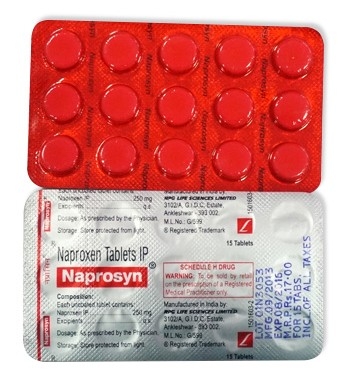
Naproxen sodium, sold as Aleve in Canada, is another over-the-counter NSAID option. This medication provides longer-lasting relief than ibuprofen, with effects lasting up to 12 hours. It's ideal for people who prefer taking fewer doses throughout the day. Naproxen is effective for menstrual cramps, headaches, and muscle aches. The recommended dose is one tablet every 8 to 12 hours, with a maximum of two tablets in a 24-hour period for the first dose.
When over-the-counter options aren't sufficient, prescription pain relievers offer stronger relief for moderate to severe pain conditions. These medications require professional medical guidance and careful monitoring.
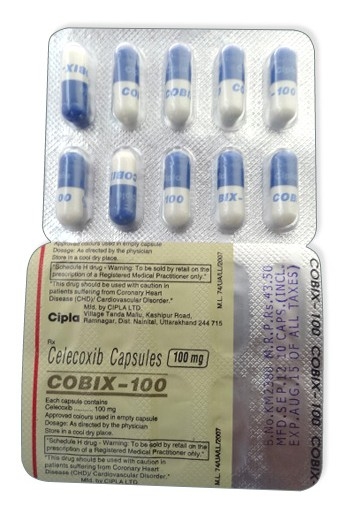
Prescription-strength non-steroidal anti-inflammatory drugs are available for patients who need more powerful anti-inflammatory effects. These include medications like meloxicam and celecoxib, which are commonly prescribed in Canada for conditions like osteoarthritis and rheumatoid arthritis. Prescription NSAIDs are typically prescribed at higher doses than their over-the-counter counterparts. They work similarly to over-the-counter NSAIDs but provide enhanced pain relief and inflammation reduction. Regular monitoring by a healthcare provider ensures these medications remain appropriate for your condition.
Opioid medications are prescribed for severe pain that doesn't respond to other treatments. Common prescription opioids in Canada include codeine, tramadol, and morphine. These powerful medications must be used exactly as prescribed due to potential risks and dependency concerns. Opioids are typically reserved for acute severe pain following surgery or injury, or for chronic pain management in specific medical conditions. Healthcare providers carefully assess patients before prescribing these medications and monitor their use closely throughout treatment.
Topical pain relief products are applied directly to the skin over the affected area, providing localized pain management without systemic effects throughout the body.
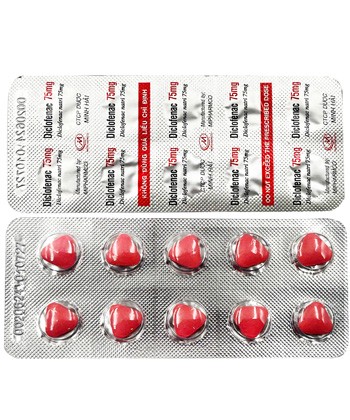
Topical pain relief creams containing ingredients like menthol, camphor, or salicylates are widely available in Canadian pharmacies. These products are excellent for localized muscle and joint pain without affecting the entire body. Popular Canadian brands include Voltaren Emulgel and Penetrex. Topical NSAIDs like diclofenac gel provide anti-inflammatory benefits directly at the pain site. These products are particularly useful for arthritis pain, sports injuries, and muscle strain. Application is typically two to four times daily directly on the affected area.
Pain relief patches deliver medication continuously through the skin for extended relief. These are especially useful for chronic pain management and provide convenience for users. Patches reduce the frequency of dosing compared to oral medications. Heat wraps and cold packs complement topical medications by providing additional symptom relief. Many Canadians combine topical solutions with other pain management strategies for optimal results.
Using pain relief medications safely requires understanding proper dosages, potential side effects, and interactions with other medications.
Selecting appropriate pain relief depends on pain type, severity, and your individual health circumstances. Always read medication labels carefully and follow dosage instructions. Consult pharmacists or doctors when uncertain about which medication suits your needs. Some people have sensitivities to certain pain relievers, making professional guidance valuable. Elderly individuals and those with certain medical conditions may need modified dosages or alternative options.
Pain medications can interact with other drugs you're taking, potentially reducing effectiveness or causing harmful effects. Inform healthcare providers about all medications, supplements, and health conditions before starting new pain relievers. Some pain medications should not be combined with blood thinners, certain blood pressure medications, or other drugs. Pregnant women and nursing mothers require special consideration when selecting pain relief options. Regular liver and kidney function monitoring may be necessary for long-term pain medication use.
Knowing when pain warrants professional medical attention ensures you receive appropriate care and identify underlying health issues.
Severe pain that suddenly appears, pain accompanied by fever or other concerning symptoms, or pain that worsens despite medication use requires medical evaluation. Persistent pain lasting more than several weeks should be assessed by a healthcare provider. If over-the-counter medications no longer provide relief, professional guidance becomes important. Allergic reactions to pain medications, including rashes, swelling, or difficulty breathing, demand immediate medical attention.
Regular communication with your doctor or pharmacist helps optimize pain management strategies. Keep records of pain patterns and medication effectiveness to share with healthcare professionals. This information helps identify the best treatment approach for your specific situation. Pharmacists in Canadian pharmacies provide valuable advice about proper medication use and potential concerns. Building a collaborative relationship with healthcare providers ensures you receive personalized, effective pain management that improves your overall quality of life.