Celebrex
Celebrex
- Available in pharmacies and via reputable online suppliers in Canada and worldwide; Celebrex (celecoxib) is officially prescription-only, but some pharmacies or online vendors may supply it without a receipt or prescription and offer discreet delivery.
- Celebrex (celecoxib) is used for osteoarthritis, rheumatoid arthritis, ankylosing spondylitis, juvenile idiopathic arthritis, acute pain (including menstrual pain) and for polyp suppression in familial adenomatous polyposis; it is a selective COX‑2 inhibitor that reduces prostaglandin synthesis to provide anti‑inflammatory and analgesic effects.
- Typical dosing varies by indication: osteoarthritis 200 mg once daily or 100 mg twice daily; rheumatoid arthritis 100–200 mg twice daily; ankylosing spondylitis 200 mg once daily or 100 mg twice daily; acute pain initial 400 mg then 200 mg if needed on day 1, then 200 mg twice daily as required; juvenile dosing is weight‑based (often ~50–100 mg twice daily); FAP dosing used in studies 400 mg twice daily (specialist supervision). Follow prescriber guidance.
- Administered orally as capsules (commonly 100 mg and 200 mg) and, in some markets (US), as an oral solution formulation (Elyxyb® 25 mg/mL) for acute migraine treatment.
- Analgesic effects often begin within about 1 hour, with noticeable relief in 1–2 hours and peak plasma effects typically within 2–3 hours.
- Duration of action is generally around 12–24 hours (half‑life ~11 hours), which supports once‑ or twice‑daily dosing depending on the indication and dose.
- Avoid heavy alcohol use; alcohol increases the risk of gastrointestinal bleeding and may worsen side effects such as stomach upset or dizziness—limit or avoid alcohol while taking celecoxib.
- The most common side effec is dyspepsia (indigestion), though headache, abdominal pain, diarrhea and edema are also frequently reported.
- Would you like to try celebrex without a prescription?
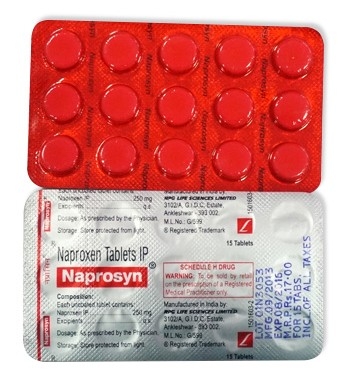
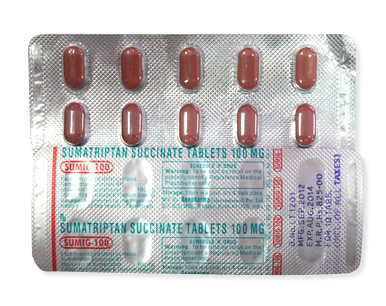
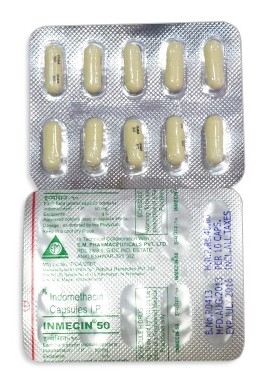
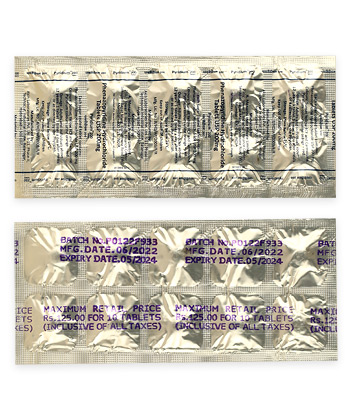
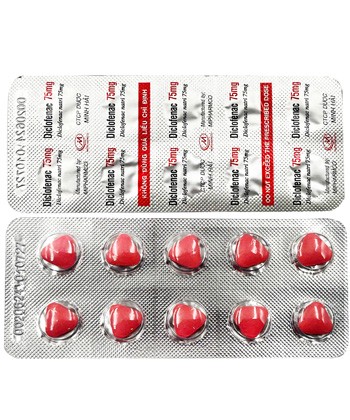
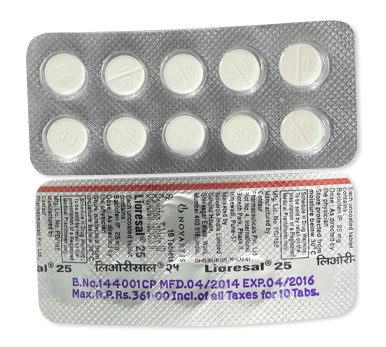
Basic Celebrex Information
- INN (International Nonproprietary Name): Celecoxib
- Brand Names Available In Canada (English): Celebrex® (capsules)
- ATC Code: M01AH01
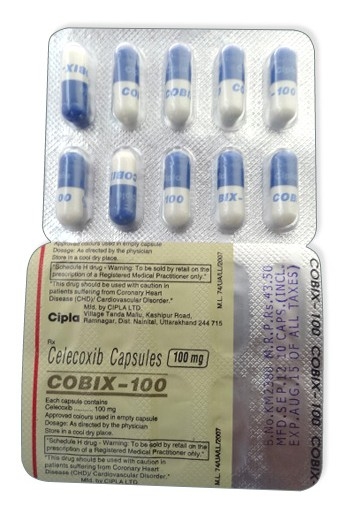
- Forms & Dosages: Capsules 100 mg and 200 mg; common package sizes include blister packs of 10, 30, 60; oral solution (25 mg/mL) available in the United States as Elyxyb® but not commonly marketed in Canada
- Manufacturers In Canada (English): Pfizer is the originator (Celebrex®); many generic manufacturers exist globally such as Teva, Mylan, Sandoz, Hikma, Cipla and Sun Pharma — availability by supplier in Canada varies and specific Canadian manufacturer listings are not specified
- Registration Status In Canada (English): Celebrex® is marketed in Canada; products sold in Canada carry regulatory approvals consistent with prescription-only status
- OTC / Rx Classification: Prescription Only (RX)
Availability & Price Landscape
Major National Pharmacy Chains (Shoppers Drug Mart, Rexall, London Drugs)
Are you wondering where to pick up celebrex near you?
Major Canadian pharmacy chains such as Shoppers Drug Mart, Rexall and London Drugs typically stock branded Celebrex® and multiple generic celecoxib products.
Stock levels vary by province and by individual store, and some locations may offer same-day pickup for commonly prescribed strengths such as 100 mg and 200 mg capsules.
Jean Coutu is commonly mentioned in Québec as a major retailer for Celebrex® and generics.
Online Pharmacy Trends In Canada (Including Provincial Restrictions)
Can an online pharmacy deliver celebrex across Canada?
Licensed Canadian online pharmacies—both chain-run and independent—offer home delivery for prescription medicines, including celecoxib, when a valid prescription is provided.
Provincial dispensing rules can affect availability and turnaround time, and some provinces have specific limitations for controlled or complex therapies that may require local dispensing.
Cross-border sourcing remains a practice for some Canadians seeking perceived savings, but importation involves legal and safety considerations and may not carry Canadian DIN protection.
Price Ranges By Package Size (With Provincial Differences)
How much will celecoxib cost me in Canada?
Prices differ widely by branded versus generic, pack size, and provincial formulary rules such as ODB, BC PharmaCare and RAMQ.
Branded Celebrex® usually carries a premium while generics from manufacturers like Apotex often undercut branded pricing by 30–70%.
Typical retail price ranges per 30-capsule pack are approximately: generics CAD $10–35, branded CAD $40–90, with provincial subsidies and special pricing affecting final patient cost.
In-store pricing versus online retail can differ slightly due to dispensing fees and delivery charges; ask a pharmacist to check DIN-specific pricing against your provincial plan.
Canadian Patient Insights & Satisfaction Levels
Forum And Review Platforms (Reddit Canada, HealthBoards, AskDocs)
What do Canadian patients actually say about celebrex?
Patient sentiment is often shared on platforms like Reddit Canada, HealthBoards and AskDocs, plus provincial Facebook health groups.
These anecdotal reports give a practical sense of benefits and access challenges experienced by Canadians using celecoxib or Celebrex®.
Reported Benefits And Challenges From Canadian Patients
Does celecoxib work well and is it easy to get?
Reported benefits include effective relief for osteoarthritis and dysmenorrhea for many patients, and some users report less stomach upset compared with non-selective NSAIDs.
Common challenges include prescription renewal hurdles, cost differences between Celebrex® and generics, and patient concerns about cardiovascular risk discussed in online threads.
- Pros: Good pain relief for osteoarthritis and menstrual pain; often better GI tolerance for some patients.
- Cons: Access delays in rural areas, variable stock across stores, and concerns around long-term CV and renal monitoring.
“My pharmacist switched me to the generic and the pain relief was the same, but my co-pay dropped,” reads a typical patient quote on provincial forums.
Patient experience data remain anecdotal but useful for setting real-world expectations about celebrex affordability and access in Canada.
Product Overview & Brand Variants
INN And Brand Names Used In Canada
Which names will you see on the label?
The International Nonproprietary Name (INN) is celecoxib and the primary brand sold in Canada is Celebrex® in capsule form.
Multiple generics labelled simply as celecoxib are also available depending on provincial procurement and supplier agreements.
Legal Classification Under Health Canada
Is celecoxib prescription-only in Canada?
Yes, celecoxib is classified as prescription-only (RX) in Canada and marketed products carry regulatory oversight consistent with that classification.
Capsule strengths commonly marketed are 100 mg and 200 mg, packaged in blister packs of 10, 30 or 60.
For product pages, include DIN, supplier, strength and pack size and note interchangeability when a generic DIN is available.
Forms And Strengths
- Capsule: 100 mg, 200 mg — blisters of 10, 30, 60.
- Oral Solution: 25 mg/mL (Elyxyb®) — available in the United States; not commonly marketed in Canada.
Indications In Local Canadian Medical Practice
Approved Uses (Health Canada DIN Context)
What conditions is celecoxib approved to treat in Canada?
Health Canada–aligned indications mirror international labels and include osteoarthritis, rheumatoid arthritis, ankylosing spondylitis, acute pain, dysmenorrhea and juvenile idiopathic arthritis for children aged two years and older.
Specialist use for familial adenomatous polyposis (FAP) is reserved for specialist guidance and documented in product monographs linked to DINs.
Off-Label Patterns In Canadian Healthcare
Are there off-label uses Canadian prescribers sometimes follow?
Clinicians sometimes use celecoxib selectively for certain chronic pain syndromes or as part of perioperative multimodal pain protocols when institutional formularies permit.
Off-label use should be clinician-directed and account for formulary coverage, patient CV and GI risk factors, and monitoring needs.
How It Works In The Body
Layman’s Explanation (Canadian Patient-Friendly Tone)
How does celecoxib relieve pain without upsetting your stomach as much?
Celecoxib selectively blocks the COX‑2 enzyme that helps create prostaglandins responsible for pain and inflammation in joints and tissues.
Because it targets COX‑2 more than COX‑1, it can reduce pain and swelling with a lower chance of some stomach side effects compared with older non-selective NSAIDs for some patients.
Clinical Detail From Health Canada Resources
What’s the pharmacology in brief?
Classified under ATC code M01AH01, celecoxib is a selective COX‑2 inhibitor designed to spare COX‑1–mediated gastric protection to some extent.
Clinical monographs emphasise proven efficacy in musculoskeletal pain and the need to monitor cardiovascular and renal function because COX‑2 selectivity alters risk profiles.
Dosage & Administration
Standard Regimens Per Canadian Guidelines
What dose should you expect to be prescribed?
Standard dosing from product monographs is as follows: for osteoarthritis 200 mg once daily or 100 mg twice daily.
Rheumatoid arthritis dosing commonly ranges from 100–200 mg twice daily and ankylosing spondylitis generally follows 100–200 mg daily dosing options.
For acute pain and dysmenorrhea an initial 400 mg dose followed by 200 mg as needed on day 1, then 200 mg twice daily as needed, is typical.
Adjustments By Patient Type (With Canadian Clinical Notes)
Who needs dose changes or extra monitoring?
Elderly patients should start at the lowest effective dose, and moderate hepatic impairment warrants a 50% reduction of the initial dose with avoidance in severe liver disease.
Use caution in renal impairment and avoid celecoxib in severe renal dysfunction.
Children with juvenile idiopathic arthritis receive weight-based dosing from age two and up under specialist guidance.
Contraindications & Side Effects
Common (Health Canada-Approved List)
Who should not take celecoxib?
Absolute contraindications include known allergy to celecoxib or sulfonamides, aspirin- or NSAID-induced asthma or urticaria, use during pregnancy (particularly third trimester), and active GI bleeding or peptic ulcer disease.
Common side effects include dyspepsia, abdominal pain, diarrhea, nausea, headache, dizziness, rash, hypertension and oedema.
Rare But Serious (With Canadian Pharmacovigilance Data)
What rare risks should patients watch for?
Rare but serious adverse events include serious cardiovascular events such as myocardial infarction or stroke, severe hepatic injury, serious skin reactions and gastrointestinal bleeding or perforation.
Patients should seek urgent care for symptoms like chest pain, severe abdominal pain, jaundice or severe rash and should discuss personal CV and renal risk factors with their prescriber and pharmacist.
Comparable Medicines In Canada
Alternatives Table (With DIN References)
What other medicines might clinicians consider instead of celecoxib?
| INN | Common Brand | Typical Strengths | Pros/Cons |
|---|---|---|---|
| Ibuprofen | Advil®, Nurofen® | 200 mg, 400 mg, 600 mg | Pros: inexpensive, widely available. Cons: higher GI risk with long-term use. |
| Naproxen | Aleve® | 220 mg, 500 mg | Pros: longer dosing interval. Cons: GI and renal risks similar to other non-selective NSAIDs. |
| Diclofenac | Voltaren® | 25 mg, 50 mg | Pros: effective for inflammation. Cons: GI and CV risk considerations; topical options available. |
| Etoricoxib | Arcoxia® (where available) | Various strengths | Pros: COX‑2 selective alternative. Cons: availability and provincial formulary listings vary. |
Pros And Cons List
- Non-Selective NSAIDs: Cheap and effective but higher GI risk for vulnerable patients.
- Celecoxib: Lower GI risk in many patients but nuanced cardiovascular and renal risk profile.
- Other Coxibs: Similar trade-offs; availability and formulary coverage vary by province.
Current Research & Trends
Major Canadian Or International Studies 2022–2025
What is new in celecoxib research?
Recent international research continues to refine the risk–benefit balance of COX‑2 inhibitors, focusing on cardiovascular outcomes and stratified patient risk.
Canadian real-world studies using provincial health databases are increasingly used to compare hospitalisation rates for GI bleeding or cardiovascular events among celecoxib versus other NSAID users.
Pharmacoeconomic work in Canada examines cost-effectiveness of branded versus generic celecoxib under different provincial drug plans.
These trends support personalised prescribing and low-dose strategies for chronic osteoarthritis where appropriate.
Common Patient Questions In Canada
Is Celebrex Covered By Provincial Plans?
Will my provincial plan pay for Celebrex®?
Coverage depends on whether the product dispensed is branded or generic and on specific provincial formulary rules such as the Ontario Drug Benefit (ODB), BC PharmaCare and RAMQ in Québec.
Generics are more likely to be listed and tolerated by public plans.
Can I Switch To A Generic Safely?
Is a generic celecoxib just as good?
Generic celecoxib products approved for sale meet Canadian bioequivalence standards and pharmacists commonly substitute generics when permitted by the prescriber or provincial regulations.
Discuss any formulation sensitivities or previous reactions with your pharmacist before switching.
What About Cardiovascular Risk?
Should I worry about heart risk on celecoxib?
COX‑2 inhibitors have a nuanced cardiovascular risk profile and individual factors such as prior heart disease, stroke or uncontrolled hypertension matter when choosing therapy.
Discuss baseline risk assessment and regular blood pressure monitoring with your prescriber.
Regulatory Status
Health Canada Approval Process
How is celecoxib regulated in Canada?
Celecoxib products are reviewed through Health Canada regulatory pathways and marketed products carry product monographs describing approved indications, dosing and safety information.
Labels and monographs are the primary reference documents for prescribers and pharmacists when dispensing.
DIN Number Relevance
Why does the DIN matter on the bottle?
Each marketed formulation and pack size has a Drug Identification Number (DIN) which links to the specific product monograph, manufacturer and packaging details used for dispensing and formulary checks.
For patient safety and coverage, display the DIN on product pages and on dispensing records.
Visual Recommendations
Infographic Ideas For Canadian Context
What visuals help patients quickly understand celecoxib?
Create an infographic summarising approved indications, typical doses (100 mg and 200 mg), and key warnings such as allergy to sulfonamides, pregnancy and cardiovascular risk.
Include province-specific icon markers for formulary notes and a COX‑1 versus COX‑2 illustration to show mechanism differences.
Image And Table Assets For Product Pages
Which assets work best on mobile and desktop?
Use a clear comparison table for branded versus generic pricing, a dosing chart, and a downloadable PDF of the product monograph excerpt.
All images should include descriptive alt text and DIN callouts for accessibility and regulatory clarity.
Buying & Storage Advice
In-Store Vs. Online Canadian Purchase Tips
Where should Canadians buy celebrex?
Always use a Canadian-licensed pharmacy and a valid prescription for celecoxib purchases.
In-store purchases give immediate pharmacist counselling and assistance with provincial formularies.
Online pharmacies provide convenience and home delivery but confirm licensure, prescription requirements and expiry/return policies before ordering.
In our online pharmacy, celebrex is available without a prescription, with discreet delivery to Canada (English) in 5-14 days.
Proper Storage With Canadian Climate Considerations
How should celecoxib be stored across Canada?
Store celecoxib below 25°C (77°F) in a dry place and keep it in its original packaging to protect from moisture.
Avoid storing medicines in bathrooms or near heat sources, especially in humid coastal regions like British Columbia or during hot prairie summers.
Dispose of expired or unused medicines through community drug take-back programs at pharmacies.
Guidelines For Proper Use
Canadian Doctor/Pharmacist Advice Style
How should celecoxib be used safely?
Use the lowest effective dose for the shortest duration necessary and report prior NSAID reactions or sulfonamide allergies before starting therapy.
Tell your healthcare team about all other medications, supplements and alcohol use to prevent interactions and additive side effects.
Monitoring And Follow-Up Recommendations
What tests and follow-up should patients expect?
Baseline assessment should include blood pressure and renal and liver function tests for patients expected to use celecoxib long-term.
Follow-up timing varies by patient risk but a typical schedule is reassessment at 1–3 months after initiation and then periodically as clinically indicated.
Women planning pregnancy should stop celecoxib and consult their prescriber prior to conception.
Delivery Across Canada (English)
| City | Region | Delivery Time |
|---|---|---|
| Toronto | Ontario | 5-7 days |
| Vancouver | British Columbia | 5-7 days |
| Montreal | Québec | 5-7 days |
| Calgary | Alberta | 5-7 days |
| Edmonton | Alberta | 5-7 days |
| Ottawa | Ontario | 5-7 days |
| Winnipeg | Manitoba | 5-7 days |
| Halifax | Nova Scotia | 5-9 days |
| Victoria | British Columbia | 5-9 days |
| Saskatoon | Saskatchewan | 5-9 days |
| Regina | Saskatchewan | 5-9 days |
| London | Ontario | 5-9 days |
| Hamilton | Ontario | 5-9 days |
| St. John's | Newfoundland and Labrador | 5-9 days |
| Kelowna | British Columbia | 5-9 days |