
Permethrin
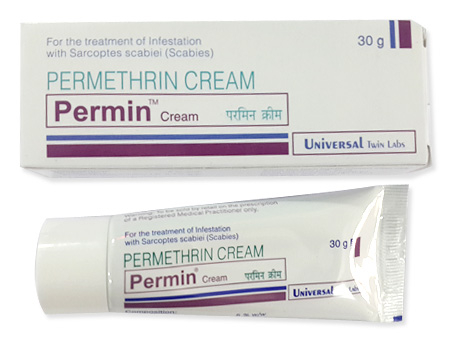
Permethrin
- In many Canadian pharmacies and online stores you can buy permethrin without a prescription for over‑the‑counter 1% lice products (eg, Nix); however, the 5% cream used for scabies is prescription-only in many countries and may require a prescription depending on local regulations.
- Permethrin is used to treat scabies and head lice; it is a synthetic pyrethroid that acts on parasite nerve membranes by prolonging the opening of voltage‑gated sodium channels, causing paralysis and death of mites and lice.
- Usual dosages: for scabies adults and children ≥12 years a full tube (eg, 30–60 g) of 5% cream applied head‑to‑toe and left on 8–14 hours (repeat in 7 days if live mites persist); for head lice use 1% lotion/cream, apply to washed hair to saturate, leave ~10 minutes, then rinse and repeat after 7 days if needed; paediatric dosing reductions apply (see product label) and do not use in infants <2 months.
- Form of administration: topical only — cream (5%), lotion (1%), spray (0.25–0.5%) and lice treatment kits; for external use on skin or hair only (not for ingestion or ocular use).
- Onset time: permethrin begins killing lice and mites within minutes to hours after application; clinical symptom relief (itching) may take several days and pruritus can persist for up to 2 weeks despite parasite eradication.
- Duration of action: residual pediculicidal/acaricidal activity on skin or hair lasts for several days; because eggs may survive, a repeat treatment at about 7 days is commonly recommended to eliminate newly hatched lice or persisting mites.
- Alcohol warning: there is no known adverse interaction with oral alcohol, but avoid applying alcohol‑based products to treated skin or hair until after the product is rinsed off; do not ingest and avoid smoking or open flames near aerosol sprays.
- The most common side effec is local skin irritation — burning, stinging, redness, itching or mild swelling at the application site (numbness or tingling and rarely headache or dizziness can also occur).
- Would you like to try permethrin without a prescription?
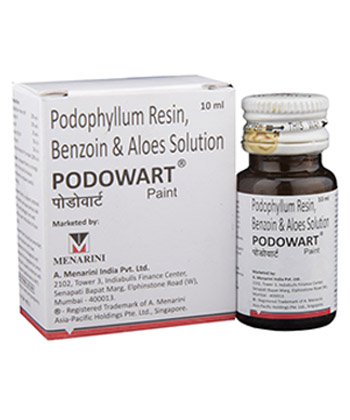
Basic Permethrin Information
- INN (International Nonproprietary Name): Permethrin.
- Brand Names Available In Canada (English): Nix (cream rinse 1%, lice kit) is listed as available in Canada; other global brands such as Acticin, Lyclear and Elimite are noted in source data but their availability in Canada is not specified.
- ATC Code: P03AC04.
- Forms & Dosages: Cream 5% for scabies, lotion/cream rinse 1% for head lice, sprays at 0.25%–0.5% and combination lice kits.
- Manufacturers In Canada (English): not specified.
- Registration Status In Canada (English): Permethrin is widely registered internationally for topical treatment of scabies and lice and is available both as OTC and prescription products depending on concentration; Health Canada regulatory specifics and Drug Identification Numbers (DINs) apply to marketed products.
- OTC / Rx Classification: Most 1% lice formulations are OTC and 5% scabies cream is treated as prescription (Rx) in many jurisdictions.
Availability & Price Landscape
Major National Pharmacy Chains
Canadians often ask which stores carry permethrin products and how easy it is to find them locally.
Major chains such as Shoppers Drug Mart and Rexall stock 1% lice kits like Nix and sometimes generics, making OTC access straightforward for head lice treatment.
London Drugs carries Nix in Western Canadian stores where it operates, and Jean Coutu is a common retailer in Quebec for lice products.
Five-percent scabies cream (the 5% formulation) commonly requires a prescription and is dispensed through retail pharmacies or clinic dispensaries rather than as a floor-stock OTC item.
| Chain | Typical Availability |
|---|---|
| Shoppers Drug Mart | Nationwide availability of 1% lice kits such as Nix; 5% scabies cream available with prescription. |
| Rexall | Nationwide availability of 1% lice kits; prescription-only supply for 5% creams. |
| London Drugs | Western Canada (BC, AB, SK, MB) stocks 1% Nix and generics; 5% cream on prescription. |
| Jean Coutu | Quebec-focused availability of 1% lice kits; 5% cream via prescription. |
Tips:
- Ask the pharmacist for 1% Nix or store generics if you want an OTC lice product quickly.
- Expect to provide or obtain a prescription for the 5% scabies cream if immediate access is required.
- Call ahead during evenings and weekends to confirm stock, especially for 5% cream.
Online Pharmacy Trends In Canada
Online shopping for permethrin is common in Canada for convenience and price comparison.
Licensed Canadian e-pharmacies and provincial drug program portals sell 1% OTC kits directly online without a prescription.
Retail online pharmacies will sell 5% scabies cream but usually require an uploaded prescription or pharmacist assessment before dispatch.
Some provinces have regulatory guidance limiting shipment of certain concentrations or requiring pharmacist-mediated supply; check your provincial pharmacy college guidance for local rules.
Cross-border purchases from US vendors are still used by some Canadians seeking lower prices, but this raises questions about DIN coverage, authenticity and customs import rules.
Price Ranges By Package Size (With Provincial Differences)
Typical price expectations help patients budget for treatment.
| Product | Typical Canadian Price Range (CAD) | Provincial Notes |
|---|---|---|
| Permethrin 1% Lice Kit (Nix or generic) | $12 – $30 | Generally similar across provinces; available OTC at retail and online pharmacies. |
| Permethrin 5% Scabies Cream (30g–60g) | $40 – $120 | Price varies by tube size and brand; many provincial drug plans may provide coverage with criteria or exceptional access. |
Provincial drug plans such as Ontario Drug Benefit, BC PharmaCare and RAMQ may cover scabies treatment under specific formulary rules or exceptional access processes, so check plan details in your province before purchasing.
Canadian Patient Insights & Satisfaction Levels
Forum And Review Platforms
People in Canada commonly turn to Reddit Canada, HealthBoards, provincial Facebook groups and AskDocs for real-world experience and quick advice about permethrin products.
These forums provide practical tips on application, household control and dealing with access delays for 5% cream.
Reported Benefits And Challenges From Canadian Patients
Users report predictable outcomes when products are applied correctly, and consistent frustrations when steps are missed or access is delayed.
- Top patient tips: treat close contacts at the same time, launder bedding in hot water or seal items for 72 hours, check and repeat treatment on day 7, and consult a pharmacist for scabies advice.
- Common pitfalls: insufficient contact time for scabies cream, skipping retreatment for lice, and accidental use of veterinary permethrin (dangerous and strongly warned against).
- Price and access: mixed experiences—1% OTC kits are easy to buy while 5% cream sometimes requires a prescription and leads to delays or extra visits.
Satisfaction signals:
Most users rate OTC 1% kits favourably for ease of use and rapid symptomatic relief in head lice cases.
Scabies patients often report clearance after one application of 5% cream when used head-to-toe and left for the recommended time, and many value pharmacist counselling during that treatment process.
Product Overview & Brand Variants
INN And Brand Names Used In Canada
Permethrin is the International Nonproprietary Name used globally.
In Canadian retail the 1% lice product Nix (cream rinse) is commonly encountered and is the principal named product listed as available in Canada in the source data.
Other global brands identified in the data include Acticin, Lyclear, Elimite and regional labels, though their Canadian market presence is not specified.
Legal Classification Under Health Canada
Permethrin is classified under ATC P03AC04 as a pyrethroid ectoparasiticide.
Most 1% formulations intended for head lice are OTC items, while 5% formulations intended for scabies are treated as prescription products in many jurisdictions and require a prescriber’s order or pharmacist-mediated supply depending on provincial scope.
Always verify the product’s Drug Identification Number (DIN) on the package before purchasing to confirm Health Canada registration.
Indications In Local Canadian Medical Practice
Approved Uses (Health Canada DIN Context)
Permethrin is used for two principal, evidence-backed indications in Canada: scabies and pediculosis capitis (head lice).
For scabies the 5% cream is applied across the body per label directions; for head lice the 1% cream rinse or lotion is applied to hair and rinsed after the recommended contact time.
Products holding a DIN will list labelled indications used by clinicians and pharmacists for dispensing and reimbursement decisions.
Off-Label Patterns In Canadian Healthcare
Off-label use is infrequent but occurs under clinical discretion for body lice or in institutional outbreak management when other options are unsuitable.
Public health units and clinics may supply 5% cream in outbreak settings or to groups with limited access, following local guidance.
Use in neonates under 2 months is contraindicated and not supported by safety data.
How It Works In The Body
Layman’s Explanation
Permethrin is a topical insecticide that acts on lice and mites by disrupting their nerve cell sodium channels, causing paralysis and death of the parasite.
It works locally on the skin or hair and is not intended to act systemically when applied as directed.
Minimal absorption through intact human skin means the therapeutic effect is focused on the parasites rather than the person’s internal organs.
Clinical Detail From Health Canada Resources
Permethrin is a pyrethroid classified under ATC P03AC04 and is known for rapid action against ectoparasites with low systemic absorption.
For scabies, the labelled regimen usually requires full body application and adequate contact time (8–14 hours) for optimal effect.
Most adverse events reported in pharmacovigilance systems are local skin reactions rather than systemic toxicity.
Dosage & Administration
Standard Regimens Per Canadian Guidelines
Scabies regimen: apply 5% permethrin cream from the neck to the soles for adults and older children, or head-to-toe for infants and young children, and leave on for 8–14 hours before washing off.
Repeat the scabies application in 7 days if live mites are seen or symptoms persist.
Head lice regimen: apply 1% cream rinse to washed hair, saturate the hair and scalp, leave on for about 10 minutes, then rinse thoroughly.
Repeat head lice treatment after 7 days if live lice or viable nits are found.
Adjustments By Patient Type (With Canadian Clinical Notes)
Recommended tube usage by age (typical guidance): adults and adolescents 12+ may need a full 30–60 g tube for scabies.
Children 6–12 years: up to half a tube.
Children 1–5 years: about one-quarter tube.
Infants 2 months–1 year: up to one-eighth tube; do not use in neonates under 2 months.
No routine dose adjustment is required for elderly or for hepatic/renal impairment because systemic absorption is minimal, but monitor skin integrity and absorption risk if skin is inflamed.
Contraindications & Side Effects
Common (Health Canada-Approved List)
Absolute contraindications include known hypersensitivity to permethrin, synthetic pyrethroids, or any excipients listed on the product label.
Safety has not been established in neonates under 2 months, so avoid use in that age group.
Relative contraindications include severely inflamed or weeping skin where absorption could be increased and ragweed allergy which may warrant caution.
Rare But Serious (With Canadian Pharmacovigilance Data)
Common side effects are local and mild and include burning, stinging, pruritus, redness and temporary numbness or tingling at the application site.
Rare systemic events such as severe tremors or seizures are chiefly associated with accidental ingestion, inappropriate use of highly concentrated veterinary products, or massive exposure rather than correct topical use.
Advise patients to seek emergency care for ingestion or severe neurological symptoms and to avoid veterinary permethrin formulations entirely for human use.
Comparable Medicines In Canada
Alternatives Table (With DIN References)
| Alternative | Route | Pros | Cons | DIN Example |
|---|---|---|---|---|
| Malathion | Topical | Effective for some permethrin-resistant lice. | May have strong odour and some formulations require prescription; flammability concerns in certain formulations. | not specified |
| Crotamiton | Topical | Alternative scabicide in some settings. | Variable efficacy; availability may be limited. | not specified |
| Ivermectin | Oral | Useful in outbreaks and for patients who cannot use topical therapy. | Requires prescriber approval and has contraindications; not first-line in all cases. | not specified |
| Lindane | Topical | Historically used. | Less favoured due to toxicity concerns; restricted use. | not specified |
Pros And Cons List
Permethrin advantages: well-studied efficacy, low systemic absorption, and OTC access for 1% lice kits.
Permethrin disadvantages: resistance is reported in some lice populations, retreatment is often necessary, and 5% cream commonly requires a prescription.
Alternatives such as malathion may work for resistant lice but can have acceptance issues related to smell and formulation properties.
Current Research & Trends
Major Canadian Or International Studies 2022–2025
Recent research continues to monitor permethrin efficacy amid rising reports of lice resistance driven by sodium channel gene mutations.
Comparative trials have explored topical insecticide-free options and oral ivermectin for community outbreaks, with practical focus on adherence and environmental control.
Canadian public health surveillance and dermatology groups publish cluster investigations highlighting the need to treat contacts and environmental measures to reduce re-infestation.
Pharmacist-managed scabies care pathways and telehealth assessment followed by pharmacy-dispensed 5% cream are increasing in interest as access models evolve.
Common Patient Questions In Canada
Can I buy permethrin OTC?
Yes — 1% lice products are typically sold OTC, while 5% scabies cream usually requires a prescription or pharmacist-authorised supply depending on the province.
How long until relief?
Itching can persist for days after parasites are killed; true treatment failure is the presence of live mites or live lice after the retreatment interval.
Can I use veterinary permethrin?
No — veterinary formulations are concentrated differently and are unsafe for human use.
Do provincial drug plans cover it?
Some plans cover scabies treatment under formularies or exceptional access criteria; check Ontario Drug Benefit, BC PharmaCare and RAMQ for specifics.
Is cross-border buying safe?
Cross-border purchases can offer lower prices but may lack a Canadian DIN and carry importation and authenticity risks.
Regulatory Status
Health Canada Approval Process
Human medicinal permethrin products are regulated through Health Canada processes, and approved products carry a Drug Identification Number (DIN).
The DIN confirms that Health Canada has evaluated the product’s formulation and labelling for the intended uses documented on the label.
DIN Number Relevance
Verify the product DIN on the label before purchasing to ensure the formulation and indications match what Health Canada has approved.
Products imported without a DIN have not undergone the same Health Canada market review and should be purchased with caution.
Visual Recommendations
Infographic Ideas For Canadian Context
Suggested visuals that help shoppers and clinicians include a step-by-step infographic for scabies 5% application and for lice 1% application showing timing and retreatment day 7.
Provide a simple comparison table image for 1% versus 5% formulations showing indication, OTC/Rx status and typical tube sizes.
Include a provincial access map that highlights where pharmacist-initiated supply is permitted and link to provincial formularies such as Ontario Drug Benefit, BC PharmaCare and RAMQ.
Add a safety banner visual that warns against veterinary permethrin and shows emergency contact icons for ingestion or severe reactions.
Include a quick DIN and label checklist visual reminding customers to confirm strength, DIN and expiry before use.
Buying & Storage Advice
In-Store Vs. Online Canadian Purchase Tips
In-store purchases provide immediate access and face-to-face pharmacist counselling, which is especially useful for scabies prescriptions or when treating young children.
Licensed Canadian online pharmacies are convenient and safe when they clearly display a Canadian licence and show the product DIN on the product page.
Be cautious with third-party marketplaces or cross-border sellers that do not display a DIN or Canadian licence.
In our online pharmacy, permethrin is available without a prescription, with discreet delivery to Canada (English) in 5-14 days.
Proper Storage With Canadian Climate Considerations
Store permethrin at room temperature, ideally between 20–25°C (68–77°F), protected from light and moisture.
Avoid leaving product in a cold car during winter where it could freeze or in a hot car during summer which could degrade the formulation.
Keep permethrin out of reach of children and dispose of used tubes according to local household waste guidance rather than pouring large quantities down drains.
Guidelines For Proper Use
Canadian Doctor/Pharmacist Advice Style
Confirm the diagnosis as scabies or lice before recommending a specific regimen and review any known allergies to pyrethroids.
For scabies prescribe 5% cream applied head-to-toe for adults and older children, or head-to-toe for infants where indicated, left on for 8–14 hours, and repeat in 7 days if live mites persist.
For head lice use a 1% cream rinse on washed hair, saturate the scalp and hair, leave for about 10 minutes then rinse and repeat after 7 days if needed.
Treat household contacts at the same time, launder bedding and clothing on a hot cycle or store in sealed bags for 72 hours, and advise patients not to use veterinary products.
If live mites or lice persist after a correctly followed retreatment, consider alternative agents such as malathion or oral ivermectin and involve public health for institutional outbreaks.
A printable checklist for patients should include product name and strength, application steps, retreatment date, household control steps and follow-up instructions.
Delivery Across Canada (English)
| City | Region | Delivery Time |
|---|---|---|
| Toronto | Ontario | 5-7 days |
| Montreal | Quebec | 5-7 days |
| Vancouver | British Columbia | 5-7 days |
| Calgary | Alberta | 5-7 days |
| Edmonton | Alberta | 5-7 days |
| Ottawa | Ontario | 5-7 days |
| Winnipeg | Manitoba | 5-7 days |
| Quebec City | Quebec | 5-7 days |
| Halifax | Nova Scotia | 5-9 days |
| Victoria | British Columbia | 5-9 days |
| Saskatoon | Saskatchewan | 5-9 days |
| Hamilton | Ontario | 5-7 days |
| Kitchener | Ontario | 5-7 days |