Podofilm
Podofilm
- In our pharmacy, you can buy podofilm without a prescription, with delivery in 5–14 days throughout Canada (English). Discreet and anonymous packaging; note that in many countries podophyllotoxin/podophyllum resin products are normally prescription-only, so local regulations may vary.
- Podofilm is used to treat external warts (including genital, anal and plantar warts). The active ingredient (podophyllotoxin/podophyllum resin) is an antimitotic agent that disrupts microtubule function and causes mitotic arrest and local cell death of wart tissue.
- Usual dosages: for podophyllotoxin 0.5% gel/cream—self‑apply twice daily for 3 days then 4 days off, repeat up to 4 cycles; for podophyllum resin solutions (10–25%)—professional application, typically once weekly with the resin washed off after 1–4 hours, up to about 6 weeks.
- Form of administration is topical only: podophyllotoxin 0.5% gels/creams in tubes for patient self‑application, and podophyllum resin topical solutions (10–25%) in dropper vials for healthcare professional application.
- Onset time: local irritation often occurs within hours; visible reduction of wart tissue commonly begins within 1–2 weeks, though some lesions may take several weeks to respond.
- Duration of action: treatment courses run up to 4 cycles (approximately 4–6 weeks) with clinical effect maintained until wart resolution; recurrence is possible and do not exceed 6 weeks of continuous use.
- Alcohol warning: there is no specific interaction expected with occasional alcohol use, but avoid alcohol if you develop systemic symptoms of toxicity; do not use podofilm in pregnancy (teratogenic) and avoid heavy alcohol if you have liver disease or are taking other hepatotoxic medicines.
- Most common side effec: local burning, redness, itching, pain, swelling and occasional erosion or ulceration at the application site; systemic toxicity is rare but possible with excessive or large‑area use.
- Would you like to try podofilm without a prescription?
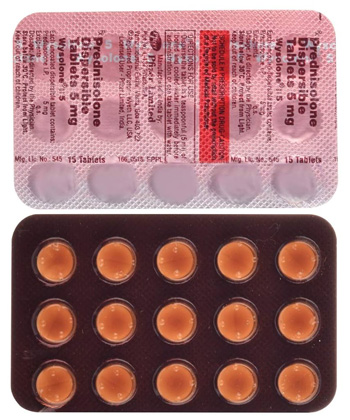
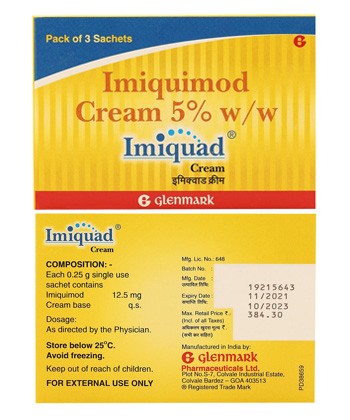
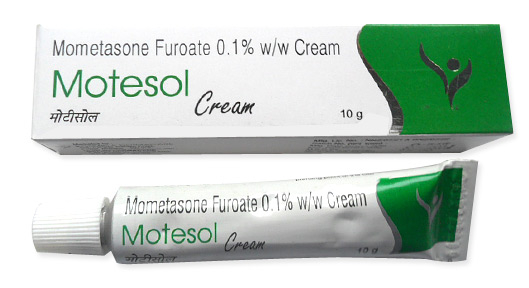
Basic Podofilm Information
- INN (International Nonproprietary Name): Podophyllotoxin; Podophyllum Resin (Podophyllin).
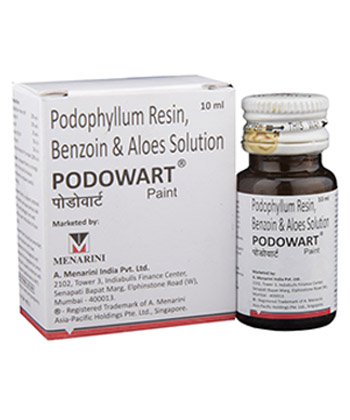
- Brand Names Available In Canada (English): Not specified in public data for Canada; international brands include Condyline, Warticon, Podofilox, Podowart, Podocon-25 and similar formulations.
- ATC Code: D06BB04 (Podophyllotoxin / Podophyllum Resin Topical).
- Forms & Dosages: Topical solution (resin) commonly 10%, 20%, 25% in 3–10 mL vials; topical cream/gel (podophyllotoxin) 0.5% in 3–5 g tubes.
- Manufacturers In Canada (English): No specific Canadian manufacturers listed in the provided data; worldwide suppliers include Meda, Glenmark, Himalaya, Taro, Mylan, Dr. Reddy’s; regional suppliers include Antibiotice Iași and Terapia for Podowart.
- Registration Status In Canada (English): Not specified in the provided data; internationally, Condyline/Podofilox are authorised in EU/UK and other jurisdictions, Podowart is registered in Romania, and some resin solutions are marketed in the USA/Asia.
- OTC / Rx Classification: Prescription (Rx) only in most jurisdictions due to toxicity and teratogenic risk; not an over-the-counter medicine except rare low-concentration exceptions in some markets.
Availability & Price Landscape
Major National Pharmacy Chains (Shoppers Drug Mart, Rexall, London Drugs)
Canadians frequently ask whether podofilm or similar wart removers are stocked locally and how to get them quickly.
Podophyllotoxin and podophyllum resin products are generally prescription-only in Canada, and physical availability at Shoppers Drug Mart, Rexall, London Drugs and regional chains such as Jean Coutu and London Drugs depends on local stock and pharmacist ordering policies.
- Shoppers Drug Mart: May stock podophyllotoxin 0.5% gel by special order; call the local store to check DIN or brand stock.
- Rexall: Availability varies by location; pharmacists can often order Condyline/Podofilox equivalents or source resin under clinical direction.
- London Drugs / Jean Coutu: Regional policies differ; contact the pharmacist and ask for DIN or brand (Condyline/Podofilox/Podowart) to confirm stock.
Ask your pharmacist to check the DIN or exact brand name to confirm whether a product on the shelf matches the 0.5% podophyllotoxin gel or a stronger podophyllum resin solution.
Online Pharmacy Trends In Canada (Including Provincial Restrictions)
Many Canadians now compare in-store access with e-pharmacy convenience and the risks that come with cross-border buys.
| Purchase Route | Typical Requirements | Risks |
|---|---|---|
| In-Store Canadian Pharmacies | Prescription required; pharmacist counselling available | Depends on local stock; may require order or clinic visit for resin |
| Licensed Canadian E-Pharmacies | E-prescription usually required; provincial rules apply | Safer DIN-verified products but watch shipping times and provincial restrictions |
| Cross-Border/International E-Shops | Often ship without Canadian DIN | Risk of unlabelled concentrations (resin 10–25% vs 0.5% gel), customs seizure, unknown excipients |
Health Canada cautions that imported non‑DIN products may have variable concentrations and packaging, and customs can seize or delay shipments.
Price Ranges By Package Size (With Provincial Differences)
Price is highly variable depending on form, volume and whether a product is DIN-listed.
| Form | Typical Size | Approximate Price Range (CAD) |
|---|---|---|
| Podophyllotoxin 0.5% Gel/Cream | 3–5 g tube | $60–$180 depending on brand and province |
| Podophyllum Resin Solution | 3–10 mL vial (10–25%) | $80–$300+ depending on concentration and import status |
| Clinic-Administered Resin (per visit) | Single application | Clinic fees vary by province and facility; additional to drug cost |
Provincial drug formularies differ: Ontario Drug Benefit, BC PharmaCare and RAMQ may cover specific DIN-listed topical wart treatments when listed; ask your pharmacist for exact pricing and DIN-listed alternatives.
Canadian Patient Insights & Satisfaction Levels
Forum And Review Platforms (Reddit Canada, HealthBoards, AskDocs)
Patients commonly turn to online forums to share experiences when access is limited or pharmacy stock is unclear.
Canadian users on Reddit (r/Canada, r/sexhealth), HealthBoards and provincial patient forums report challenges getting prescriptions and confusion over resin versus 0.5% gel formulations.
Sentiment across posts is mixed: many note effectiveness but also frequent irritation and difficulty sourcing the correct formulation.
Reported Benefits And Challenges From Canadian Patients
What do Canadians say helps, and what trips people up?
- Benefits
- Visible wart reduction reported with podophyllotoxin 0.5% gel when used on the 3 days on/4 days off cycle.
- Challenges
- Local burning and irritation; scheduling clinic visits for resin application; pharmacy insistence on a prescription; some purchase imported Podowart or Podofilină to get a preferred preparation.
Product Overview & Brand Variants
INN And Brand Names Used In Canada
Searchers often try “Podofilm” or international brand names when checking availability.
| INN | Common Brand Names | Typical Concentrations |
|---|---|---|
| Podophyllotoxin | Condyline, Warticon, Podofilox (international) | 0.5% gel/cream |
| Podophyllum Resin / Podophyllin | Podowart, Podocon-25, Pododerm (international) | 10%–25% solutions; 20% common in some markets |
In Canada, imported brands may be dispensed under generic podophyllotoxin or by brand if authorised; always ask for the DIN or product name to be sure.
Legal Classification Under Health Canada
Patients should know how Health Canada treats these products.
- ATC classification is D06BB04 for topical podophyllotoxin/podophyllum resin.
- These medications are typically prescription-only in Canada because of toxicity and teratogenicity concerns.
- Verify Canadian DIN; a product without a DIN should prompt pharmacist verification before purchase or use.
Indications In Local Canadian Medical Practice
Approved Uses (Health Canada DIN Context)
| Indication | Formulation |
|---|---|
| External Genital/Anal Warts | Podophyllotoxin 0.5% self‑applied; resin applications by clinician |
| Some Practitioner-Applied Warts | Podophyllum resin 10–25% applied in clinic |
Health Canada uses DIN to confirm approved formulations and labelling; podophyllotoxin 0.5% gel for self-application and resin for professional application are standard regimens in practice.
Off-Label Patterns In Canadian Healthcare
- Off‑label use is uncommon but may include plantar or atypical cutaneous warts when other options fail.
- Resin is usually restricted to clinic use because of higher irritancy and systemic risk.
- Physicians document rationale and obtain informed consent for off-label or higher-risk applications due to teratogenicity and toxicity concerns.
How It Works In The Body
Layman’s Explanation (Canadian Patient-Friendly Tone)
Patients want a simple explanation: how does the medicine make warts disappear?
Podophyllotoxin works by stopping wart cells from dividing, causing treated wart tissue to break down over days to weeks.
Podophyllotoxin binds to microtubules in the cell and causes mitotic arrest, which leads the wart tissue to slough off.
Podophyllum resin contains podophyllotoxin plus other compounds and is generally more irritant than the standardized 0.5% gel.
Clinical Detail From Health Canada Resources
- Absorption
- Topical podophyllotoxin 0.5% has minimal systemic absorption when used as directed on limited areas.
- Mitotic Arrest
- The active agent disrupts cell division leading to local tissue breakdown.
- Systemic Toxicity
- Resin formulations (10–25%) applied over large areas increase systemic absorption and toxicity risk; this is why resin is clinician-applied.
Dosage & Administration
Standard Regimens Per Canadian Guidelines
| Formulation | Regimen | Patient Instructions |
|---|---|---|
| Podophyllotoxin 0.5% Gel/Cream | Apply twice daily for 3 days, then 4 days off; repeat up to 4 cycles (do not exceed ~6 weeks) | Apply only to warts, avoid healthy skin, wash hands after use, wear gloves if advised |
| Podophyllum Resin 10–25% Solution | Applied by healthcare professional once weekly; wash off after 1–4 hours | Clinic application only; follow clinician instructions and avoid self-application |
Adjustments By Patient Type (With Canadian Clinical Notes)
- Children: Generally contraindicated due to increased systemic absorption risk.
- Pregnancy: Absolute contraindication; teratogenic and must not be used.
- Elderly: Use with caution because of higher irritation risk; no formal dose reduction but monitor closely.
- Liver/Kidney Disease: Podophyllotoxin has minimal systemic absorption, yet limit treated surface area and counsel on safe handling.
Contraindications & Side Effects
Common (Health Canada-Approved List)
Most patients experience local effects that are manageable with temporary cessation or dose spacing.
| Common Effects | Management Steps |
|---|---|
| Burning, Redness, Swelling, Itching | Stop application temporarily; use emollients; seek pharmacist advice |
| Superficial Erosion or Ulceration | Discontinue and consult clinician; do not apply to broken skin |
Rare But Serious (With Canadian Pharmacovigilance Data)
Rare systemic toxicity has been reported with excessive exposure or improper use.
Serious signs include severe GI upset, neurological changes or blood cell abnormalities; seek urgent care if these occur.
Absolute contraindications: pregnancy, known hypersensitivity, and application to mucosal or broken skin.
Report serious adverse events to your provincial pharmacovigilance authority and Health Canada’s MedEffect program.
Comparable Medicines In Canada
Alternatives Table (With DIN References)
| Alternative | Form | Typical DIN (Check Locally) | Pros / Cons |
|---|---|---|---|
| Imiquimod (Aldara) | Cream | Varies by product; check provincial listings | Immune response modifier; fewer systemic risks but slower onset |
| Cryotherapy | Clinic procedure (liquid nitrogen) | Not applicable | Immediate removal; requires clinic visits and may be painful |
| Trichloroacetic Acid (TCA) | Professional application | Not applicable | Effective in clinic; not for home use |
| Cantharidin | Topical, clinician-applied | Not applicable | Less systemic toxicity for selected cases; clinician control needed |
Pros And Cons List
- Podophyllotoxin: Effective, patient-applied option (0.5%); cons include irritation risk and teratogenicity.
- Imiquimod: Gradual, immunologic effect with different side-effect profile; good alternative if suitable.
- Cryotherapy: Fast physical removal but needs clinic visits and may be uncomfortable.
Current Research & Trends
Major Canadian Or International Studies 2022–2025
Recent trials compare podophyllotoxin 0.5% with imiquimod and examine combination regimens with cryotherapy.
- Studies show podophyllotoxin 0.5% gel is effective with improved tolerability versus crude resin in many trials.
- Research highlights access barriers in Canada and the value of pharmacist-led counselling for safe home use.
- Safety analyses continue to stress avoiding large-area application of resin due to systemic toxicity risk.
Common Patient Questions In Canada
FAQs (Dosage, Pregnancy, Safety)
Can I buy podofilm without a prescription in Canada?
Generally no—podophyllotoxin and podophyllum resin are prescription-only in Canada; however, in our online pharmacy, podofilm is available without a prescription, with discreet delivery to Canada (English) in 5-14 days.
Is it safe in pregnancy?
No—these drugs are teratogenic and must not be used during pregnancy.
How long until warts clear?
Many patients see improvement after 1–2 cycles, but complete response may take the full recommended course of up to about 6 weeks.
When To See A Clinician (Complications, Treatment Failure)
- See a clinician if you get severe local reaction, signs of systemic toxicity, lesions on mucosa or very large/multiple lesions, or no improvement after recommended cycles.
- For supply issues, ask your pharmacist about DIN-listed alternatives or clinic-administered resin.
Regulatory Status
Health Canada Approval Process
Health Canada approves topical wart medications and products approved for sale carry a Drug Identification Number (DIN).
Products authorised elsewhere (Condyline, Podofilox) may not be marketed in Canada without Canadian authorisation.
Importation for personal use is subject to Health Canada and Canada Border Services Agency rules and may be restricted or delayed.
DIN Number Relevance
- DIN confirms the product has been reviewed and labelled to Canadian standards.
- If a product lacks a DIN, pharmacists should counsel on variable concentrations and unknown excipients.
- Recommend obtaining a prescription for a DIN-approved product or an authorised import arranged by a clinician if necessary.
Visual Recommendations
Infographic Ideas For Canadian Context
Suggested visuals that help patients understand choices and safety include:
- A comparison chart of resin (10–25%) versus podophyllotoxin 0.5% covering safety and who should apply each.
- A step-by-step application graphic for podophyllotoxin 0.5% showing the 3 days on / 4 days off cycle.
- A provincial map noting major pharmacy chain presence and coverage notes (Shoppers, Rexall, London Drugs).
Product Imagery And Warning Labels
Use clear product photos showing concentration and DIN when available, plus warning icons for pregnancy and glove use.
Include storage icons indicating to store at 15–30°C and protect from light.
Buying & Storage Advice
In-Store Vs. Online Canadian Purchase Tips
| In-Store | Online |
|---|---|
| Ask the pharmacist to verify DIN and confirm brand/formulation; clinic appointment needed for resin. | Use licensed Canadian e-pharmacies that require e‑prescriptions; avoid non‑DIN imports unless directed by a clinician. |
| Immediate pharmacist counselling and possible same-day advice. | Convenient discreet delivery but watch for customs and variable product concentration. |
Cross-border purchases often risk receiving resin in higher concentrations (10–25%) instead of the safer 0.5% gel and can be seized at customs.
Proper Storage With Canadian Climate Considerations
- Store at 15–30°C and protect from light; keep out of reach of children.
- In Canadian winters, avoid freezing; in summer avoid leaving products in a hot car.
- Keep small vials tightly closed in their original container and discard after expiry or if discoloured.
Delivery Across Canada (English)
| City | Region | Delivery Time |
|---|---|---|
| Toronto | Ontario | 5-7 days |
| Montreal | Quebec | 5-7 days |
| Vancouver | British Columbia | 5-7 days |
| Calgary | Alberta | 5-7 days |
| Edmonton | Alberta | 5-7 days |
| Ottawa | Ontario | 5-7 days |
| Winnipeg | Manitoba | 5-7 days |
| Halifax | Nova Scotia | 5-9 days |
| Victoria | British Columbia | 5-9 days |
| London | Ontario | 5-9 days |
| Quebec City | Quebec | 5-9 days |
| Saskatoon | Saskatchewan | 5-9 days |
| St. John's | Newfoundland and Labrador | 5-9 days |
Guidelines For Proper Use
Canadian Doctor/Pharmacist Advice Style
Patients commonly ask for step-by-step instructions they can actually follow at home.
- Confirm pregnancy status before prescribing or dispensing; do not use if pregnant.
- For podophyllotoxin 0.5% gel, advise application twice daily on the wart for 3 consecutive days, then stop for 4 days; repeat up to 4 cycles as needed.
- Advise glove use or wash hands thoroughly after application to avoid accidental transfer.
- Limit treated surface area and avoid application to mucosal surfaces, inflamed or broken skin.
- Document informed consent for clinician-applied resin (10–25%) and counsel on the wash-off time of 1–4 hours.
Practical Safety And Disposal Steps
- Wash hands after application and avoid contact with other people’s skin or mucous membranes.
- Dispose of applicators, tissues and small vials according to local hazardous waste guidance when contaminated; if local rules are unclear, place in sealed container before household disposal.
- Report adverse reactions to provincial health authorities and Health Canada’s MedEffect program.
Final Notes
Podophyllotoxin and podophyllum resin remain useful options for external wart treatment when used correctly and under pharmacist or clinician guidance.
Always check for a Canadian DIN and consult a pharmacist about provincial coverage and exact pricing before ordering or using any wart treatment.
If you are unsure which option suits your situation—self-applied 0.5% gel versus clinic-administered resin—speak to a clinician to review risks, especially if pregnancy is possible or you have many large lesions.