Parasitic infections occur when harmful organisms invade the human body and establish themselves in various tissues and organs. These infections are more common than many people realize and can affect individuals of all ages across Canada. Parasites range from microscopic protozoa to visible worms, each requiring specific treatment approaches. Common types include intestinal worms, giardia, cryptosporidium, and skin parasites. Symptoms vary widely depending on the parasite type and infection severity, ranging from mild digestive discomfort to serious health complications. Many people don't realize they're infected until symptoms become noticeable. Understanding parasitic infections is the first step toward effective treatment and prevention.
Intestinal worms represent one of the most frequently encountered parasitic infections in Canada. These infections can occur through contaminated food, water, or poor hygiene practices. Common intestinal parasites include roundworms, tapeworms, and hookworms, each causing different symptoms and requiring targeted treatment.
Mebendazole is a widely prescribed antiparasitic medication used to treat various intestinal worm infections. This medication works by inhibiting worm reproduction and is available under brand names like Vermox. Albendazole, marketed as Zentel in Canada, treats roundworms and tapeworms effectively. Pyrantel pamoate, available as Combantrin, targets hookworms and roundworms. These medications are generally available over-the-counter or by prescription depending on the specific product and infection type. Treatment typically involves a single dose or short course lasting several days.
Intestinal worm infections may cause abdominal pain, diarrhea, constipation, weight loss, fatigue, and visible worms in stool. Children often experience nutritional deficiencies and developmental delays if infections go untreated. Adults may notice decreased work productivity and general malaise. Seeking treatment promptly prevents complications and reduces transmission risks to family members.
Protozoan parasites are single-celled organisms that cause distinct illnesses different from worm infections. Giardia lamblia and Cryptosporidium are common protozoan parasites affecting Canadians, often acquired from contaminated water sources. These parasites cause severe gastrointestinal symptoms that can persist for weeks without proper treatment.
Metronidazole, commonly known by brand name Flagyl, is the standard treatment for giardia infections. This medication effectively eliminates the parasite while relieving associated symptoms. Tinidazole offers an alternative option for patients who don't tolerate metronidazole well. For cryptosporidium infections, nitazoxanide has become increasingly available in Canadian pharmacies. These medications require prescription and typically involve treatment courses lasting five to ten days. Dosages are carefully calculated based on patient age and weight to ensure effectiveness and minimize side effects.
Protozoan infections cause severe diarrhea, abdominal cramping, nausea, and appetite loss. Some patients experience fatigue lasting weeks after infection. Dehydration becomes a serious concern, particularly in young children and elderly individuals. Testing through stool samples confirms diagnosis before starting treatment, ensuring accurate parasite identification.
Canadians travelling abroad or living in specific regions may encounter parasites uncommon in everyday Canadian life. Malaria parasites, leishmaniasis, and schistosomiasis represent serious travel-related concerns requiring specialized treatment. These infections may not appear immediately, with incubation periods ranging from days to months after travel.
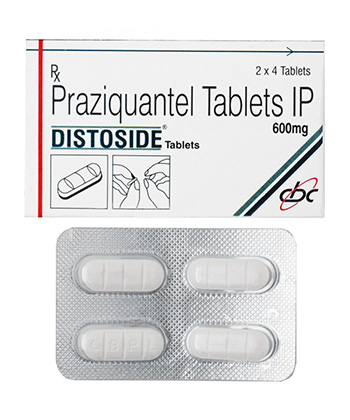
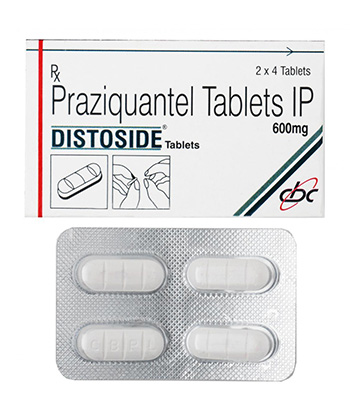
Antimalarial medications like atovaquone-proguanil (Malarone) and mefloquine provide both prevention and treatment for malaria. These medications are available by prescription and should be started before travel and continued afterward. For other tropical parasites, specialized antiparasitic agents including ivermectin and praziquantel may be prescribed. Canadian healthcare providers can access these medications through special programs when standard options prove insufficient. Consultation with travel medicine specialists helps determine appropriate prevention and treatment strategies.
Travellers should take antimalarial prophylaxis as prescribed, use insect repellent, wear protective clothing, and avoid contaminated water sources. Upon returning to Canada, anyone experiencing fever, rash, or gastrointestinal symptoms should inform their healthcare provider about travel history. Early diagnosis and treatment prevent serious complications and disease progression.
Skin parasites including scabies and lice affect millions of people annually in Canada. These conditions spread easily through close contact and require both systemic and topical treatments. Scabies mites burrow into skin causing intense itching, while lice infestations cause scalp irritation and visible nits.
Permethrin cream, available as Kwellada-P and Nix in Canada, treats both scabies and lice effectively. These topical agents work by disrupting parasite nervous systems, causing death. Ivermectin tablets provide oral alternatives for extensive infections or treatment-resistant cases. Crotamiton offers another topical option for patients who cannot tolerate permethrin. Treatment protocols typically involve initial application followed by repeat treatments after one week. All household members and close contacts require simultaneous treatment to prevent reinfection.
Proper application is crucial for treatment success. Products must remain on skin for specified periods, typically eight to fourteen hours. Children require lower concentrations, and pregnant women need special consideration regarding which products are safe. Following package directions carefully prevents skin irritation while ensuring parasite elimination. Bedding and clothing should be washed in hot water during treatment.
Preventing parasitic infections proves far more effective than treating established infections. Understanding transmission routes and implementing preventive measures significantly reduces infection risk for Canadian families. Proper hygiene, food safety practices, and clean water consumption form the foundation of prevention.
Key prevention strategies include:
Healthcare providers diagnose parasitic infections through stool samples, blood tests, or physical examination depending on parasite type. Symptoms lasting more than a few days warrant medical evaluation. Individuals with compromised immune systems, chronic conditions, or severe symptoms require prompt professional assessment. Canadian pharmacists can provide guidance on available treatments and help determine whether professional consultation is necessary. Some antiparasitic medications interact with other drugs, making professional consultation important for patients taking multiple medications. Children, pregnant women, and elderly individuals should always consult healthcare providers before starting antiparasitic treatment to ensure safety and appropriate dosing.