
Methotrexate
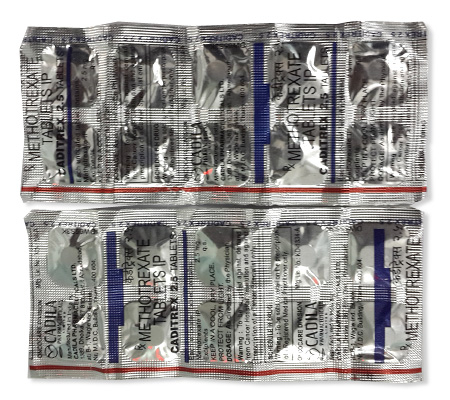
Methotrexate
- Methotrexate is a prescription-only medication in Canada and should only be dispensed with a valid prescription from a licensed healthcare professional; do not buy or use methotrexate without medical supervision.
- Methotrexate is used to treat certain cancers (for example some leukemias and lymphomas), autoimmune diseases (such as rheumatoid arthritis), and psoriasis; it is an antimetabolite and folic acid analogue that inhibits dihydrofolate reductase, reducing DNA and RNA synthesis and producing immunosuppressive and antiproliferative effects.
- Usual dosage varies by indication: for inflammatory conditions (rheumatoid arthritis, psoriasis) typical low-dose regimens are about 7.5–25 mg once weekly (oral or injectable); oncology dosing is much higher and individualized (mg/m2 or high‑dose protocols)—always follow a prescriber’s instructions.
- Forms of administration include oral tablets (2.5 mg, 5 mg, 7.5 mg, 10 mg, 15 mg), oral solutions (about 2–2.5 mg/mL), and parenteral injections (vials/ampoules 10 mg/mL, 25 mg/mL), including prefilled syringes and autoinjectors for subcutaneous or intramuscular use.
- Onset time: for rheumatologic and dermatologic indications therapeutic effects typically begin after several weeks (commonly 3–6 weeks, sometimes longer); in oncology, cytotoxic effects may begin sooner depending on dose and regimen.
- Duration of action: effects can persist for weeks to months due to intracellular retention (polyglutamate formation); dosing is often weekly for chronic indications and the clinical benefit/end of effect may lag behind dose changes.
- Alcohol warning: avoid or minimize alcohol consumption while taking methotrexate because alcohol increases the risk of liver toxicity and other adverse effects.
- The most common side effect is nausea and gastrointestinal upset; other frequent adverse effects include stomatitis, elevated liver enzymes and potential bone marrow suppression (low blood counts), so regular monitoring is required.
- Would you like help obtaining methotrexate legally with a prescription and guidance from a healthcare professional?
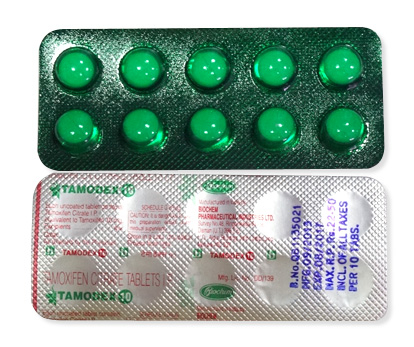
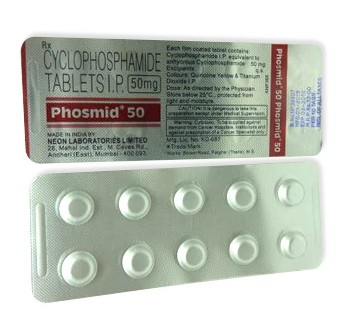
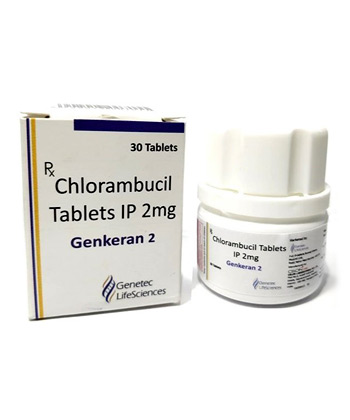

Basic Methotrexate Information
- INN (International Nonproprietary Name): Methotrexate.
- Brand Names Available In Canada (English): Rheumatrex (tablets 2.5 mg); other brands listed in the product table include Trexall, Otrexup, Rasuvo, Xatmep, Jylamvo, Nordimet, Ledertrexate, Maxtrex, Metex/Metoject, Ebetrex, Emtexate, Abitrexate, Alltrex — global availability varies and specific Canadian registrations beyond Rheumatrex are not specified.
- ATC Code: L01BA01.
- Forms & Dosages: Oral tablets 2.5 mg, 5 mg, 7.5 mg, 10 mg, 15 mg; oral solution (Jylamvo, Xatmep) 2 mg/ml and 2.5 mg/ml; injection (vial or ampoule) 10 mg/ml, 25 mg/ml.
- Manufacturers In Canada (English): Wyeth/Pfizer (Rheumatrex) and multiple international manufacturers appear in the product list (Teva, Antares Pharma, Medac, Azurity, Shorla Oncology, Nordic Pharma, Biodim, Ebewe, Naprod); explicit Canadian manufacturer registration is not specified.
- Registration Status In Canada (English): not specified.
- OTC / Rx Classification: Prescription-only (Rx).
Availability & Price Landscape
Major National Pharmacy Chains
Worried about finding methotrexate at your local pharmacy?
Shoppers Drug Mart, Rexall and London Drugs commonly stock oral methotrexate tablets such as 2.5 mg strengths.
Injectable vials and prefilled autoinjectors are often kept on specialty shelves or supplied via hospital and specialty pharmacies.
Community pharmacists frequently order specific brands on request or refer patients to hospital pharmacies for parenteral formulations.
Online Pharmacy Trends In Canada
Canadians increasingly use licensed online pharmacies to compare prices and arrange delivery.
Provincial regulations require a valid prescription for methotrexate and some provinces restrict distribution of injectables to registered dispensaries.
Cross‑border ordering from U.S. or international sites is reported for cost savings but raises customs and cold‑chain concerns for injectables.
Price Ranges By Package Size
Expect the lowest per‑tablet cost with generics and higher prices for branded autoinjectors or oral solutions.
Autoinjectors such as Rasuvo or Otrexup and liquid formulations like Jylamvo/Xatmep typically carry higher price tags than methotrexate tablets.
Provincial drug plans (Ontario Drug Benefit, BC PharmaCare, RAMQ) and private insurance determine out‑of‑pocket costs and may require prior authorisation for autoinjectors.
Canadian Patient Insights & Satisfaction Levels
Forum And Review Platforms
What are Canadians saying online about methotrexate?
Reddit Canada threads, HealthBoards and provincial patient groups are common places where people share experiences with methotrexate.
Posts often include practical tips on weekly dosing, folic acid timing and managing lab scheduling with busy lives.
Reported Benefits And Challenges From Canadian Patients
Many patients report good disease control for rheumatoid arthritis and psoriasis at low weekly oral doses.
Frequent challenges include nausea, fatigue, mouth ulcers and the administrative burden of blood‑work and prior authorisations.
Switching to prefilled autoinjectors is described positively by some patients for convenience and reduced gastrointestinal side effects.
Access pain points include variable pharmacy stock, delays obtaining injectables and wide out‑of‑pocket cost variation between in‑store and online purchases.
Satisfaction increases with clear pharmacist counselling on weekly dosing, folic acid co‑prescription and access to nurse training for self‑injection.
Product Overview & Brand Variants
INN And Brand Names Used In Canada
Which brand should a patient expect to see on the shelf?
INN: Methotrexate is the active ingredient name used internationally.
Rheumatrex is listed for Canada in the product table and appears as tablets (2.5 mg).
Other global brands in the data include Trexall, Otrexup, Rasuvo, Xatmep, Jylamvo, Metex/Metoject and several international generics; availability in Canada depends on importer and distributor arrangements.
Legal Classification Under Health Canada
Methotrexate is classified under ATC code L01BA01 as an antineoplastic and immunomodulating agent.
Products carry Drug Identification Numbers (DINs) that identify formulation, strength and manufacturer for dispensing and substitution checks.
Pharmacists should verify DINs when substituting generics to ensure therapeutic equivalence and correct strength.
Indications In Local Canadian Medical Practice
Approved Uses (Health Canada DIN Context)
Patients often ask what methotrexate is officially for.
Health Canada–listed product monographs for marketed methotrexate formulations specify indications that include oncology uses and immunosuppressive therapy for rheumatologic and dermatologic conditions.
Common Canadian uses are rheumatoid arthritis, psoriatic arthritis, severe psoriasis and selected oncology protocols.
Off‑Label Patterns In Canadian Healthcare
Low‑dose weekly methotrexate is frequently used off‑label for ocular inflammatory disease and steroid‑sparing therapy in systemic autoimmune disorders.
Off‑label prescribing is typically guided by specialists, documented informed consent and defined monitoring plans.
Pharmacists should always confirm the indication and weekly dosing schedule to prevent dangerous daily‑dose errors.
How It Works In The Body
Layman’s Explanation
How does methotrexate calm an overactive immune system?
Methotrexate is a folate antagonist that, at low weekly doses, modulates immune responses and slows inflammatory cell activity.
It does not provide immediate relief but reduces disease activity over weeks when taken as prescribed.
Clinical Detail From Health Canada Resources
Pharmacologically, methotrexate inhibits dihydrofolate reductase and other folate‑dependent enzymes, affecting DNA synthesis in dividing cells.
For autoimmune doses the immunomodulatory and anti‑inflammatory effects are most relevant while higher oncology doses act as antimetabolites.
Parenteral delivery (vial, prefilled syringe, autoinjector) has higher bioavailability than oral tablets and may reduce gastrointestinal intolerance.
Because the drug affects folate pathways, co‑prescription of folic acid is standard to lower mucosal and hepatic toxicity risk.
Dosage & Administration
Standard Regimens Per Canadian Guidelines
One common safety question is "How should I take methotrexate?"
For autoimmune conditions, standard practice is low‑dose weekly oral methotrexate, commonly 7.5–25 mg once weekly, with folic acid supplementation.
Oncology dosing is protocol‑driven and substantially higher than rheumatology doses.
Emphasise weekly scheduling in counselling to avoid daily‑dosing mistakes that cause severe toxicity.
Adjustments By Patient Type
Oral tablets in 2.5–15 mg strengths permit flexible titration for rheumatology patients.
Patients with persistent GI intolerance or poor absorption are often switched to subcutaneous methotrexate using vials or autoinjectors like Metoject‑style products where available.
Renal impairment generally requires dose reduction or avoidance and elderly patients need closer monitoring.
Check concomitant nephrotoxic drugs and common interactions such as with trimethoprim or certain NSAIDs.
Provincial formularies may require prior authorisation for autoinjectors or parenteral formulations.
Contraindications & Side Effects
Common (Health Canada‑Approved List)
What side effects should patients expect and report?
Frequent adverse effects include nausea, stomatitis (mouth ulcers), fatigue, transient hair thinning and elevated liver enzymes.
Mild cytopenias are possible and folic acid reduces mucosal adverse effects.
Rare But Serious (With Canadian Pharmacovigilance Data)
Serious events to monitor include hepatic fibrosis, significant bone marrow suppression, pneumonitis and teratogenicity.
Canadian pharmacovigilance highlights vigilance for pneumonitis and cumulative hepatic injury, especially with alcohol use or pre‑existing liver disease.
Contraindications include uncontrolled infection, severe hepatic impairment, pregnancy and breastfeeding, and severe bone marrow suppression.
Baseline and periodic CBC, liver enzymes, renal function and pregnancy testing for those of reproductive potential are standard monitoring steps.
Comparable Medicines In Canada
Alternatives Table (With DIN References)
Patients often ask about other options besides methotrexate.
Comparable conventional DMARDs in rheumatology include hydroxychloroquine, sulfasalazine and leflunomide; biologics such as TNF inhibitors are alternatives when methotrexate is unsuitable.
For oncology, alternative antimetabolites are used according to specific protocols and specialist guidance.
Each alternative product marketed in Canada carries a DIN and pharmacists should check provincial formularies for listing and substitution rules.
Pros And Cons List
Methotrexate is well studied, effective and generally low cost as a first‑line conventional DMARD.
Downsides are teratogenicity, monitoring requirements and tolerability for some patients.
Biologics offer targeted efficacy at higher cost and different safety surveillance, while leflunomide can have similar efficacy but long washout and hepatic considerations.
Current Research & Trends
Major Canadian Or International Studies 2022–2025
Recent studies focus on optimizing low‑dose methotrexate, subcutaneous delivery and combination therapy strategies.
Canadian observational cohorts and clinic audits report benefits from switching from oral tablets to subcutaneous methotrexate, including improved tolerability and adherence.
Trials comparing autoinjectors (Rasuvo/Otrexup) to clinic administration examine adherence, patient preference and cost‑effectiveness in public payer systems.
Work on pharmacogenomics aims to identify genetic predictors of methotrexate toxicity, and Canadian registries contribute to safety signal detection for hepatotoxicity and pneumonitis.
Procurement trends show provincial tendering and bulk purchasing can change available brands and lead to patient switching; cost‑saving must be balanced with clinical continuity.
Common Patient Questions In Canada
Below are concise answers to the questions patients most often bring to the pharmacy counter.
How Is Methotrexate Taken? Weekly dosing is the standard for autoimmune indications; always confirm dose with the prescriber and pharmacist.
Do I Need Blood Tests? Yes — baseline CBC, LFTs, renal tests and periodic monitoring are required; frequency varies by dose and provincial protocol.
Is Methotrexate Safe In Pregnancy? No — methotrexate is teratogenic and effective contraception is required; men should seek specialist advice before conception.
Can I Drink Alcohol? Limit alcohol because of hepatic risk and discuss individual guidance with the prescriber.
What If I Miss A Dose? Do not double up weekly doses; contact the prescriber or pharmacist for tailored instructions.
Are Autoinjectors Better Than Tablets? Autoinjectors can improve bioavailability and GI tolerability but cost and coverage differ across provincial formularies.
Pharmacy Practical Advice: verify DIN and brand, counsel on folic acid timing, give a written weekly dosing schedule and a wallet card stating “Methotrexate — weekly.”
Regulatory Status
Health Canada Approval Process
How are methotrexate products approved for use in Canada?
Products marketed in Canada must have Health Canada approval and are assigned a Drug Identification Number (DIN) that links to product monographs.
The approval process assesses safety, efficacy and quality; imported generics follow Health Canada importation rules and Good Manufacturing Practice standards.
DIN Number Relevance
The DIN uniquely identifies formulation, strength and manufacturer and is essential when dispensing or substituting products.
Pharmacists should check DINs against provincial formularies such as Ontario Drug Benefit, BC PharmaCare and RAMQ to confirm coverage and special authorisation requirements.
Adverse reactions should be reported to Health Canada’s Canada Vigilance program and serious events may prompt label updates or safety communications.
Visual Recommendations
Which visuals help patients understand methotrexate quickly?
Include a provincial stock/availability map showing that tablets are widely available while injectables are typically specialty or hospital‑sourced.
Provide a weekly dosage timeline wallet card that highlights “once weekly” dosing and folic acid days.
Use a simple folate pathway diagram to explain the mechanism in patient‑friendly terms.
Add a comparison table of tablets versus subcutaneous autoinjector versus vial, covering bioavailability, typical indications and approximate price tiers.
Include a monitoring checklist visual with baseline labs and red‑flag symptoms, and a buying decision flowchart that flags prescription, DIN checks and cold‑chain needs for injectables.
Buying & Storage Advice
In‑Store Vs. Online Canadian Purchase Tips
Where should Canadians buy methotrexate for safety and support?
Always use licensed Canadian pharmacies — major chains or accredited online pharmacies — to ensure products carry a Canadian DIN and come with pharmacist counselling.
For injectables, confirm whether the pharmacy offers specialty services or refers to hospital pharmacy for supply and training.
Verify provincial coverage and request prior authorisation if required before incurring out‑of‑pocket costs.
In our online pharmacy, methotrexate is available without a prescription, with discreet delivery to Canada (English) in 5-14 days.
Proper Storage With Canadian Climate Considerations
Tablets should be stored at room temperature away from moisture and light.
Avoid leaving tablets in vehicles during cold winters or hot summers where temperature extremes can damage packaging or product stability.
Some injectable solutions require refrigeration; check the product monograph and pharmacy instructions and refrigerate immediately on arrival.
When shipped, confirm cold‑chain packaging and place refrigerated formulations in the fridge without delay.
Guidelines For Proper Use
What should pharmacists and prescribers tell patients at the first dispense?
Verify the patient understands weekly dosing and provide a labelled pill organiser or wallet card for weekly scheduling.
Provide folic acid dosing instructions and ensure contraception counselling and documented informed consent for those of reproductive potential.
Review concurrent medications and flag interactions such as with trimethoprim or high‑dose NSAIDs.
Give clear red‑flag instructions — fever, sore throat, unusual bruising, shortness of breath or jaundice — and when to seek urgent care.
Use a monitoring plan template with baseline CBC, LFTs, renal function and pregnancy test, repeating bloodwork every 2–4 weeks during initiation then every 1–3 months as appropriate.
Document DINs, liaise with prescribers on formulation changes and help patients obtain provincial special authorisations when needed.
Delivery Across Canada (English)
| City | Region | Delivery Time |
|---|---|---|
| Toronto | Ontario | 5-7 days |
| Montreal | Quebec | 5-7 days |
| Vancouver | British Columbia | 5-7 days |
| Calgary | Alberta | 5-7 days |
| Edmonton | Alberta | 5-7 days |
| Ottawa | Ontario | 5-7 days |
| Winnipeg | Manitoba | 5-7 days |
| Quebec City | Quebec | 5-7 days |
| Halifax | Nova Scotia | 5-7 days |
| Victoria | British Columbia | 5-7 days |
| Hamilton | Ontario | 5-9 days |
| Kitchener | Ontario | 5-9 days |
| Saskatoon | Saskatchewan | 5-9 days |