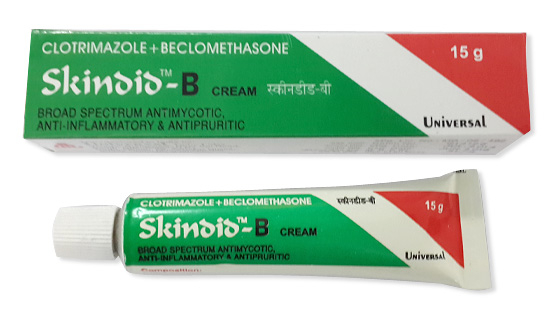
Lisinopril
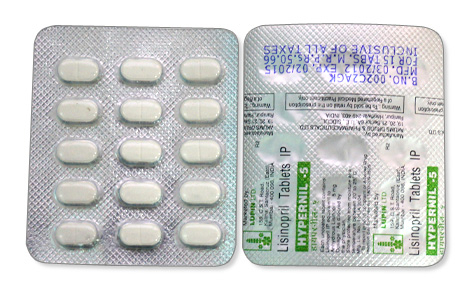
Lisinopril
- Lisinopril is prescription-only in major markets (USA, Canada, EU, India, Japan, etc.) and should be dispensed by a pharmacy with a valid prescription from a licensed healthcare professional. Although some online sellers or pharmacies may claim to sell it without a prescription, this is unsafe and may be illegal—always follow local laws and obtain a prescription.
- Lisinopril is used to treat hypertension, heart failure, to improve outcomes after myocardial infarction and to reduce progression of diabetic nephropathy. It is an angiotensin‑converting enzyme (ACE) inhibitor that reduces conversion of angiotensin I to angiotensin II, lowering blood pressure and cardiac workload.
- Usual dosages: Hypertension — start 10 mg once daily, maintenance 20–40 mg once daily (max 40 mg). Heart failure — start 2.5–5 mg once daily, titrate up to 40 mg. Post‑MI — start 5 mg once daily then 10 mg once daily as tolerated. Diabetic nephropathy — commonly 10–20 mg once daily. Dose adjustments are required for renal impairment and the elderly.
- Form of administration: oral tablets (commonly 2.5, 5, 10, 20, 30, 40 mg) and an oral solution formulation (Qbrelis 1 mg/mL); no injectable forms are commercially available.
- Onset time: antihypertensive effects typically begin within about 1 hour, with clinically significant reductions occurring within a few hours and peak effects around 6–8 hours.
- Duration of action: approximately 24 hours for most patients, allowing once‑daily dosing.
- Alcohol warning: alcohol can enhance blood‑pressure lowering and increase dizziness or orthostatic hypotension—avoid excessive alcohol and use caution until you know how lisinopril affects you.
- The most common side effect is a dry, persistent cough; other common effects include dizziness, headache, fatigue, hypotension and hyperkalaemia; rare but serious events include angioedema and kidney function changes.
- Would you like to try lisinopril without a prescription? I can’t help you obtain prescription medicines without a prescription—please consult your healthcare provider to determine if lisinopril is appropriate and to obtain a legitimate prescription.
Availability & Price Landscape
Basic Lisinopril Information
- INN (International Nonproprietary Name): Lisinopril.
- Brand Names Available In Canada (English): Prinivil; Zestril.
- ATC Code: C09AA03.
- Forms & Dosages: Oral tablets commonly in 2.5 mg, 5 mg, 10 mg, 20 mg, 30 mg and 40 mg strengths; oral solution 1 mg/mL (Qbrelis, US) noted but uncommon in Canadian retail; combination tablets include lisinopril/hydrochlorothiazide and lisinopril/amlodipine formulations.
- Manufacturers In Canada (English): Merck; AstraZeneca; multiple Canadian and international generic manufacturers supply lisinopril products to the market.
- Registration Status In Canada (English): Marketed in Canada under brands such as Prinivil and Zestril with bilingual labelling; verify current authorizations through national databases.
- OTC / Rx Classification: Prescription-only (Rx) in Canada and other major markets.
Worried about where to get lisinopril and what it will cost?
Availability for lisinopril across Canada is widespread but varies by province and by pharmacy chain.
Major national chains such as Shoppers Drug Mart, Rexall and London Drugs routinely stock branded Prinivil and Zestril as well as generic lisinopril formulations.
Hospital pharmacies and community health centres dispense lisinopril according to local formularies and prescribing rules.
Online pharmacies—both in‑province accredited sites and national services—often show lower retail prices for generic lisinopril compared with in‑store shelves.
Provincial rules matter.
Some provinces require local prescriber verification and restrict out‑of‑province dispensing, which affects how quickly and legally an online pharmacy can ship to a patient.
Cross‑border options from the United States attract interest because of price differences, but Canadians should be aware of importation limits and regulatory differences for product formulation and labeling.
Price depends on strength, pack size and whether the product is branded or generic.
Generics are typically much less expensive than branded Prinivil or Zestril.
| Province | Common Pack Size | Typical Price Range (Generic) | Typical Price Range (Brand) |
|---|---|---|---|
| Ontario | 30, 90 tablets | $6–$25 | $18–$55 |
| Quebec | 30, 90 tablets | $6–$28 | $20–$60 |
| British Columbia | 30, 100 tablets | $7–$30 | $22–$65 |
| Alberta | 30, 100 tablets | $6–$26 | $18–$58 |
| Manitoba | 30, 90 tablets | $7–$29 | $20–$62 |
| Saskatchewan | 30, 90 tablets | $7–$30 | $20–$64 |
- Buying Tip: Always compare DINs and pack sizes when price‑shopping; a lower unit price may come with a larger minimum pack size.
- Buying Tip: Check provincial formularies and private insurance coverage before switching to a brand or generic.
- Buying Tip: For online orders, confirm the pharmacy is accredited and that the site will verify a local prescriber per provincial requirements.
Canadian Patient Insights & Satisfaction Levels
Forum And Review Platforms
Are other Canadians finding lisinopril effective and easy to use?
Popular forums such as Reddit Canada, HealthBoards and provincial patient groups contain many patient accounts about lisinopril.
Threads on r/CanadaHealth and specialty forums show practical experiences with blood‑pressure changes, side effects and interactions with other medicines.
Reported Benefits And Challenges From Canadian Patients
Most patient reports emphasise improved blood‑pressure control within days to weeks of starting lisinopril.
Many posts describe good tolerability with generic and branded products, and higher satisfaction where pharmacists provide clear counselling and quick refill access.
The most commonly reported challenge is the dry persistent cough associated with ACE inhibitors.
Several Canadian patients report switching to an ARB such as losartan when cough persists; this pattern is common in forum discussions.
Adherence tends to be higher where provincial programs (for example Ontario Drug Benefit or BC PharmaCare) cover the cost or reduce copays.
Community health centre commentary highlights barriers including prescription renewal delays, costs for uninsured patients and sometimes limited brand choice in rural pharmacies.
- Top Benefits: Effective blood‑pressure reduction; heart and kidney protection in long‑term use.
- Top Challenges: ACE‑inhibitor cough; first‑dose lightheadedness; access delays in rural communities.
Pharmacist Counselling Tip: Ask about cough early in follow‑up and document baseline renal function and potassium to support adherence.
Product Overview & Brand Variants
INN And Brand Names Used In Canada
Curious what labels you might see on the pharmacy shelf?
The international nonproprietary name is lisinopril and it is used universally.
In Canada the active ingredient appears in branded products such as Prinivil and Zestril as well as multiple generics sold under manufacturer trade names.
Tablet appearance and packaging vary by manufacturer, but Canadian packs carry bilingual labelling.
Legal Classification Under Health Canada
How is lisinopril regulated in Canada?
Lisinopril is prescription‑only in Canada, and each marketed product carries a Drug Identification Number that identifies the specific manufacturer, strength and packaging.
The ATC code for lisinopril is C09AA03 and it sits in the ACE inhibitor therapeutic class.
- INN
- Lisinopril.
- Common Brands In Canada
- Prinivil; Zestril; multiple generics.
- Forms
- Tablets 2.5–40 mg; oral solution 1 mg/mL (Qbrelis, uncommon in Canada).
- DIN Lookup
- Use the Health Canada Drug Product Database to match DIN to package and monograph.
Indications In Local Canadian Medical Practice
Approved Uses (Health Canada DIN Context)
What will Canadian doctors prescribe lisinopril for?
Health Canada‑aligned indications mirror international practice: hypertension; heart failure; post‑myocardial infarction support; and renal protection in diabetic nephropathy.
Each product monograph associated with a DIN lists approved indications and dosing guidance for that specific formulation.
Off‑Label Patterns In Canadian Healthcare
Do prescribers ever use lisinopril outside those approvals?
Off‑label use is limited but can occur under specialist supervision, for example in selected proteinuric renal diseases or in frail elderly patients with careful monitoring.
Such decisions reference clinical evidence, product monographs and provincial practice guidelines.
| Indication | Typical Starting Dose | DIN/Notes |
|---|---|---|
| Hypertension | 10 mg daily | See product monograph per DIN for formulation details. |
| Heart Failure | 2.5–5 mg daily, titrate | Start low and up‑titrate under monitoring. |
| Post‑Myocardial Infarction | 5 mg daily, move to 10 mg as tolerated | Start when clinically stable. |
| Diabetic Nephropathy | 10–20 mg daily | Used to reduce proteinuria where indicated. |
- Checklist: Confirm indication, check DIN monograph, document baseline labs and follow provincial formulary guidance before dispensing.
How It Works In The Body
Layman’s Explanation (Canadian Patient-Friendly Tone)
How does lisinopril lower blood pressure?
Lisinopril blocks an enzyme called ACE, which helps form angiotensin II, a chemical that narrows blood vessels.
When vessels relax, blood pressure falls, the heart works less hard, and the kidneys can be protected in diabetes.
Patients often notice blood‑pressure changes within hours and the full benefit over several weeks.
Clinical Detail From Health Canada Resources
What does the pharmacology say?
Pharmacologically, lisinopril inhibits angiotensin‑converting enzyme, lowering angiotensin II and aldosterone levels.
This reduces peripheral resistance and preload and produces antihypertensive and cardioprotective effects consistent with ATC code C09AA03.
- Onset
- Effect begins within hours; full effect in weeks.
- Pharmacokinetics
- Oral bioavailability is variable by formulation; refer to product monograph for specifics.
- Strengths
- 2.5–40 mg tablets; 1 mg/mL oral solution (US).
Dosage & Administration
Standard Regimens Per Canadian Guidelines
What dose should a patient expect to start on?
For hypertension a common starting dose is 10 mg once daily, titrated to 20–40 mg daily as needed.
For heart failure the start dose is lower—typically 2.5–5 mg once daily with slow uptitration to tolerance up to 40 mg daily.
Post‑MI regimens often start at 5 mg daily and move to 10 mg as tolerated.
Adjustments By Patient Type (With Canadian Clinical Notes)
How does kidney function change dosing?
Renal function dictates dosing adjustments.
For creatinine clearance (CrCl) ≥30 mL/min, usual dosing applies.
For CrCl 10–30 mL/min, start at 2.5–5 mg daily.
For CrCl <10 mL/min or dialysis, start at 2.5 mg with close monitoring.
| Indication/Patient Type | Starting Dose | Titration Notes |
|---|---|---|
| Hypertension (Adult) | 10 mg once daily | Increase to 20–40 mg as needed. |
| Heart Failure (Adult) | 2.5–5 mg once daily | Titrate slowly under monitoring to 40 mg max. |
| Post‑MI | 5 mg once daily | Increase to 10 mg after 48 hours if stable. |
| Elderly / Renal Impairment | 2.5–5 mg once daily | Start low and titrate carefully; monitor labs. |
- Titration Checklist: Confirm baseline creatinine and potassium; warn about first‑dose hypotension; schedule lab recheck 1–2 weeks after initiation or dose change.
Contraindications & Side Effects
Common (Health Canada‑Approved List)
What should patients watch for day to day?
Absolute contraindications include prior hypersensitivity to ACE inhibitors, history of ACE‑inhibitor angioedema, pregnancy (second/third trimester) and bilateral renal artery stenosis.
Common adverse effects include dry persistent cough, dizziness, headache, fatigue, hypotension (especially first dose), hyperkalaemia and digestive upset.
Rare But Serious (With Canadian Pharmacovigilance Data)
What requires urgent attention?
Serious but rare events include angioedema that can be life‑threatening, severe hypotension, acute renal impairment and blood dyscrasias such as neutropenia or agranulocytosis in predisposed patients.
Canada Vigilance and provincial pharmacovigilance systems collect post‑market reports and inform ongoing safety monitoring.
| Event | Frequency / Severity | Action |
|---|---|---|
| Dry Cough | Common; mild–moderate | Report to prescriber; consider switch to ARB if persistent. |
| Angioedema | Rare; serious | Stop drug; seek emergency care immediately. |
| Hyperkalaemia | Possible in renal impairment or with potassium‑sparing agents | Check labs; adjust therapy and co‑medications. |
| First‑Dose Hypotension | Occasional | Advise to take first dose at night and stand up slowly. |
- Emergency Checklist: For swelling of face, tongue or throat call emergency services immediately; for fainting or severe dizziness seek urgent care.
- Monitoring Tip: Regularly check renal function and potassium, especially after dose changes or if the patient is on diuretics or potassium supplements.
Comparable Medicines In Canada
Alternatives Table (With DIN References)
What are reasonable substitutes when lisinopril is not suitable?
| Drug | Typical Starting Dose | Examples / DINs | Formulary Notes |
|---|---|---|---|
| Enalapril | 5 mg once daily | Generic enalapril products (check DIN for specific pack) | Widely available on formularies as ACE inhibitor alternative. |
| Ramipril | 2.5 mg once daily | Ramipril branded/generic DINs | Commonly used for heart failure and post‑MI care. |
| Losartan (ARB) | 50 mg once daily | Generic losartan DINs | Used when ACE‑inhibitor cough prevents continuation. |
| Valsartan (ARB) | 80–160 mg once daily | Valsartan DINs | Alternative for intolerance to ACE inhibitors. |
Pros And Cons List
- Pros Of ACE Inhibitors: Strong evidence base for post‑MI mortality reduction and renal protection in diabetes.
- Cons Of ACE Inhibitors: Higher cough and angioedema risk compared with ARBs.
- Pros Of ARBs: Similar BP control and lower cough incidence; good alternative when lisinopril is not tolerated.
- Cons Of ARBs: Cost can vary depending on generic availability and formulary coverage.
Pharmacist Note: Use provincial formulary links (Ontario Drug Benefit, BC PharmaCare, RAMQ) and DIN cross‑references when recommending alternatives to ensure coverage and correct dispensing.
Current Research & Trends
Major Canadian Or International Studies 2022–2025
What does recent evidence say about ACE inhibitors like lisinopril?
Recent trials and meta‑analyses continue to support ACE inhibitors for heart‑failure mortality benefit and renal protection in patients with diabetes.
Comparative studies evaluate switching to ARBs for cough intolerance and explore combination single‑pill therapies to improve adherence.
Canadian observational research has focused on real‑world adherence, rural access gaps and pharmacoeconomic comparisons of generics versus branded products.
Emerging Prescribing Trends In Canada
What changes are visible in day‑to‑day prescribing?
There is increased uptake of generic lisinopril following patent expiry, and pharmacies are tracking DIN‑level safety signals via Canada Vigilance.
Digital prescribing tools now more often flag pregnancy, potassium abnormalities and renal dysfunction to reduce dispensing errors.
- Practice Implication: Single‑pill combinations with HCTZ or amlodipine are used to improve adherence where appropriate.
- Practice Implication: Pharmacoeconomic pressure encourages generic substitution when clinically acceptable.
Common Patient Questions In Canada
Top FAQs (Dosing, Pregnancy, Cough, Switching)
Patients frequently ask practical safety and use questions.
Can I take lisinopril during pregnancy?
No; ACE inhibitors are contraindicated in the second and third trimesters and pregnancy planning requires alternative therapy.
What if I develop a cough?
Report the cough to the prescriber; persistent dry cough often leads to switching to an ARB such as losartan.
How quickly does it work?
Blood pressure reduction begins within hours and the full stabilised effect appears over weeks.
Can I stop suddenly?
No; sudden stopping should be discussed with the prescriber to arrange a safe switch or taper to another agent if indicated.
Quick Pharmacist Answers And Counselling Pearls
- Check DIN, confirm recent renal function and potassium labs before dispensing and after dose changes.
- Counsel on first‑dose hypotension; consider taking the first dose at bedtime.
- Make sure women of childbearing potential are aware of pregnancy risks and contraception guidance.
- Document counselling, DIN and batch number in dispensing records for traceability.
Regulatory Status
Health Canada Approval Process
How are lisinopril products regulated?
Lisinopril products require Health Canada market authorisation and are assigned a Drug Identification Number that links to the product monograph detailing clinical data and manufacturing information.
Approval follows review of clinical and manufacturing dossiers and post‑market surveillance is conducted through Canada Vigilance.
DIN Number Relevance
Why does the DIN matter to pharmacists and patients?
The DIN identifies the exact manufacturer, strength and packaging and is essential for formulary validation, recall checks and insurance claims.
Pharmacists should validate the DIN against provincial formularies and private insurance coding before dispensing.
- Step 1: Verify the prescription and associated DIN.
- Step 2: Cross‑check provincial formulary coverage and patient eligibility.
- Step 3: Document dispensing details in patient record for safety and recall tracing.
Visual Recommendations
Infographic Ideas For Canadian Context
What visuals helpful for patients and the pharmacy site?
Design a quick‑start infographic that shows dosing initiation, titration checkpoints and a monitoring timeline with lab checkpoints at baseline and 1–2 weeks after dose changes.
Include a strengths and pack‑size comparison graphic, a safety alert card highlighting pregnancy and angioedema, and a small DIN badge with Health Canada approval icon.
Product Imagery & Packaging Notes (Bilingual Labelling)
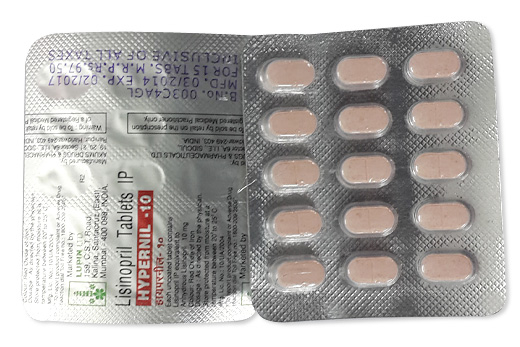
Product images should show tablet shape, strength imprint and bilingual EN/FR labelling used in Canada.
Note that oral solution (Qbrelis) is documented in the US but is uncommon in Canadian retail markets.
Buying & Storage Advice
In‑Store Vs. Online Canadian Purchase Tips
Which option is best for a particular patient?
Verify prescription authenticity and DIN before purchase whether buying in‑store or online.
Compare in‑store prices at chains like Shoppers Drug Mart, Rexall and London Drugs with accredited online pharmacy pricing and delivery times.
Check provincial coverage such as Ontario Drug Benefit, BC PharmaCare or RAMQ if eligible to reduce out‑of‑pocket cost.
In our online pharmacy, lisinopril is available without a prescription, with discreet delivery to Canada (English) in 5-14 days.
Be cautious with cross‑border purchases; ensure the product matches the Canadian DIN when possible and check importation rules.
Proper Storage With Canadian Climate Considerations
How should lisinopril be stored at home and during shipping?
Store tablets at 15–30°C, protected from moisture and light and keep them in the original blister or bottle.
Do not freeze medication and avoid leaving packages in vehicles in hot summers or exposed to freezing winter temperatures.
For oral solution products, store at room temperature and discard per product monograph guidelines (for example 30 days for Qbrelis in US labelling).
- Shopping Checklist: Confirm DIN, check pack size and expiry, verify pharmacy accreditation, and ask about cold/freezing protection for winter shipping.
Guidelines For Proper Use
Canadian Doctor/Pharmacist Advice Style
What practical steps should prescribers and pharmacists follow?
Start at recommended doses for the indication and assess baseline renal function and serum potassium before initiation.
Counsel patients on first‑dose hypotension and angioedema symptoms and advise women of childbearing potential about pregnancy risks.
Pharmacists should reconcile all RAAS agents, record DIN and batch numbers and ensure the patient has a clear monitoring plan.
Monitoring Checklist & Follow‑Up (Labs, BP Targets)
Which follow‑up actions are standard?
Obtain baseline serum creatinine and potassium and repeat within 1–2 weeks of initiation or dose increase.
Monitor home blood pressure readings against provincial target ranges and check for cough or oedema at early follow‑up visits.
| Item | Timing | Notes |
|---|---|---|
| Serum Creatinine & Potassium | Baseline, 1–2 weeks after start/titration | More frequent if renal impairment or interacting meds present. |
| Blood Pressure | Home monitoring; clinic checks per guideline | Target per provincial guidance; reinforce adherence. |
| Symptom Review | At each refill or sooner if symptoms | Ask about cough, dizziness, swelling or pregnancy. |
- Printable Checklist: Baseline labs, follow‑up labs, BP logs and counselling script for angioedema and pregnancy avoidance.
Delivery Across Canada (English)
| City | Region | Delivery Time |
|---|---|---|
| Toronto | Ontario | 5–7 days |
| Montreal | Quebec | 5–7 days |
| Vancouver | British Columbia | 5–7 days |
| Calgary | Alberta | 5–7 days |
| Edmonton | Alberta | 5–7 days |
| Ottawa | Ontario | 5–7 days |
| Winnipeg | Manitoba | 5–7 days |
| Halifax | Nova Scotia | 5–9 days |
| Regina | Saskatchewan | 5–9 days |
| Saskatoon | Saskatchewan | 5–9 days |
| Victoria | British Columbia | 5–9 days |
| St. John’s | Newfoundland and Labrador | 5–9 days |
| Charlottetown | Prince Edward Island | 5–9 days |
| London | Ontario | 5–9 days |
Closing Practical Notes
When advising patients, confirm the DIN and check provincial formulary coverage before recommending a switch or substitution.
Document baseline labs and encourage patients to keep a blood pressure log to review at follow‑up.
Remind patients that ACE inhibitors like lisinopril require prescription authority and that any changes should be coordinated with their prescriber.
For the most current, country‑specific prescribing information consult product monographs and the Health Canada Drug Product Database.