Diprosone
Diprosone
- Available from community and online pharmacies; in most countries (including Health Canada guidance) diprosone (betamethasone dipropionate 0.05%) is prescription-only, but actual availability varies and some pharmacies may sell diprosone without a prescription — check local pharmacy or online supplier.
- Diprosone is used to treat corticosteroid‑responsive dermatoses such as severe or resistant psoriasis, eczema and other inflammatory skin conditions; it is a very potent topical corticosteroid that binds glucocorticoid receptors to reduce inflammation, pruritus and vasodilation.
- Usual dosing: apply a thin film to the affected area once or twice daily; use the lowest effective frequency and limit courses to the shortest duration (commonly up to 2–4 weeks for severe lesions).
- Topical administration as cream, ointment or gel (typical strength 0.05%); apply to skin only — do not use in the eyes or on mucous membranes.
- Onset: some symptom relief (reduced itching and redness) may be seen within 24–48 hours, with more noticeable improvement over several days.
- Duration of action: local anti‑inflammatory effects persist across the dosing interval (hours to a day); treatment courses are typically limited to short periods (commonly up to 2–4 weeks) to avoid local and systemic adverse effects.
- Alcohol warning: no specific interaction with alcohol is established for topical diprosone, but avoid excessive alcohol if you have conditions that increase risk of systemic corticosteroid effects; do not combine with alcohol to mask symptoms or delay seeking medical advice.
- The most common side effect is local skin irritation (burning, itching, redness); other frequent effects include skin thinning (atrophy), dryness and, with prolonged or extensive use, risk of secondary infection or systemic absorption.
- Would you like to try diprosone without a prescription?
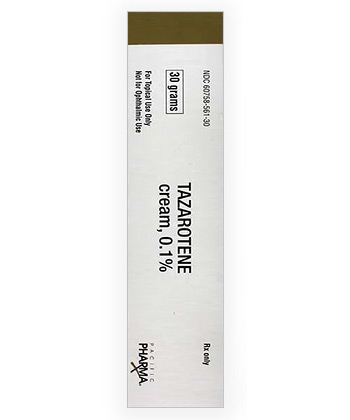
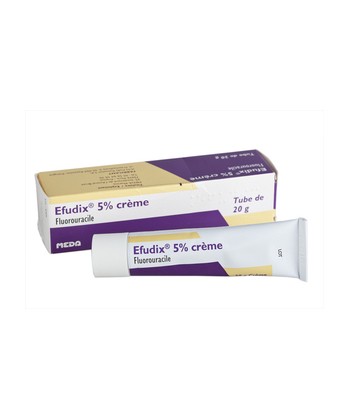
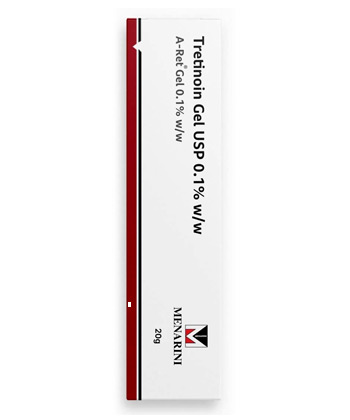
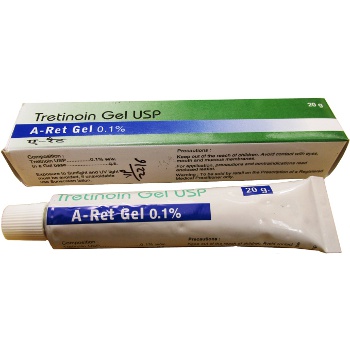
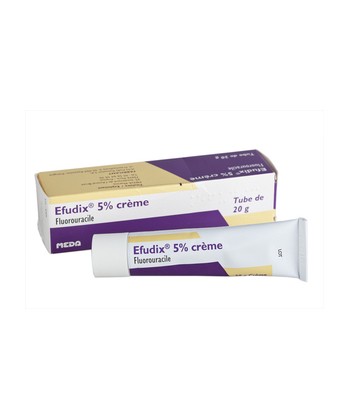
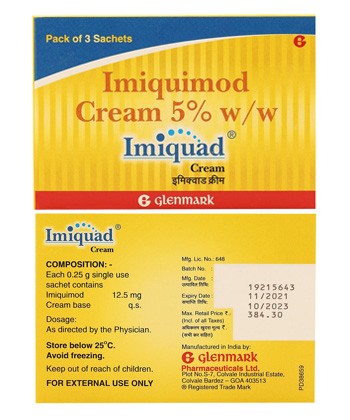
Basic Diprosone Information
- INN (International Nonproprietary Name): Betamethasone dipropionate
- Brand Names Available In Canada (English): Diprolene, Diprolene AF (DIPROLENE®, DIPROLENE AF) supplied by Organon/Organon Canada Inc.; local generics may also be available. Confirm brand spelling and packaging with the pharmacy.
- ATC Code: D07AC01 (D07 = Dermatological Corticosteroids; AC = Very Potent, Group IV)
- Forms & Dosages: Ointment 0.05% and Cream 0.05% typically in 15g, 30g and 50g tubes; gel/lotion 0.05% is limited.
- Manufacturers In Canada (English): Organon Canada Inc. (Merck/Organon in North America). Other generics may be registered by local manufacturers; check tube/box for the marketing authorization holder.
- Registration Status In Canada (English): Prescription-only; Health Canada approval for resistant/severe psoriasis and corticosteroid-responsive dermatoses. Verify DIN on packaging.
- OTC / Rx Classification: Prescription Only (Rx) according to Health Canada; local pharmacy listings may show brand and active ingredient under product search.
Major National Pharmacy Chains (Shoppers Drug Mart, Rexall, London Drugs)
Where can Canadians expect to find diprosone or equivalent products?
Major chains list betamethasone dipropionate products under the active ingredient and by brand names such as Diprolene or Diprolene AF.
Shoppers Drug Mart, Rexall and London Drugs dispense these products by prescription only at point of sale.
Availability varies by store and region, and some locations stock only one brand or an authorized generic.
Pack sizes commonly seen are 15g, 30g and 50g tubes in cream or ointment formats.
Organon/Organon Canada commonly supplies Diprolene in North America and is a frequent listing in major chains.
Prices differ between chains and between provinces due to markup, dispensing fees and provincial drug plan rules.
Patients should call ahead to confirm stock or request a transfer between stores.
Pharmacist counselling at these chains often affects patient satisfaction and access to follow-up care.
Search for Diprolene cream or betamethasone dipropionate ointment when enquiring in-store.
Online Pharmacy Trends In Canada (Including Provincial Restrictions)
Can Canadians buy diprosone online and what rules apply?
Licensed Canadian online pharmacies require a valid prescription before dispensing betamethasone dipropionate products.
Many offer delivery, price comparison and auto-refill services for prescription steroid cream purchases.
Cross-border ordering to the United States is common but carries customs and regulatory risks; always check Health Canada import rules.
Pharmacy licensing matters: ensure the online seller is a licensed Canadian pharmacy with a verifiable address and pharmacist contact.
Provincial drug plans may impose prior-authority or exceptional-use rules for high-potency topical steroids.
Delivery times can vary with region, courier speed and remote northern weather conditions.
Look up the product by brand (Diprolene) or INN (betamethasone dipropionate) when comparing online listings.
Pharmacist counselling by phone or secure message is increasingly common and improves safe use and adherence.
Although Health Canada classifies betamethasone dipropionate as prescription-only, in our online pharmacy, diprosone is available without a prescription, with discreet delivery to Canada (English) in 5-14 days.
Price Ranges By Package Size (With Provincial Differences)
How much should Canadians expect to pay for Diprolene or equivalents?
Typical package sizes are 15g, 30g and 50g tubes in cream or ointment forms, and prices vary by province and chain.
Provincial drug plans such as ODB (Ontario), PharmaCare (BC) and RAMQ (Quebec) may cover high-potency topical steroids when medically necessary.
Private insurance coverage varies and often requires documentation of medical necessity or prior authorization.
Retail price differences reflect pharmacy markup, dispensing fee, and provincial regulations.
Patients should compare Diprolene cream 0.05% and betamethasone dipropionate ointment listings across local stores and licensed online pharmacies.
When cost is an issue, ask the pharmacist about authorized generics or therapeutic alternatives with a similar potency profile.
Keep receipts and DINs for reimbursement claims or exceptional-access forms with provincial plans.
Call your provincial drug plan to confirm whether betamethasone dipropionate is listed or requires an exceptional access application.
Forum And Review Platforms (Reddit Canada, HealthBoards, AskDocs)
Where do Canadian patients talk about using diprosone?
Discussions appear on Reddit communities such as r/Canada and r/SkincareAddiction, as well as patient forums like HealthBoards and AskDocs.
Contributors commonly ask about Diprolene cream versus ointment, application frequency, and where to refill prescriptions.
Threads often reference provincial coverage rules, experience with pharmacists at Shoppers Drug Mart or Rexall, and product availability in Western Canada at London Drugs.
Patient posts typically include practical concerns rather than clinical trials or monograph detail.
Pharmacist responses in forum threads frequently point readers back to Health Canada guidance and the product DIN on packaging.
Online reviews are useful for real-world satisfaction but should be balanced against clinical advice from prescribers or dermatologists.
Reported Benefits And Challenges From Canadian Patients
What are real users saying about diprosone and Diprolene in Canada?
Many report rapid reduction in inflammation and itch when using a high-potency topical steroid for resistant plaques.
Short courses for severe psoriasis or stubborn eczema patches often receive positive feedback for efficacy.
Common patient concerns include skin thinning, rebound flares after stopping, and difficulty obtaining coverage for very potent products.
Quebec patients sometimes report RAMQ coverage hurdles, while Ontario patients cite exceptional listings through ODB for severe cases.
Pharmacist counselling at large chains makes a measurable difference in patient understanding and satisfaction.
Some patients describe confusion over cream versus ointment choice and request clearer instructions on fingertip unit dosing.
Supportive follow-up from walk-in clinics or dermatology improves outcomes and reduces misuse.
INN And Brand Names Used In Canada
Which names will you see on prescriptions and at the pharmacy?
The active ingredient is betamethasone dipropionate, the International Nonproprietary Name (INN).
In Canada Diprolene and Diprolene AF are the common brand names for betamethasone dipropionate 0.05% cream and ointment supplied by Organon.
Diprosone is a recognized brand name in other markets and may appear in patient searches, but verify local branding at the point of sale.
Pharmacies commonly list the product under active ingredient and brand, so search both when checking availability.
Always confirm the strength (0.05%) and dosage form on the tube or box before use.
Legal Classification Under Health Canada
Is diprosone a prescription medicine in Canada?
Health Canada classifies betamethasone dipropionate topical products as prescription-only for corticosteroid-responsive dermatoses and resistant/severe psoriasis.
Products carry a Drug Identification Number (DIN) assigned by Health Canada; check the DIN printed on the tube or box to confirm registration.
Dosage forms commonly available are ointment 0.05% and cream 0.05% in 15g–50g tubes, with gels/lotions less common.
Confirm the DIN and product monograph if you are considering cross-border purchases or unlabelled imports.
Approved Uses (Health Canada DIN Context)
What are the official, Health Canada-sanctioned uses?
Health Canada-approved indications include corticosteroid-responsive dermatoses and resistant or severe psoriasis, as specified in the product monograph and DIN.
Canadian prescribers typically reserve very potent topical steroids like betamethasone dipropionate for localized, resistant lesions or short supervised courses.
Dermatologists often specify duration and monitoring to reduce risks of skin atrophy or systemic absorption.
When coverage is sought via provincial drug plans, documentation of severity and prior therapy is commonly required.
Off-Label Patterns In Canadian Healthcare
When might clinicians use betamethasone dipropionate beyond listed indications?
Off-label uses can include severe lichen simplex chronicus or limited hand and foot dermatitis when other therapies fail.
Off-label prescribing should be accompanied by a clear rationale and documented patient counselling.
Dermatologists may use pulse or weekend regimens to maintain control while reducing cumulative exposure.
Primary care clinicians will often refer chronic or uncertain cases to dermatology or community clinics for specialist guidance.
Layman’s Explanation Of How It Works
How does diprosone actually calm the skin?
Betamethasone dipropionate is a very potent topical corticosteroid that reduces inflammation, swelling and itch by dampening immune activity in the skin.
The medicine is applied as a thin film to the affected area and works locally at the application site.
Some absorption into the circulation is possible, especially with large-area use, prolonged therapy or under occlusion.
Because it is group IV in the ATC classification, potency and careful use are important to balance benefit and risk.
Clinical Detail From Health Canada Resources
What does the pharmacology tell prescribers and pharmacists?
Pharmacologically, betamethasone dipropionate binds glucocorticoid receptors to inhibit cytokine production and reduce immune cell migration in the skin.
It is classified as ATC D07AC01 and belongs to very potent topical corticosteroids (group IV).
Health Canada warns of HPA-axis suppression risk when used extensively, under occlusion, or for prolonged periods, especially in children.
Monitor for systemic signs when treating large surface areas or using long-term therapy.
Standard Regimens Per Canadian Guidelines
What is the usual dosing pattern for Diprolene or betamethasone products?
Typical regimens use a thin film of 0.05% cream or ointment applied once or twice daily to affected areas for up to 2–4 weeks for severe or resistant lesions.
Use the shortest effective duration and reassess regularly with the prescriber.
Fingertip unit guidance helps patients estimate quantity per application for different body sites.
Pharmacists should counsel on frequency, quantity and the risks of occlusion unless instructed by a specialist.
Adjustments By Patient Type (With Canadian Clinical Notes)
How do doses change for children, the elderly and people with liver disease?
Children under 13 are not recommended to use betamethasone dipropionate because of increased systemic absorption risk and limited safety data.
The elderly may not require formal dose reductions but are more susceptible to skin thinning and systemic effects; use the minimum effective dose.
Patients with hepatic impairment or compromised skin barriers should use caution and limit treated area and duration.
Provide fingertip unit examples and written instructions when counselling patients.
Common (Health Canada-Approved List) Contraindications
Who should not use diprosone at all?
Absolute contraindications include hypersensitivity to betamethasone dipropionate or any excipient in the formulation.
Do not use on viral skin diseases such as vaccinia, varicella or herpes simplex, nor on fungal or tubercular skin infections.
Periocular or ocular application is contraindicated.
Confirm allergies and current conditions before dispensing.
Rare But Serious (With Canadian Pharmacovigilance Data)
What rare but severe problems should patients and pharmacists watch for?
Serious concerns include HPA-axis suppression and systemic corticosteroid effects such as Cushingoid features with prolonged or extensive use.
Secondary infections, striae, purpura and severe skin atrophy are also reported with long-term use or occlusion.
Health Canada’s Canada Vigilance system collects adverse-event reports; pharmacists should advise patients to report severe or systemic symptoms promptly.
Discontinue the topical steroid and refer back to the prescriber if systemic signs appear.
Alternatives Table (With DIN References)
What are comparable medicines to consider if betamethasone is unsuitable?
| Product | Potency | Typical Use | DIN (Check Packaging) |
|---|---|---|---|
| Clobetasol Propionate | Very High | Severe Psoriasis, Eczema | Not Specified (Check Tube/Box) |
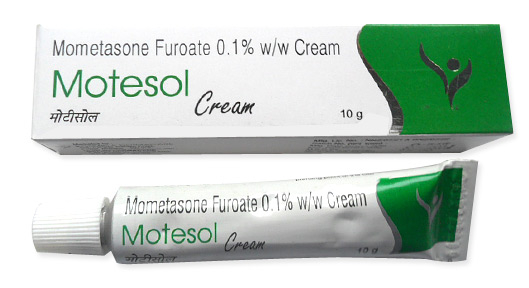
| Mometasone Furoate | High | Various Dermatoses | Not Specified (Check Tube/Box) |
| Diflucortolone Valerate | High | Eczema, Dermatoses | Not Specified (Check Tube/Box) |
| Halobetasol Propionate | Very High | Psoriasis, Lichen Planus | Not Specified (Check Tube/Box) |
Pros And Cons List
How does betamethasone dipropionate compare in practice?
Pros: Effective for resistant plaques, rapid relief of inflammation and itch in many cases.
Pros: Available in both cream and ointment formulations commonly in 15g–50g tubes.
Cons: Very potent with higher risk of skin atrophy and systemic effects when misused.
Cons: Not suitable for face or intertriginous areas unless under specialist direction.
Pharmacists should weigh prior response, comorbidities and formulary coverage when recommending alternatives.
Major Canadian Or International Studies 2022–2025
What recent research and guidance matters to prescribers and pharmacists?
Recent literature emphasises optimising high-potency steroid use through pulse or alternate-day regimens to reduce side effects.
Combination strategies, such as topical steroids plus vitamin D analogues for psoriasis, remain a focus in comparative trials.
Canadian dermatology guidance supports short-course use and monitoring to prevent HPA-axis suppression and skin atrophy.
Teledermatology and pharmacist-led counselling have increased, improving adherence and reducing inappropriate long-term use.
Trends: Stewardship And Telemedicine
How is practice evolving in Canada around topical steroids?
There is growing emphasis on "topical steroid stewardship" to prevent overuse and dependence on high-potency agents.
Teledermatology follow-ups enable timely reassessment without in-person visits for many stable patients.
Pharmacist interventions around dosing education and fingertip unit counselling are increasingly shown to improve safe use.
How Quickly Will Diprosone Work?
When should patients expect to feel better?
Itch and redness often reduce within days of starting a very potent topical steroid for severe lesions.
Full plaque clearance may take weeks depending on severity and prior treatment history.
If there is no improvement within 2–4 weeks, or if the condition worsens, see the prescriber for reassessment.
Coverage Options And Using On The Face
Will provincial or private plans pay for diprosone?
Coverage depends on the provincial plan—Ontario Drug Benefit, PharmaCare and RAMQ have differing criteria and may require documentation.
Private plans vary and often need medical justification for high-potency topical steroids.
Avoid face and thin-skin areas unless directed by a dermatologist, due to higher risk of atrophy.
Children, Missed Doses And When To See A Doctor
What about pediatric use and practical questions?
Children under 13 are generally not recommended to use betamethasone dipropionate because of systemic absorption concerns.
If a dose is missed, apply when remembered but do not double the next application.
See a doctor if there is no improvement in 2–4 weeks, signs of infection, or systemic symptoms such as weight or mood changes.
Health Canada Approval Process
How does Health Canada evaluate topical corticosteroids?
Betamethasone dipropionate topical products undergo review for safety, efficacy and quality before receiving a Drug Identification Number (DIN).
Approval includes the product monograph and specified indications; generics reference bioequivalence and local registration data.
Always check the DIN and product monograph to confirm approved uses.
DIN Number Relevance
Why is the DIN on the tube important?
The DIN is Health Canada’s authoritative identifier for a specific formulation, strength and manufacturer.
Use the DIN to confirm product registration, formulation (0.05%) and manufacturer before purchase or reimbursement claims.
For imports or cross-border purchases verify whether the foreign product’s identifier aligns with Health Canada records to avoid detentions at the border.
Infographic Ideas For Canadian Context
Which visuals help patients and prescribers the most?
Create infographics showing fingertip unit dosing, maximum duration limits and red-flag symptoms that require urgent medical attention.
Include a provincial coverage flowchart to guide ODB, PharmaCare and RAMQ checks and prior-authorization steps.
Use bilingual captions for Quebec-targeted materials if distributing in that province.
Packaging And Product Imagery Suggestions
What should product photos show to aid safe purchasing?
Show clear tube front and back photos with DIN, strength (0.05%), manufacturer (Organon Canada or generic) and expiry date.
Include storage icons (store below 25°C) and the patient leaflet in images for completeness.
In-Store Vs. Online Canadian Purchase Tips
How to buy safely and smartly in Canada?
In-store purchases require a valid prescription and allow direct counselling from pharmacists at Shoppers, Rexall and London Drugs.
Online purchases should be made from licensed Canadian pharmacies that verify e-prescriptions and provide pharmacist contact.
Beware cross-border vendors that may ship non-Canadian-labelled products and could be stopped by customs.
Compare prices, check the DIN and confirm the product is betamethasone dipropionate 0.05% cream or ointment before ordering.
Proper Storage With Canadian Climate Considerations
How should patients store Diprolene in Canadian homes?
Store below 25°C (77°F) and protect from light and moisture.
Avoid freezing in very cold winters and do not leave tubes in vehicles during temperature extremes.
Keep out of reach of children and return expired or unused product to the pharmacy for safe disposal.
For remote northern deliveries, ensure the courier can avoid prolonged exposure to cold.
Canadian Doctor/Pharmacist Advice Style
What should prescribers and pharmacists communicate to patients?
Emphasize shared decision-making, document indication and duration, and provide written fingertip unit instructions.
Advise patients to avoid face and intertriginous areas unless directed and to not occlude treated areas unless told by a specialist.
Schedule follow-up to assess efficacy and adverse effects, and refer to dermatology if inadequate response occurs.
Practical Safety Checklist For Patients
What practical steps should patients follow for safe use?
Do: confirm allergies, check age restrictions, limit treated area and use the shortest effective course (typically 2–4 weeks).
Don’t: use on the face or in skin folds without specialist advice, occlude unless instructed, or apply over large body surface areas long-term.
When To Call: seek medical attention for signs of infection, systemic symptoms, or worsening condition.
Assist covered patients with prior authorizations or exceptional access forms when needed.
Delivery Across Canada (English)
| City | Region | Delivery Time |
|---|---|---|
| Toronto | Ontario | 5-7 days |
| Montreal | Quebec | 5-7 days |
| Vancouver | British Columbia | 5-7 days |
| Calgary | Alberta | 5-7 days |
| Edmonton | Alberta | 5-7 days |
| Ottawa | Ontario | 5-7 days |
| Winnipeg | Manitoba | 5-7 days |
| Quebec City | Quebec | 5-7 days |
| Halifax | Nova Scotia | 5-7 days |
| Victoria | British Columbia | 5-7 days |
| London | Ontario | 5-9 days |
| Saskatoon | Saskatchewan | 5-9 days |
| Regina | Saskatchewan | 5-9 days |
| St. John's | Newfoundland and Labrador | 5-9 days |
| Kitchener | Ontario | 5-9 days |
Final Notes And Where To Get Help
If you have questions about Diprolene, betamethasone dipropionate dosing, or side effects, consult your prescriber or a licensed pharmacist.
Always verify the DIN and packaging before using any topical corticosteroid product.
Report serious adverse events to Health Canada’s Canada Vigilance program and inform your healthcare team promptly.
For coverage queries contact your provincial drug plan or insurer with the DIN and product details from the tube or box.
When in doubt, seek specialist input for chronic or resistant dermatoses rather than prolonged unsupervised use of very potent topical steroids.