
Amiloride
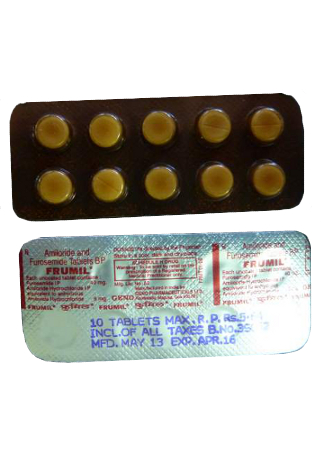
Amiloride
- You can obtain amiloride from community and hospital pharmacies (marketed in Canada as Amiloride or Apo‑Amiloride); it is generally a prescription‑only medicine (Rx) in Canada, the UK, Australia and most EU countries — note that while some pharmacies or suppliers may dispense medicines without a prescription, this is not recommended and may not be lawful or safe.
- Amiloride is used to treat oedema, hypertension and as adjunct therapy in congestive heart failure; it is a potassium‑sparing diuretic that blocks epithelial sodium channels (ENaC) in the distal nephron, reducing sodium reabsorption and decreasing potassium excretion.
- Usual adult doses are 5–10 mg once daily initially; for congestive heart failure 5–20 mg/day in divided doses (do not exceed 20 mg/day); when combined with a thiazide, amiloride is commonly started at 5 mg.
- Administered orally as tablets (most commonly 5 mg; 10 mg tablets available in some markets), or as fixed‑dose combinations with thiazide diuretics.
- Diuretic effects typically begin within about 2–4 hours after an oral dose.
- The action can last up to about 24 hours, so once‑daily dosing is common depending on the regimen.
- Avoid excessive alcohol while taking amiloride as alcohol can worsen dizziness, orthostatic hypotension and dehydration; drink cautiously and discuss with your prescriber.
- The most common side effec is hyperkalemia (high potassium); other common adverse effects include nausea, vomiting, diarrhoea, headache, dizziness, muscle cramps and fatigue.
- Would you like to try amiloride without a prescription?
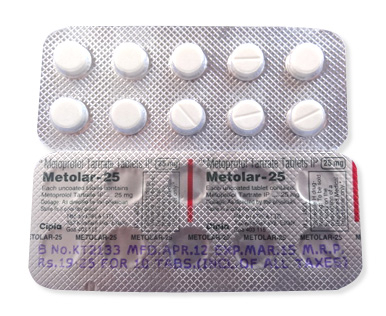
Basic Amiloride Information
- INN (International Nonproprietary Name): Amiloride.
- Brand Names Available In Canada (English): Amiloride; Apo-Amiloride — supplied as 5 mg tablets in bottles of 100 by Apotex, Sandoz and Teva Canada.
- ATC Code: C03DB01 (Potassium-Sparing Diuretics, Plain).
- Forms & Dosages: Tablets most commonly in 5 mg strength; some markets offer 10 mg. Combination products exist with thiazide diuretics.
- Manufacturers In Canada (English): Apotex; Sandoz; Teva Canada.
- Registration Status In Canada (English): Marketed — available from Canadian manufacturers with Health Canada oversight.
- OTC / Rx Classification: Rx Only (prescription-only medicine in Canada).
Major National Pharmacy Chains (Shoppers Drug Mart, Rexall, London Drugs)
Finding amiloride at a national chain is typically done with a valid prescription at the pharmacy counter.
Shoppers Drug Mart, Rexall and London Drugs commonly dispense generic amiloride under INN labels such as Amiloride or Apo-Amiloride supplied by Apotex, Sandoz and Teva Canada.
Some stores keep stock in the pharmacy area while others will order bottles of 100 tablets to the pharmacy centre on request.
Dispensing practices and fees vary by chain and by province because provincial drug plans affect out-of-pocket cost and reimbursement.
Online price displays are increasingly common on chain websites, but fulfilment still follows provincial regulatory rules for prescription medicines.
Cross-border sourcing remains a patient strategy for price comparison, but customs and Health Canada import rules apply and prescriptions may not be valid for importation.
| Chain | Typical Availability | Example Price (100 Tablets) |
|---|---|---|
| Shoppers Drug Mart | Pharmacy stock or order to store | $25–$55 CAD |
| Rexall | Generally by prescription; may order | $20–$50 CAD |
| London Drugs | Available at larger locations; orderable | $18–$45 CAD |
Online Pharmacy Trends In Canada (Including Provincial Restrictions)
Online pharmacies in Canada list amiloride pricing and often accept e-prescriptions from Canadian prescribers.
Provincial rules affect how online pharmacies bill and ship drugs, with Quebec requiring RAMQ-linked billing in many cases.
Ontario Drug Benefit eligibility and BC PharmaCare procedures influence whether the patient pays full price or receives reimbursement.
Some online pharmacies display Apo-Amiloride cost or Amiloride price Canada to help patients compare options before submitting a prescription.
Electronic prescribing speeds fulfilment, but dispensing fees and shipping still vary; check whether provincial formularies list the generic DIN before assuming coverage.
Cross-border online purchasing is used by some patients to seek lower prices, but customs seizure, lack of Canadian DIN labelling and differing regulatory standards are risks to consider.
Price Ranges By Package Size (With Provincial Differences)
Expect modest generic savings across provinces but meaningful differences due to dispensing fees and provincial markups.
Typical retail price variations run between $15 and $60 CAD for a 100-tablet bottle of 5 mg amiloride, depending on the province and pharmacy.
Smaller provinces and independent pharmacies sometimes report occasional supply issues that can push prices higher when reorders are delayed.
When a provincial drug plan covers amiloride, patient cost may fall significantly after dispensing fees or copay adjustments.
Comparing Shoppers Drug Mart amiloride or Rexall pricing online before pickup helps identify the best local option.
For patients tracking costs, request a price breakdown showing medication cost, markup and dispensing fee to understand total out-of-pocket expense.
Forum And Review Platforms (Reddit Canada, HealthBoards, AskDocs)
Patients use Reddit Canada threads and HealthBoards to share real-world experiences about amiloride therapy and availability.
Common posts describe using amiloride as a potassium-sparing adjunct when taking thiazides or managing oedema and heart failure.
Community posts frequently ask about monitoring, how often blood tests are needed, and provincial coverage under plans like ODB or PharmaCare.
Some users on AskDocs and provincial community forums describe pharmacist substitution between brands and confusion about DIN labelling.
Feedback often focuses on practical issues such as refill timing, pharmacy ordering delays in smaller centres, and ease of obtaining lab monitoring through primary care.
Reported Benefits And Challenges From Canadian Patients
Many patients report fewer low-potassium episodes when amiloride is added to thiazide therapy.
Reported benefits include modest reduction in edema, simpler dosing with 5 mg tablets, and lower need for potassium supplements.
Challenges cited include concern about hyperkalemia risk in older adults or people with chronic kidney disease, and the need for ongoing bloodwork.
Supply interruptions in smaller provinces lead to occasional stress about timely refills.
Some patients report preferring internationally known brand names like Midamor from non-Canadian listings, though Canadian supply is predominantly generic.
Common Patient-Reported Pros
- Preserves potassium compared with thiazide alone.
- Convenient 5 mg tablets and standard 100-tablet bottles.
- Affordable generic options from Canadian manufacturers.
Common Patient-Reported Cons
- Risk of hyperkalemia, especially with ACE inhibitors or CKD.
- Requirement for frequent lab monitoring.
- Occasional pharmacy supply issues in rural areas.
Testimonial: "My doctor added amiloride to my thiazide and my potassium stayed normal, but I needed blood tests more often at first."
INN And Brand Names Used In Canada
The International Nonproprietary Name is Amiloride and Canadian packages are labelled as Amiloride or Apo-Amiloride.
Canadian manufacturers listed in national supply include Apotex, Sandoz and Teva Canada, commonly in 5 mg tablets and bottles of 100.
Internationally, Midamor is a known brand name but Canadian distribution is primarily generic.
Product pages should show the active substance as amiloride hydrochloride when that appears on the label and list the manufacturer and DIN where available.
Keep ATC classification (C03DB01) visible to help clinicians and patients identify therapeutic class and alternatives.
- INN
- Amiloride
- Brand
- Amiloride; Apo-Amiloride
- Strength
- 5 mg tablets (common)
- Manufacturer
- Apotex; Sandoz; Teva Canada
- DIN
- Not specified on public summary; display DIN from manufacturer labelling on product page.
- ATC
- C03DB01
- Rx Status
- Prescription Only
Approved Uses (Health Canada DIN Context)
Health Canada–marketed amiloride with an assigned DIN is used as a potassium-sparing diuretic for oedema and as adjunct therapy in hypertension and congestive heart failure.
Typical adult starting doses are 5–10 mg daily, with titration up to 20 mg/day in divided doses for congestive heart failure where clinically indicated.
On product pages, approved indications must be listed according to the DIN monograph and labelled as approved uses.
Clinical monitoring guidance from product monographs recommends baseline and periodic serum potassium and creatinine checks.
Off-Label Patterns In Canadian Healthcare
Off-label patterns include combining amiloride with thiazide diuretics to balance potassium while enhancing natriuresis in resistant hypertension.
Rare specialist use includes targeted management of lithium-induced nephrogenic diabetes insipidus, typically under nephrology guidance.
Primary-care prescribers generally adopt conservative dosing and closer monitoring for elderly patients and those with renal impairment.
| Indication | Typical Starting Dose | Monitoring Frequency |
|---|---|---|
| Edema / Hypertension | 5–10 mg daily | Baseline, then 3–7 days after start, then periodic |
| Congestive Heart Failure | 5–20 mg/day divided | Baseline, 3–7 days after change, regular follow-up |
| Combination With Thiazide | Start amiloride 5 mg with thiazide | Baseline and early recheck; monitor potassium |
Layman’s Explanation (Canadian Patient-Friendly Tone)
Worried about low potassium from your water pill? Amiloride helps stop the kidney from flushing out as much potassium while still helping remove extra salt and water.
It works by blocking tiny channels in the kidney tubule so less sodium is reabsorbed and less potassium is lost.
That means less swelling and a lower chance of needing extra potassium tablets when used with thiazides.
Patients should be told what to watch for — muscle weakness, palpitations, or feeling unusually tired — and to have blood tests as instructed.
Clinical Detail From Health Canada Resources
Amiloride is an ENaC inhibitor acting in the distal nephron, reducing sodium reabsorption and decreasing potassium excretion, classed under ATC C03DB01.
Health Canada product monographs recommend monitoring serum potassium and renal function and advising caution with concomitant ACE inhibitors, ARBs, potassium supplements and other potassium-sparing drugs.
Include a short infographic on product pages showing the kidney tubule action and list interactions with RAAS inhibitors and potassium products.
Standard Regimens Per Canadian Guidelines
Common adult regimens start at 5 mg once daily or 5–10 mg/day, titrating as needed up to 20 mg/day in divided doses for heart failure.
When combined with a thiazide, a 5 mg amiloride starting dose is frequently used to offset potassium losses.
Renal function should be assessed before initiation and amiloride is contraindicated in severe renal impairment or anuria.
Baseline labs and an early follow up within 3–7 days are standard to check serum potassium and creatinine.
Adjustments By Patient Type (With Canadian Clinical Notes)
Begin elderly patients on the lowest effective dose (commonly 5 mg) because of higher hyperkalemia risk and potential renal impairment.
Do not initiate amiloride if baseline potassium is greater than 5.5 mmol/L.
For missed doses, patients should take the dose when remembered unless it is close to the next dose, and should not double up.
Overdose requires urgent medical care for hyperkalemia and supportive treatment as indicated by clinical signs and labs.
Contraindications (Absolute And Relative)
Absolute contraindications include known hypersensitivity, anuria, acute or chronic severe renal impairment, Addison’s disease, and baseline K+ >5.5 mmol/L.
Relative cautions apply in mild-to-moderate renal dysfunction, diabetes mellitus, advanced age and hepatic impairment; close monitoring is required.
Patients on ACE inhibitors or ARBs, potassium supplements or other potassium-sparing agents require more frequent serum potassium checks.
Report serious adverse reactions to Health Canada’s MedEffect program and provide the DIN when available.
Common Side Effects (Health Canada-Approved List)
The most important adverse effect is hyperkalemia, which can lead to cardiac arrhythmias if not recognised.
Other common effects include nausea, vomiting, diarrhoea, headache, dizziness, muscle cramps and fatigue.
Severe allergic reactions and metabolic acidosis are rare but require urgent care.
Product pages should include an accessible warning box and a frequency-based list of side effects to support patient counselling.
Rare But Serious Events (With Canadian Pharmacovigilance Data)
Serious cardiac arrhythmias due to hyperkalemia are the key rare safety concern documented in post-market surveillance.
Healthcare professionals should counsel patients on symptoms of hyperkalemia and keep an eye on drug interactions that raise potassium.
All serious events can be reported to MedEffect, and including the DIN in reports helps regulators identify the exact product batch.
Alternatives Table (With DIN References)
There are several potassium-sparing alternatives in Canada; choice depends on indication, kidney function and drug interactions.
| Drug | Typical Use | Pros | Cons |
|---|---|---|---|
| Triamterene | Potassium-sparing diuretic; similar use | Similar potassium-sparing effect | Different chemical profile; also risk of hyperkalemia |
| Spironolactone | Aldosterone antagonist for HF and resistant HTN | Mortality benefit in selected HF populations | Endocrine side effects; requires monitoring |
| Eplerenone | Aldosterone antagonist | Fewer endocrine side effects than spironolactone | More costly; still increases potassium |
Pros And Cons List
Pros for amiloride include effective potassium sparing, simple 5 mg dosing and generic affordability from Canadian manufacturers.
Cons include risk of hyperkalemia in renal impairment and fewer large mortality RCTs versus some aldosterone antagonists for heart failure outcomes.
Major Canadian Or International Studies 2022–2025
Recent observational studies and registry analyses have focused on hyperkalemia risk in older adults and patients with CKD taking potassium-sparing diuretics plus RAAS inhibitors.
Pharmacoepidemiology papers emphasise the need for careful monitoring when combining amiloride with ACE inhibitors or ARBs.
Ongoing trials to watch include combination diuretic regimens for resistant hypertension and heart failure subgroups with results expected through 2025.
Product pages should link to PubMed and Health Canada monographs for primary sources and avoid overstating early findings.
Common Patient Questions In Canada
Q: Is a prescription required?
A: Yes — Health Canada classifies amiloride as prescription-only and marketed products have a DIN; check with your prescriber.
Q: Will provincial drug plans cover it?
A: Coverage varies by plan and province; Ontario Drug Benefit, BC PharmaCare and RAMQ have different eligibility rules and formulary listings.
Q: How often will I need blood tests?
A: Baseline labs are required, then a check within 3–7 days after starting or changing dose, and periodic monitoring thereafter per prescriber.
Q: Can I take potassium supplements while on amiloride?
A: Not without prescriber approval because of the heightened hyperkalemia risk.
Q: Can I buy online or cross-border?
A: Canadian online pharmacies can dispense with a valid prescription; cross-border imports involve customs and regulatory complexities — consult a pharmacist.
Q: What if I miss a dose?
A: Take the missed dose when remembered unless it is near the next scheduled dose; do not double up.
Note: In our online pharmacy, amiloride is available without a prescription, with discreet delivery to Canada in 5-14 days.
Health Canada Approval Process
Health Canada reviews chemistry, manufacturing, controls and clinical data before granting a Drug Identification Number that uniquely identifies a marketed product.
Post-market surveillance runs through MedEffect and manufacturers must keep product monographs updated with safety information.
For imported or foreign-branded products like Midamor, pharmacists must verify Health Canada approval and the local DIN before dispensing.
DIN Number Relevance
The DIN is essential for identifying the exact marketed product and helps patients and clinicians find the appropriate monograph, dosing and safety information.
Product pages should display the DIN prominently to aid reporting and to support provincial reimbursement processes.
Infographic Ideas For Canadian Context
Recommended visuals include a kidney action infographic showing ENaC blockade and the effects on sodium and potassium balance.
A dosing and monitoring flowchart tailored to Canadian clinical steps (baseline → 3–7 day check → ongoing intervals) helps patients follow instructions.
A provincial price and availability map indicating major chains and typical pharmacy listings clarifies where to purchase locally.
An interaction matrix using traffic-light coding for ACE inhibitors, ARBs, potassium supplements and NSAIDs aids quick risk checks.
All visuals should be bilingual where possible and mobile-optimised with alt text for accessibility.
In-Store Vs. Online Canadian Purchase Tips
Always obtain a valid prescription and check provincial formularies for coverage before purchase.
In-store shopping at Shoppers Drug Mart, Rexall or London Drugs provides immediate counselling and easier lab referrals.
Online pharmacies may be cost-competitive but compare dispensing fees, shipping times and whether the product carries a Canadian DIN on the label.
Cross-border purchases may save money but risk lacking Canadian labelling and face customs regulations and prescription validity issues.
Proper Storage With Canadian Climate Considerations
Store amiloride tablets at 20–25°C (68–77°F) protected from moisture and light as per manufacturer guidance.
Avoid leaving bottles in freezing vehicles during winter or exposed to high heat in summer; keep medication in original container with a child-resistant cap.
When travelling, carry the prescription and DIN information; pharmacists can provide documentation to support border checks if required.
Canadian Doctor/Pharmacist Advice Style
Clinicians should obtain baseline serum potassium and creatinine before initiating amiloride and avoid starting if K+ is above 5.5 mmol/L.
Begin at 5 mg daily for most patients and titrate cautiously, especially when combined with thiazides or RAAS inhibitors.
Counsel patients about hyperkalemia symptoms such as muscle weakness or palpitations and instruct them to seek immediate care if these occur.
Review all medications, including over-the-counter NSAIDs and herbal supplements that may affect kidney function or potassium balance.
Provide a printed monitoring schedule and a short pharmacist counselling script outlining when to have labs and when to call the clinic.
Delivery Across Canada (English)
| City | Region | Delivery Time |
|---|---|---|
| Toronto | Ontario | 5-7 days |
| Montreal | Quebec | 5-7 days |
| Vancouver | British Columbia | 5-7 days |
| Calgary | Alberta | 5-7 days |
| Ottawa | Ontario | 5-7 days |
| Edmonton | Alberta | 5-7 days |
| Winnipeg | Manitoba | 5-7 days |
| Halifax | Nova Scotia | 5-9 days |
| Victoria | British Columbia | 5-7 days |
| St. John’s | Newfoundland and Labrador | 5-9 days |
| Saskatoon | Saskatchewan | 5-9 days |
| Regina | Saskatchewan | 5-9 days |
| Kelowna | British Columbia | 5-9 days |
| Charlottetown | Prince Edward Island | 5-9 days |
Final Practical Notes For Canadian Patients
Keep an up-to-date medication list and bring it to every appointment so prescribers can spot interaction risks with ACE inhibitors, ARBs or potassium supplements.
Ask the pharmacist to confirm the DIN and manufacturer before accepting a new bottle and to explain monitoring timelines.
If supply problems occur in a local pharmacy, request a transfer or an expedited order rather than skipping doses.
Report any concerning symptoms immediately and consider enrolling in provincial lab programs that facilitate timely bloodwork when starting or changing therapy.
For questions about amiloride price Canada or Apo-Amiloride cost, speak to a pharmacist for an up-to-date price check and formulary guidance.