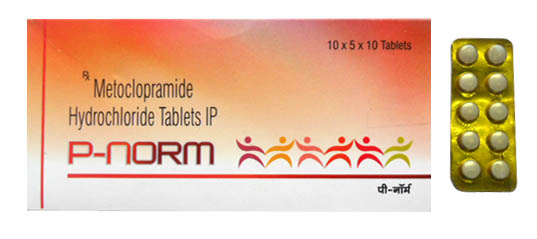
Allopurinol
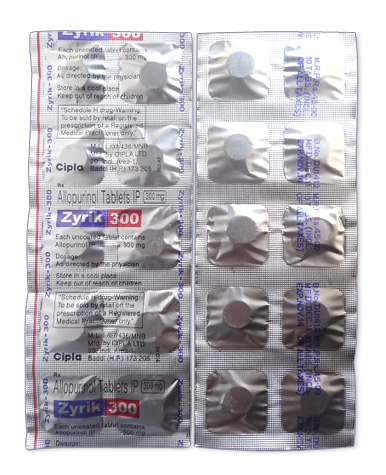
Allopurinol
- Allopurinol is officially a prescription-only medicine in Canada and most countries (FDA, EMA, MHRA, TGA, PMDA); however, some pharmacies or online vendors may supply it without a prescription—this is not recommended and you should consult a healthcare professional before use.
- Allopurinol is used to treat gout and chronic hyperuricemia, to prevent uric acid kidney stones and for tumour lysis syndrome prophylaxis; it is a xanthine oxidase inhibitor that reduces uric acid production.
- Typical adult dosing starts at 100 mg/day and is titrated by serum uric acid: usual maintenance 200–300 mg/day for mild cases, 400–600 mg/day for more severe disease, with doses up to 800 mg/day in specialist care; children (when indicated) 10–20 mg/kg/day (max ~400 mg/day); reduce dose in renal impairment.
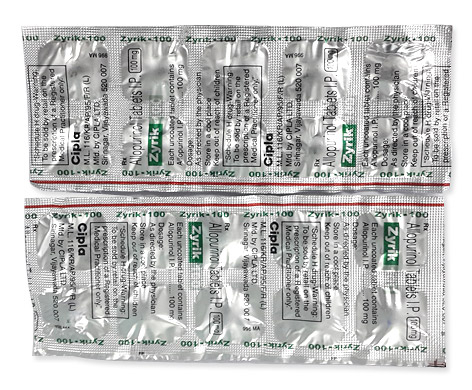
- Allopurinol is given orally as tablets (commonly 100 mg and 300 mg film‑coated tablets); some regions have 200/400 mg strengths or suspensions; there are no standard injectable forms.
- Urate‑lowering effects begin over days to weeks, often measurable within 1–2 weeks; clinical benefits (fewer flares, reduction of tophi) typically take weeks to months.
- The active metabolite (oxypurinol) provides a prolonged effect enabling once‑daily dosing; clinically relevant urate suppression is maintained while the drug is taken (oxypurinol half‑life around 18–30 hours).
- Avoid excessive alcohol when taking allopurinol — alcohol raises uric acid and can precipitate gout flares and may increase liver strain; discuss safe alcohol use with your prescriber.
- The most common side effects are skin rash (which can signal a serious reaction and requires immediate stopping and medical review) and gastrointestinal upset (nausea, diarrhoea); other effects include mild liver enzyme elevations, headache and drowsiness, and possible acute gout flares when starting therapy.
- Would you like to try allopurinol without a prescription? Please note that allopurinol is prescription-only and should be used under medical supervision with appropriate monitoring.
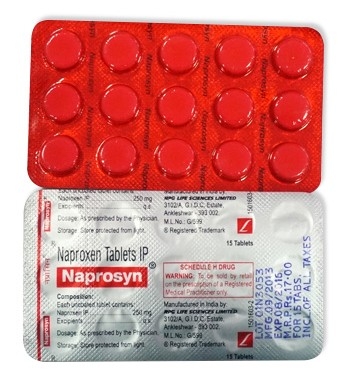
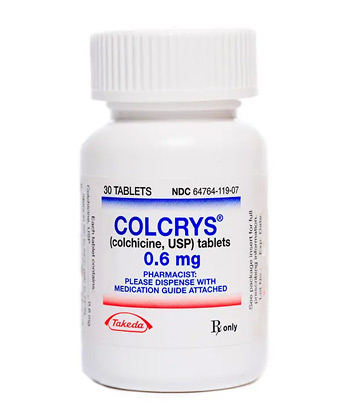
Basic Allopurinol Information
- INN (International Nonproprietary Name): Allopurinol (also referenced as Allopurinolum or Allopurinolum Ph. Eur. in some pharmacopeias).
- Brand Names Available In Canada (English): Zyloprim and generic allopurinol are representative brand names and packaging noted for USA and Canada; other international brands include Zyloric and manufacturer generics from Teva, Sandoz, Mylan, Accord and Zentiva.
- ATC Code: M04AA01 (Preparations Inhibiting Uric Acid Production; xanthine oxidase inhibitor class).
- Forms & Dosages: Tablets are the standard oral forms, commonly available as 100 mg and 300 mg tablets.
- Manufacturers In Canada (English): Major global suppliers that supply generic product lines include Teva, Sandoz, Mylan, Accord, Zentiva, Aspen and other multinational generic suppliers; Sanofi markets Zyloric historically.
- Registration Status In Canada (English): Allopurinol is widely registered internationally and is listed as an essential medicine; marketed allopurinol products sold in Canada are registered with Health Canada and carry Drug Identification Numbers (DINs) for each strength and manufacturer.
- OTC / Rx Classification: Prescription-only (Rx) in Canada and other territories due to risk of serious side effects.
Availability & Price Landscape
Major National Pharmacy Chains
Where can patients usually find allopurinol in Canada?
Major national chains such as Shoppers Drug Mart, Rexall and some London Drugs locations commonly stock generic allopurinol tablets, and some outlets still list branded Zyloprim or Zyloric where available.
Community pharmacies and selected Jean Coutu locations may also dispense allopurinol depending on local inventory.
Pharmacists at these chains frequently assist with DIN verification and coverage questions for provincial plans.
Online Pharmacy Trends In Canada
How are Canadians using online pharmacies for allopurinol?
Online Canadian pharmacies and telepharmacy services increasingly offer home delivery, price comparisons and pharmacist counselling for allopurinol orders.
Provincial dispensing rules can limit online-only substitution or require local pharmacist verification before final dispensing.
Cross-border purchases from US pharmacies remain common for price-sensitive buyers but carry customs and regulatory risks; verify DIN equivalence where possible.
Price Ranges By Package Size
What affects the out-of-pocket cost for allopurinol in Canada?
Price depends on pack size, brand versus generic status and whether provincial coverage applies through plans like ODB, BC PharmaCare or RAMQ in Quebec.
Expect generics to be substantially cheaper than branded Zyloprim or Zyloric equivalents.
Provincial formularies and private insurers shape co-payments and prior-authorization requirements; always check the DIN on the pharmacy label for reimbursement eligibility.
Suggested verification steps: compare in-store and online pricing, confirm the DIN on the package, and consult provincial formulary search tools.
Canadian Patient Insights & Satisfaction Levels
Forum And Review Platforms
Where do patients share experiences about allopurinol?
Canadian users report experiences on Reddit Canada, HealthBoards, AskDocs and local patient groups, often seeking practical advice about titration and monitoring.
These forums are valuable for real-world feedback but vary in clinical reliability and should not replace professional advice.
Reported Benefits And Challenges From Canadian Patients
What do Canadians say helps or hinders successful treatment?
Many patients describe clear reductions in gout flares and lower uric acid after titration to effective doses, with common starting ranges of 100–300 mg per product information.
Reported challenges include early flare-ups when starting therapy, skin rash concerns, delays obtaining prescriptions or prior authorizations, and arranging baseline bloodwork.
Pharmacist counselling at community pharmacies such as Shoppers Drug Mart often helps with titration plans and scheduling creatinine or liver tests.
Patients on public formularies frequently report lower cost and improved adherence compared with those paying full out of pocket.
Common patient-reported benefits and challenges:
- Benefits: fewer flares, gradual reduction of tophi, clear laboratory targets to aim for.
- Challenges: initiation flares, skin reaction anxiety, access delays, monitoring logistics.
Product Overview & Brand Variants
INN And Brand Names Used In Canada
What should a product page show about identity?
The International Nonproprietary Name is allopurinol, sometimes listed as Allopurinolum in pharmacopeias.
In Canada the product is available as generic allopurinol and historically as Zyloprim; strengths commonly supplied are 100 mg and 300 mg tablets.
Manufacturers supplying generics include major multinational suppliers that appear across international markets.
Legal Classification Under Health Canada
How is allopurinol regulated?
Allopurinol is prescription-only under Health Canada and marketed products carry a Drug Identification Number (DIN) that identifies manufacturer, strength and formulation.
Product pages should display the DIN prominently since it determines provincial reimbursement and is referenced in the product monograph and ATC classification M04AA01.
Indications In Local Canadian Medical Practice
Approved Uses (Health Canada DIN Context)
What conditions is allopurinol approved to treat?
Health Canada–aligned product monographs indicate allopurinol for chronic gout and hyperuricemia management, prevention of uric acid nephrolithiasis and prophylaxis for tumour lysis syndrome in oncology settings.
Dosage must be titrated to target serum uric acid levels and documented per the DIN-bound product monograph.
Off-Label Patterns In Canadian Healthcare
When is allopurinol used outside typical indications?
Situational uses include paediatric oncology hyperuricaemia protocols and select cases for recurrent uric acid stones, always documented under local committee guidance.
Clinicians generally avoid starting allopurinol during an acute gout attack and follow guideline-driven titration to maintenance doses.
Indication → Typical Starting → Maintenance → Monitoring:
- Chronic Gout: Start 100 mg/day; maintain 200–300 mg/day for mild disease; monitor serum uric acid and renal function.
- Severe Hyperuricemia/Tophi: May require 400–600 mg/day with closer monitoring.
- Tumour Lysis Prophylaxis: Short-term higher dosing (600–800 mg/day divided) under oncology supervision.
How It Works In The Body
Layman’s Explanation
What does allopurinol do in plain language?
Allopurinol blocks an enzyme called xanthine oxidase that helps make uric acid, so less uric acid is produced over time and gout flares become less frequent.
Patients should expect uric acid to fall over weeks to months and for tophi and flare frequency to reduce gradually rather than immediately.
Starting treatment can sometimes trigger transient gout flares, which is why clinicians commonly advise co-prescribing colchicine or an NSAID during early weeks.
Clinical Detail From Health Canada Resources
What are the clinical facts to include on a product page?
Allopurinol is classified ATC M04AA01 as a xanthine oxidase inhibitor that lowers urate production rather than increasing excretion.
Monitor renal and hepatic function, watch for dermatologic reactions which may indicate severe hypersensitivity, and consider HLA-B*5801 testing in at-risk ethnic groups per product monograph guidance.
Clinical facts at a glance:
- Mechanism: Xanthine oxidase inhibition → reduced uric acid synthesis.
- Timeline: Urate reduction over weeks; symptom benefit over months.
- Safety: Baseline renal/liver tests and rash vigilance are essential.
Dosage & Administration
Standard Regimens Per Canadian Guidelines
How should dosing be managed in adults?
Start low and titrate based on serum uric acid and clinical response, with a common adult initiation of 100 mg once daily and titration every 2–4 weeks up to usual maintenance of 200–300 mg/day for mild disease.
Severe cases may require 400–600 mg/day, and maximum reported doses up to 800 mg/day exist in product information but need specialist oversight and frequent monitoring.
Adjustments By Patient Type
How is dosing adjusted for renal impairment, children and older adults?
Renal impairment requires dose reduction; for example, CrCl below 20 mL/min is often limited to around 100 mg/day unless specialist guidance indicates otherwise.
Children receive dosing when indicated for chemotherapy-related hyperuricaemia at approximately 10–20 mg/kg/day up to 400 mg/day.
Elderly patients start at the lowest effective dose and undergo closer creatinine and liver monitoring.
Contraindications & Side Effects
Common (Health Canada‑Approved List)
What are the common side effects patients should expect?
Common adverse effects include skin rash, gastrointestinal symptoms like nausea or diarrhoea, headache, drowsiness and transient liver enzyme elevations.
Initiation may precipitate gout flares; prophylactic colchicine or NSAID cover is often advised during titration.
Rare But Serious (With Canadian Pharmacovigilance Data)
What are the serious risks and what should patients do?
Severe reactions include allopurinol hypersensitivity syndrome, Stevens‑Johnson Syndrome and toxic epidermal necrolysis, which can involve systemic organ failure.
HLA-B*5801 positivity is a known risk factor in certain Asian ancestry groups; consider testing where clinically indicated.
Action steps for patients:
- If rash develops: Stop the medicine and seek urgent medical assessment.
- Routine monitoring: Baseline and periodic renal and liver tests per product monograph.
Comparable Medicines In Canada
Alternatives Table
What are common alternatives to allopurinol in Canada?
| Drug | Canadian Brand | Mechanism | Indication | Renal Considerations |
|---|---|---|---|---|
| Febuxostat | Adenuric / Uloric (brand names vary) | Xanthine oxidase inhibitor | Alternative for allopurinol intolerance or inadequate response | Use caution; cardiovascular risk considerations and some formulary prior-authorizations may apply |
| Probenecid | Generic | Uricosuric agent | Used to increase uric acid excretion | Less effective with significant renal impairment |
| Rasburicase | Rapid-acting brand | Enzymatic uric acid degradation | Reserved for tumour lysis syndrome in hospital settings | Used even in renal impairment under specialist care |
Pros And Cons List
How to compare options quickly for patients?
- Allopurinol: Cost-effective generic option, well-established safety profile with monitoring; risk of hypersensitivity requires vigilance.
- Febuxostat: Useful when allopurinol intolerance occurs, but higher cost and cardiovascular safety signals require prescriber consideration.
- Probenecid: Good for patients with preserved renal function, but limited utility in renal impairment.
- Rasburicase: Effective for acute TLS, but hospital-administered and not a chronic option.
Current Research & Trends
Major Canadian Or International Studies 2022–2025
What recent evidence matters to clinicians and pharmacists?
Recent studies from 2022–2025 focus on comparative safety of xanthine oxidase inhibitors, cardiovascular outcomes with febuxostat versus allopurinol, and pharmacogenomic risk stratification using HLA-B*5801 to prevent severe cutaneous adverse reactions.
Canadian provincial database analyses contribute real-world adherence and safety data that inform formulary decisions and pharmacist-led titration protocols.
Oncology guidelines continue to refine when to use allopurinol versus rasburicase for tumour lysis prophylaxis based on patient risk factors and renal function.
Emerging trends include telepharmacy monitoring, pharmacist-led titration for chronic gout, and selective pharmacogenetic screening in high-risk populations.
Common Patient Questions In Canada
Do I Need A Prescription?
Yes, allopurinol is prescription-only in Canada and pharmacists will verify the prescription and the DIN on the package before dispensing.
Will My Provincial Plan Cover It?
Coverage varies by province and plan; check Ontario Drug Benefit, BC PharmaCare, RAMQ and private insurers using the DIN to confirm reimbursement and possible prior-authorization requirements.
Can I Start During A Gout Flare?
No, do not initiate allopurinol during an acute gout attack because it can worsen the flare; begin therapy only after the acute episode resolves unless guided otherwise by a specialist.
What Monitoring Is Needed?
Baseline and periodic renal and liver tests are recommended, plus serum uric acid to guide titration.
What If I Get A Rash?
Stop allopurinol immediately and seek urgent medical attention for evaluation of severe cutaneous adverse reactions.
Is Generic As Good As Brand?
Generics meet Health Canada standards and share DINs by product; many Canadians use generics for cost savings while receiving the same active ingredient and dosing strengths as branded formulations.
Regulatory Status
Health Canada Approval Process
How does Health Canada regulate allopurinol?
Products must be reviewed for safety, efficacy and quality prior to marketing and are assigned Drug Identification Numbers that identify the product, strength and manufacturer.
Post-market vigilance includes mandatory manufacturer reporting of serious adverse events and voluntary reporting by clinicians and patients to MedEffect Canada.
DIN Number Relevance
Why is the DIN important for patients and pharmacists?
The DIN must appear on packaging and is the reference for provincial formulary listings, adverse-event reporting and reimbursement eligibility.
Product pages should list relevant DIN(s), Health Canada status and link to the product monograph where available.
Visual Recommendations
Infographic Ideas For Canadian Context
What visuals help patients understand allopurinol?
Recommended assets include a dosage infographic showing stepwise titration from 100 mg upward with renal-adjustment callouts, a safety alert visual listing red-flag symptoms and immediate actions, and a provincial coverage map with quick links to Ontario, BC and Quebec formularies.
Also suggest a simple mechanism diagram of xanthine oxidase inhibition and a comparison image for alternatives with DIN callouts on packaging mock-ups.
Ensure all visuals include clear alt text and bilingual considerations where applicable for provincial landing pages.
Buying & Storage Advice
In-store Vs. Online Canadian Purchase Tips
How should Canadians buy allopurinol safely?
Obtain a valid prescription and confirm the DIN and strength (100 mg or 300 mg) at the dispensing pharmacy.
In-store pharmacists at Shoppers Drug Mart, Rexall or community pharmacies provide face-to-face counselling and can coordinate bloodwork.
Online Canadian pharmacies can be convenient but verify licence, pharmacist availability and that listings show the DIN and manufacturer.
In our online pharmacy, allopurinol is available without a prescription, with discreet delivery to Canada (English) in 5-14 days.
Cross-border purchases may offer savings but risk non-equivalent formulations or customs issues; check Health Canada guidance and DIN equivalence.
Proper Storage With Canadian Climate Considerations
How should allopurinol be stored in Canada?
Store below 25°C in the original packaging to protect from light and moisture, and do not freeze.
Avoid leaving medication in vehicles during cold winters or hot summer days; use insulated transport if shipping times are long.
Short storage do/don’ts:
- Do: Keep in original bottle/blister, store at room temperature away from moisture.
- Don’t: Leave pills in car trunks, expose to freezing temperatures or direct sunlight.
Guidelines For Proper Use
Canadian Doctor/Pharmacist Advice Style
What should clinicians and pharmacists cover at counselling?
Start at a low dose, explain the risk of initial flares and the benefit of prophylaxis with colchicine or an NSAID during titration, and set expectations for routine blood tests.
Review medication interactions, especially azathioprine and mercaptopurine, which require dose adjustments when co-prescribed with allopurinol.
Consider HLA-B*5801 testing in patients of Asian ancestry or other high-risk groups to reduce the risk of severe cutaneous adverse reactions.
Document the DIN, batch and counselling notes in the patient file and give clear follow-up intervals and pharmacy contact information.
Delivery Across Canada (English)
| City | Region | Delivery Time |
|---|---|---|
| Toronto | Ontario | 5-7 days |
| Montreal | Quebec | 5-7 days |
| Vancouver | British Columbia | 5-7 days |
| Calgary | Alberta | 5-7 days |
| Edmonton | Alberta | 5-7 days |
| Ottawa | Ontario | 5-7 days |
| Winnipeg | Manitoba | 5-7 days |
| Quebec City | Quebec | 5-7 days |
| Halifax | Nova Scotia | 5-9 days |
| Victoria | British Columbia | 5-9 days |
| Hamilton | Ontario | 5-7 days |
| Saskatoon | Saskatchewan | 5-9 days |
| Regina | Saskatchewan | 5-9 days |
| St. John's | Newfoundland and Labrador | 5-9 days |
| London | Ontario | 5-7 days |
Final Practical Notes
Keep the DIN from the pack when contacting your insurer or pharmacist to confirm coverage eligibility and to speed any prior-authorization process.
Always report serious adverse events to your prescriber and consider MedEffect Canada for voluntary reporting of suspected drug reactions.
Pharmacists can lead titration protocols in collaboration with prescribers, arranging baseline creatinine and liver enzyme checks and advising on prophylaxis for early flares.
For questions about pricing, coverage or delivery, contact the pharmacy team with the DIN and prescription details ready to streamline support.