
Arcoxia
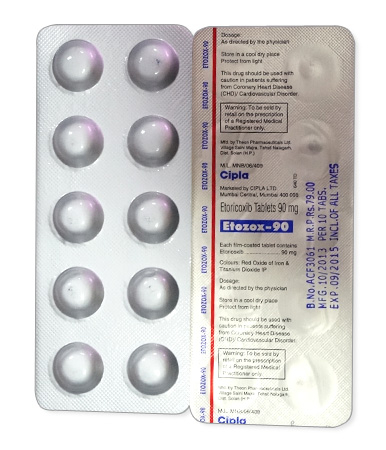
Arcoxia
- In countries where it is approved, Arcoxia is generally sold in pharmacies as a prescription-only medicine; availability varies by country (approved in 60+ countries but not approved in the United States). Note: in some markets or via some online sellers it may be obtainable without a prescription, but obtaining prescription-only medicines without a prescription is not recommended and may be illegal or unsafe.
- Arcoxia (etoricoxib) is used to relieve pain and inflammation in osteoarthritis, rheumatoid arthritis, ankylosing spondylitis, acute gouty arthritis, acute dental/postoperative pain and primary dysmenorrhea; it is a selective COX-2 inhibitor (coxib) that reduces prostaglandin synthesis.
- Usual doses: osteoarthritis 60 mg once daily; rheumatoid arthritis 90 mg once daily; ankylosing spondylitis 90 mg once daily; acute gout up to 120 mg once daily (maximum 8 days); acute pain/dysmenorrhea 120 mg once daily short-term (1–5 days); dental/postop pain 90–120 mg single dose or for 1–3 days. Not recommended in children <16 years; dose adjustments required in liver/renal impairment.
- Form of administration: oral film-coated tablet (available in 30 mg, 60 mg, 90 mg and 120 mg strengths), typically blister-packed.
- Onset time: rapid oral absorption with pain relief typically beginning within about 30–60 minutes.
- Duration of action: long-acting with once-daily dosing; effects generally last about 24 hours.
- Alcohol warning: avoid or limit alcohol while taking Arcoxia — alcohol increases the risk of gastrointestinal bleeding and liver injury and may worsen dizziness or other side effects.
- The most common side effect is gastrointestinal upset (dyspepsia), with other frequent effects including abdominal pain, diarrhea, headache, dizziness, edema and mild increases in blood pressure.
- Would you like to try arcoxia without a prescription?
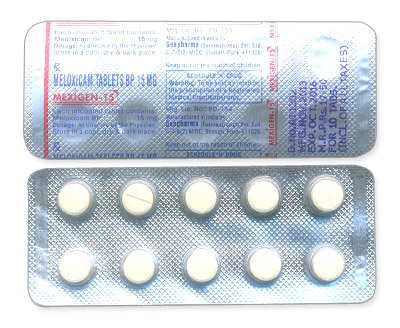
Basic Arcoxia Information
-
INN (International Nonproprietary Name): Etoricoxib
-
Brand Names Available In Canada (English): Arcoxia; other international brands include Exinef and Nucoxia, but Canadian availability should be verified via Health Canada listings.
-
ATC Code: M01AH05
-
Forms & Dosages: Film-coated tablets in 30 mg, 60 mg, 90 mg and 120 mg strengths; common box sizes internationally include 7, 14, 28 or 30 tablets.
-
Manufacturers In Canada (English): Merck Sharp & Dohme (MSD) is the global innovator and main manufacturer; local Canadian manufacturers are not specified.
-
Registration Status In Canada (English): Not specified.
-
OTC / Rx Classification: Prescription only (Rx).
-
Forms & Dosages Summary: See film-coated tablets 30/60/90/120 mg; blister pack sizes 7–30 tablets are commonly marketed internationally.
Availability & Price Landscape
Can I find Arcoxia easily in Canada and what will it cost me?
Arcoxia (etoricoxib) is a prescription-only COX‑2 inhibitor and is not sold over the counter.
Availability in Canada depends on whether a product is registered with Health Canada and on local stocking decisions by major chains.
Major national pharmacy chains such as Shoppers Drug Mart, Rexall, London Drugs and Jean Coutu may dispense Arcoxia by prescription or special order rather than carrying retail stock on shelves.
Online pharmacy searches show growing demand for mail-order, price-compare tools and discreet delivery options for arcoxia and other prescription anti-inflammatories.
Provincial dispensing rules, prescription transfer policies and prior authorisation vary by province and by chain.
Because Arcoxia is an internationally marketed Merck/MSD product, boxes commonly come in 7, 14, 28 or 30 film-coated tablets and strengths 30 mg, 60 mg, 90 mg and 120 mg.
Expect per-tablet price to fall with larger packs, and expect private plans and provincial programs such as Ontario Drug Benefit, BC PharmaCare and RAMQ to influence patient copays and coverage.
Many provincial formularies restrict COX‑2 use to certain indications or require prior authorisation.
| Pack Size | Typical Strengths | Price Range (Per Tablet) |
|---|---|---|
| 7 tablets | 30/60/90/120 mg | Not specified; per-tablet cost generally higher for small packs |
| 14 tablets | 30/60/90/120 mg | Not specified; expect lower per-tablet price than 7-pack |
| 28–30 tablets | 30/60/90/120 mg | Not specified; best per-tablet price for chronic therapy |
Cross-border purchase from the United States is uncommon for arcoxia because etoricoxib is not approved by the U.S. Food and Drug Administration.
Note that price transparency tools and pharmacist consultations are useful when comparing in-store and online pharmacy offers for arcoxia canada and etoricoxib prescription Canada.
Major National Pharmacy Chains (Shoppers Drug Mart, Rexall, London Drugs)
Worried a local store won’t have your prescription ready?
Large chains usually dispense prescription medicines like arcoxia after receiving a valid prescription and may special-order stock via corporate procurement.
Smaller branches in rural communities often require advance notice to order arcoxia 90mg or other strengths.
Chains differ on transfer policies, in‑store pharmacist services and online refill options.
Online Pharmacy Trends In Canada (Including Provincial Restrictions)
Can I order arcoxia online and have it mailed to my home?
Canadian licensed online pharmacies are increasingly used for mail-order prescriptions, price comparison and discreet delivery of prescription medicines.
Provincial rules determine where a pharmacist may ship and what documentation is required for a transferred prescription.
Compare pharmacies that display a valid DIN on product pages and provide pharmacist contact details for safe arcoxia ordering.
Price Ranges By Package Size (With Provincial Differences)
Will insurance or provincial plans lower my out-of-pocket cost?
Coverage varies considerably by private plans and public programs; many provinces require prior authorisation for COX‑2 agents.
Patients on provincial plans should check plan formularies and speak with their prescriber or pharmacist about prior-authorization steps for etoricoxib.
Canadian Patient Insights & Satisfaction Levels
What are Canadians saying online about arcoxia?
Conversations on platforms such as Reddit Canada, HealthBoards and condition-specific forums often note rapid pain relief with fewer stomach side effects compared with ibuprofen or naproxen.
Many patients report good short-term control for gout flares and postoperative dental pain when etoricoxib is used as prescribed.
Longer-term use prompts mixed reports with patients sometimes noting raised blood pressure or fluid retention.
Posts commonly describe access challenges in smaller centres and the need for prior authorisation on provincial formularies.
Some local community health centres and pharmacists in provinces like Ontario and British Columbia advise trying nonselective NSAIDs first and reserving COX‑2 therapy for patients with high gastrointestinal risk.
- Reported benefits: fast onset of pain relief, fewer GI complaints versus nonselective NSAIDs.
- Reported challenges: access in rural areas, prior‑authorisation hurdles, cost variability between stores and online.
- Monitoring concerns: patients frequently mention the need for blood pressure checks and reporting palpitations or signs of GI bleeding.
Product Overview & Brand Variants
What exactly is etoricoxib and how is it labelled?
The International Nonproprietary Name (INN) is etoricoxib.
The best-known global brand is Arcoxia, produced by Merck/MSD; other international brands include Exinef and Nucoxia.
Packaging internationally commonly includes blister packs with 7, 14, 28 or 30 film-coated tablets in strengths 30 mg, 60 mg, 90 mg and 120 mg.
Etoricoxib is classified as prescription-only in all markets.
Before listing an etoricoxib product on a Canadian pharmacy site, confirm a Health Canada Drug Identification Number (DIN) and product monograph.
| Attribute | Details |
|---|---|
| INN | Etoricoxib |
| Common Brand | Arcoxia (MSD) |
| Strengths | 30 mg, 60 mg, 90 mg, 120 mg |
| Packages | 7 / 14 / 28 / 30 film-coated tablet packs |
| DIN | Not specified — verify via Health Canada Drug Product Database |
Note: Arcoxia is not approved in the United States, so U.S. import is not a routine option.
Indications In Local Canadian Medical Practice
For which conditions do Canadian prescribers use arcoxia?
Internationally supported standard indications for etoricoxib map closely to Canadian clinical practice when prescribers judge benefits to outweigh risks.
Typical adult dosages by condition are: osteoarthritis 60 mg once daily, rheumatoid arthritis and ankylosing spondylitis 90 mg once daily, acute gout up to 120 mg once daily short term, and acute pain/dysmenorrhea short-term 120 mg once daily.
Dental postoperative pain is commonly treated with a single 90–120 mg dose or 1–3 day course in clinical practice.
Prescribers in Canada tend to reserve COX‑2 agents for patients with high GI risk or intolerance to nonselective NSAIDs and will follow provincial formulary rules when applicable.
| Indication | Typical Adult Dose | Max Duration / Notes |
|---|---|---|
| Osteoarthritis | 60 mg once daily | Chronic use at lowest effective dose |
| Rheumatoid Arthritis | 90 mg once daily | Chronic; monitor |
| Ankylosing Spondylitis | 90 mg once daily | Chronic; monitor |
| Acute Gouty Arthritis | Up to 120 mg once daily | Max 8 days |
| Acute Pain / Dysmenorrhea | 120 mg once daily | Short term (1–5 days) |
| Dental/Postoperative Pain | 90–120 mg single dose or 1–3 days | Short term |
Approved vs commonly used off‑label: use per prescriber instruction and follow duration limits for acute indications.
How It Works In The Body
How does arcoxia relieve pain with fewer stomach problems?
Etoricoxib selectively inhibits the COX‑2 enzyme that drives inflammation and pain while generally sparing COX‑1, which helps protect the stomach lining.
COX‑2 selectivity explains the lower rates of gastrointestinal complications compared with nonselective NSAIDs for many patients.
That selectivity also shifts the adverse‑event profile toward cardiovascular concerns such as blood pressure elevation and fluid retention.
The ATC classification for etoricoxib is M01AH05, reflecting its role as a musculoskeletal COX‑2 selective NSAID.
- COX‑1: enzyme involved in gastric protection and platelet function.
- COX‑2: enzyme upregulated in inflammation and pain.
- Selectivity: relative preference of a drug for COX‑2 over COX‑1 and how that affects benefits/risks.
For balanced counselling, explain both the GI benefit and the cardiovascular caution when discussing etoricoxib with patients.
Dosage & Administration
What dose should I expect to be prescribed for my condition?
Use the lowest effective dose for the shortest possible duration consistent with treatment goals.
Standard regimens from available product information are: osteoarthritis 60 mg once daily; rheumatoid arthritis and ankylosing spondylitis 90 mg once daily; acute gout up to 120 mg once daily (max 8 days); acute pain/dysmenorrhea 120 mg daily short term; dental pain 90–120 mg single dose or 1–3 days.
Children under 16 years are not recommended to use etoricoxib.
Hepatic impairment dosing: mild impairment maximum 60 mg daily; moderate impairment maximum 30 mg daily; severe impairment contraindicated.
Renal impairment: severe renal impairment (CrCl <30 mL/min) is contraindicated; mild–moderate impairment requires monitoring but no routine adjustment.
| Indication | Typical Dose | Max Duration | Notes |
|---|---|---|---|
| Osteoarthritis | 60 mg once daily | Chronic | Lowest effective dose |
| Rheumatoid Arthritis | 90 mg once daily | Chronic | Monitor |
| Acute Gout | Up to 120 mg once daily | Max 8 days | Short course only |
| Dental Pain | 90–120 mg single dose or 1–3 days | 1–3 days | Short-term use |
Missed dose: take as soon as remembered unless close to the next dose; do not double up.
Overdose management is supportive; there is no specific antidote.
Contraindications & Side Effects
Who should not take arcoxia and what should patients watch for?
Absolute contraindications include hypersensitivity to etoricoxib or excipients, history of NSAID‑induced asthma or hives, active or past GI ulcers or bleeding, severe hepatic dysfunction, CrCl <30 mL/min, uncontrolled hypertension, congestive heart failure, ischaemic heart disease, cerebrovascular or peripheral artery disease, pregnancy, lactation and use in children under 16 years.
Concurrent use with other NSAIDs is contraindicated.
Common side effects are dyspepsia, abdominal pain, diarrhoea, headache, dizziness, oedema, mild blood pressure elevation and rash.
Rare but serious reactions include severe skin reactions such as AGEP or erythema multiforme, gastrointestinal bleeding, myocardial infarction, stroke and acute kidney injury.
Report suspected adverse reactions to Health Canada’s Canada Vigilance Program and include product details such as lot number and DIN when available.
- Absolute Contraindications: listed above and should be confirmed before dispensing.
- Relative Cautions: elderly patients, those with prior GI disease, mild-moderate hepatic or renal impairment, dehydration, or on diuretics.
Comparable Medicines In Canada
What are alternatives to arcoxia if my prescriber wants something different?
Key alternatives include celecoxib (Celebrex) as another COX‑2 option and nonselective NSAIDs such as ibuprofen, naproxen and diclofenac.
| Medicine | Class | Typical Dose | Common Indications | Notes |
|---|---|---|---|---|
| Celecoxib (Celebrex) | COX‑2 inhibitor | Varies by indication | Osteoarthritis, RA, acute pain | COX‑2 alternative; check DIN and formulary coverage |
| Ibuprofen | Nonselective NSAID | 200–400 mg every 4–6 hours | Pain, fever, inflammation | More GI risk vs COX‑2s; widely available OTC |
| Naproxen | Nonselective NSAID | 250–500 mg twice daily | Pain, arthritis | Longer duration of action; check interactions |
Pros and cons: COX‑2s like etoricoxib often cause fewer GI ulcers but carry cardiovascular concerns, while nonselective NSAIDs may have higher GI risk but different cardiovascular profiles.
Discuss interactions with agents such as ACE inhibitors, diuretics and anticoagulants with your prescriber or pharmacist.
Current Research & Trends
What recent evidence should patients and prescribers know about?
Recent international and Canadian-focused literature has emphasised cardiovascular risk stratification for COX‑2 inhibitors and compared GI protection and analgesia onset of etoricoxib versus other NSAIDs.
Studies continue to support rapid oral absorption and effective short-term analgesia for dental pain and gout flares while warning about dose‑related cardiovascular risk in longer use.
Canadian research often examines real-world prescribing patterns, formulary restrictions and pharmacist-led therapeutic switches.
- Top references should include systematic reviews and product monograph advisories from regulatory authorities for evidence grading.
- Practice trends favour lowest effective dose and reviewing cardiovascular risk when choosing COX‑2 therapy.
- Short-course use for acute pain remains supported by efficacy data, with monitoring for adverse events.
Common Patient Questions In Canada
What do Canadians most often ask about arcoxia when calling a pharmacy?
Can I get Arcoxia without seeing a doctor? No — arcoxia is prescription-only in standard clinical practice.
Will my provincial drug plan cover it? Coverage varies and many provinces require prior authorisation or restrict COX‑2 use to specific diagnoses; check Ontario Drug Benefit, BC PharmaCare or RAMQ for plan details.
Is Arcoxia safer for the stomach? COX‑2 selectivity generally reduces GI ulcer risk versus nonselective NSAIDs, but cardiovascular risk must be considered.
Can I take it with blood pressure medication? Use with caution; monitor blood pressure and renal function as interactions or effect on BP are possible.
What if I miss a dose? Take as soon as remembered unless the next dose is near; do not double the dose.
How long can I use it? Short term for acute pain (typically 1–8 days depending on indication); chronic use requires regular review.
Regulatory Status
Is arcoxia approved and how do I confirm a product is legitimate?
Health Canada evaluates safety, efficacy and quality and maintains the Drug Product Database where DINs, product monographs and authorization dates appear.
Arcoxia is a globally approved etoricoxib product in many countries, but any Canadian listing must confirm Health Canada approval and a valid DIN before sale.
The DIN number is essential for product pages and for adverse event reporting.
Remember that etoricoxib is not approved in the United States, which explains why U.S. pharmacies do not routinely stock it.
Visual Recommendations
Which images and charts help customers decide whether arcoxia is right for them?
Recommended visuals include an infographic showing strengths (30/60/90/120 mg) and pack sizes (7/14/28/30) with quick dosing guidance.
Include a risk/benefit heatmap contrasting short-term GI vs CV risk and a decision flowchart titled “Is Arcoxia Right For You?” with red-flag prompts to contact a prescriber.
Use a comparison table of Arcoxia vs celecoxib vs ibuprofen with DIN placeholders and a local access map showing major chains and provincial drug plan links.
Always attribute dosing and safety figures to Health Canada or the product monograph when displayed.
Buying & Storage Advice
How should I buy and store arcoxia safely in Canada?
Arcoxia requires a prescription and can be dispensed at Shoppers Drug Mart, Rexall, London Drugs, Jean Coutu or community pharmacies once a prescription is supplied.
For rural or smaller centres, call ahead to check stock or request a special order for arcoxia 90mg or other strengths.
In our online pharmacy, arcoxia is available without a prescription, with discreet delivery to Canada (English) in 5-14 days.
When using online pharmacies, confirm licensing, pharmacist availability, and that the product page displays a valid DIN.
Storage: keep tablets below 30°C, protected from moisture and direct light, and keep them in their original blister packaging.
In Canadian winters avoid leaving tablets in a vehicle where freezing could occur.
- Checklist for buying: confirm DIN, check for pharmacist consultation, compare dispensing fees and insurance coverage.
- Checklist for shipping: ensure the package protects against moisture and avoid prolonged heat in summer transit.
Guidelines For Proper Use
What will my pharmacist check before dispensing arcoxia?
The prescriber and pharmacist should weigh GI versus cardiovascular risks and select the lowest effective dose for the shortest duration.
Pharmacy counselling should confirm the indication, review cardiac history, hypertension, hepatic and renal function, current medicines including anticoagulants and ACE inhibitors, pregnancy/lactation status and any previous NSAID reactions.
Long-term users should have periodic blood pressure and renal monitoring.
For acute pain inform patients about expected rapid onset and when to seek urgent care for chest pain, shortness of breath, black stools or severe abdominal pain.
Provide a printable one-page handout showing DIN, strength, dosing, red flags and provincial coverage guidance.
Delivery Across Canada (English)
| City | Region | Delivery Time |
|---|---|---|
| Toronto | Ontario | 5-7 days |
| Montreal | Quebec | 5-7 days |
| Vancouver | British Columbia | 5-7 days |
| Calgary | Alberta | 5-7 days |
| Edmonton | Alberta | 5-7 days |
| Ottawa | Ontario | 5-7 days |
| Winnipeg | Manitoba | 5-7 days |
| Quebec City | Quebec | 5-7 days |
| Halifax | Nova Scotia | 5-7 days |
| Victoria | British Columbia | 5-7 days |
| Hamilton | Ontario | 5-9 days |
| Kitchener | Ontario | 5-9 days |
| London | Ontario | 5-9 days |