Sleep disorders affect millions of Canadians and can significantly impact your quality of life. Insomnia, the most common sleep disorder, involves difficulty falling asleep, staying asleep, or waking too early. Other conditions like sleep apnea, restless leg syndrome, and jet lag can also disrupt your rest. If you find yourself lying awake for more than 20-30 minutes or waking multiple times during the night, it may be time to consider sleeping aids.
Poor sleep can lead to daytime fatigue, difficulty concentrating, mood changes, and weakened immunity. Many people struggle with temporary sleep issues due to stress, schedule changes, or medical conditions. Before choosing a sleeping aid, it's important to understand what's causing your sleep problems. Consulting with a healthcare provider can help identify the root cause and determine the most appropriate treatment option for your situation.
Over-the-counter sleeping aids are readily available at Canadian pharmacies without a prescription. These products are designed for occasional use and are generally considered safe for most adults when used as directed.
Popular brands like Nytol and Sleep-Eze contain diphenhydramine, an antihistamine that causes drowsiness. These are among the most affordable options and work by blocking histamine receptors in the brain. They typically take 30 minutes to one hour to become effective and are suitable for occasional sleeplessness.
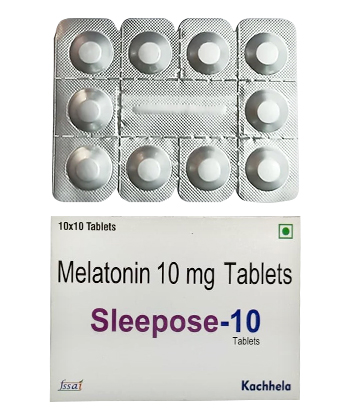
Melatonin is a natural hormone that regulates your sleep-wake cycle. Available under brands like Jamieson and Webber Naturals, melatonin supplements help reset your internal clock and are particularly useful for jet lag or shift work. Doses typically range from 0.5mg to 10mg per tablet.
Products containing valerian root, chamomile, passionflower, and L-theanine are popular natural alternatives. These gentler options appeal to those seeking plant-based remedies and typically have minimal side effects.
For more serious or chronic sleep problems, doctors may prescribe stronger medications. These require a prescription and should only be used under medical supervision.
Medications like flurazepam and temazepam work quickly and are effective for short-term insomnia. They enhance the effects of a neurotransmitter called GABA, promoting relaxation and sleep. These are typically prescribed for temporary use due to potential dependency with long-term use.
Drugs such as zopiclone and zolpidem (Ambien) are newer alternatives that work similarly to benzodiazepines but with potentially fewer side effects. Zopiclone is commonly prescribed in Canada and works within 15-30 minutes. These medications are generally prescribed for short-term use of a few weeks to months.
This medication is the active ingredient in prescription sleep aids and is designed for both falling asleep and staying asleep throughout the night. It's particularly helpful for people with sleep maintenance insomnia.
While medications can be helpful, many sleep problems can be improved through lifestyle modifications and behavioral strategies.
Establishing a consistent bedtime routine is fundamental to better sleep. This includes going to bed and waking up at the same time daily, keeping your bedroom cool and dark, and avoiding screens 30-60 minutes before sleep. Your bedroom temperature should ideally be between 60-67 degrees Fahrenheit for optimal sleep.
This evidence-based approach addresses the thoughts and behaviors that interfere with sleep. Many Canadian healthcare providers and sleep clinics offer CBT-I as a first-line treatment. It's particularly effective for chronic insomnia and has long-lasting benefits.
Regular physical activity improves sleep quality, though exercising close to bedtime should be avoided. Similarly, avoiding caffeine after 2 PM, limiting alcohol, and not eating heavy meals before bed can significantly improve sleep. A warm glass of milk or herbal tea before bed can promote relaxation.
Selecting the appropriate sleeping aid depends on several factors including the cause of your sleep problems, how long you've been experiencing them, and any other medications you take.
Over-the-counter options like antihistamines or melatonin are typically sufficient. These work well for temporary sleep disruptions caused by travel, stress, or minor schedule changes.
If you've struggled with sleep for more than a few weeks, consulting your doctor is recommended. They may suggest prescription medications combined with behavioral strategies for best results.
Certain sleeping aids aren't suitable for everyone. People with liver or kidney problems, those taking other medications, and pregnant or nursing women should discuss options with their pharmacist or doctor. Some antihistamines can cause next-day drowsiness, which may be problematic if you need to drive or operate machinery.
Most sleep aids are intended for short-term use. Long-term use can lead to tolerance, dependency, or other complications. Your healthcare provider can help establish an appropriate duration and monitor your progress.
Understanding potential side effects and safety precautions helps you use sleeping aids responsibly.
Over-the-counter antihistamines may cause dizziness, dry mouth, or morning grogginess. Prescription medications can cause headaches, dizziness, or complex sleep behaviors. Most side effects are mild and diminish with continued use or when the dosage is adjusted.
If sleep problems persist despite using sleeping aids, worsen over time, or if you experience unusual side effects, contact your healthcare provider. They can investigate underlying causes and adjust your treatment plan accordingly.